
Lot Intake and Record Check in Antalaha
We start with batch intake and record matching, so the lot has one identity from the beginning. That keeps Antalaha buyers from losing time later when sample notes and shipment papers need to agree.
Antalaha’s vanilla trade depends on clean grading, fast paperwork, and careful batch control. This page fits buyers who need split vanilla prepared for export without delays.
Antalaha sits inside Madagascar’s vanilla belt, so split vanilla work starts with supply timing and lot control. Buyers here often care about curing stage, grade separation, and whether records stay clear from farm to shipment. Vanillababa keeps the process simple with sample orders, buyer portal access, and batch-level traceability.
We don’t mix broad trading language into the work, because split vanilla buyers need facts they can verify. Antalaha’s farm routes, curing sites, and collection points don’t all work the same way. A lot moving near the town market needs different handling than one pulled from wider Sava supply lines, and that difference changes how records get built.
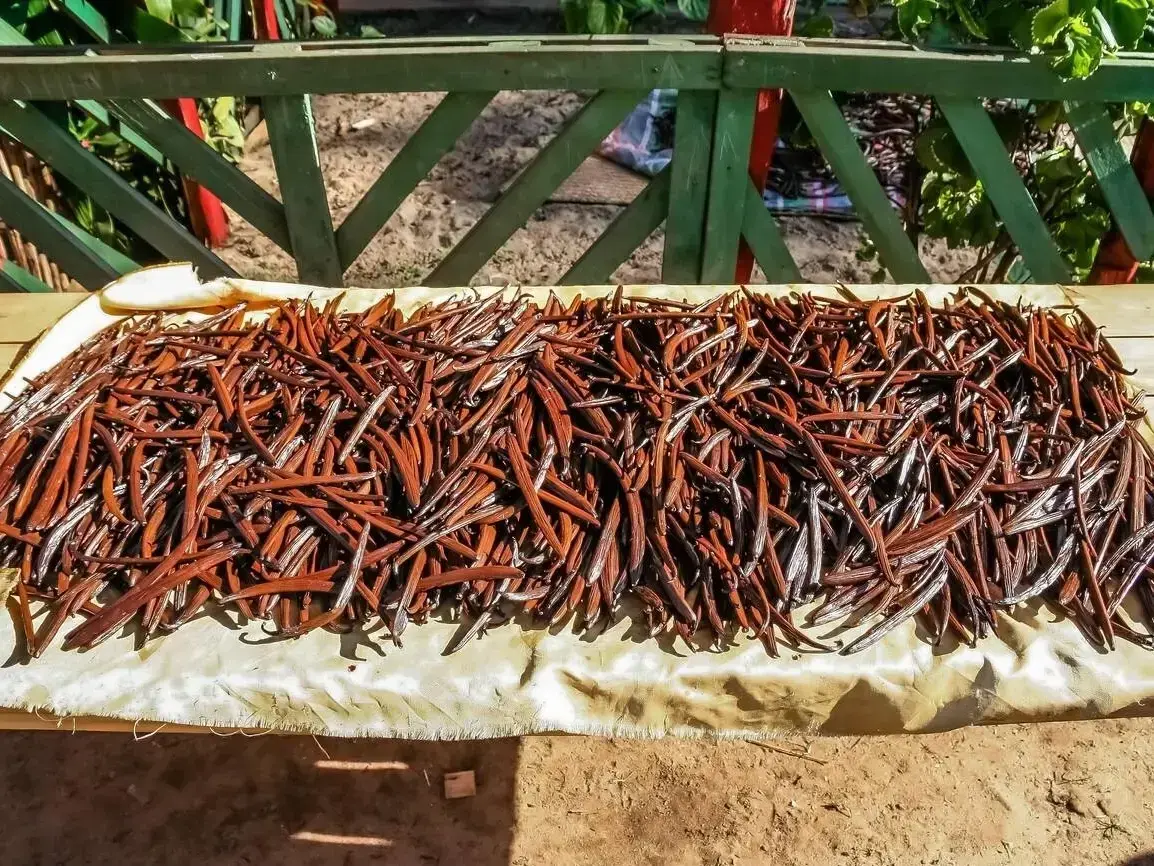
Antalaha buyers get cleaner lot separation, so export discussions start with fewer unknowns.
Local supply coordination helps reduce delay when curing timelines shift in Sava.
In Antalaha, Batch records make it easier to compare samples with shipment lots.
In Antalaha, Pre-harvest planning can help buyers secure supply before the market tightens.
In Antalaha, Export documentation support cuts down on back-and-forth during shipment prep.
Buyer portal access keeps Antalaha clients aligned across multiple lot updates.
We start with batch intake and record matching, so the lot has one identity from the beginning. That keeps Antalaha buyers from losing time later when sample notes and shipment papers need to agree.
We compare the sample order with the physical lot and the grading notes. In the local busy supply flow, that step helps spot mismatches before they turn into shipment delays.
In Antalaha, We sort by condition, split count, and visible grade, then confirm the lot’s curing state. Sava weather can affect moisture and handling, so this step keeps the lot more stable.
We assemble the export file around the actual lot data, not a generic template. That matters in the local market because buyers often need one clean record set for cross-border review.
local wet season can slow drying and raise handling risk, so split vanilla needs closer checks then. Dry months are easier for sorting and packing, but supply can move quickly as buyers secure lots before the next harvest cycle.
We keep split vanilla tied to one batch record from the start. That helps Antalaha buyers avoid mixed lots and weak paper trails when export review begins.
Sample orders are handled with the final lot in mind, not as loose references. In Antalaha, that matters because buyers often compare curing condition, split count, and visible grade before they commit.
Pre-harvest contracts help buyers line up supply before peak movement gets crowded. The company maps this against Antalaha sourcing patterns, so the lot plan fits the season instead of chasing it.
In Antalaha, We won't dress up a weak lot or hide a grading gap. If split vanilla needs more sorting before export, we say so and keep the scope honest, even when that slows a deal.
Export documents get handled with the lot records, so buyers don't chase separate files later. That saves time for Antalaha clients who need a clear path from sourcing to shipment.
Vanillababa provides comprehensive Vanilla Cuts - Split vanilla in this region. Here's what you get:
A buyer in the surrounding area had split vanilla ready, but the lot notes were incomplete and hard to verify. The shipment path stalled because sample records and batch identity did not match cleanly.
We rebuilt the lot file around batch-level traceability and checked the grading notes against the sample order. Then we lined up the export documents so the buyer could move with one record set.
The buyer had a clearer lot package and a cleaner path to shipment review.
Outcome described through record recovery and document alignment, not a numeric claim.
A buyer needed split vanilla from Antalaha, but supply timing shifted across different collection points in Sava. The main problem was keeping the lot consistent while harvest conditions kept changing.
We used pre-harvest planning, sample verification, and lot-by-lot sorting to keep the supply plan stable. That let the buyer compare options without losing sight of grade and shipment readiness.
The buyer kept one sourcing path instead of rebuilding the order from scratch.
Outcome described through coordinated sourcing and cleaner lot consistency.
Vanillababa ensures every Vanilla Cuts - Split vanilla order meets the highest standards—from sourcing through delivery. Here is what guides our process.
Every batch of Vanilla Cuts - Split vanilla is inspected and graded before it leaves our facility, so you receive exactly what was agreed.
Complete documentation—origin certificates, quality reports, and shipping details—accompanies every order.
Dedicated communication throughout the process—from initial inquiry to confirmed delivery at your destination.
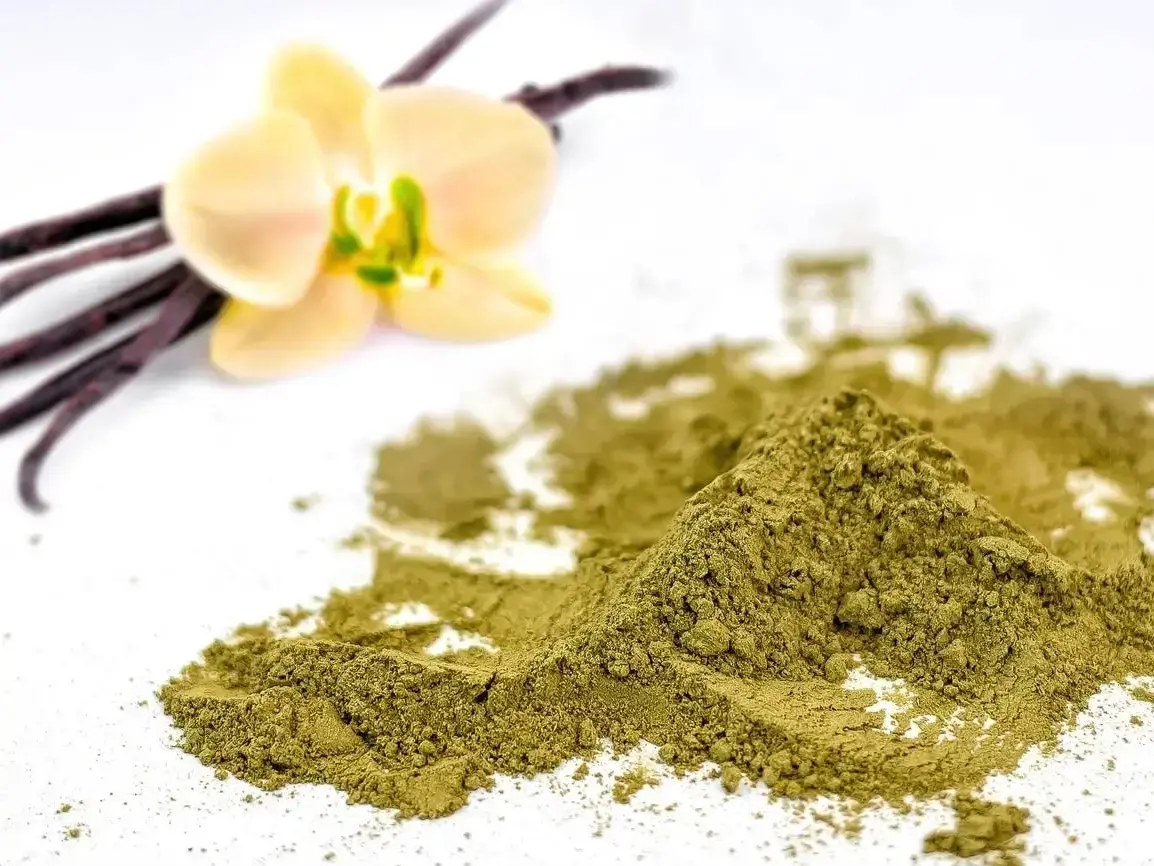
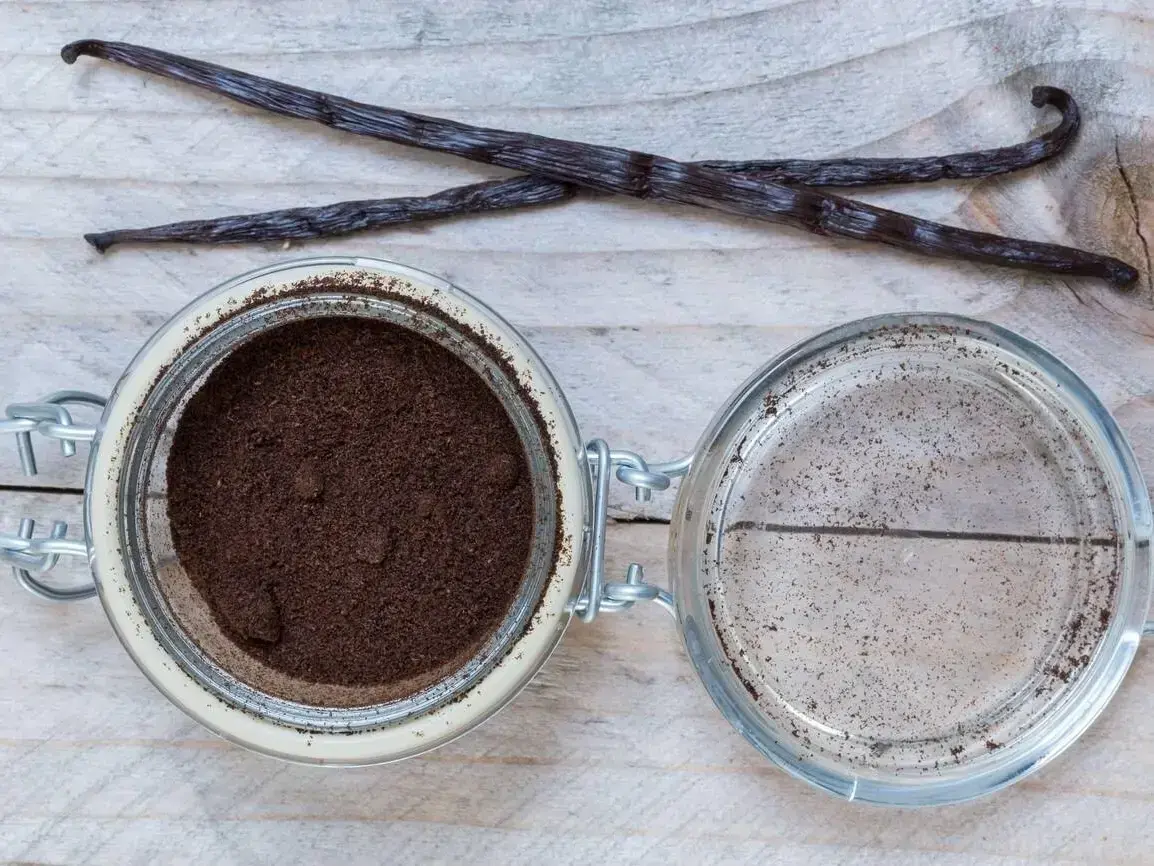
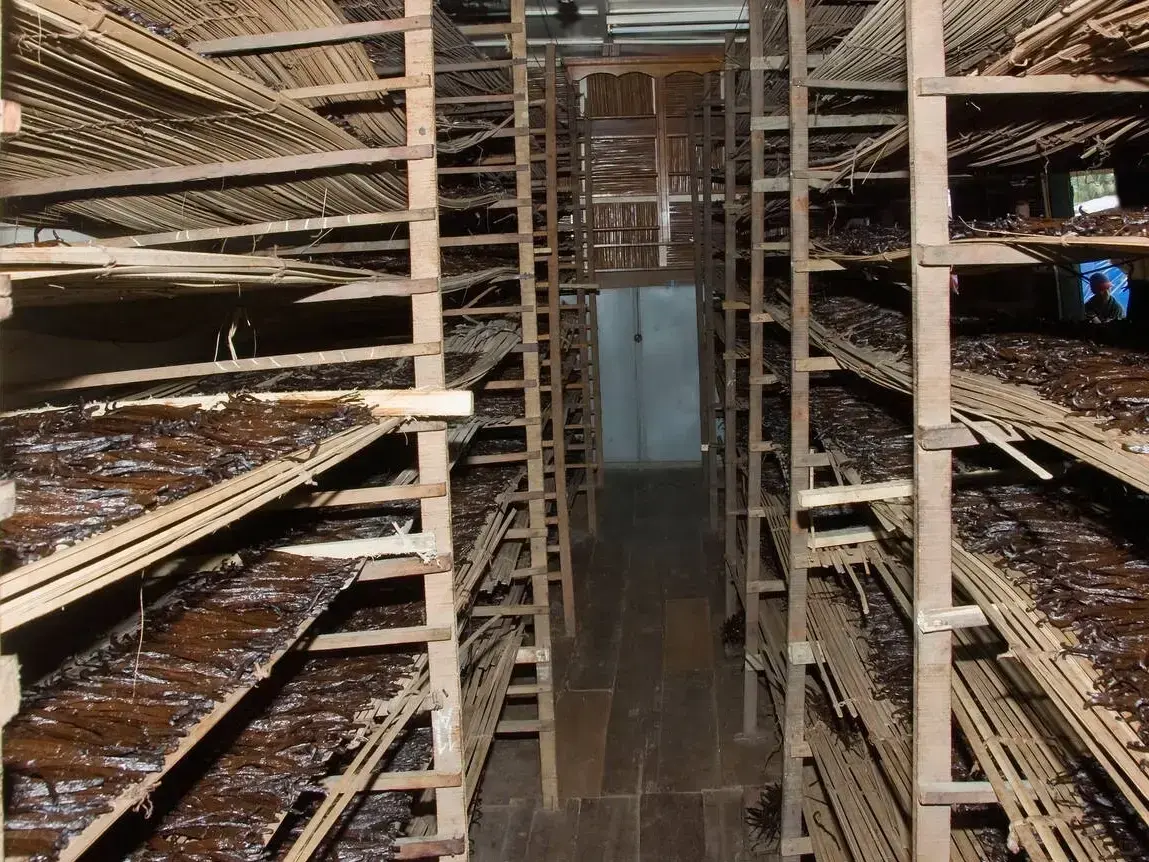
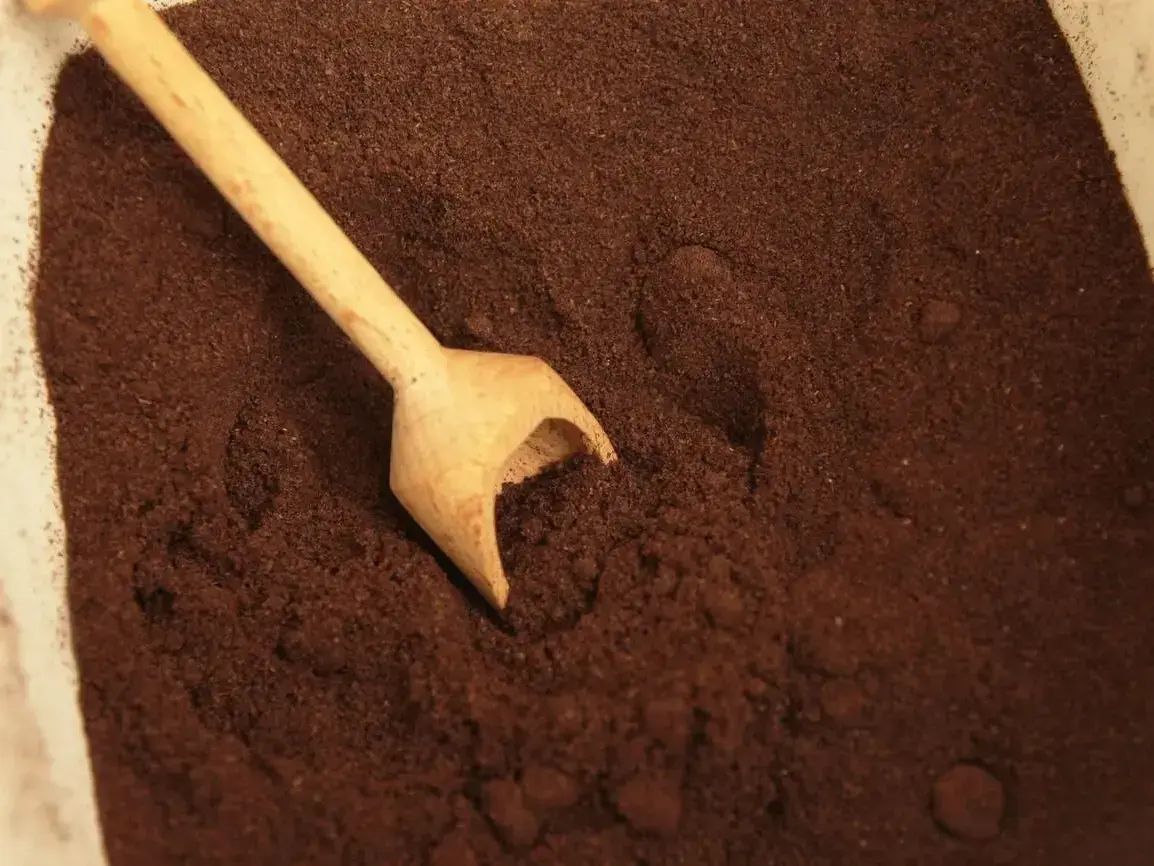
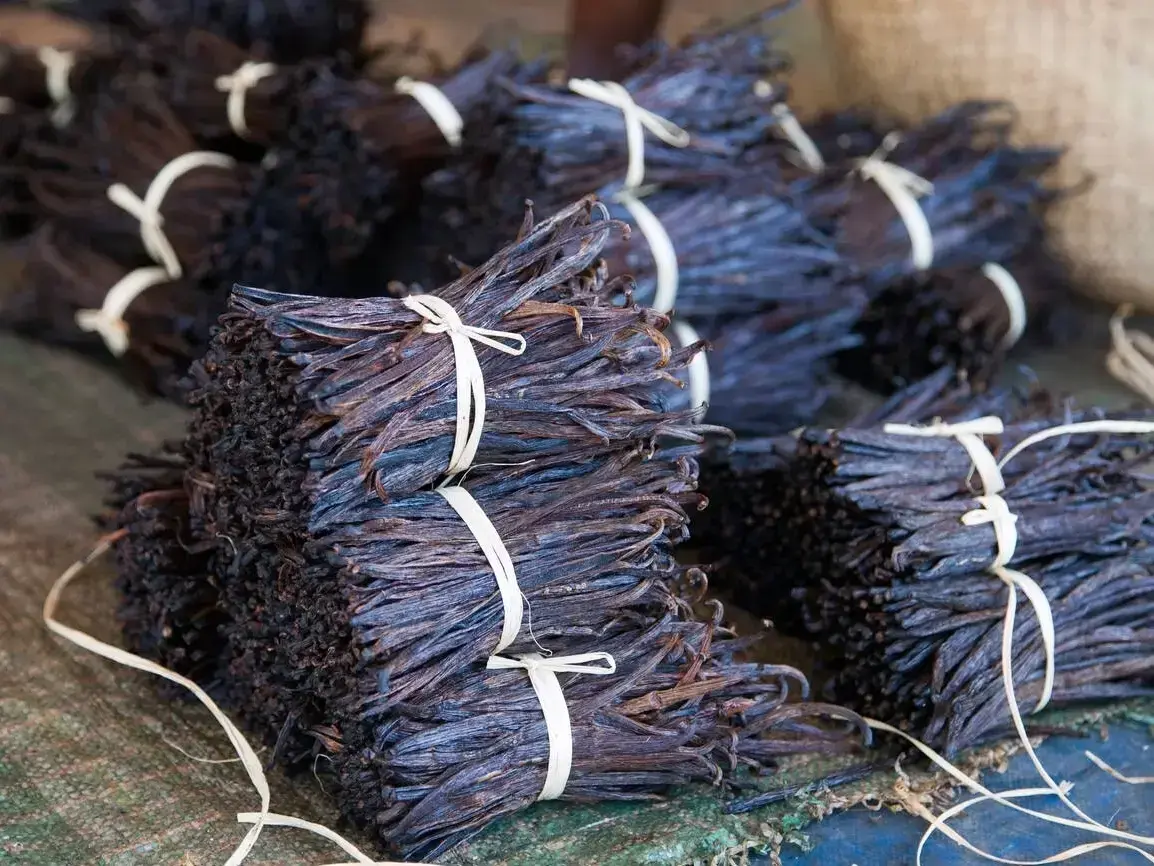
You get cleaner lot records and a clearer export path for Antalaha vanilla supply.
Contact our export team to request samples, access the buyer portal, or get a certified export quote.
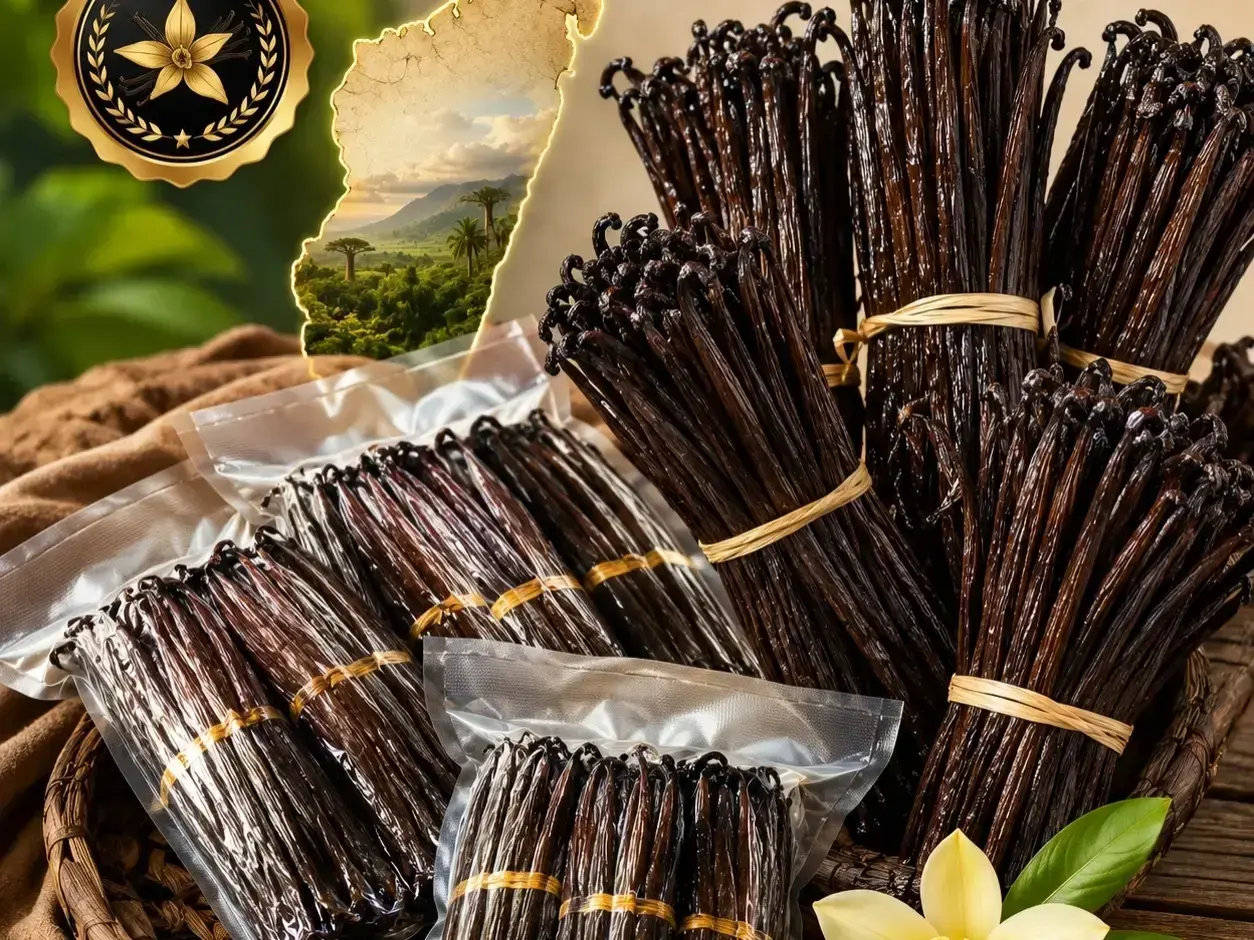
A buyer in Antalaha, Sava may receive a split vanilla lot from a past provider with weak notes and missing batch links. Vanillababa would compare the sample, the lot record, and the export file before anything moves forward.
A sourcing team in Antalaha, Sava may be weighing one exporter against another and needs to know what really changes. The difference often comes down to batch traceability, sample handling, and how cleanly export documents match the lot.
A processor in Antalaha, Sava may want to know what split vanilla work is included before any order is placed. We’d map the lot size, sorting stage, and documentation needs first, so the next step stays clear.