
Lot Intake and Source Mapping in Ambilobe
We start with source mapping, which ties the split vanilla lot to its origin, grade, and handoff path. That gives a clean reference if a batch from Ambilobe needs to be checked again after transport.
Split vanilla orders in Ambilobe need careful sorting, steady traceability, and clean export paperwork. That matters even more when cargo moves through northern road links after harvest.
Ambilobe sits on a busy northern route, so timing matters when vanilla moves from farms to buyers. Heat and rain can change handling needs fast, and split vanilla needs quick sorting before quality slips. Vanillababa starts with lot identity, grade checks, and document review.
We keep Vanilla Export details tied to each batch, so buyers can compare samples, note curing differences, and avoid mix-ups. The northern edge of town, the market area, and farm-access roads do not all move the same way. A central commercial lot may need faster pickup notes, while a farm-side lot near rough road sections may need tighter handoff planning and clearer batch labels.
You get clearer lot identity, which helps Ambilobe buyers avoid mix-ups.
In Ambilobe, You can compare sample orders before committing to a larger Vanilla Export move.
In Ambilobe, You keep export documents tied to the right batch, which lowers shipment confusion.
You handle split vanilla with more control during humid Ambilobe weather.
In Ambilobe, You get a cleaner handoff from farm sourcing to buyer review.
In Ambilobe, You can plan around road delays and still keep the lot record intact.
Ambilobe lots need careful separation because road delays and mixed handoffs can blur batch identity. We keep each split vanilla lot tied to its source, grade notes, and buyer file.
A sample-first step helps Ambilobe buyers spot curing issues before a bigger commitment. We use that check to keep Vanilla Export decisions grounded in the actual lot.
Export paperwork has to match the batch, not just the shipment plan. In Ambilobe, we keep source notes, lot labels, and documents aligned before anything moves.
We won't push a split vanilla order forward if the lot still needs sorting. That honesty matters in Ambilobe, where rushing a weak batch can create more work later.
the local road links can slow pickups after rain or heavy traffic. We plan around that reality, so handoffs, labels, and buyer updates stay usable.
A buyer in this region had a split vanilla lot that looked fine at first, but the batch notes were incomplete. The lot had moved through the town edge after a wet stretch, and the labels no longer matched the sample set. Vanillababa rebuilt the batch record, checked the grade split, and tied the documents back to the correct source lot.
The buyer could then move ahead with cleaner Vanilla Export handling.
We start with source mapping, which ties the split vanilla lot to its origin, grade, and handoff path. That gives a clean reference if a batch from Ambilobe needs to be checked again after transport.
Grade split verification separates visible condition, curing behavior, and sample quality before any export file is finalized. In Ambilobe, that step helps because heat and road time can change how a lot presents when it arrives.
We cross-check source notes, batch labels, and export documents so the file matches the actual lot. This matters in Ambilobe, where a small label mismatch can slow Vanilla Export review.
We prepare buyer samples so the lot can be compared before a larger order moves ahead. That reduces guesswork for Ambilobe clients who need to see how the split vanilla holds up after staging.
Vanillababa provides comprehensive Vanilla Cuts - Split vanilla in the surrounding area. Here's what you get:
A buyer in Ambilobe received split vanilla notes that no longer matched the physical lot after transit through rough road sections. The mismatch created doubt about grade and source.
We rebuilt the batch record, checked the sample set, and aligned the export documents with the corrected lot identity. The process used lot-level traceability and document matching from the start.
The buyer had a clean file for review and a lot record that could move forward with less confusion. The sourcing path stayed usable for Vanilla Export planning.
Outcome described without fabricated numbers.
A repeat issue kept showing up in the area because temporary fixes hid a curing problem in split vanilla lots. The buyer wanted the source of the problem, not another short-term patch.
We used source-lot sorting, sample comparison, and pre-harvest contract notes to isolate where the drift started. That let the buyer compare batches instead of guessing from appearance alone.
The buyer got a steadier reference lot and a clearer path for future orders. The next Vanilla Export step could be planned with better confidence.
Outcome described without fabricated numbers.
Vanillababa ensures every Vanilla Cuts - Split vanilla order meets the highest standards—from sourcing through delivery. Here is what guides our process.
Every batch of Vanilla Cuts - Split vanilla is inspected and graded before it leaves our facility, so you receive exactly what was agreed.
Complete documentation—origin certificates, quality reports, and shipping details—accompanies every order.
Dedicated communication throughout the process—from initial inquiry to confirmed delivery at your destination.

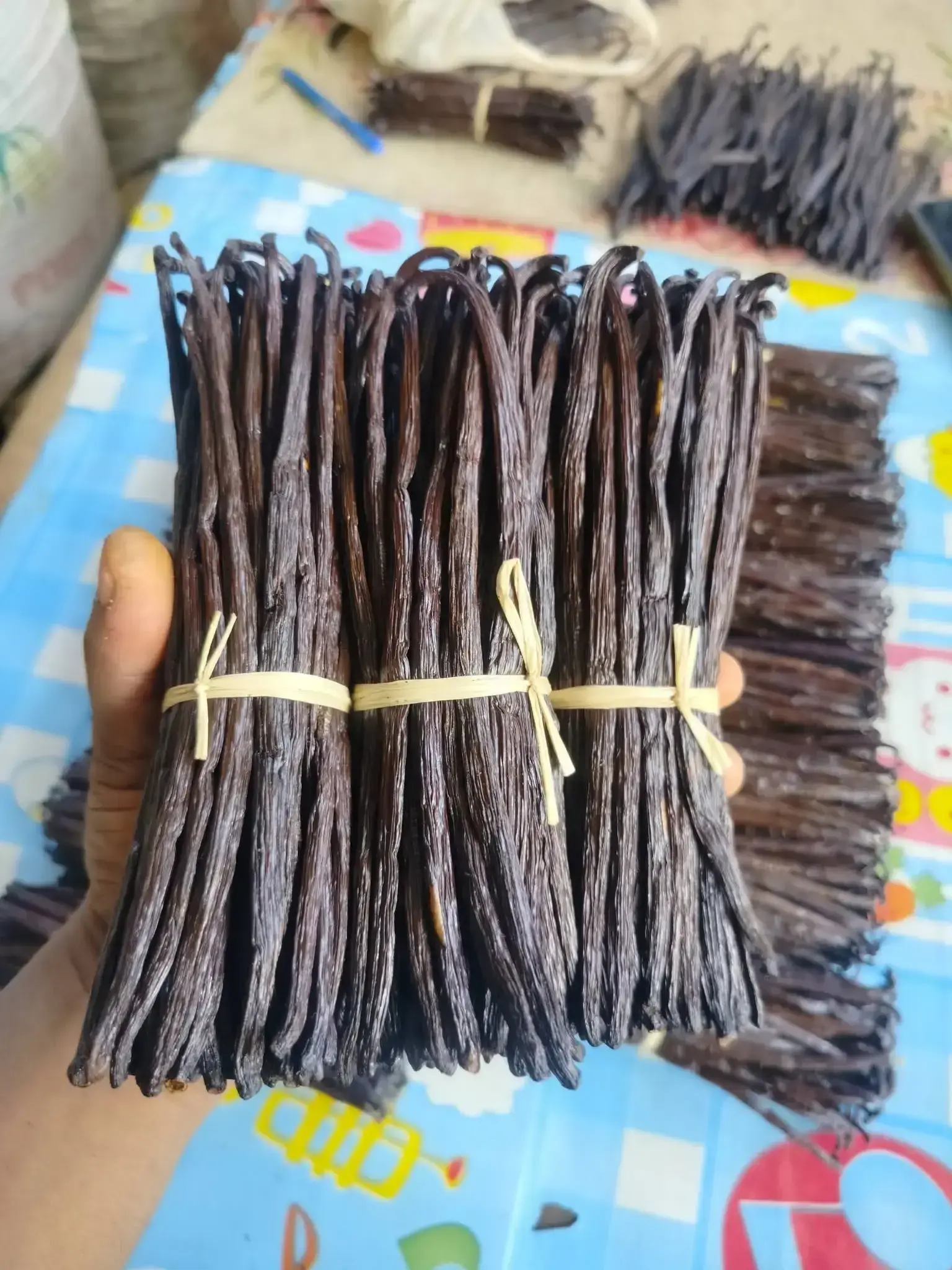
Contact us to start the first batch check, sample review, and document match for your Ambilobe order.
Contact our export team to request samples, access the buyer portal, or get a certified export quote.
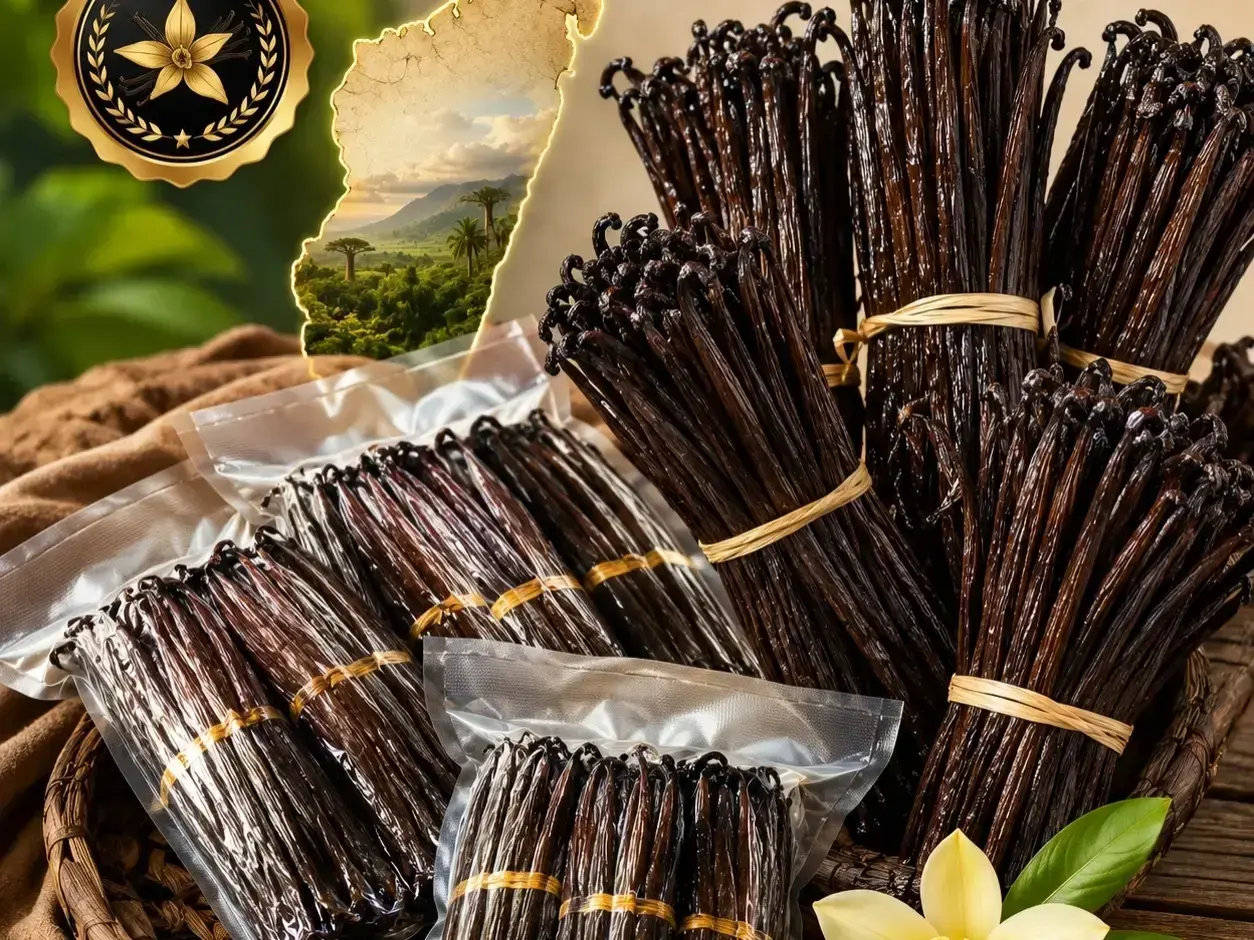
A split vanilla lot in Ambilobe, Madagascar changed after rain slowed farm access and the first labels got muddled. The symptom was simple: sample pieces no longer matched the paper trail, which can create trouble during Vanilla Export review. We’d start with the lot record, confirm the curing notes, and rebuild the batch map before any shipment step moves ahead.
A packing space near the Ambilobe, Madagascar town edge keeps seeing the same split vanilla issue after temporary fixes. Pallets get mixed during busy handoffs, so the real problem is weak batch separation, not the product itself. We’d work around the access limits, re-tag each lot, and keep the export documents synced with the corrected batches.
A first-time buyer in Ambilobe, Madagascar may not know which split vanilla provider is safest to trust. The key concern is whether the seller can explain traceability, sample handling, and document control without hiding gaps. We’d compare the lot trail, the curing notes, and the export file so the next step feels clear.