
Source Lot Mapping in Manakara
We map the source lot with batch tags and harvest notes before sorting starts. That reduces mix-ups later, especially when Manakara collection routes pass through several handoff points.
Manakara’s harbor side trade and inland farm routes need clean batch control. That matters when export buyers want split vanilla with traceable lots.
Manakara buyers deal with coastal humidity, farm access gaps, and tight timing after harvest. Those conditions can split a lot’s quality fast, so traceability matters from the first pickup. Vanillababa handles Vanilla Cuts - Split vanilla with batch tags, sorting notes, and buyer portal updates.
In downtown Manakara, buyers often want faster document flow, while inland supply routes need stronger lot tracking. Around central market streets and the port-linked trade side, buyers need export-ready vanilla that matches paperwork. Better lot control reduces confusion, and it helps the next shipment move with fewer surprises.
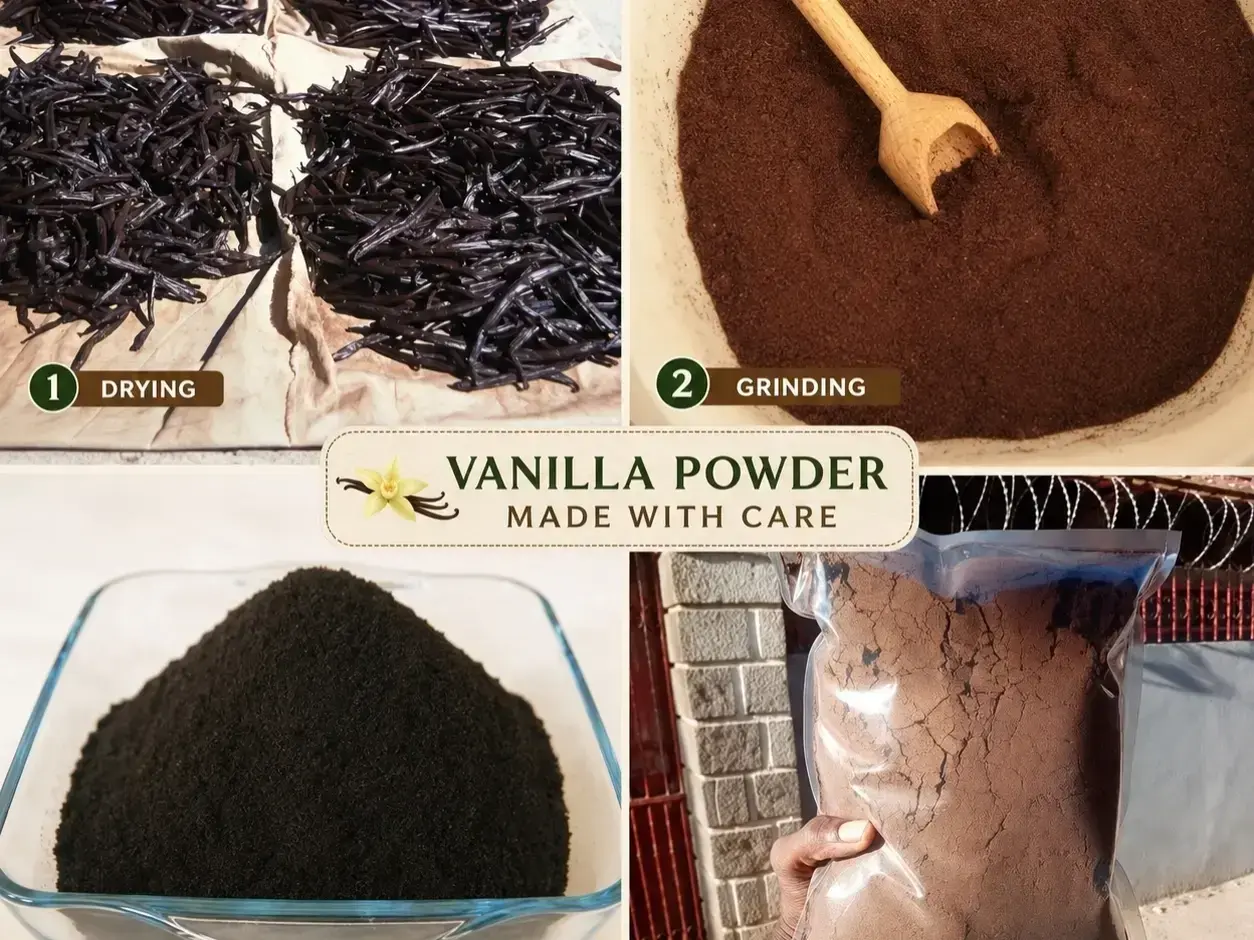
Traceable lots help Manakara buyers confirm where each split vanilla batch came.
In Manakara, Cleaner sorting reduces confusion when coastal humidity affects stored product.
Buyer portal access gives Manakara clients faster status checks on export orders.
Pre-harvest contracts help local supply planning around farm timing and road access.
In Manakara, Sample orders let buyers judge vanilla quality before larger commitments.
Export document support lowers friction for international shipping from Manakara.
A buyer in central Manakara needed split vanilla after a harvest delay changed the lot mix. The farm route had picked up extra moisture, and the first sample showed uneven condition. Vanillababa re-sorted the batch, updated the traceability notes, and kept the export file matched to the final lot.
The buyer could move forward without mixing product from different harvest points.
Manakara buyers need split vanilla lots they can verify later. We keep batch records tied to the source lot, so the paperwork and product stay aligned.
Manakara humidity can change handling needs fast. We plan pickups and sorting around weather and road access, so the lot gets checked before quality slips.
Manakara export buyers don’t need guesswork on forms. We tell you what’s ready, what’s missing, and what still needs buyer action, even if that slows the order.
Manakara sourcing can shift between farm zones and collection points. We track those changes by batch, so split vanilla orders stay consistent across supply runs.
Manakara clients often compare lots before scaling up. We use sample orders and grading notes first, because that’s safer than pushing a full shipment on weak data.
We map the source lot with batch tags and harvest notes before sorting starts. That reduces mix-ups later, especially when Manakara collection routes pass through several handoff points.
We use a basic condition check to spot moisture risk, uneven cure, or fragile split pieces. In Manakara’s coastal climate, that step helps us catch quality drift before the lot moves farther.
We sort the lot by cut type, appearance, and export use, so the buyer gets a cleaner decision set. This works better in Manakara when supply arrives from more than one farm zone.
We match the batch record, sample details, and export paperwork before final handoff. That keeps the shipment file usable when Manakara buyers need clean records for international review.
Vanillababa provides comprehensive Vanilla Cuts - Split vanilla in Manakara. Here's what you get:
A Manakara buyer received split vanilla from different harvest points, and the sample looked uneven. The lot could not move forward with one clean record.
We separated the batch by source, updated traceability notes, and matched the export file to the final grouping. The process focused on grading consistency and document alignment.
The buyer got a cleaner lot structure and a clearer path to shipment review. The export packet matched the product record.
Outcome tracked by lot separation, sample alignment, and export document match.
Heavy rain slowed a pickup route near Manakara, and the buyer worried about quality drift. Split vanilla needed faster handling once the delay became clear.
We adjusted the pickup sequence, checked moisture risk, and prepared the batch for buyer review. The team kept the sample order and export documents in sync.
The shipment moved forward with fewer handling gaps. The buyer kept a usable record for later sourcing decisions.
Outcome tracked through handling stability and document continuity.
Vanillababa ensures every Vanilla Cuts - Split vanilla order meets the highest standards—from sourcing through delivery. Here is what guides our process.
Every batch of Vanilla Cuts - Split vanilla is inspected and graded before it leaves our facility, so you receive exactly what was agreed.
Complete documentation—origin certificates, quality reports, and shipping details—accompanies every order.
Dedicated communication throughout the process—from initial inquiry to confirmed delivery at your destination.
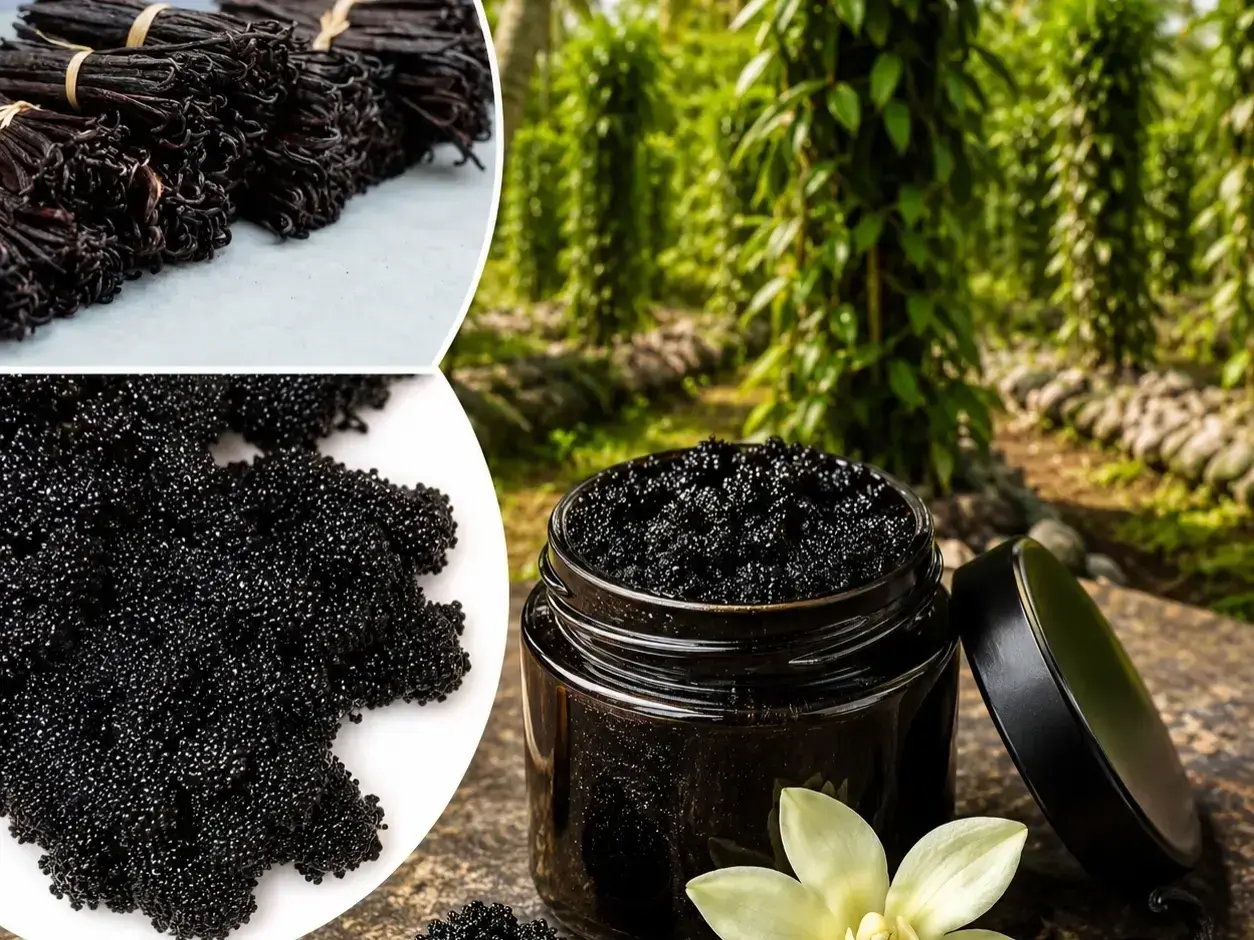
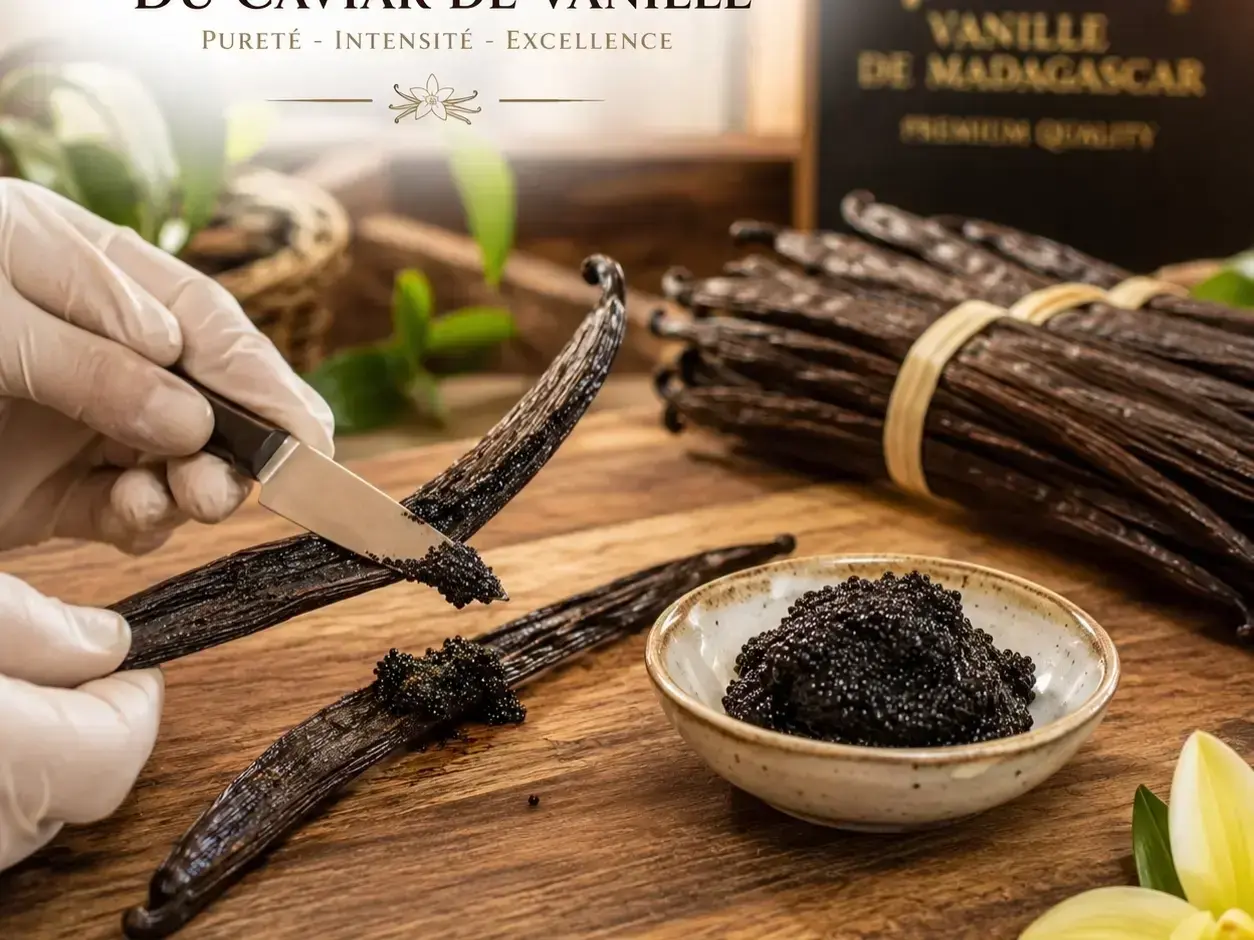
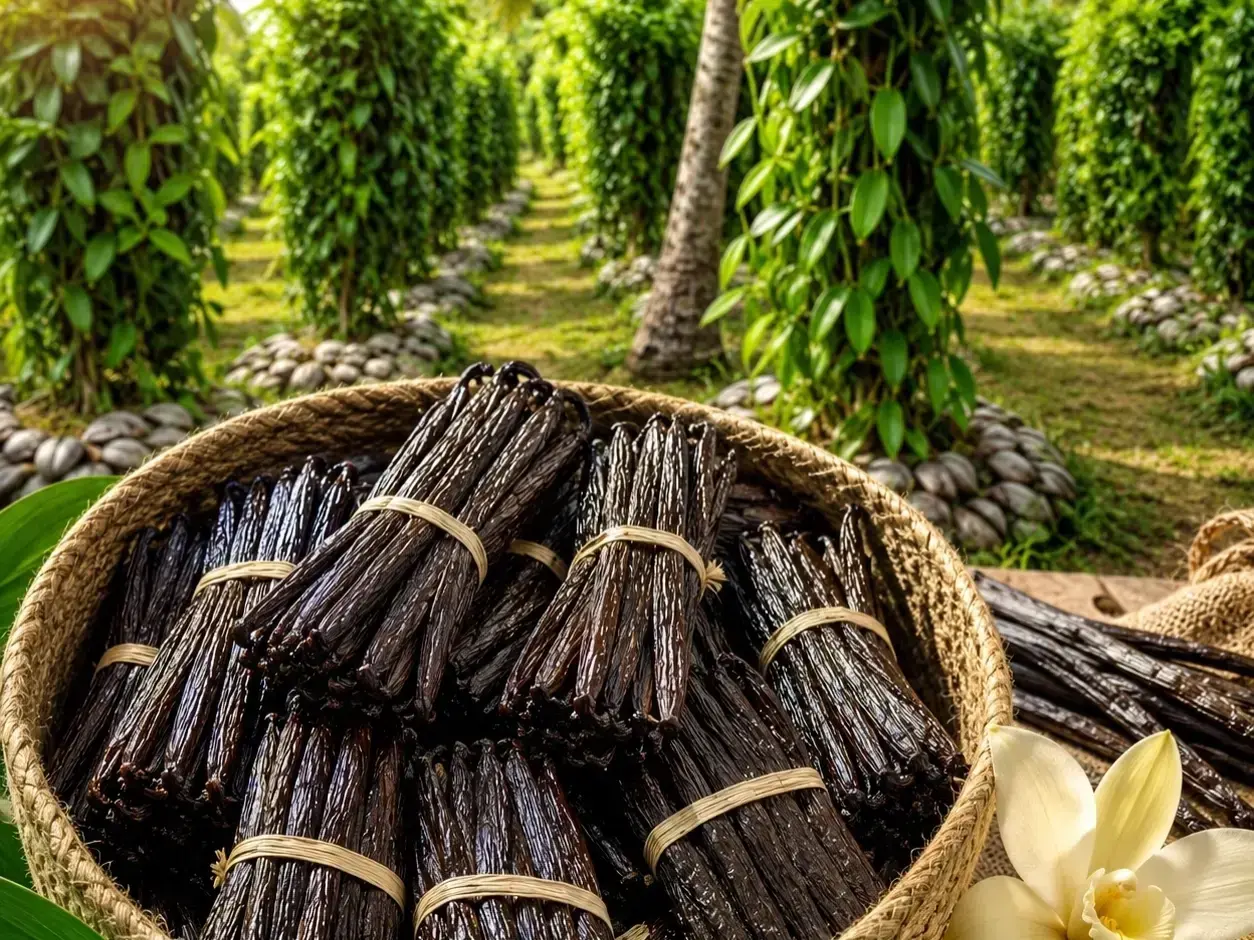

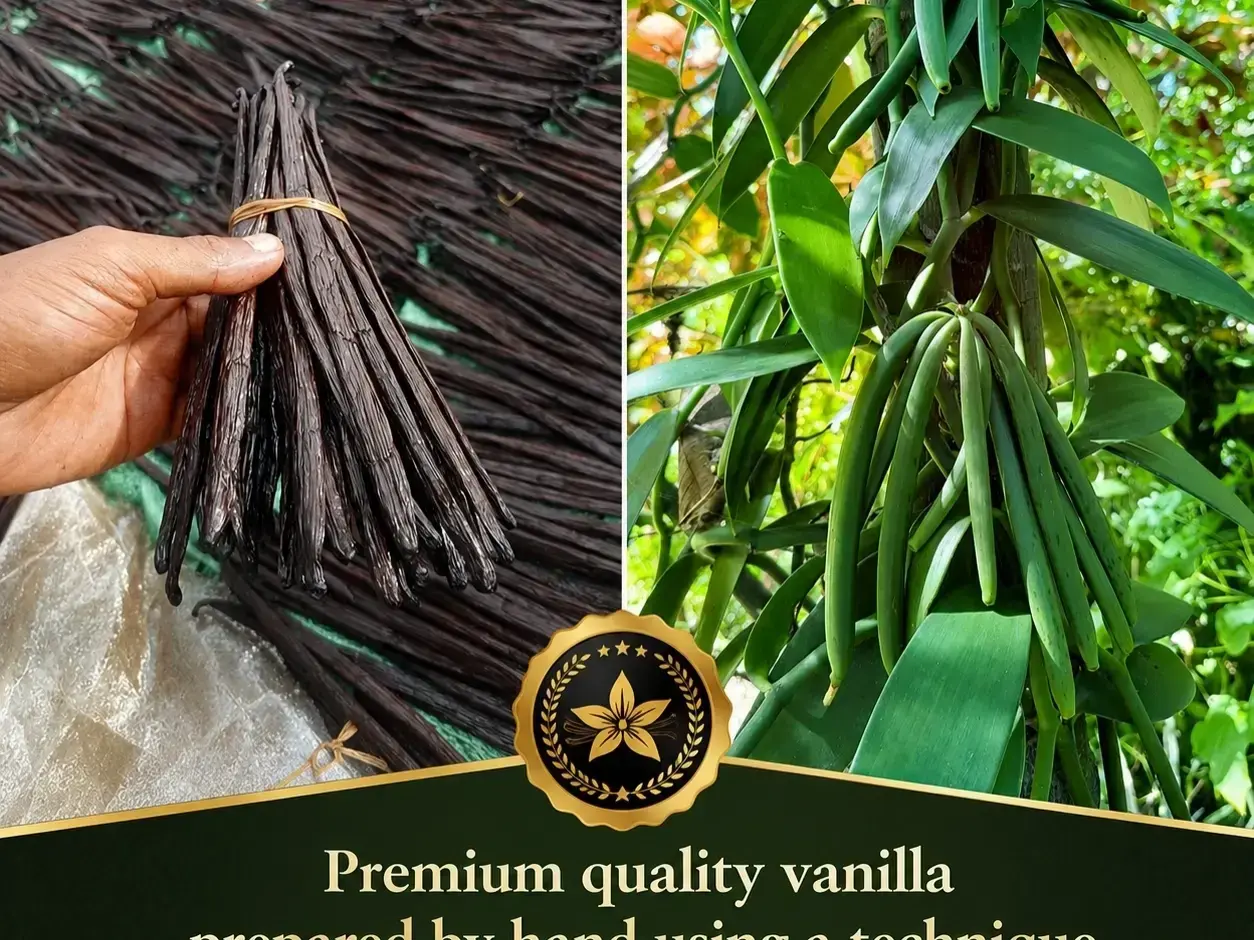
Got a batch question, a sample to review, or export papers to match in Manakara? Reach out and let’s check the lot details together.
Contact our export team to request samples, access the buyer portal, or get a certified export quote.

A buyer in Manakara, Madagascar sees split vanilla arrive with mixed moisture after late harvest handling. That changes how the lot should be graded and documented. Vanillababa checks batch marks, sorting notes, and sample condition before the buyer commits to export paperwork.
A storage site near central Manakara, Madagascar can make repeated handling harder when road access slows after rain. That matters because split vanilla absorbs risk during extra transfers. The company reviews access timing, lot movement, and packaging flow so the product doesn’t lose trace clarity before shipment.
A buyer comparing providers in Manakara, Madagascar may get different answers on grading, traceability, and document quality. Without a clear method, the safer lot is easy to miss. Vanillababa explains the batch record, sample path, and export steps so the next decision is based on facts, not pitch language.