
Lot Intake and Batch Mapping in Ambanja
We start with batch mapping that links the split vanilla lot to source notes, grade, and condition. That matters in this region because mixed harvest timing can blur lot identity if it isn't recorded early.
Buyers in Ambanja deal with harvest timing, cure quality, and export paperwork. We help match split vanilla to the right buyer needs.
Ambanja buyers often face mixed lots after harvest, especially when cure times vary by farm. Split vanilla needs careful sorting because aroma loss and breakage can change how a lot sells. Vanillababa handles Vanilla Cuts - Split vanilla with batch records, buyer-facing lot notes, and export document prep.
We also keep an eye on Madagascar Bourbon vanilla standards, so the handoff stays useful for international buyers. Parts of Ambanja near heavier farm traffic can see faster lot movement than slower inland pickups. That difference matters because pre-harvest contracts, sample timing, and lot separation all work better when the buyer plan is set early.
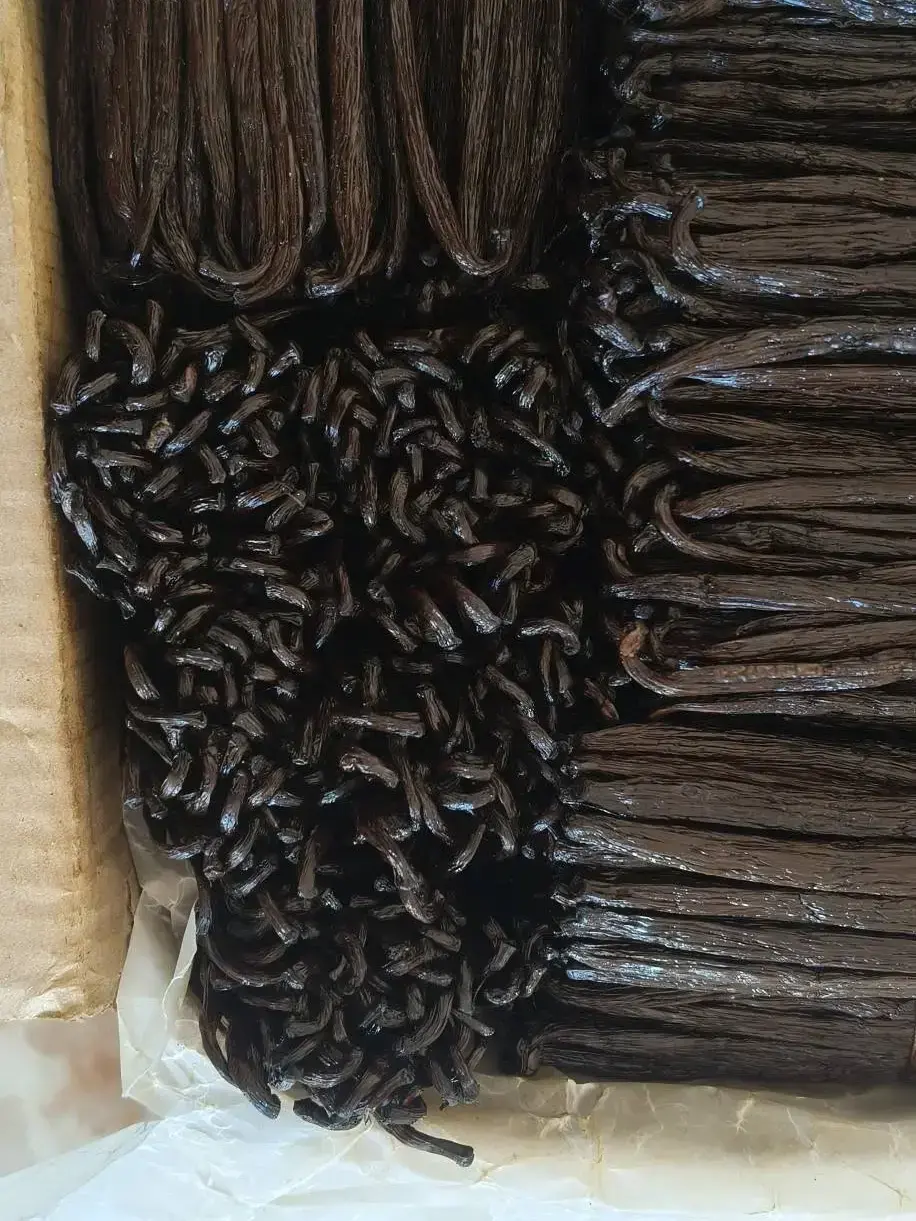
Ambanja buyers get fewer surprises when split vanilla is separated by batch.
In Ambanja, Document-ready lots move through export review with less back-and-forth.
Local harvest timing is easier to plan around in the local market.
In Ambanja, Sample orders become more useful when grade notes stay consistent.
In Ambanja, Buyers can compare lots with clearer origin and condition records.
In Ambanja, Split vanilla handling supports cleaner handoff for Vanilla Export work.
We start with batch mapping that links the split vanilla lot to source notes, grade, and condition. That matters in this region because mixed harvest timing can blur lot identity if it isn't recorded early.
We use grade separation and a basic cure check to sort usable split vanilla from weaker material. In Ambanja, where humidity shifts can affect handling, this keeps the lot story more reliable.
We align export documents with the batch record and then prep buyer samples from the same lot. That reduces mismatch risk for Ambanja buyers who need the sample to match the final shipment.
We use pre-harvest planning when buyers want future supply tied to known source windows. This helps Ambanja clients plan around seasonal movement instead of waiting until mixed stock is already on hand.
Ambanja buyers need lot notes they can trust before samples move. We separate split vanilla by batch, condition, and export use, so the buyer sees what’s actually available.
Ambanja supply can shift fast around harvest windows and road access. Pre-harvest contracts help buyers lock in a lot plan before mixed stock starts stacking up.
Ambanja shipments move smoother when the paperwork is ready early. We line up export documents, origin notes, and buyer portal records before the lot leaves the source side.
We won’t dress up weak material as premium split vanilla. If a lot needs more curing, sorting, or separation, we say so even when that slows a sale in the surrounding area.
Ambanja sellers often compare against northern and northeast supply patterns. We keep the format clear enough for Vanilla Export buyers who need consistent batch identity across regions.
A buyer in the area had a split vanilla lot that arrived with uneven curing and mixed notes from earlier sorting. The lot sat near a busy pickup route, so it needed faster separation before the next buyer review. Vanillababa organized the batch, matched the records to export needs, and kept the sample story simple for the buyer.
That helped the client avoid confusion during the handoff.
Vanillababa provides comprehensive Vanilla Cuts - Split vanilla in the local market. Here's what you get:
A client in this region had split vanilla mixed with uneven cure levels and weak batch notes. The buyer wanted a cleaner export-ready handoff, but the lot needed separation first.
We used batch-level traceability, grade sorting, and document prep tied to the lot records. The work focused on the split vanilla that could move now and flagged what still needed more handling.
The client got a clearer lot story and a more usable buyer package. That reduced confusion during review and made the export handoff simpler.
Outcome described without fabricated numbers.
Another Ambanja client had several small split vanilla lots and no clear way to compare them. The risk was sending samples that did not reflect the final export lot.
We organized the lots by condition, linked them to batch records, and aligned sample orders with export documentation. That kept the buyer review tied to the real stock available.
The buyer could compare the lots with less guesswork and a better view of final shipment readiness. The client kept the process focused on usable material, not loose claims.
Outcome described without fabricated numbers.
Vanillababa ensures every Vanilla Cuts - Split vanilla order meets the highest standards—from sourcing through delivery. Here is what guides our process.
Every batch of Vanilla Cuts - Split vanilla is inspected and graded before it leaves our facility, so you receive exactly what was agreed.
Complete documentation—origin certificates, quality reports, and shipping details—accompanies every order.
Dedicated communication throughout the process—from initial inquiry to confirmed delivery at your destination.
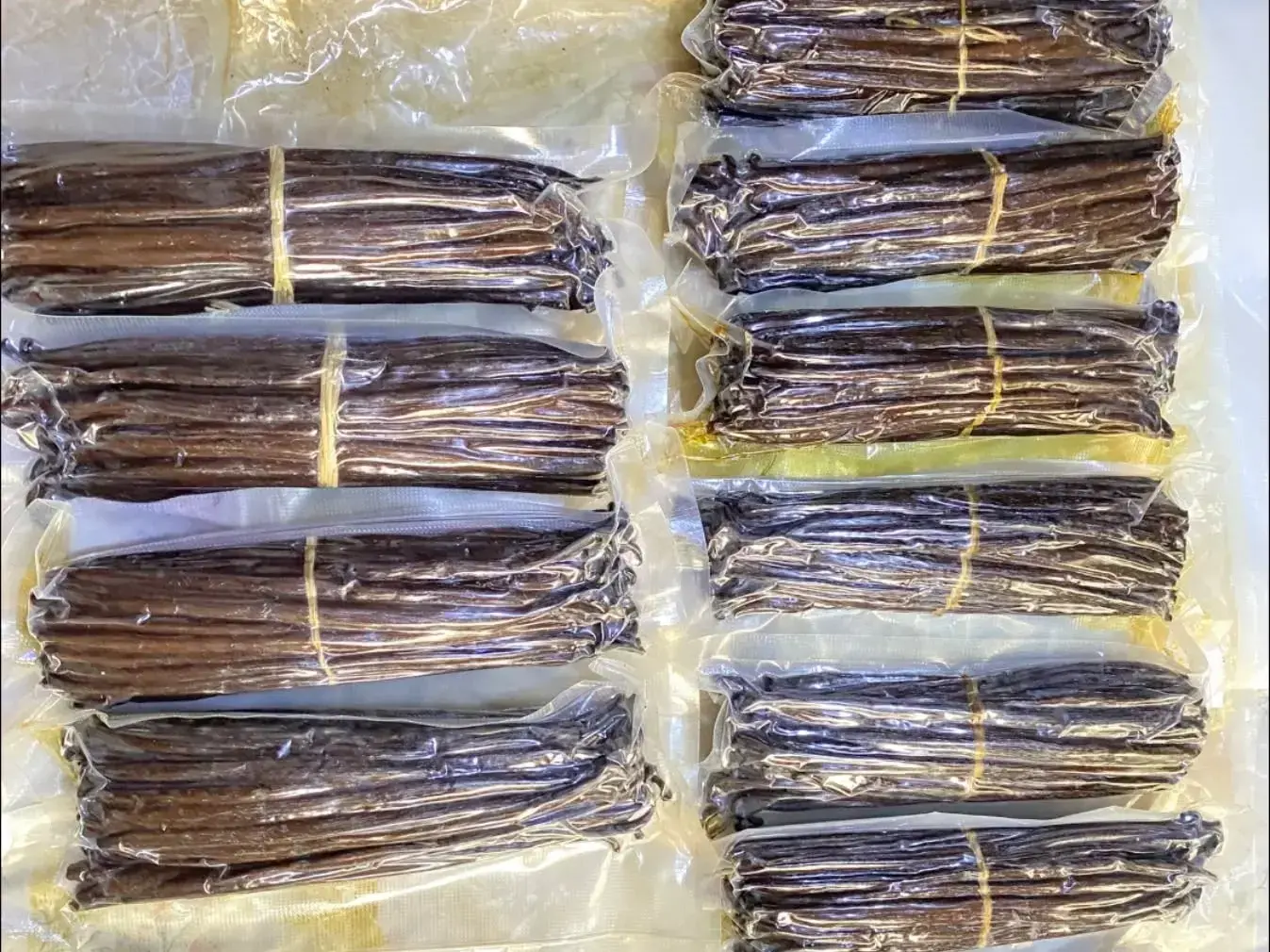
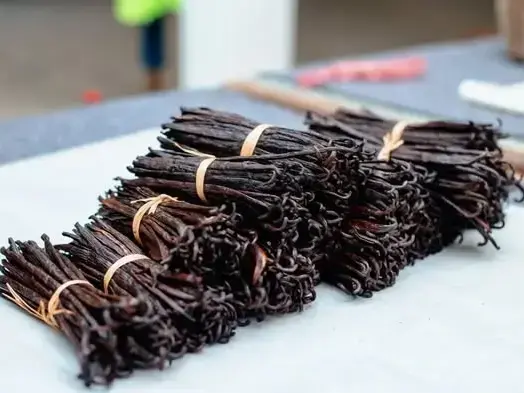
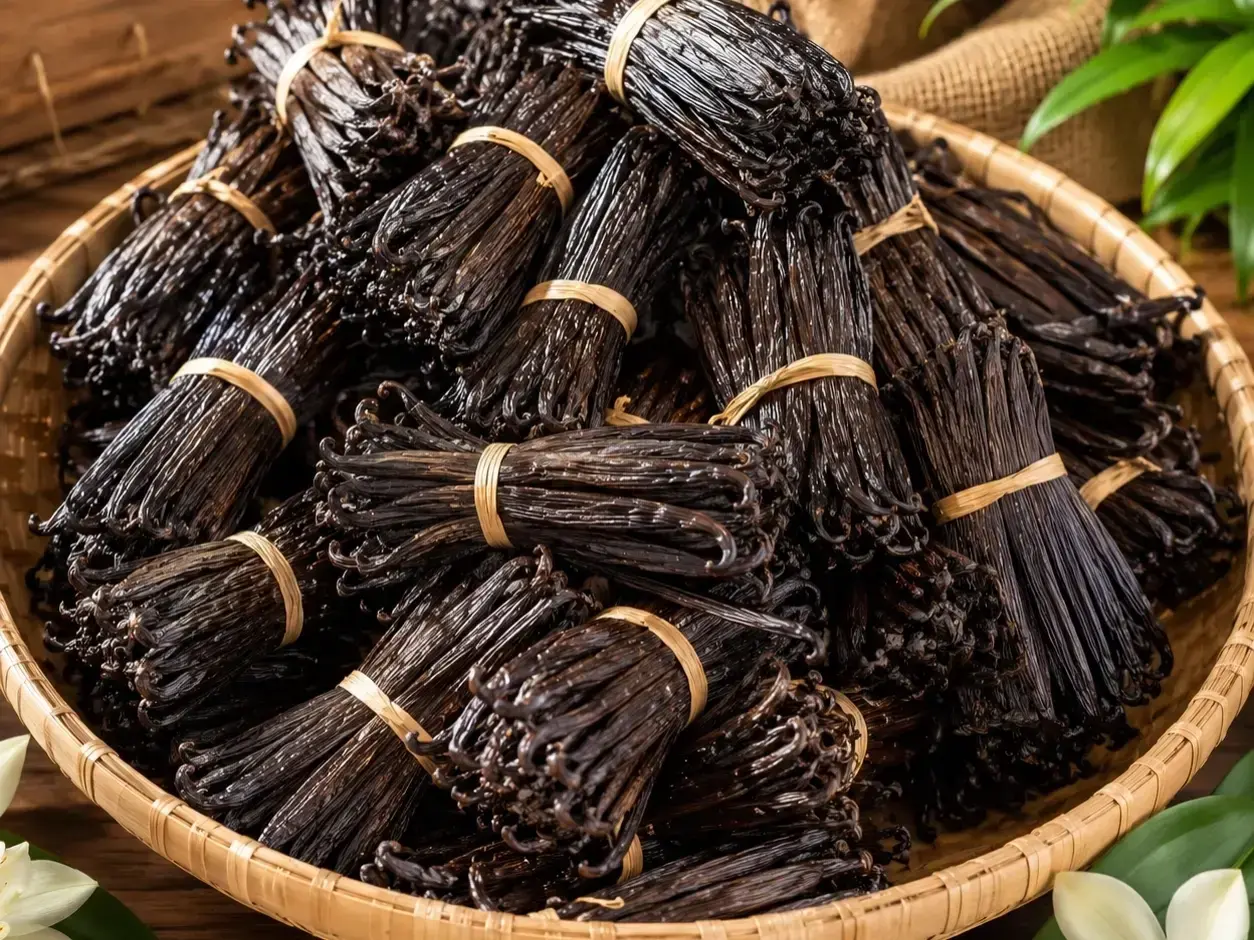
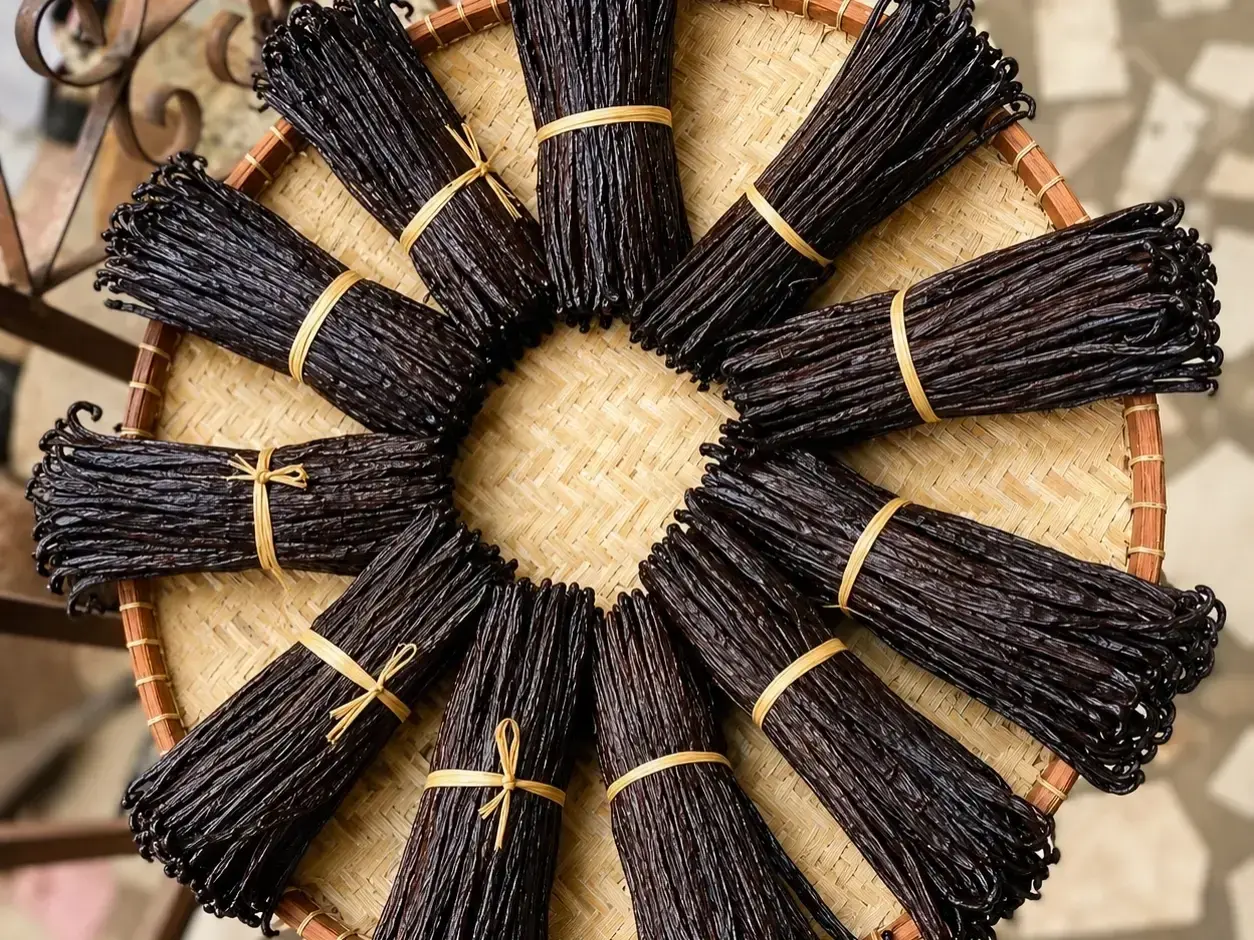
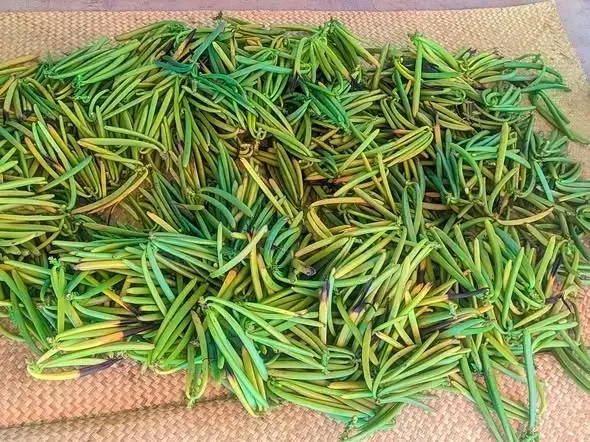
Got a split vanilla lot in the surrounding area that needs clearer batch records, export documents, or sample prep? Get in touch and we’ll map the next step.
Contact our export team to request samples, access the buyer portal, or get a certified export quote.
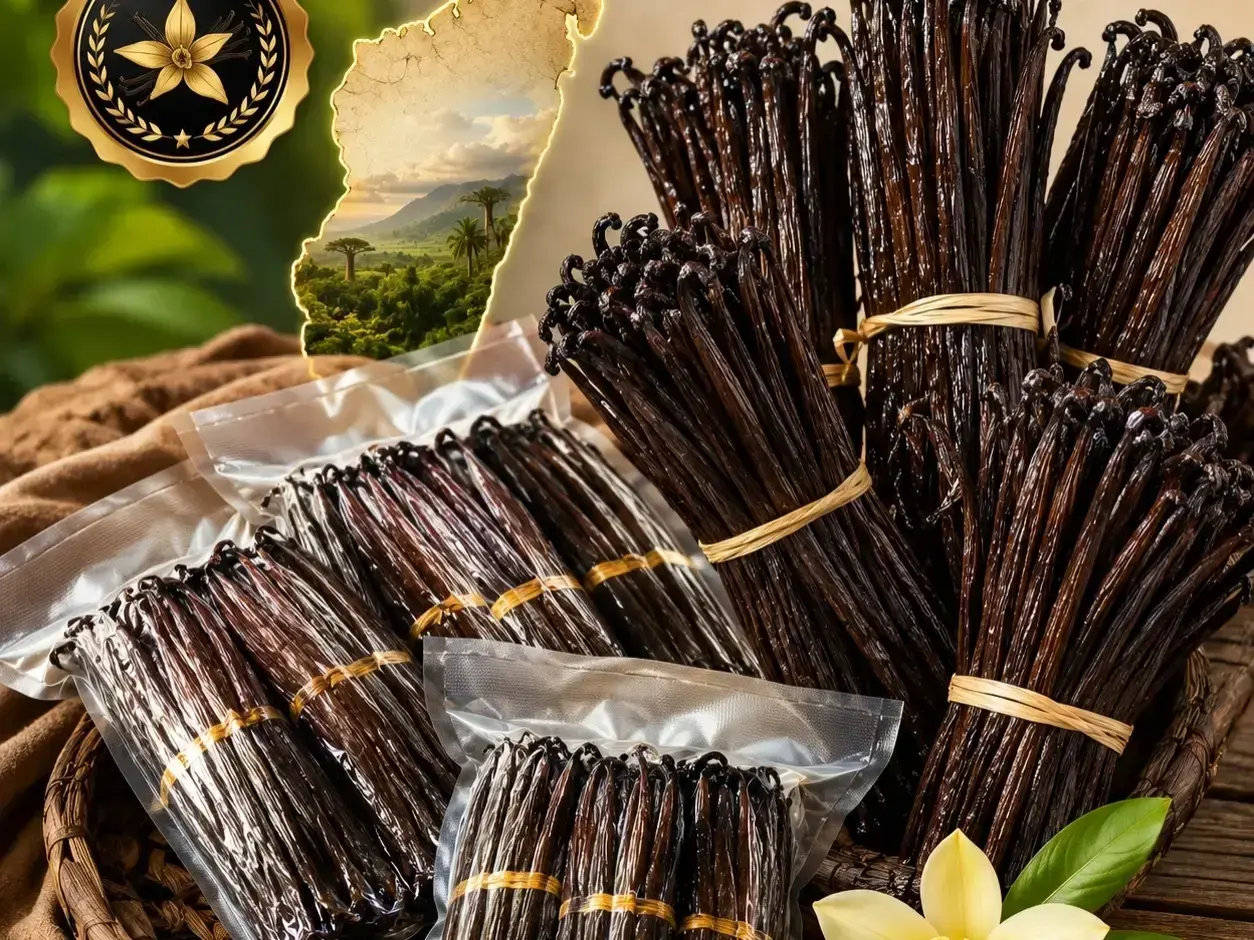
A buyer in Ambanja, Madagascar received a split vanilla lot from another provider, but the batch notes were thin and the grading was unclear. That kind of gap can slow buyer review and create avoidable questions about origin and export fit. Vanillababa would re-sort the lot, attach traceability details, and prepare the export paperwork before any sample leaves the source side.
A sourcing manager in Ambanja, Madagascar is comparing split vanilla providers and wants to know what actually differs beyond the price. The real split is usually batch traceability, document readiness, and how well the lot matches export buyer expectations. We’d walk through each lot’s cure state, grade notes, and sample format so the decision stays grounded in facts.
A processor in Ambanja, Madagascar wants scope clarity before committing because the available split vanilla sits in several small lots. Access, lot condition, and document readiness all shape how the work should be planned. We’d map the batches, identify what can move now, and separate what still needs sorting or curing.