
Lot Scoping and Sample Match in Ambanja
We start with a lot-scoping check that connects the sample, cure stage, and buyer spec. That matters in the surrounding area because harvest timing can change which beans are ready first.
Ambanja’s vanilla districts rely on careful grading, moisture control, and clean export paperwork. Buyers need lots that match the sample and clear batch records.
Ambanja sits inside Madagascar’s main vanilla zone, so buyers watch grading, curing, and paperwork closely. Rain changes can affect drying windows, and that matters for bean condition. We handle Black Bourbon Vanilla with batch notes, sample checks, and export document preparation.
That process helps buyers compare lots from Antsiranana-side supply routes, inland curing points, and the Ambanja area without confusion. The result is cleaner approval, fewer document gaps, and a lot that fits the buyer’s spec. For Vanilla Export, that usually matters more than flashy promises.

Black Bourbon Vanilla in Ambanja gives buyers access to a strong vanilla-growing region.
In Ambanja, Batch records make Vanilla Export decisions easier when buyers compare lots.
Local curing conditions in the local market can support better bean consistency when handled well.
In Ambanja, Clean documentation helps reduce hold-ups during export review.
In Ambanja, Sample orders make it easier to test aroma and grade before bulk approval.
Multi-region sourcing gives buyers a backup path when one harvest area is uneven.
Vanillababa provides comprehensive Black Bourbon Vanilla in this region. Here's what you get:
We start with a lot-scoping check that connects the sample, cure stage, and buyer spec. That matters in the surrounding area because harvest timing can change which beans are ready first.
Next we map the batch record so the approved sample and the export lot stay linked. This reduces confusion when multiple curing points feed the same Ambanja order.
We compare the bean condition against the requested grade and note any handling issues before approval. In wetter stretches around Ambanja, that step helps prevent late surprises.
We prepare the paperwork while the lot is still being finalized, so there’s less delay at shipment stage. That keeps Ambanja buyers from losing time on avoidable document fixes.
The wetter months in the area can slow drying and change bean handling needs. Buyers who plan around that season usually get smoother approval, because the lot has more time for proper curing and record checks.
Ambanja supply can move fast during harvest, so batch control matters. We keep lots tied to traceable records, which helps buyers verify what they approved.
Ambanja buyers often need documents ready before a lot leaves the region. We prepare the export file early, and we won’t dress up missing paperwork as a minor issue.
Ambanja orders work better when the sample gets checked before bigger volume moves. That approach cuts down on mismatches in aroma, length, and cure stage.
Ambanja sits within a wider vanilla network, so one area alone shouldn’t carry every order. We map supply across Madagascar when the buyer needs steadier lot flow.
If Black Bourbon Vanilla isn’t the right match for a buyer’s spec, we say so. That honesty helps Ambanja buyers avoid weak approvals and avoidable rework.
A buyer needed Black Bourbon Vanilla in Ambanja, but the sample details did not match the larger lot notes. The risk was approving the wrong batch for export review.
We tied the sample to batch records, checked cure stage notes, and rebuilt the document set around the approved lot. That kept the export file aligned with the beans the buyer had already seen.
The buyer could move forward with a clearer lot match and less back-and-forth. The approval path became easier to follow.
Outcome described without fabricated numbers.
A curing operation in Ambanja faced slower drying after wetter weather. That created tension between lot readiness and export timing.
We separated the lot by batch, checked moisture-related handling notes, and prepared export documents as soon as the approved beans were ready. This kept the buyer informed while the curing pace settled.
The shipment stayed organized, and the buyer got a cleaner handoff from curing to export. The process reduced confusion around which beans were ready.
Outcome described without fabricated numbers.
Vanillababa ensures every Black Bourbon Vanilla order meets the highest standards—from sourcing through delivery. Here is what guides our process.
Every batch of Black Bourbon Vanilla is inspected and graded before it leaves our facility, so you receive exactly what was agreed.
Complete documentation—origin certificates, quality reports, and shipping details—accompanies every order.
Dedicated communication throughout the process—from initial inquiry to confirmed delivery at your destination.
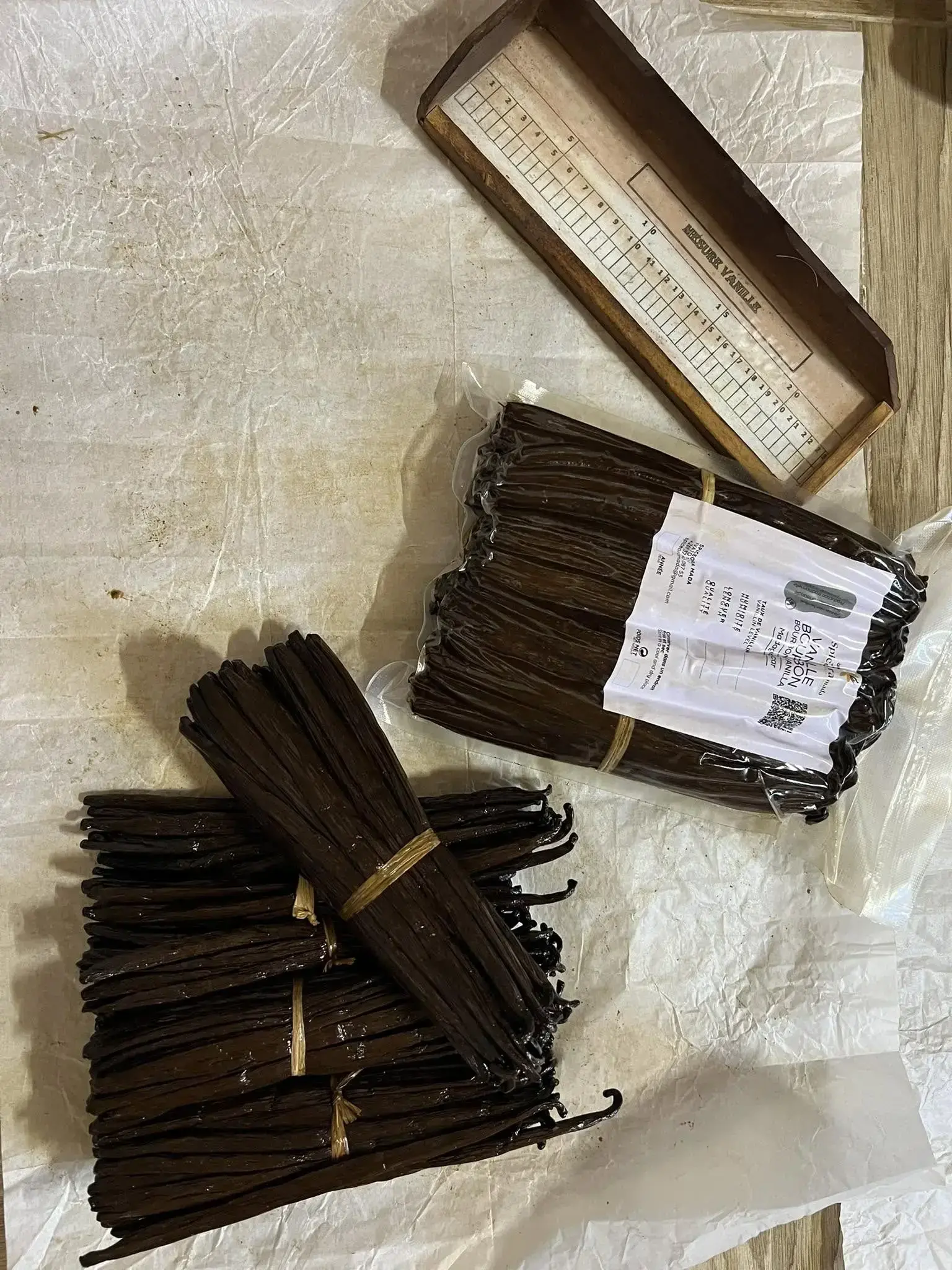
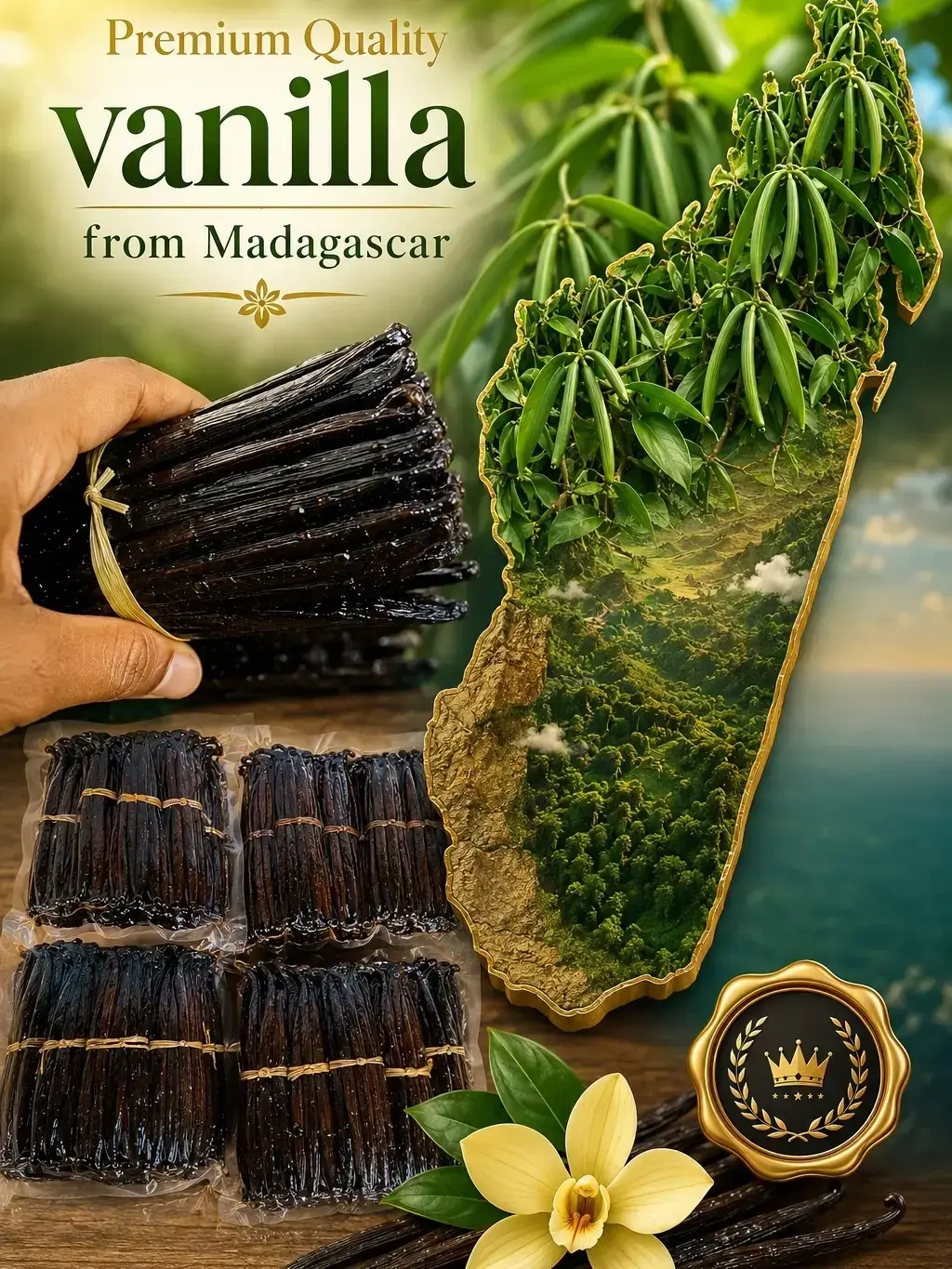
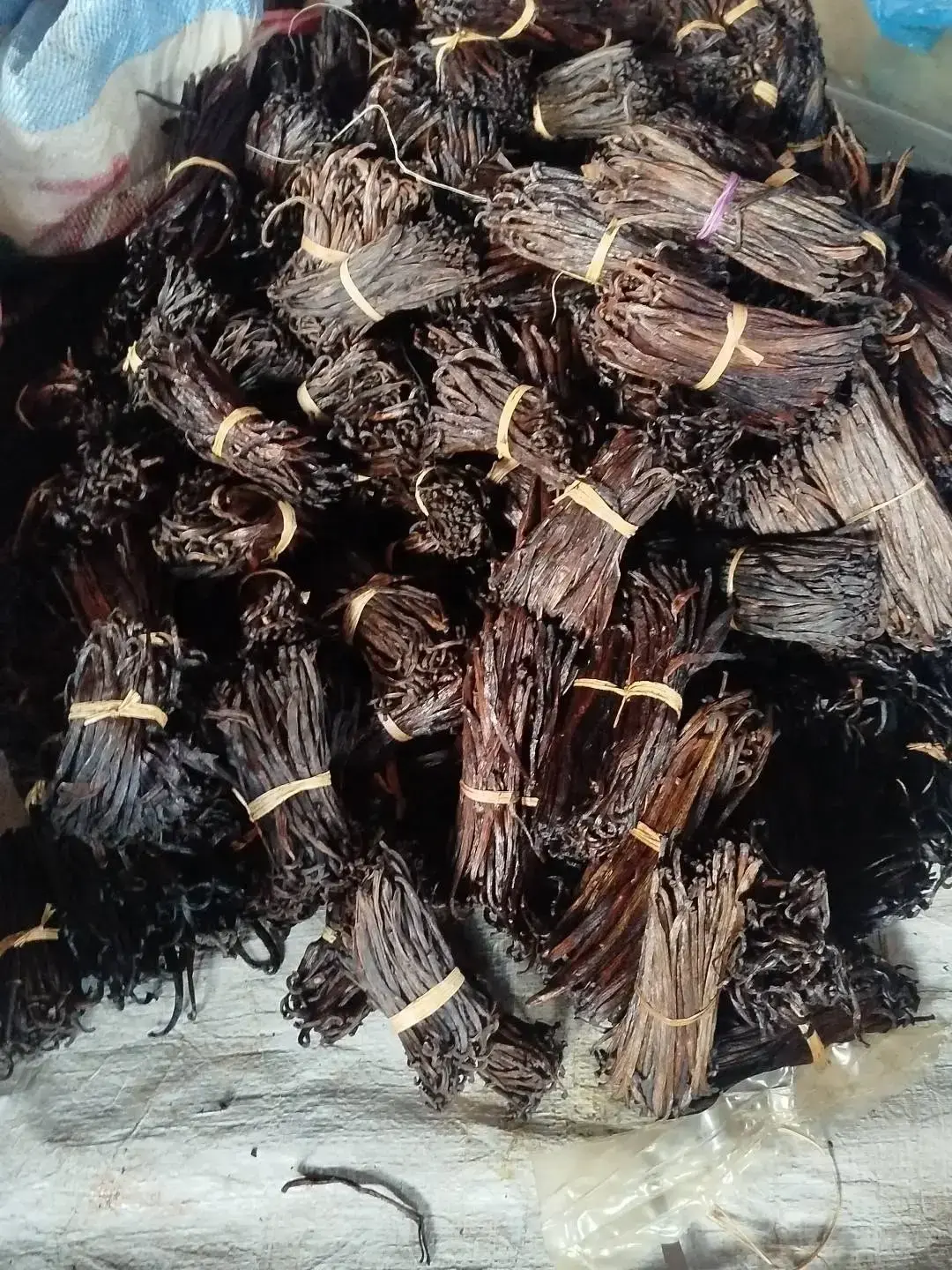
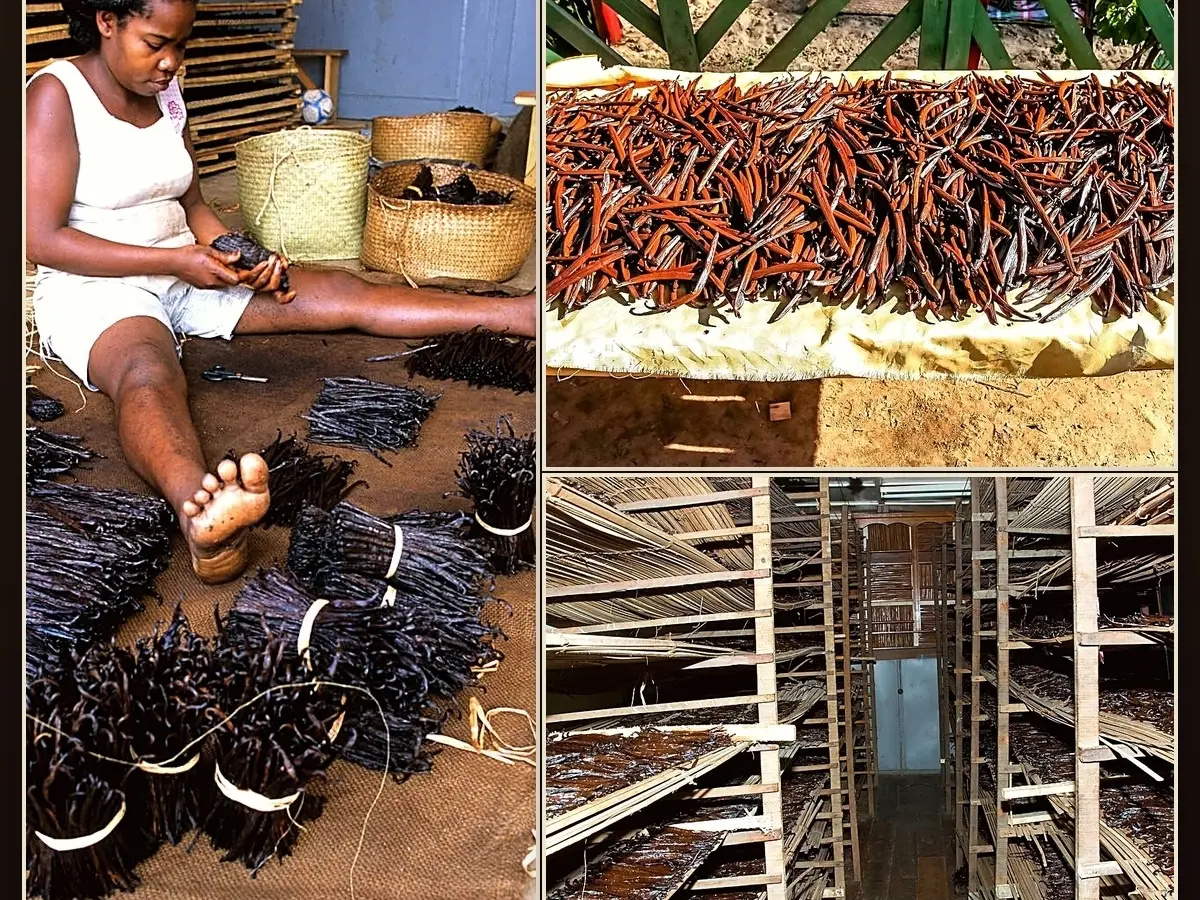
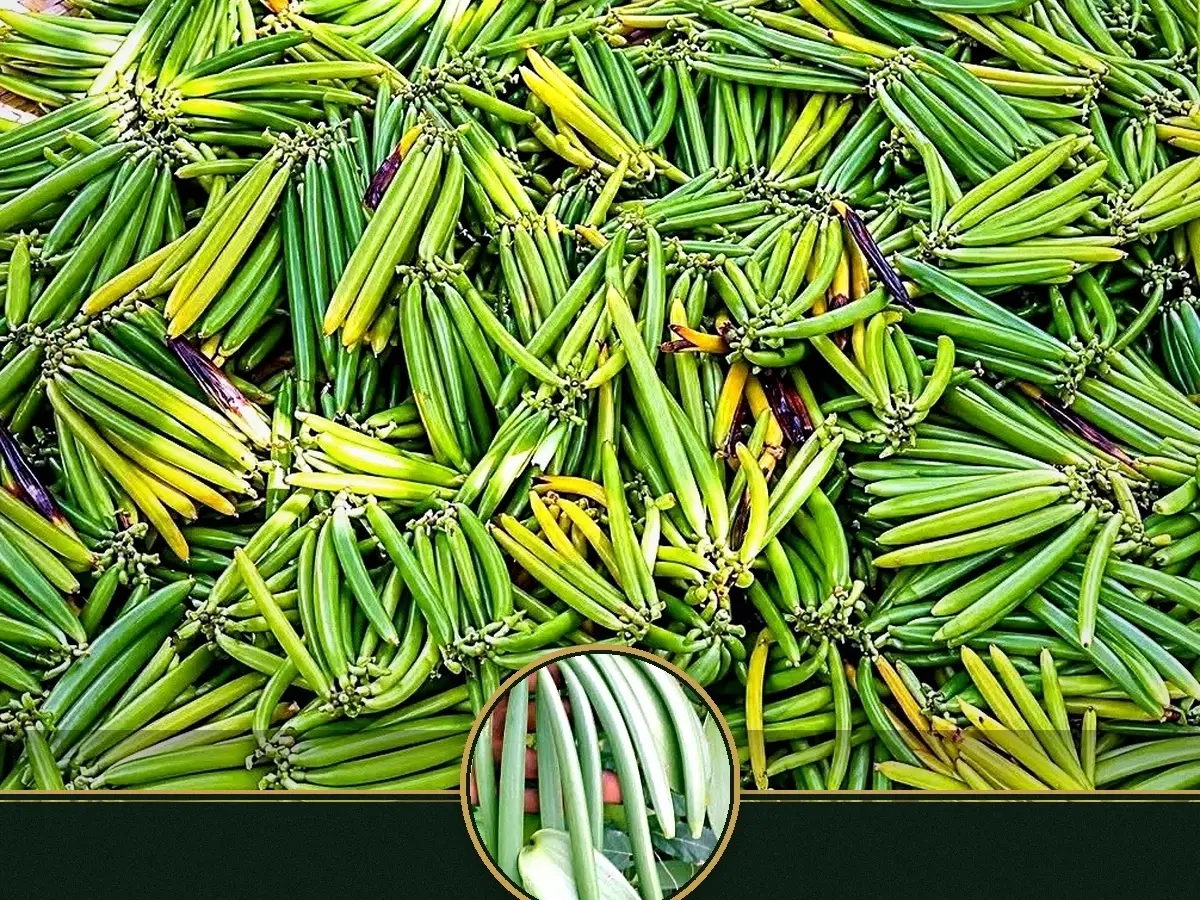
Ambanja harvest timing can change how fast a lot is ready, so it helps to align the sample, batch record, and export file now.
Contact our export team to request samples, access the buyer portal, or get a certified export quote.
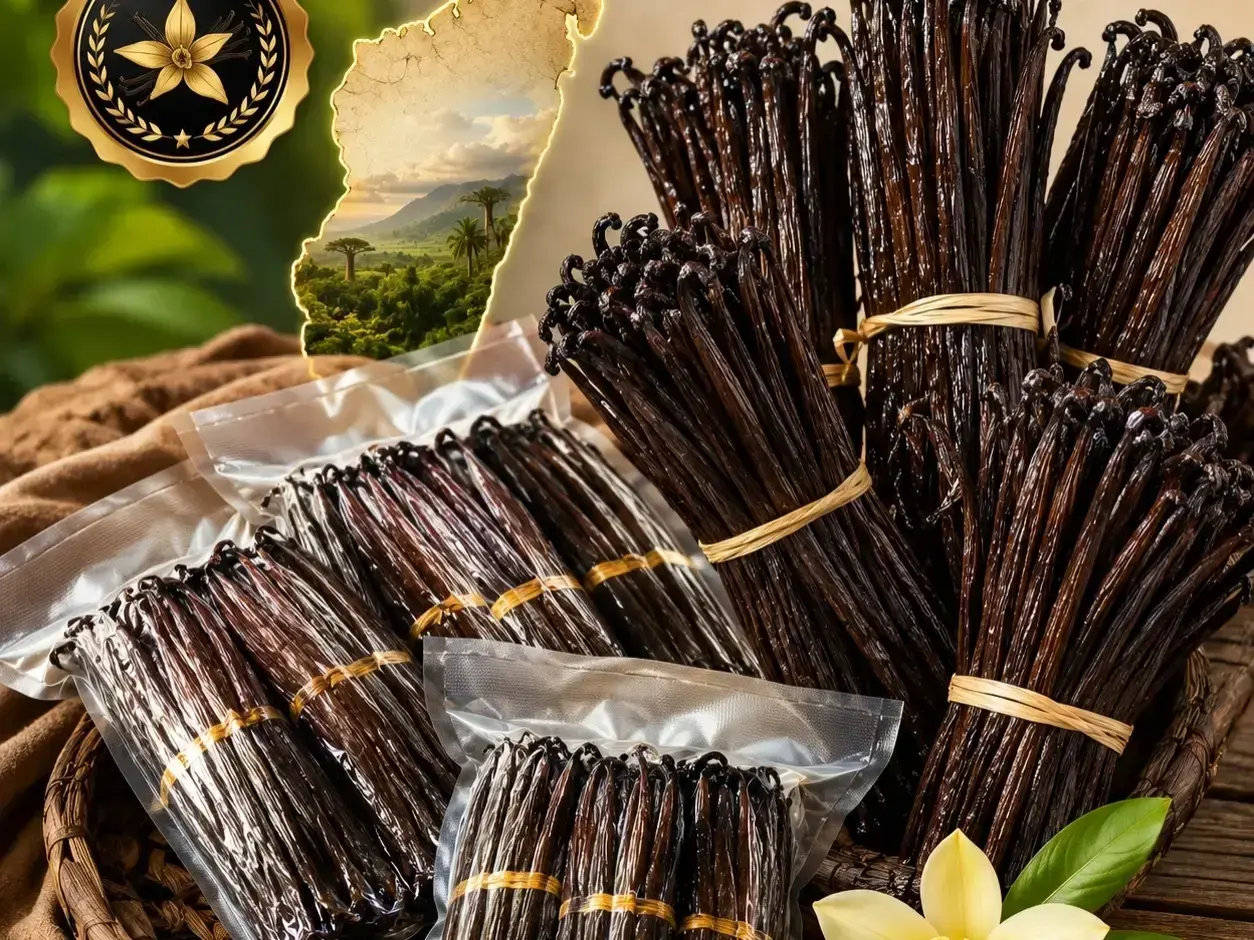
A buyer in Ambanja, Madagascar may need confidence that the lot, sample, and documents all match before committing. That matters most when the beans will cross borders and the buyer can’t inspect everything in person. Vanillababa can align batch notes, grade details, and export paperwork so the approval step is cleaner.
A curing site near Ambanja, Madagascar can create access limits during heavy rain or busy harvest periods. That affects how quickly beans move into grading and document prep. We look at the lot path, note any handling bottlenecks, and keep the export file aligned with the actual batch movement.
A procurement lead in Ambanja, Madagascar may see two offers that look similar on paper but feel very different in practice. The real difference usually sits in traceability, sample quality, and whether the exporter explains the cure stage clearly. We spell out those points so the buyer can compare suppliers with less guesswork.