
Lot Mapping & Source Verification in Ambilobe
We start with batch mapping and source verification so each lot keeps its identity. That step helps in Ambilobe, where supply can come through different farm routes and storage points.
Ambilobe growers work through harvest swings, road conditions, and buyer checks. We shape each vanilla export order for that reality.
Ambilobe buyers often deal with farm pickup issues, curing timelines, and road travel that can change lot readiness. Those details matter more here than in a simple warehouse market. Vanillababa aligns Vanilla Export work with batch notes, sample requests, and export papers before lots move.
The team keeps the process tied to Ambilobe collection patterns, so buyers see fewer surprises. Around central Ambilobe, supply flow can differ from outlying farm routes and market-side storage points. That changes how fast lots are checked, packed, and prepared for China-bound shipment.
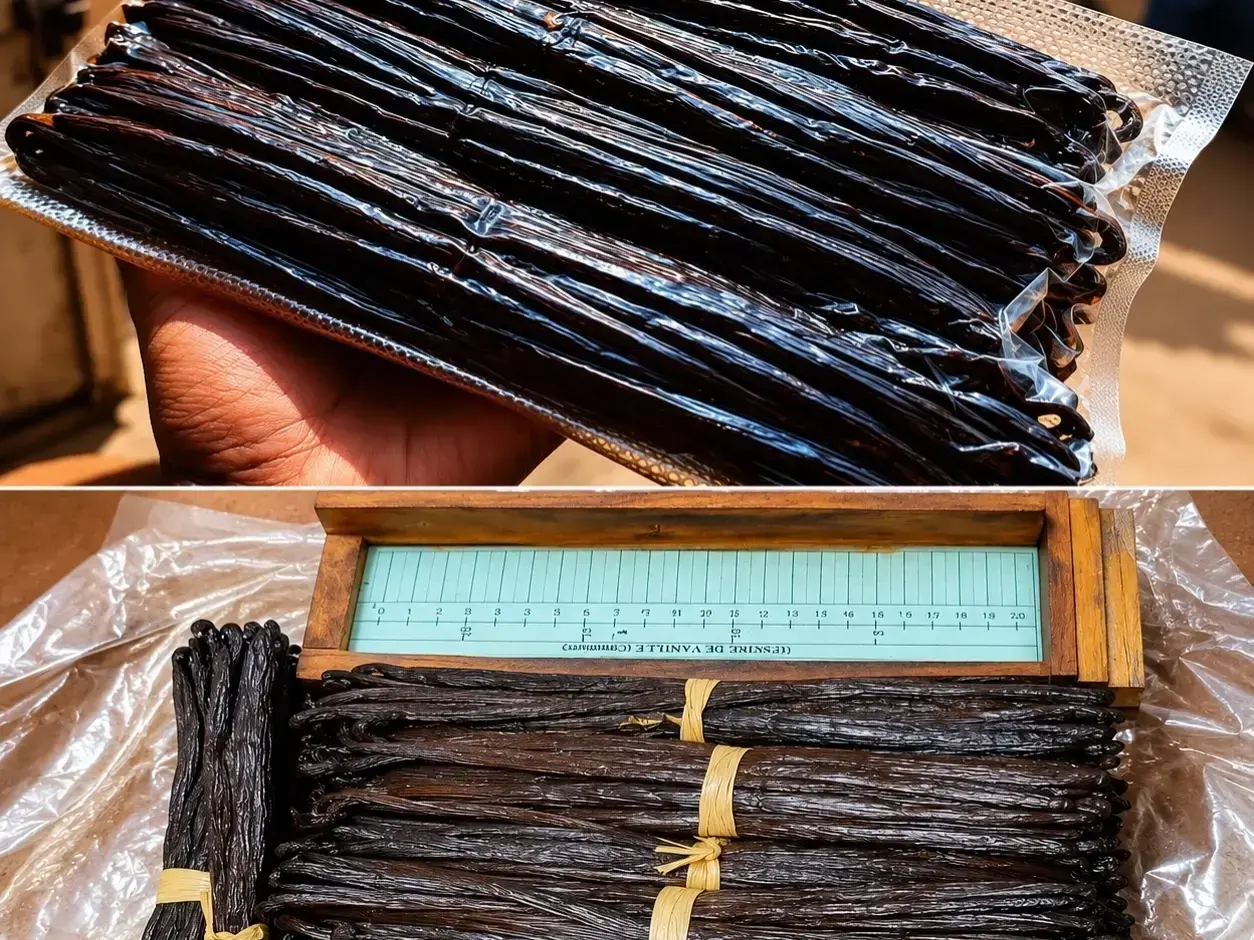
Vanillababa provides comprehensive Export vanilla to China in Ambilobe. Here's what you get:
Ambilobe supply often moves through mixed farm access and uneven handling points. We keep lot identity intact from first sample through export documents.
China buyers often want to compare grades before they commit. Our sample order process helps Ambilobe sellers avoid sending the wrong lot format.
Road conditions around this region can affect pickup timing and lot readiness. We plan collection with that in mind, so curing and packing stay aligned.
In Ambilobe, We won’t push Vanilla Export if the lot isn’t ready for China-bound specs. If the grade, moisture, or paperwork is off, we say so plainly.
In Ambilobe, China-bound shipments need careful document handling and clean lot records. We keep that work tied to the actual batch, not to a loose sales promise.
Export vanilla to China in Ambilobe needs more lot discipline than a generic trading route. Road access, farm spread, and curing flow can shift how fast a batch is ready, so the process has to stay flexible.
That’s different from broader market setups where stock sits in one place. Here, batch traceability and document order matter from the start.
We start with batch mapping and source verification so each lot keeps its identity. That step helps in Ambilobe, where supply can come through different farm routes and storage points.
We use grading criteria and moisture checks before we move a lot into export prep. In the local heat and travel conditions, that keeps the lot closer to buyer spec.
In Ambilobe, We prepare sample orders against the buyer’s format before any full shipment commitment. That reduces mismatch risk for China buyers who compare aroma, grade, and pack style.
We assemble export documentation with the batch record, buyer details, and shipment data. This step matters in the surrounding area because loose paperwork can slow movement after collection.
You can compare lots from the area with cleaner batch records.
In Ambilobe, You get fewer surprises from curing differences across farm routes.
In Ambilobe, China-bound buyers can review samples before shipment decisions.
Export paperwork is prepared around Ambilobe collection timing.
Pre-harvest planning helps steady supply across the local season.
In Ambilobe, Buyer portal access keeps order status easier to follow.
Vanillababa ensures every Export vanilla to China order meets the highest standards—from sourcing through delivery. Here is what guides our process.
Every batch of Export vanilla to China is inspected and graded before it leaves our facility, so you receive exactly what was agreed.
Complete documentation—origin certificates, quality reports, and shipping details—accompanies every order.
Dedicated communication throughout the process—from initial inquiry to confirmed delivery at your destination.
A buyer needed a China-bound vanilla lot from Ambilobe, but the first records were incomplete. The batch also came from more than one collection point, so the paper trail had gaps.
We rebuilt the lot map, matched each batch to its source, and prepared the export file set before any sample moved. The work followed standard traceability steps used in vanilla export, with the buyer portal used for document review.
The buyer received a cleaner lot package and could compare the sample against the records with less confusion.
Outcome described without invented figures.
A supplier in the local market had uneven readiness across farm areas and wanted steadier China-facing supply. Road access and curing timing made the schedule hard to hold.
We used pre-harvest contracts, batch tracking, and sample orders to line up future lots. That let the client separate ready material from later arrivals and keep the export path organized.
The supply plan became easier to follow, and the client had a clearer path from farm to shipment.
Outcome described without fabricated statistics.
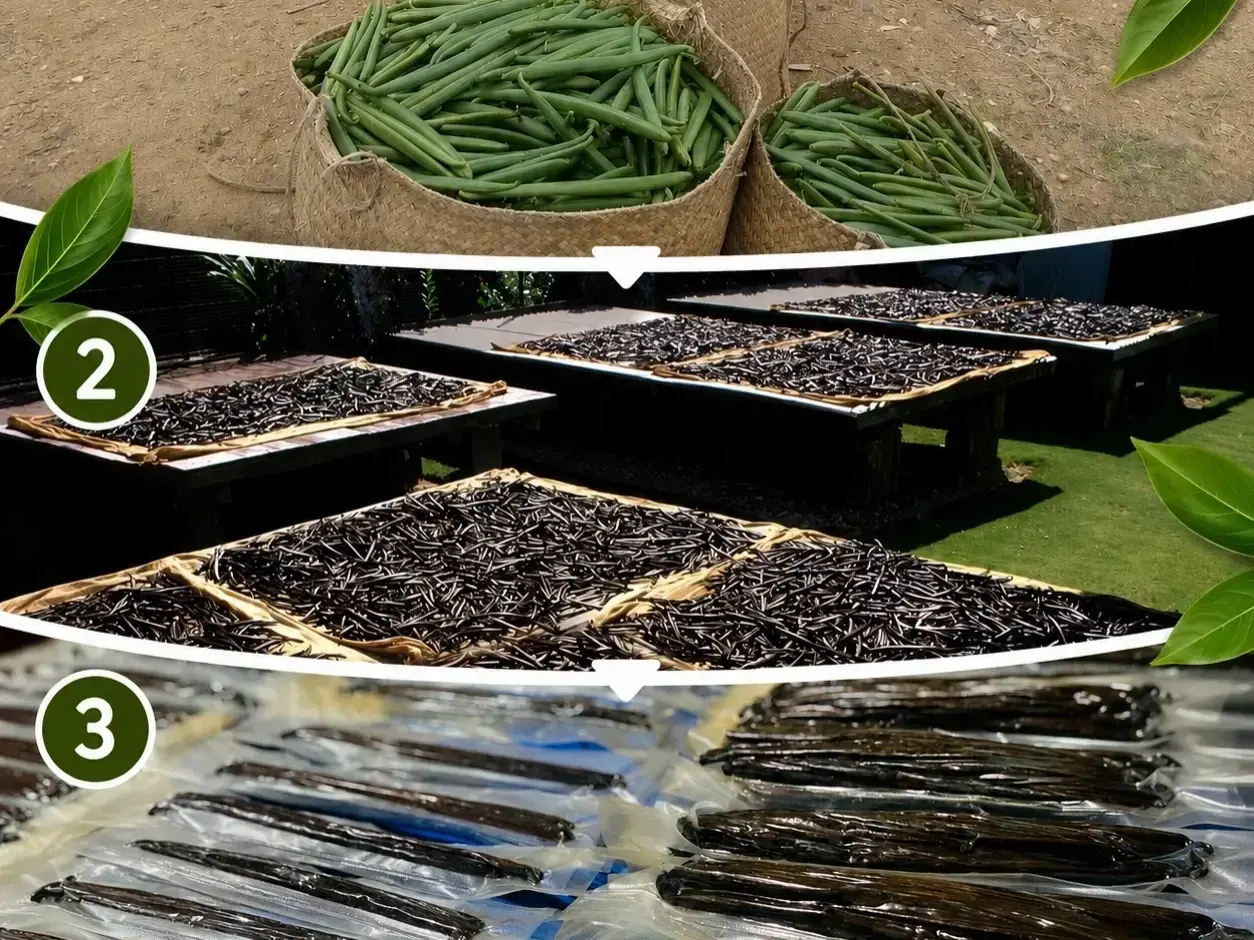
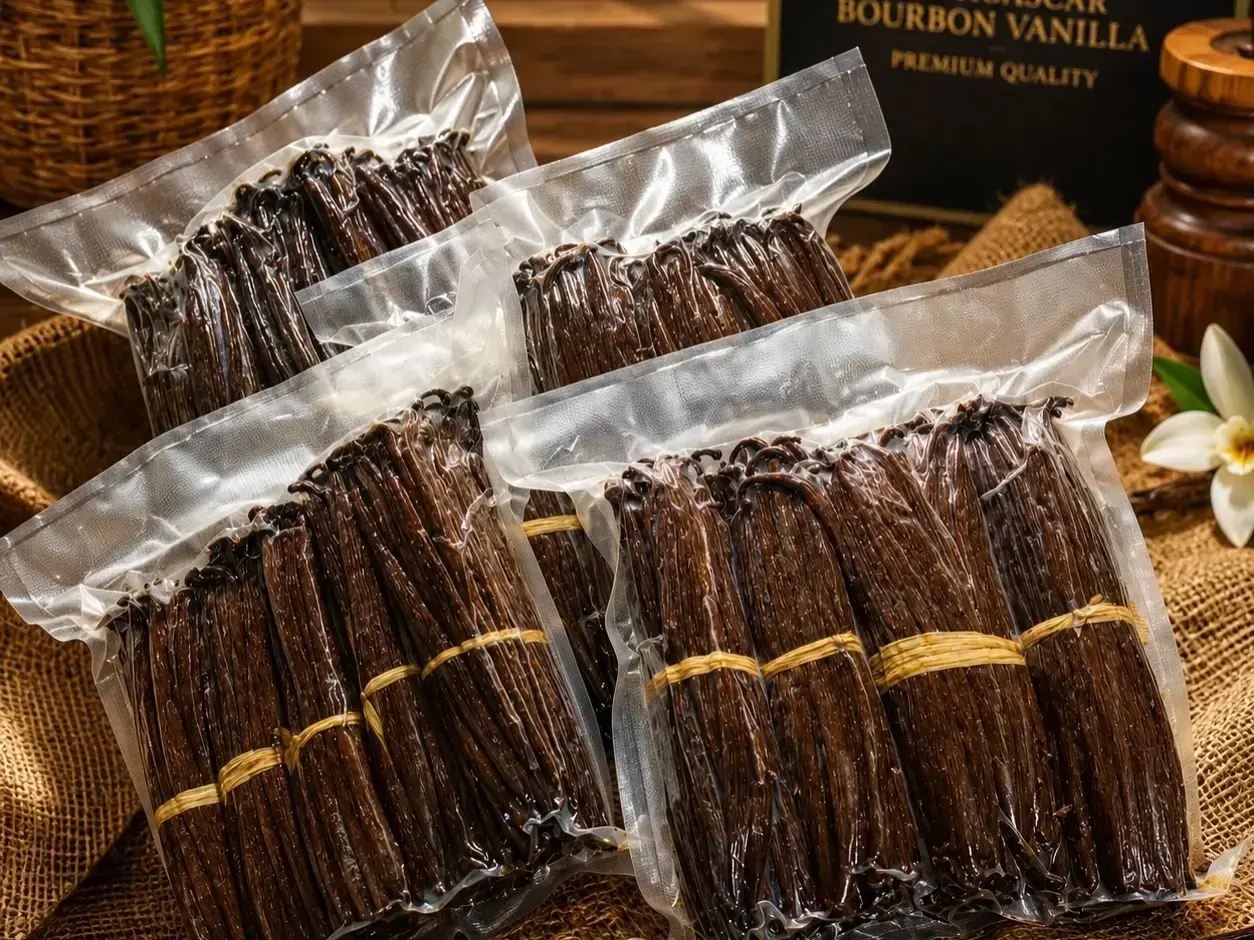
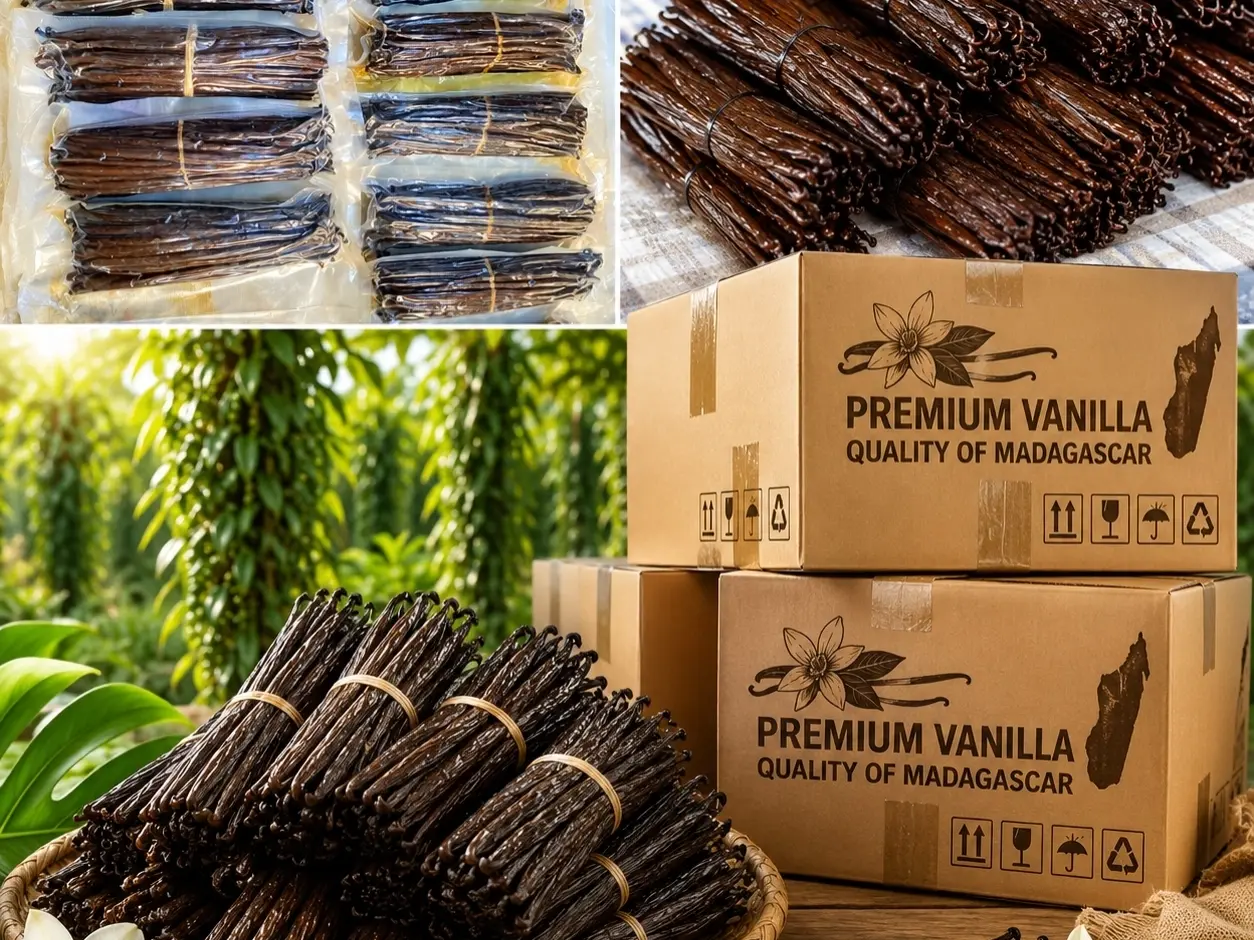
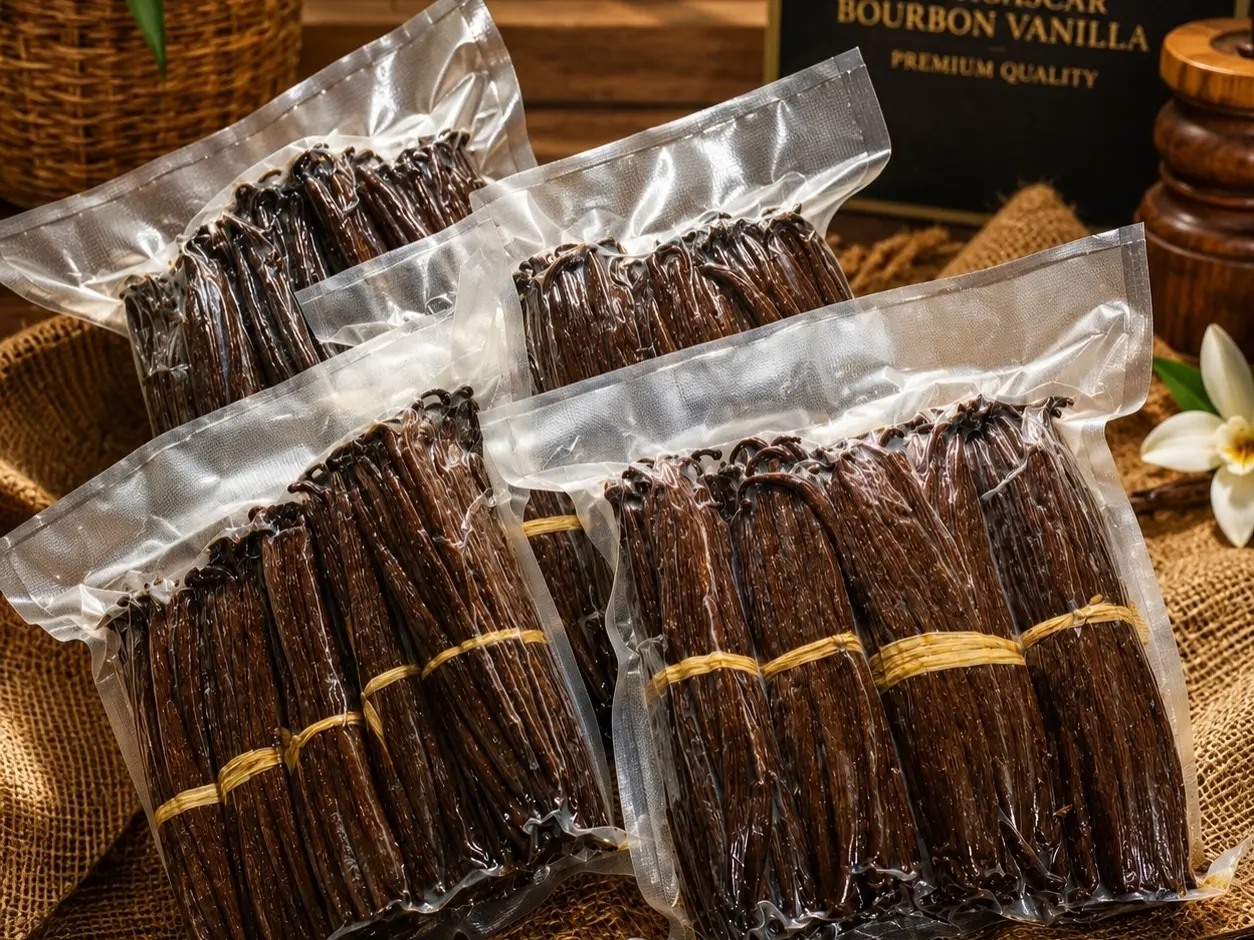
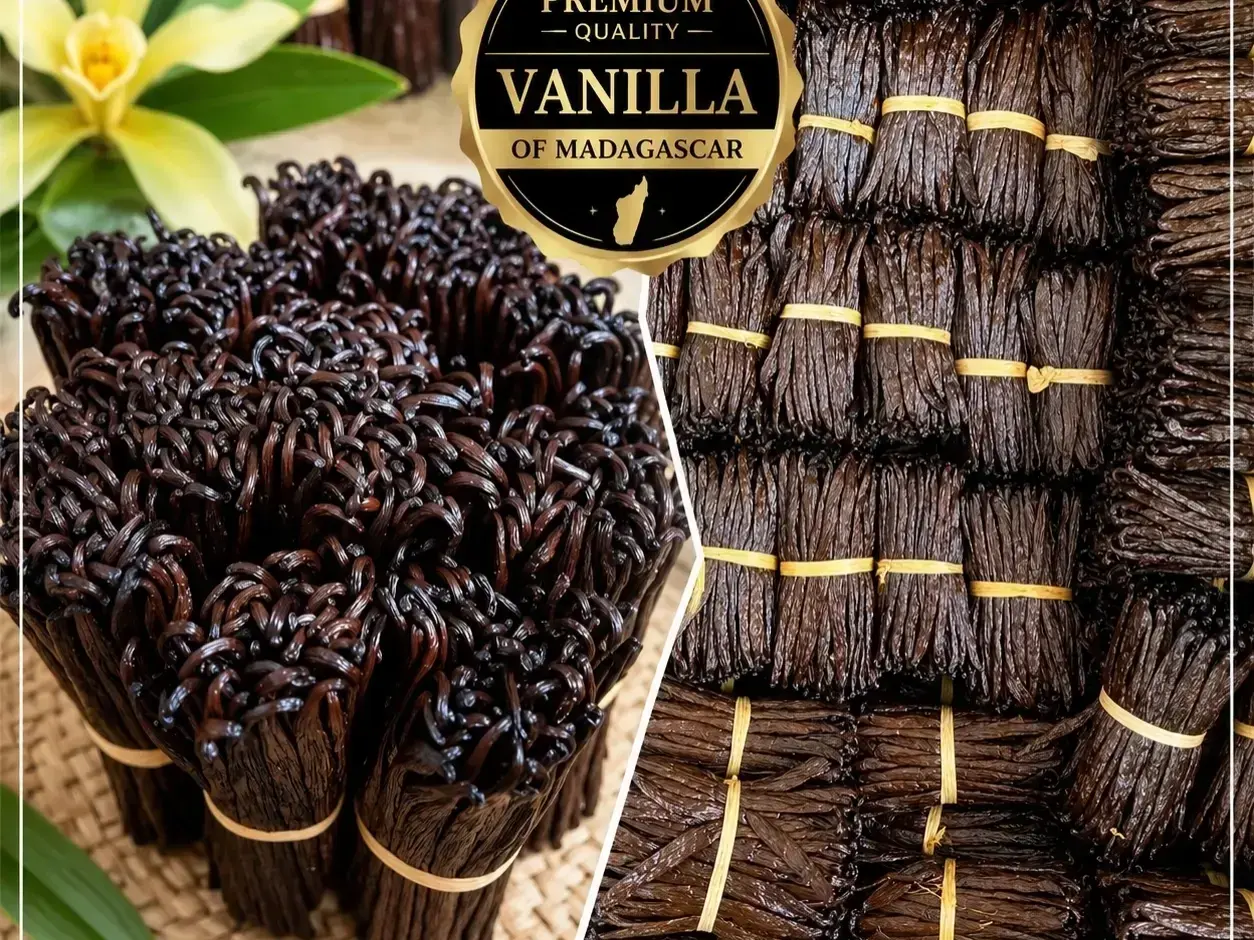
Ambilobe buyers often face uneven lot timing and road-linked delays, so early batch planning keeps China-bound export work clearer.
Contact our export team to request samples, access the buyer portal, or get a certified export quote.
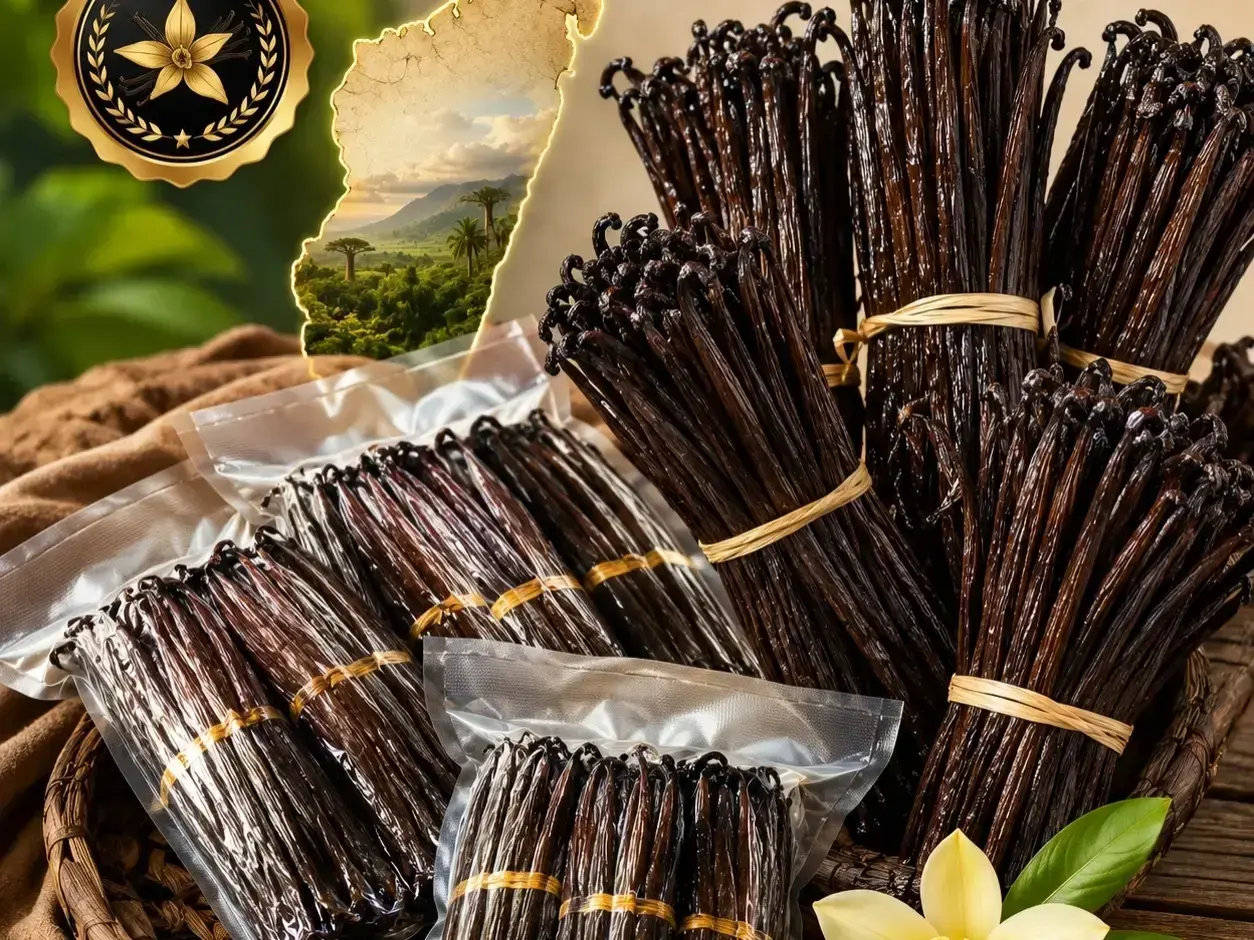
A previous provider left a China-bound lot half explained, and that creates real risk in Ambilobe, Madagascar. Vanillababa would check the batch record, curing stage, and sample trail first, then line up the export papers before anything moves. That helps avoid a second round of confusion when the buyer asks for proof.
A buyer in Ambilobe, Madagascar may be comparing two sellers and wants to know what truly separates them. The difference often sits in traceability, sample handling, and how well the lot matches China-bound specifications. We’d map the grades, the pack format, and the document set so the choice is clearer.
Capacity and timing matter when a buyer in Ambilobe, Madagascar wants to commit before harvest. We’d review the lot source, expected curing stage, and the export file set, then explain what’s ready and what still needs work. That keeps the decision grounded in the actual batch, not guesswork.