
Lot Intake and Source Check in Ambilobe
We start with a lot intake sheet and source notes for the Grade B Vanilla batch. This step helps separate one Ambilobe lot from another, which matters when farms and pickup routes vary.
Ambilobe growers move product through a long harvest season, so batch control matters. You’ll get Grade B Vanilla that fits export work and buyer checks.
Ambilobe sits in Madagascar’s vanilla belt, so buyers often deal with harvest timing, curing differences, and road movement that can slow handoffs. Those issues matter more when a lot needs Grade B Vanilla records for export review. Vanillababa keeps the process practical.
We sort by batch, match sample orders to real supply, and keep export documents tied to the lot so buyers can check details early. Around Ambilobe town, the market, warehouse access, and roadside pickup points can create different handling needs. Central routes move faster, while outlying farm areas need tighter scheduling and clearer batch notes.
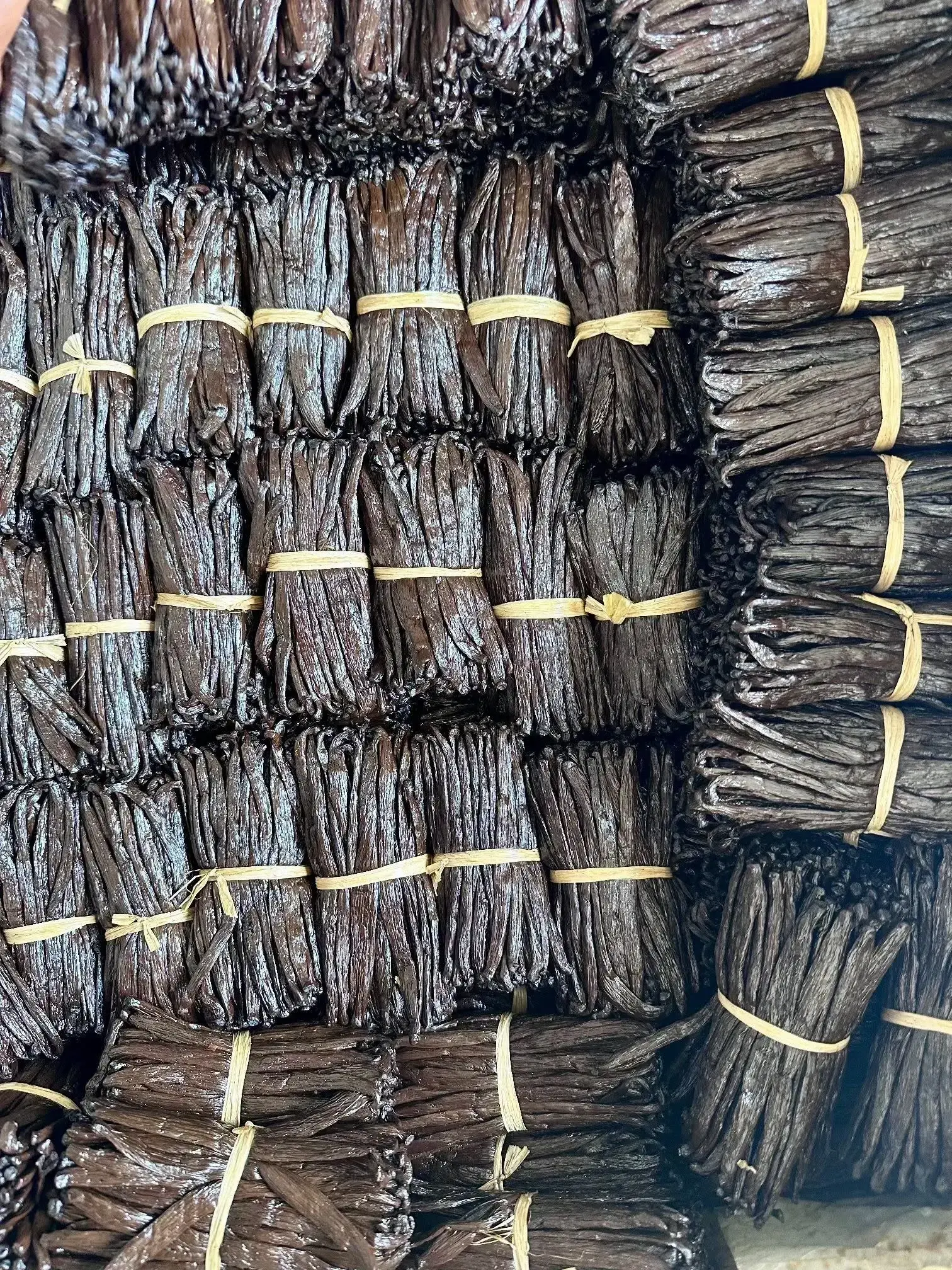
Cleaner batch records help Ambilobe buyers compare lots with less confusion.
In Ambilobe, Sample orders are easier to review when curing notes stay tied to each batch.
Road delays around Ambilobe become easier to manage when supply is planned early.
In Ambilobe, Export documents stay aligned with the lot, which lowers avoidable hold-ups.
Pre-harvest planning helps buyers handle seasonal swings in Ambilobe supply.
Multi-region sourcing gives buyers a steadier path when one area slows down.
Vanillababa provides comprehensive Grade B Vanilla in this region. Here's what you get:
A buyer in Ambilobe needed Grade B Vanilla for an export order, but the first lot came through after a wet spell. The road from the growing area slowed pickup, and the buyer wanted batch proof before approving the shipment.
Vanillababa matched the lot to its curing notes and sample record, then kept the document trail tied to that batch. The buyer could review the supply from the surrounding area with less back-and-forth, and the order moved forward with a cleaner paper set.
Buyers in Ambilobe need to know which lot came from which curing run. We keep the batch record attached to the product, so the trail stays clear during review and export handoff.
Ambilobe road access can change pickup timing after rain or during busy haulage periods. We plan around that reality, so sample orders and bulk movements don't depend on guesswork.
In Ambilobe, We won't push Grade B Vanilla when the lot still needs more curing or sorting. If the product isn't ready for export review, we say so and protect the buyer from weak paperwork.
Some buyers need more than one growing area to keep a steady export line. We source across Madagascar and keep Ambilobe supply linked to the batch notes, so the lot history stays usable.
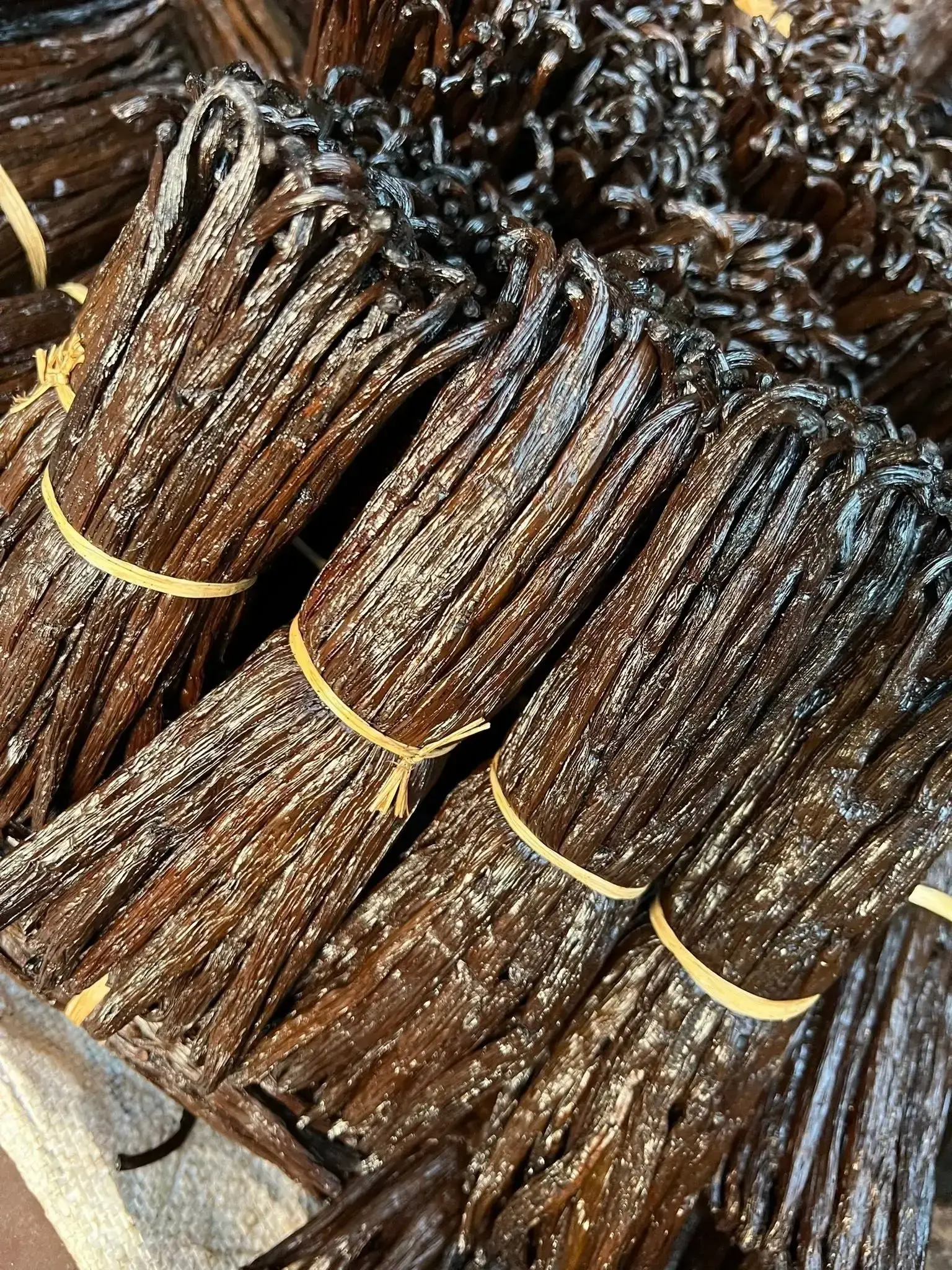
Ambilobe buyers often compare sample shape, moisture feel, and document fit before they commit. We keep those details organized, so the comparison is based on the same facts each time.
We start with a lot intake sheet and source notes for the Grade B Vanilla batch. This step helps separate one Ambilobe lot from another, which matters when farms and pickup routes vary.
We use curing records to confirm the batch still fits export review. In Ambilobe, weather swings and slower road movement can change timing, so matching the record early helps avoid later confusion.
We prepare the sample order from the exact batch the buyer will review. That keeps the Ambilobe buyer from judging one lot while paperwork describes another.
We assemble the export file with the batch details, buyer notes, and shipment documents. This step reduces avoidable questions when the lot leaves the area for international review.
A buyer in the local market had a Grade B Vanilla lot that arrived after uneven weather and slower road movement. The sample was usable, but the records were too loose for export review.
We matched the lot to its batch notes, checked the curing status, and prepared the export document set around that batch. The work stayed tied to the actual supply from Ambilobe, not a generic product file.
The buyer received a cleaner review packet and could move forward without rechecking every detail by hand.
Outcome described without fabricated numbers.
A customer wanted Grade B Vanilla from more than one growing area, but the records didn't line up well. That created confusion during sample review and shipment planning.
We separated each batch, kept its traceability notes intact, and organized the buyer portal entries so each lot stayed distinct. That made it easier to compare supply from this region with Other Madagascar sources.
The buyer could compare lots with less confusion and keep the export file organized.
Outcome described without fabricated numbers.
Vanillababa ensures every Grade B Vanilla order meets the highest standards—from sourcing through delivery. Here is what guides our process.
Every batch of Grade B Vanilla is inspected and graded before it leaves our facility, so you receive exactly what was agreed.
Complete documentation—origin certificates, quality reports, and shipping details—accompanies every order.
Dedicated communication throughout the process—from initial inquiry to confirmed delivery at your destination.
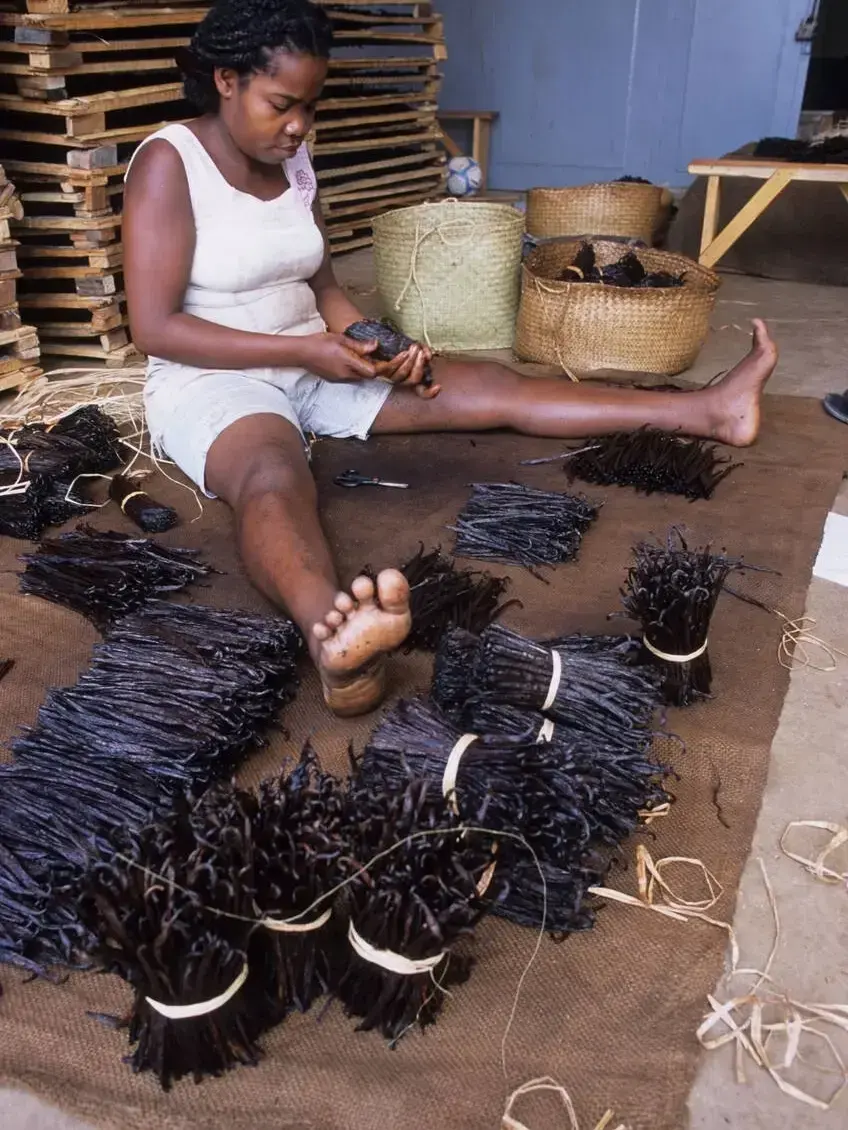
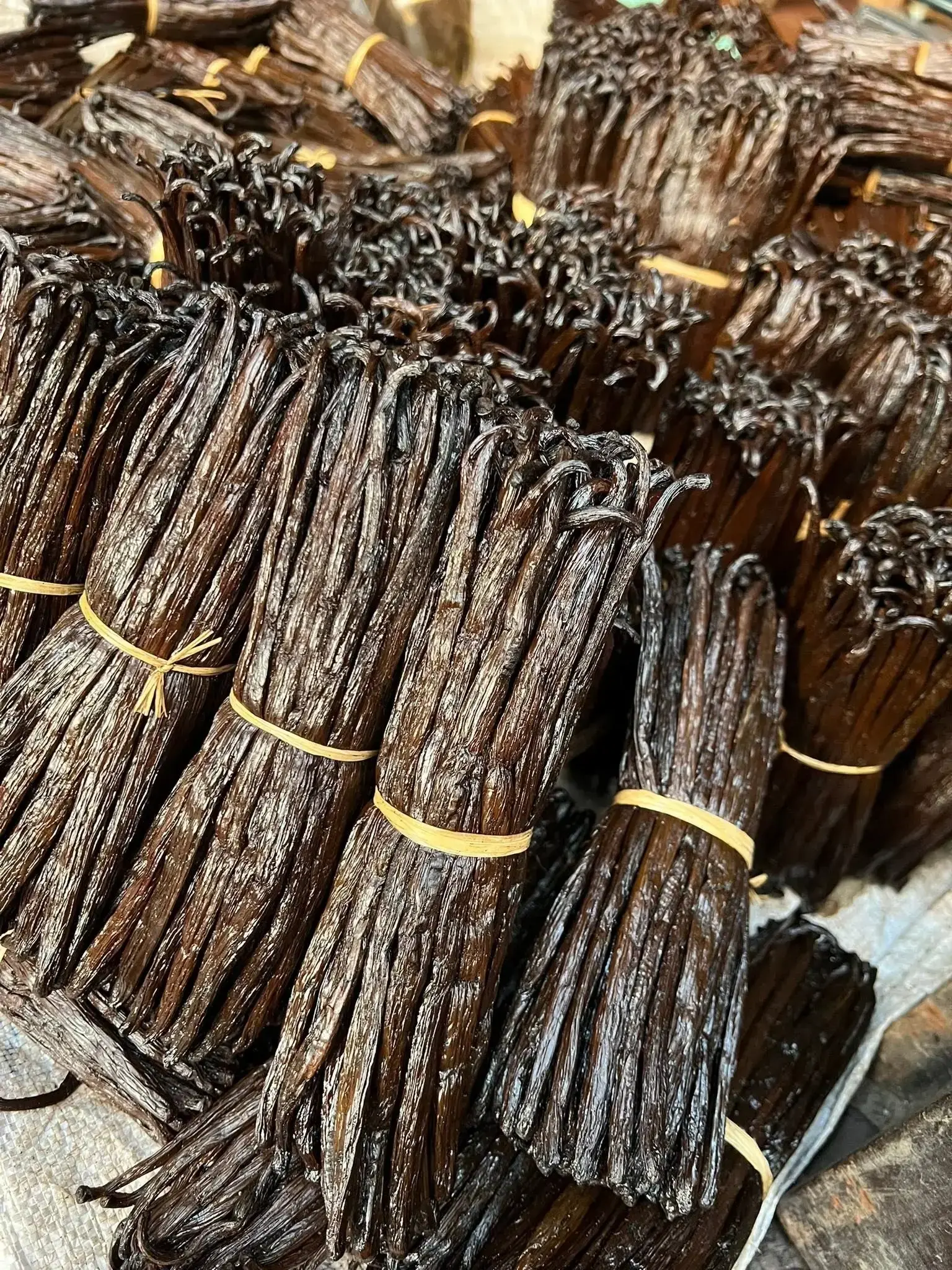
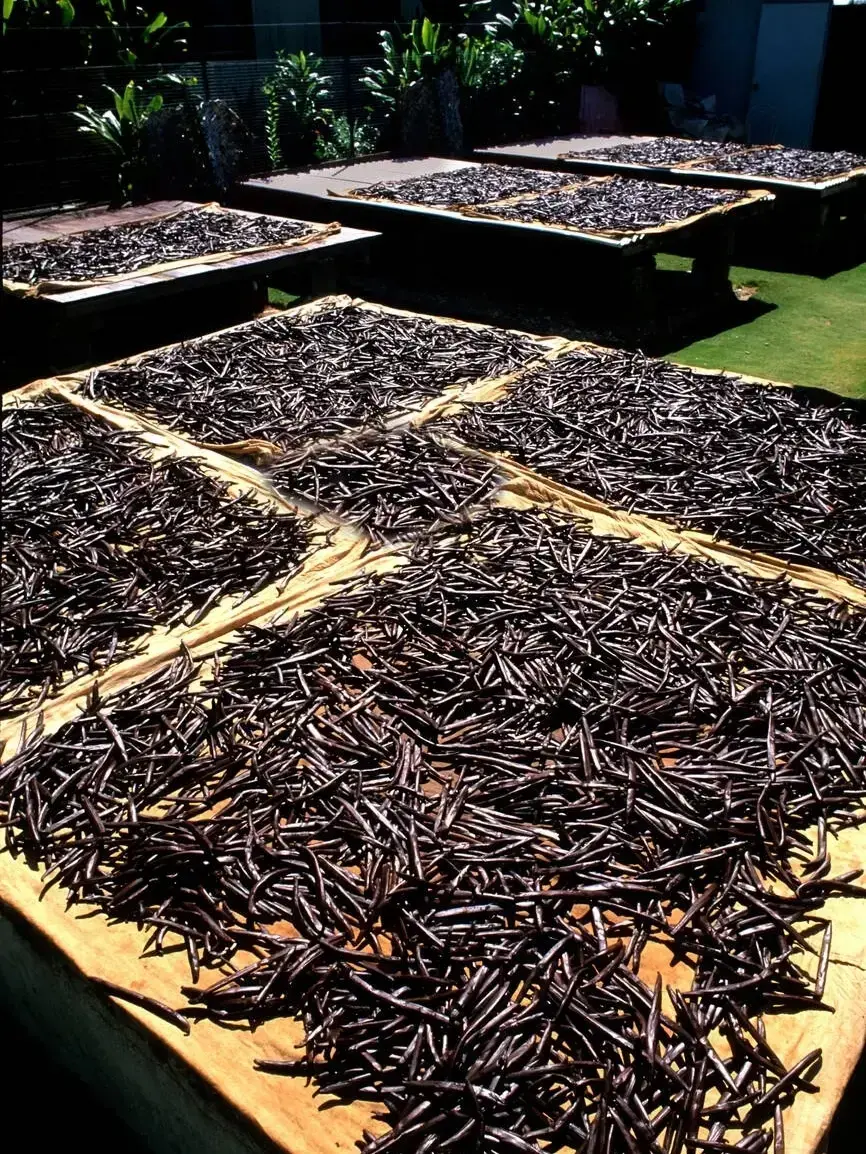
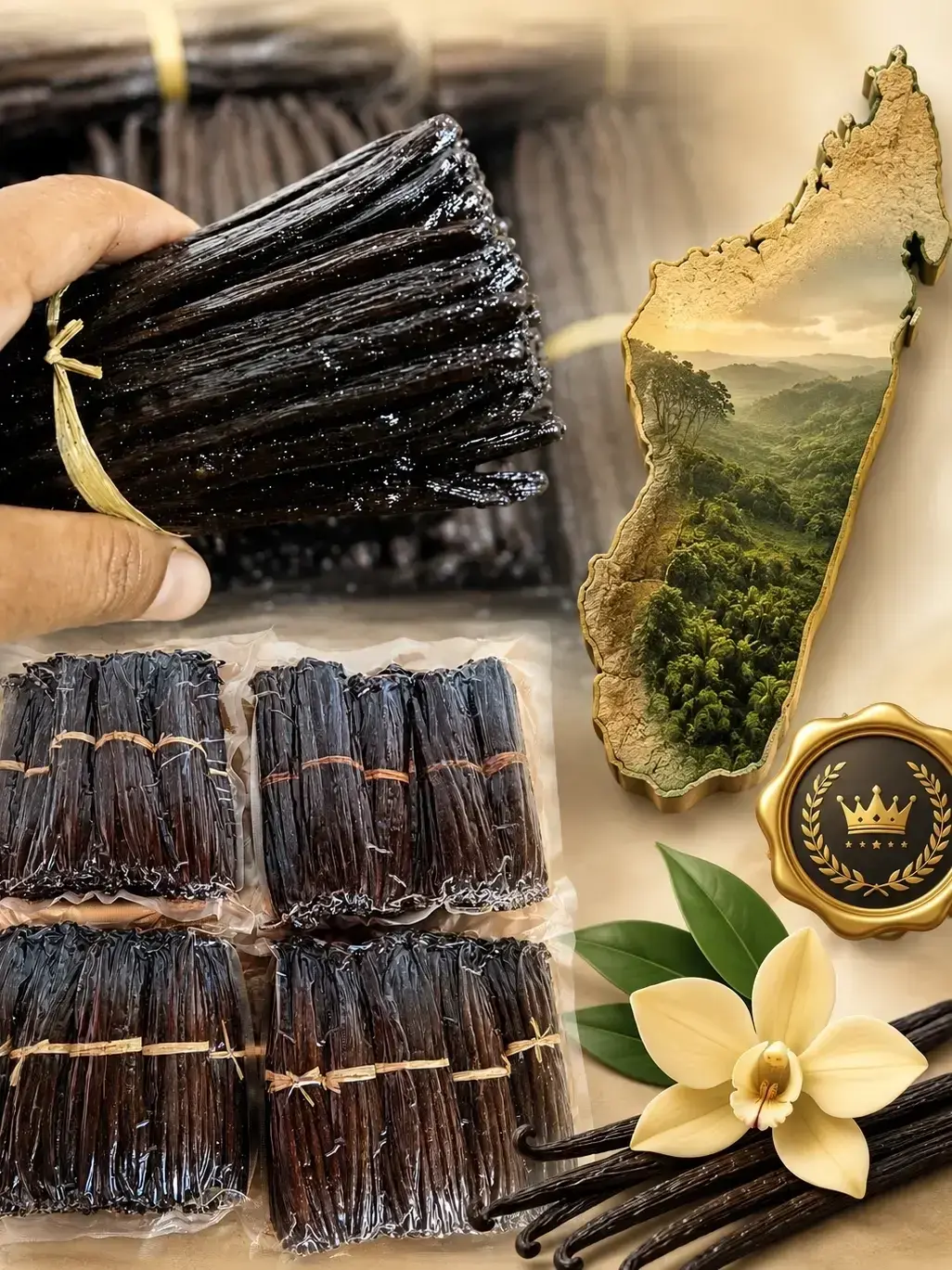
Need a clearer batch path, sample review, or export file for your Ambilobe supply? Reach out and we’ll help you sort the next step.
Contact our export team to request samples, access the buyer portal, or get a certified export quote.
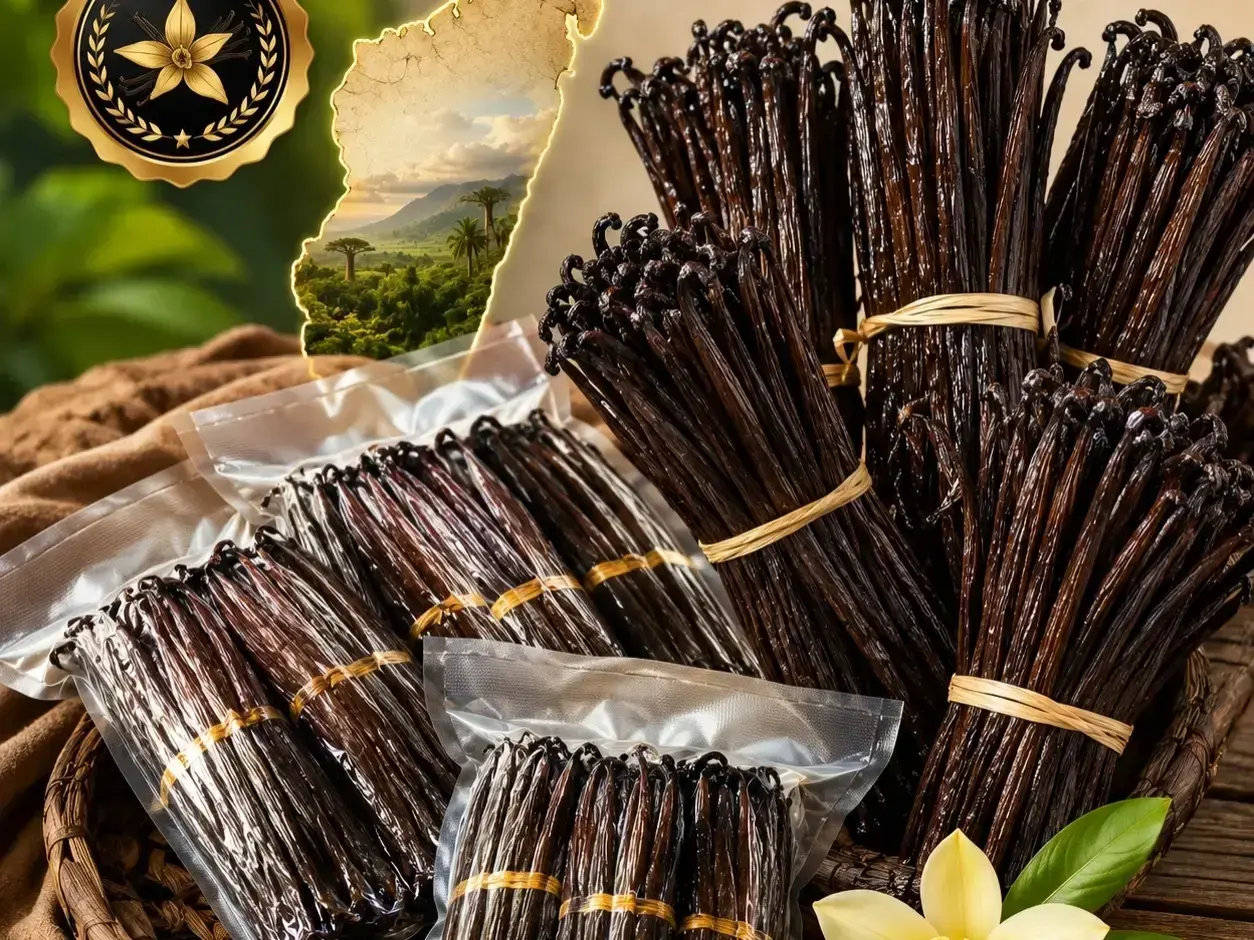
A buyer in Ambilobe, Madagascar may need Grade B Vanilla samples before they commit to a larger export lot. If the curing note, moisture feel, or batch record looks off, the order can stall fast, so we keep the sample tied to the exact lot and explain what needs to change.
A spice warehouse near the main road in Ambilobe, Madagascar can face tight pickup windows when trucks and farm deliveries stack up. Grade B Vanilla handling gets easier when the batch is sorted before arrival, and we check the lot notes so the pickup doesn't slip because of access or loading limits.
A buyer comparing providers in Ambilobe, Madagascar may already have one bad shipment in mind and wants proof before trying again. We focus on batch traceability, document matching, and honest readiness checks, so the buyer can see what separates a usable lot from one that still needs work.