
Lot Intake and Coding in Sambava
We assign each incoming batch a lot code before sorting starts. That code keeps Grade B Vanilla records aligned with the physical beans, which matters when Sambava harvests arrive in separate waves.
Buyers in Sambava face uneven curing, mixed bean lengths, and export paperwork. We help sort that out before orders move.
Sambava buyers usually compare bean consistency, cure status, and document readiness before they place repeat orders. Around the market side of town, lots need faster sorting because movement picks up after rain and road delays. Vanillababa works with batch records, pre-harvest contracts, and sample orders instead of loose promises.
That helps buyers compare grades with less confusion, especially when supply moves between Sambava town, the northern growing belt, and the route toward the coast. The result is simpler sourcing and fewer surprises during Vanilla Export planning. Buyers get clearer lot details, and that matters when they need steady supply from this part of Sava.
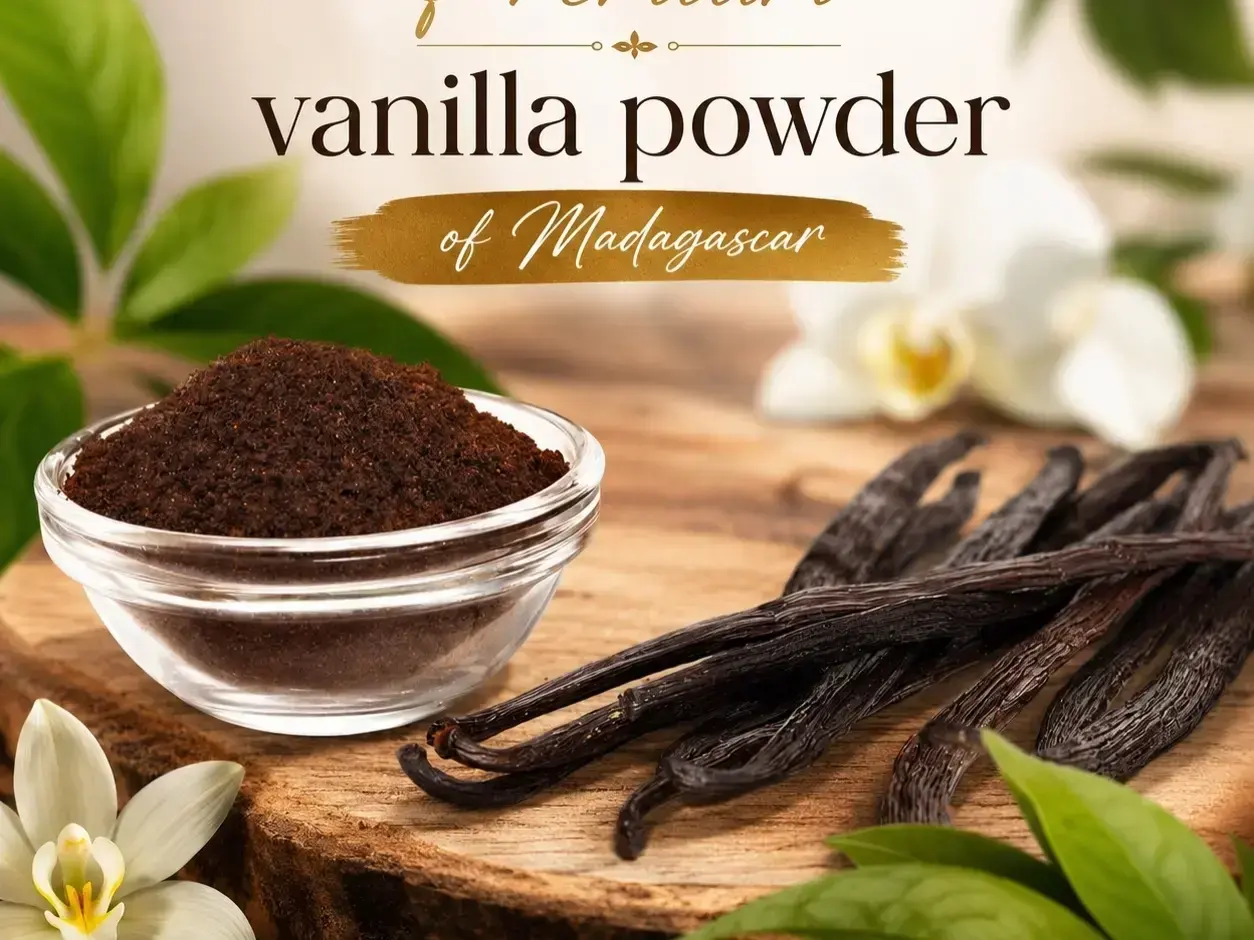
Buyers in Sambava get clearer lot control when beans are tied to batch records.
In Sambava, Vanilla Export planning gets easier when samples match the same lot the buyer will receive.
Pre-harvest contracts help Sambava buyers secure supply before the season tightens.
In Sambava, Export documents move faster when the batch details are already organized.
Sava sourcing gives buyers access to multi-region supply, which helps when one area runs short.
In Sambava, Grade B Vanilla works well for buyers who need usable beans without premium-grade presentation.
Vanillababa provides comprehensive Grade B Vanilla in Sambava. Here's what you get:
We assign each incoming batch a lot code before sorting starts. That code keeps Grade B Vanilla records aligned with the physical beans, which matters when Sambava harvests arrive in separate waves.
We check cure status and moisture balance against export-ready expectations. In Sambava, this step matters because weather swings can change how quickly beans settle after drying.
In Sambava, We prepare sample orders so buyers can confirm bean look, smell, and consistency before release. That helps Sava buyers avoid surprises when they scale from a small check to a larger Vanilla Export order.
In Sambava, We match the lot record to the export file before shipment moves forward. This keeps the batch identity clear, and it reduces rework when paperwork needs to follow the exact bean lot.
A buyer in Sambava had the same grading issue show up in three orders. The lot looked fine at first, but later checks showed uneven curing and too much mix across bean lengths.
Vanillababa traced the batches back through the curing and packing record, then separated the usable Grade B Vanilla lots. That gave the buyer a cleaner shipment plan and fewer surprises on the next order.
The buyer stayed in Sambava, Sava, but changed the intake process for the next season. That mattered because the local harvest flow had been moving fast after heavy rain and short road windows.
In Sambava, we keep the lot record with the bean lot. That helps buyers compare grade, moisture, and curing signs before they commit to Vanilla Export.
Sambava buyers often want proof before volume. We send sample orders first, so the team can check aroma, length, and cure balance against the real lot.
The harvest window in Sambava can tighten fast after weather shifts. We use pre-harvest contracts to line up supply before the pressure builds.
We won't push Grade B Vanilla if the lot doesn't match the buyer's use. In Sambava, honest scope checks save time when a cleaner or higher-grade lot is the better fit.
Sambava shipments need documents that match the exact batch and buyer record. We keep the paperwork aligned so Vanilla Export files don't drift from the actual lot.
A Sambava buyer received lots with uneven bean length and mixed cure signs. The problem kept returning after each intake, so the buyer needed better grade separation.
We used batch-level traceability, sample review, and lot-by-lot sorting before export paperwork moved forward. That kept the Grade B Vanilla record tied to one usable batch instead of several mixed lots.
The buyer received a cleaner intake process and a better path for Vanilla Export planning.
No invented numbers were used; the outcome was improved lot clarity and fewer batch disputes.
A buyer in Sambava needed to secure supply before the harvest window tightened. Weather shifts and road conditions made late sourcing harder than usual.
We set a pre-harvest contract path and matched it to the expected lot flow from Sava. The export file stayed linked to the same batch details, which reduced rework later.
The buyer had a clearer supply plan and steadier document flow.
No exact counts were claimed; the result was smoother batch planning and cleaner shipment setup.
Vanillababa ensures every Grade B Vanilla order meets the highest standards—from sourcing through delivery. Here is what guides our process.
Every batch of Grade B Vanilla is inspected and graded before it leaves our facility, so you receive exactly what was agreed.
Complete documentation—origin certificates, quality reports, and shipping details—accompanies every order.
Dedicated communication throughout the process—from initial inquiry to confirmed delivery at your destination.
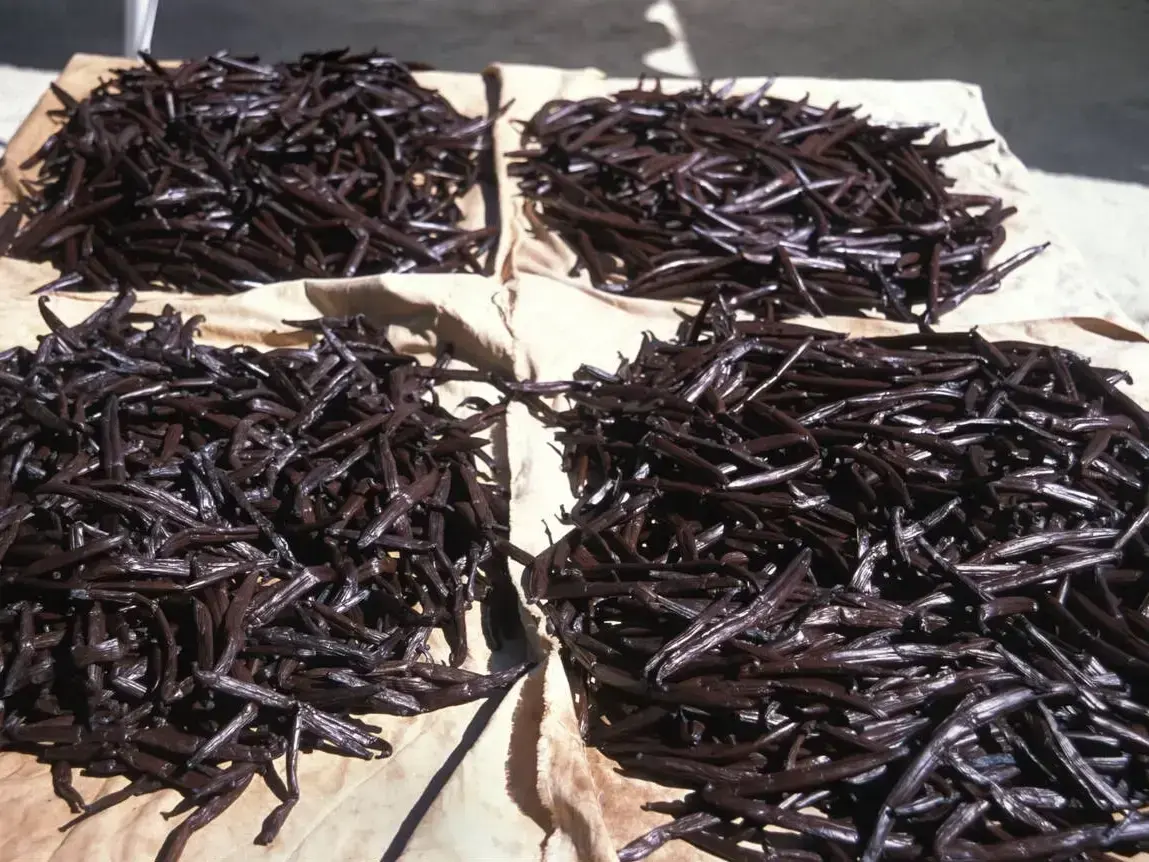
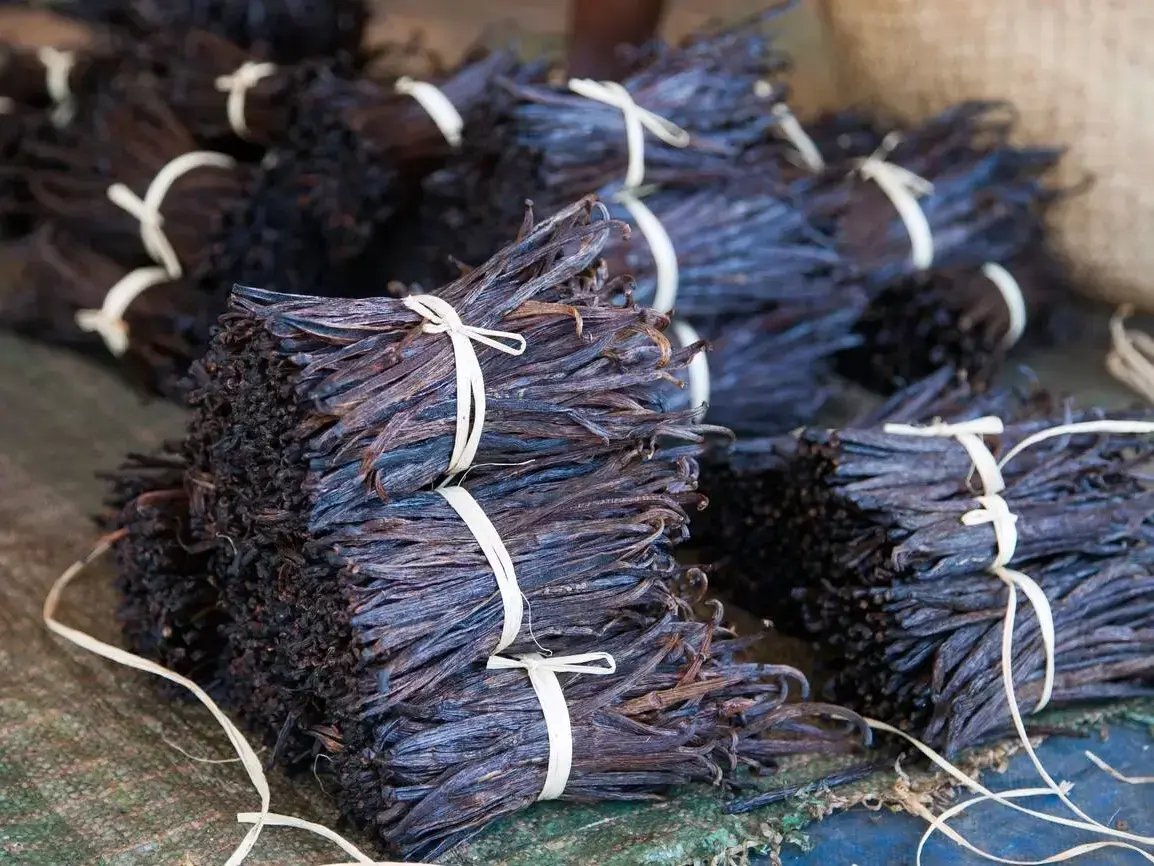

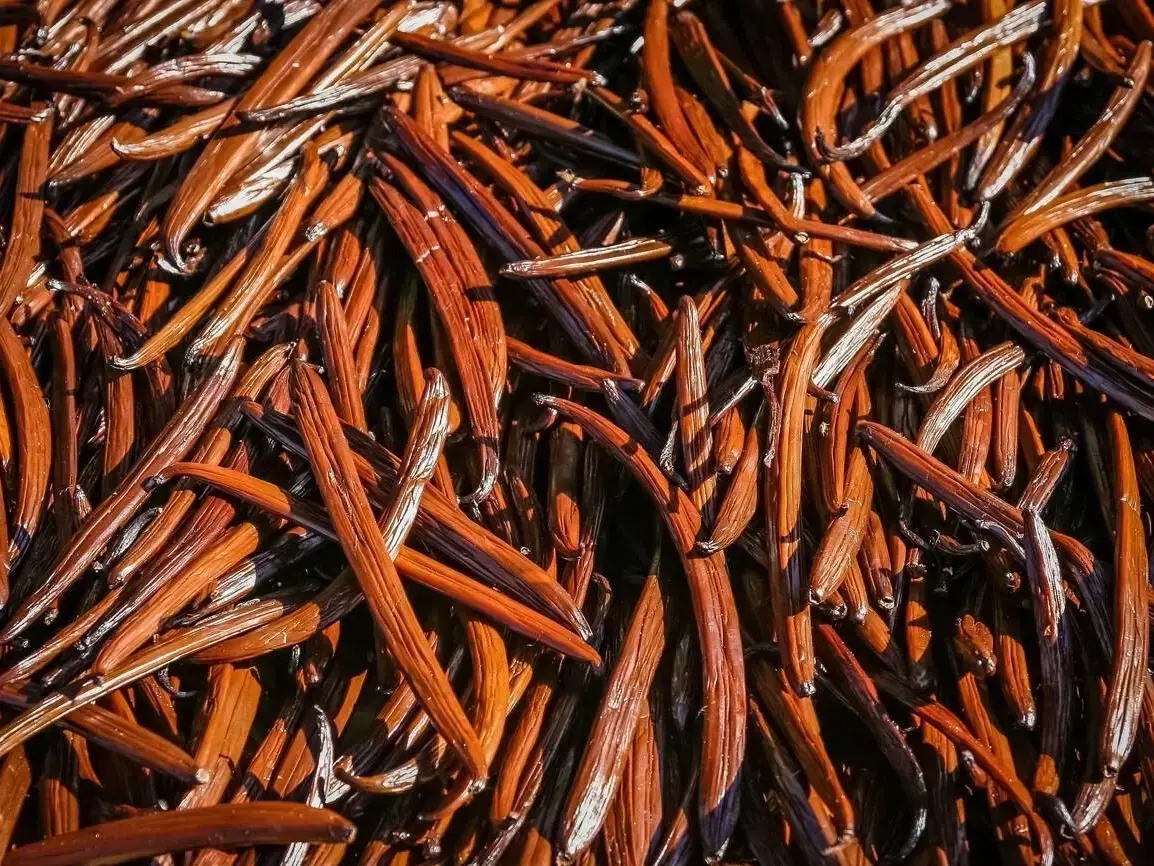
Reach out and we’ll start with lot details, sample flow, and export paperwork for the first days after contact.
Contact our export team to request samples, access the buyer portal, or get a certified export quote.
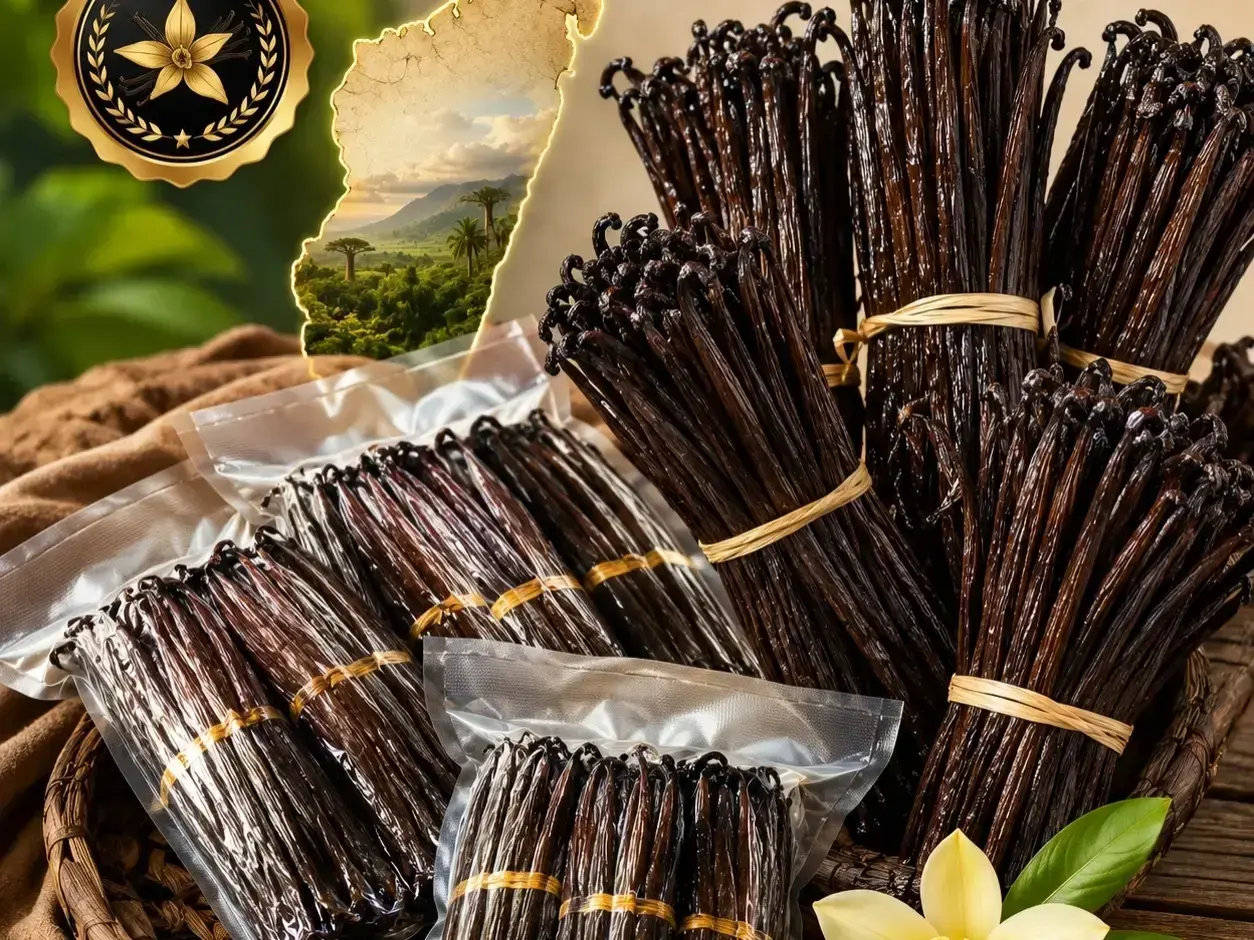
A buyer in Sambava, Sava keeps finding mixed bean condition after each intake, even when the last shipment seemed acceptable. That usually points to curing drift, poor lot separation, or a packing step that blurred the grade. We’d check the batch trail, compare sample beans, and lock the next order to a clearer record.
Access changed at a Sambava, Sava storage point, so the buyer now needs a different receiving plan for Grade B Vanilla. The building layout, loading space, and rain exposure can all affect how beans move from cure house to packing. We’d map the access points, confirm lot handling steps, and adjust the export file so the batch stays matched.
A buyer comparing providers before a harvest window in Sambava, Sava wants to know who can keep the paperwork clean. The decision matters more when the season is short and the batch has to move without rework. We’d explain the lot records, sample flow, and document trail so the buyer can choose with less risk.