
Lot Intake and Moisture Check in Mananjary
We start with lot intake and a moisture check tied to the source batch. That step matters in Mananjary because rain and humidity can shift bean condition before packing begins.
Mananjary’s humid coastal weather can affect curing, storage, and packing before export. We keep the chain clear so China buyers get clean lots and readable documents.
Mananjary’s coastal rain and humidity can change vanilla condition fast. That matters because curing, storage, and packing all depend on stable moisture. Different parts of town create different handling needs.
The market-side routes near the center move quickly, while outlying growing areas need tighter pickup timing and better lot notes. Vanillababa keeps the export file tied to each batch, so China buyers can match the bean grade with the source. That helps reduce back-and-forth when documents, samples, and packing lists all need to line up.
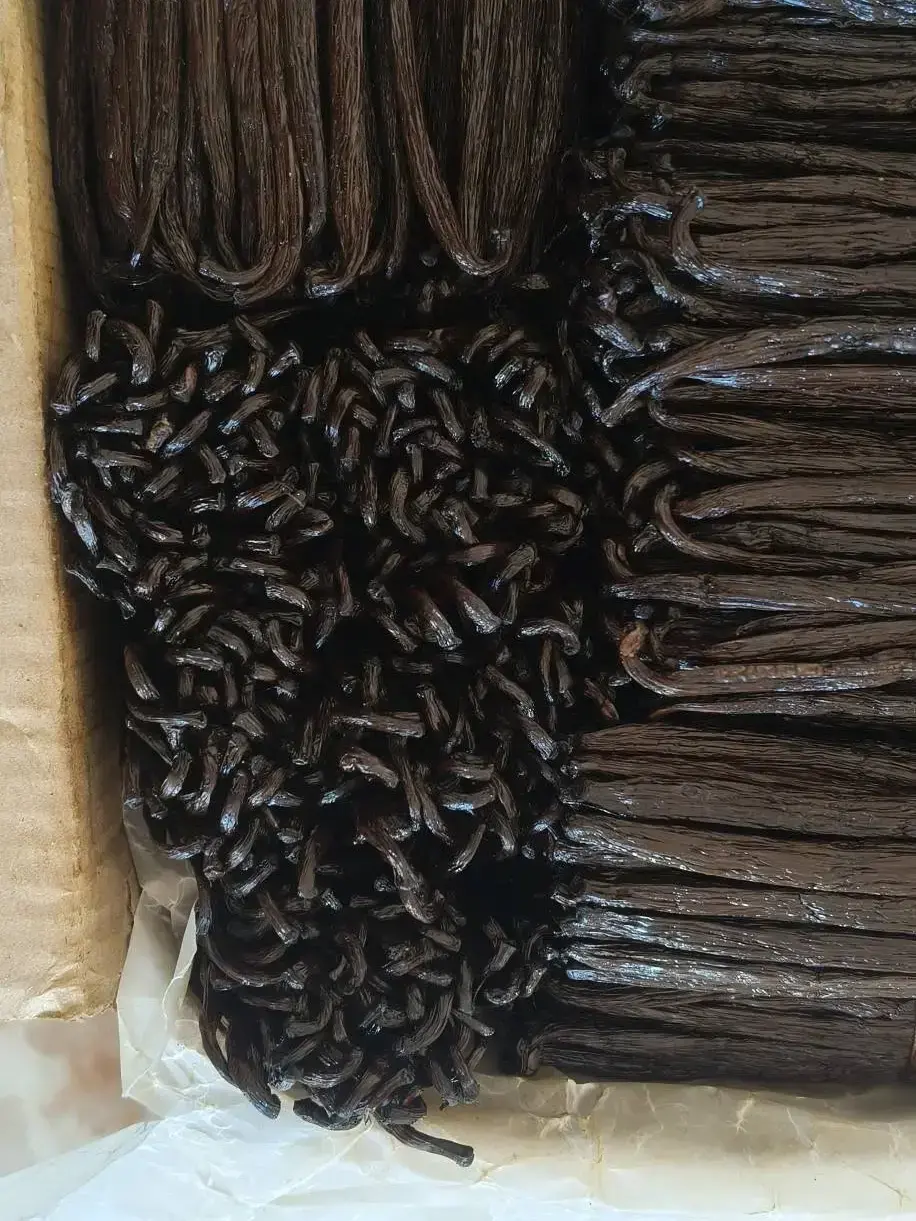
Vanillababa provides comprehensive Export vanilla to China in Mananjary. Here's what you get:
We start with lot intake and a moisture check tied to the source batch. That step matters in Mananjary because rain and humidity can shift bean condition before packing begins.
In Mananjary, Next, we sort the vanilla by grade and split a buyer sample from the bulk lot. The split keeps China buyers from judging one section of the batch against another.
We match the batch record, packing list, and shipment documents into one export file. That keeps the China-side review cleaner, especially when Mananjary weather has already made timing tight.
When a buyer wants future supply, we use pre-harvest contracts and source notes. In Mananjary, that helps plan around the wet season and the slower drying window.
A buyer in Mananjary needed a China-bound vanilla lot after several wet weeks. The beans had been stored near the center, but the humidity had shifted the feel of the batch, and the buyer wanted clear grade notes before moving forward.
Vanillababa checked the lot record, split the samples, and matched the export file to the source notes. That kept the order moving without guesswork, even as rain kept changing the drying window around town.
Mananjary weather can change bean moisture after heavy showers, so lot control has to be strict. We keep grading notes, source records, and packing steps aligned with the batch.
Mananjary exporters need documents that read clearly to China buyers and freight partners. We prepare the shipment file early, so the lot doesn’t sit waiting for missing details.
If a lot in Mananjary isn’t ready for China export, we say so plainly. We won’t dress up a weak batch, because that only creates problems later.
Mananjary supply can move across different growing zones, so one lot may need more than one source note. Our team keeps the vanilla export record tied to each source area and each grade.
Mananjary buyers often want sample checks before they commit to bulk movement. We keep the sample path simple, so decisions don’t stall while the bean quality is still fresh.
You get a clearer lot history, which matters when Mananjary humidity changes bean condition.
In Mananjary, You avoid mixed-grade packing that can cause buyer questions after shipment.
In Mananjary, You can plan around rainy periods instead of rushing curing in wet weather.
In Mananjary, You get sample orders that help buyers judge quality before bulk release.
In Mananjary, You keep export documents matched to the same batch record.
You can source across Madagascar while keeping Mananjary as the control point.
Vanillababa ensures every Export vanilla to China order meets the highest standards—from sourcing through delivery. Here is what guides our process.
Every batch of Export vanilla to China is inspected and graded before it leaves our facility, so you receive exactly what was agreed.
Complete documentation—origin certificates, quality reports, and shipping details—accompanies every order.
Dedicated communication throughout the process—from initial inquiry to confirmed delivery at your destination.
A Mananjary exporter had vanilla that felt uneven after several rainy days. The buyer wanted China paperwork and sample clarity before release.
We used batch traceability, grade sorting, and export document matching so the lot record stayed tied to the right beans. We also checked the curing notes against the local weather pattern.
The buyer received a cleaner sample set and a shipment file that matched the lot history.
Outcome recorded without numeric claims.
A buyer needed a steadier vanilla flow from Mananjary, Madagascar, but the source timing kept changing with weather and field readiness.
We set a pre-harvest contract path, then linked sourcing notes to the buyer portal and export file. That gave the buyer a clearer picture of what was available and when.
The order moved with less back-and-forth and fewer document gaps.
Outcome recorded without numeric claims.
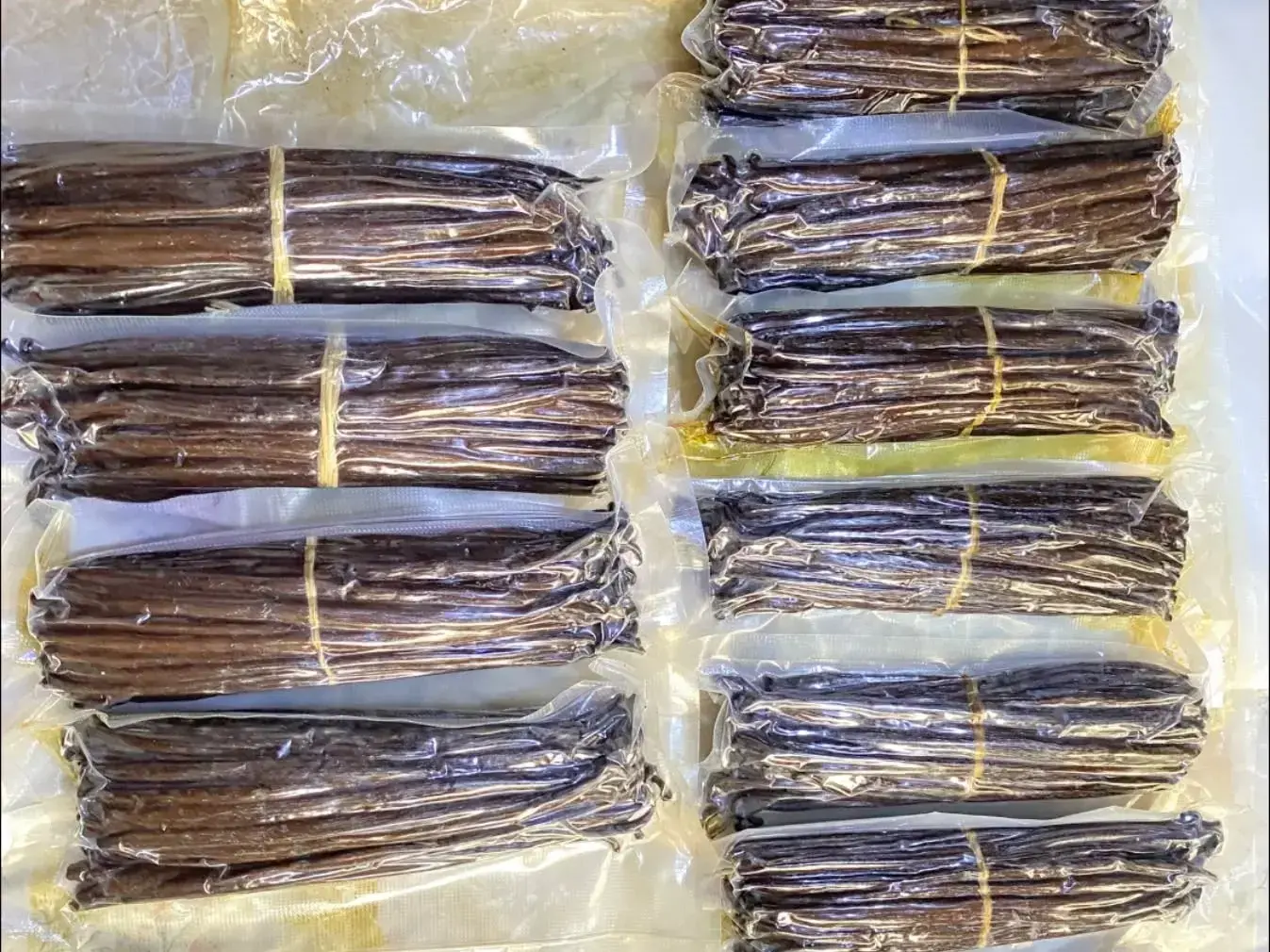
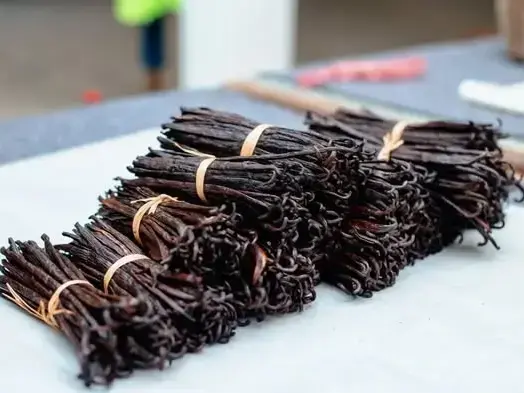
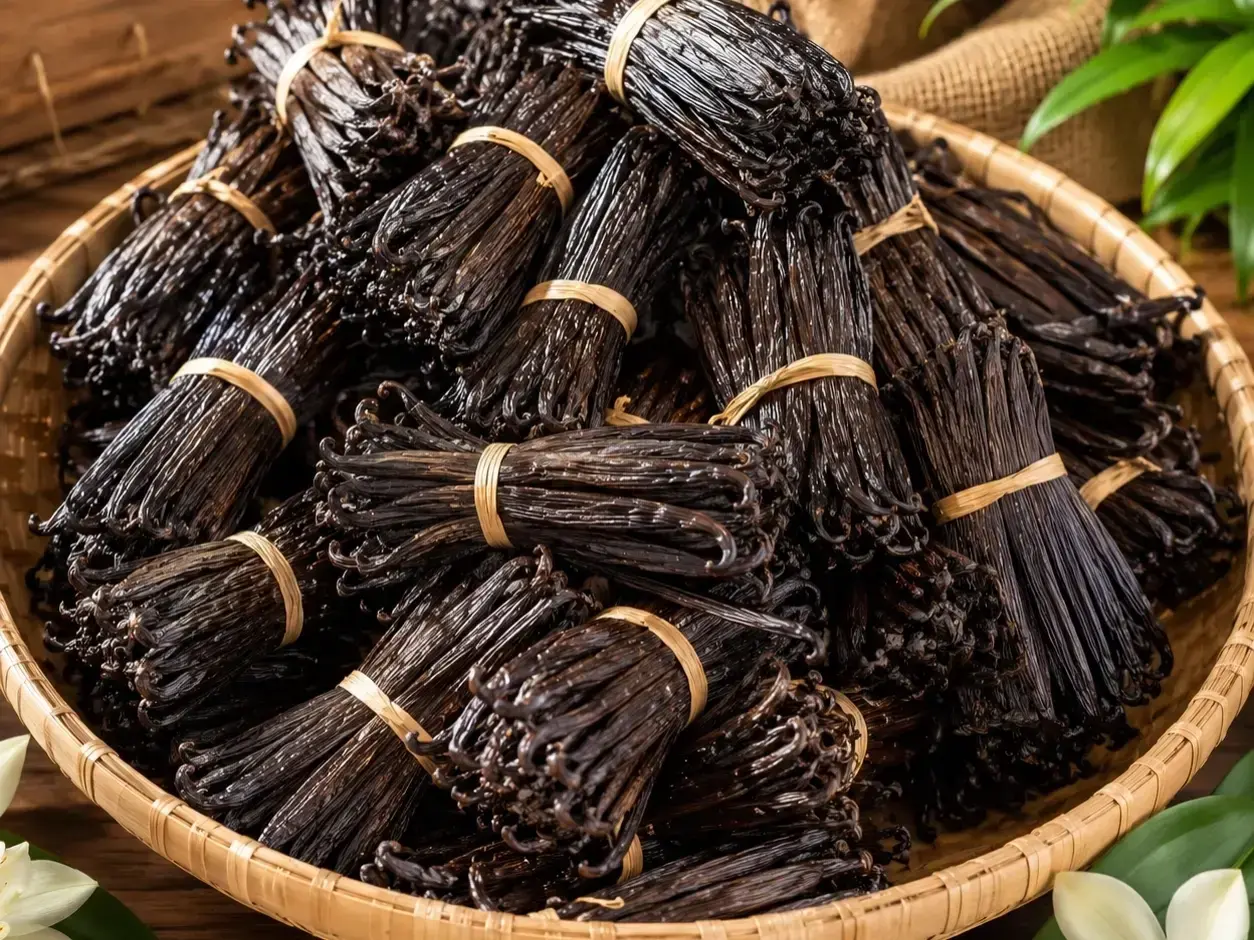
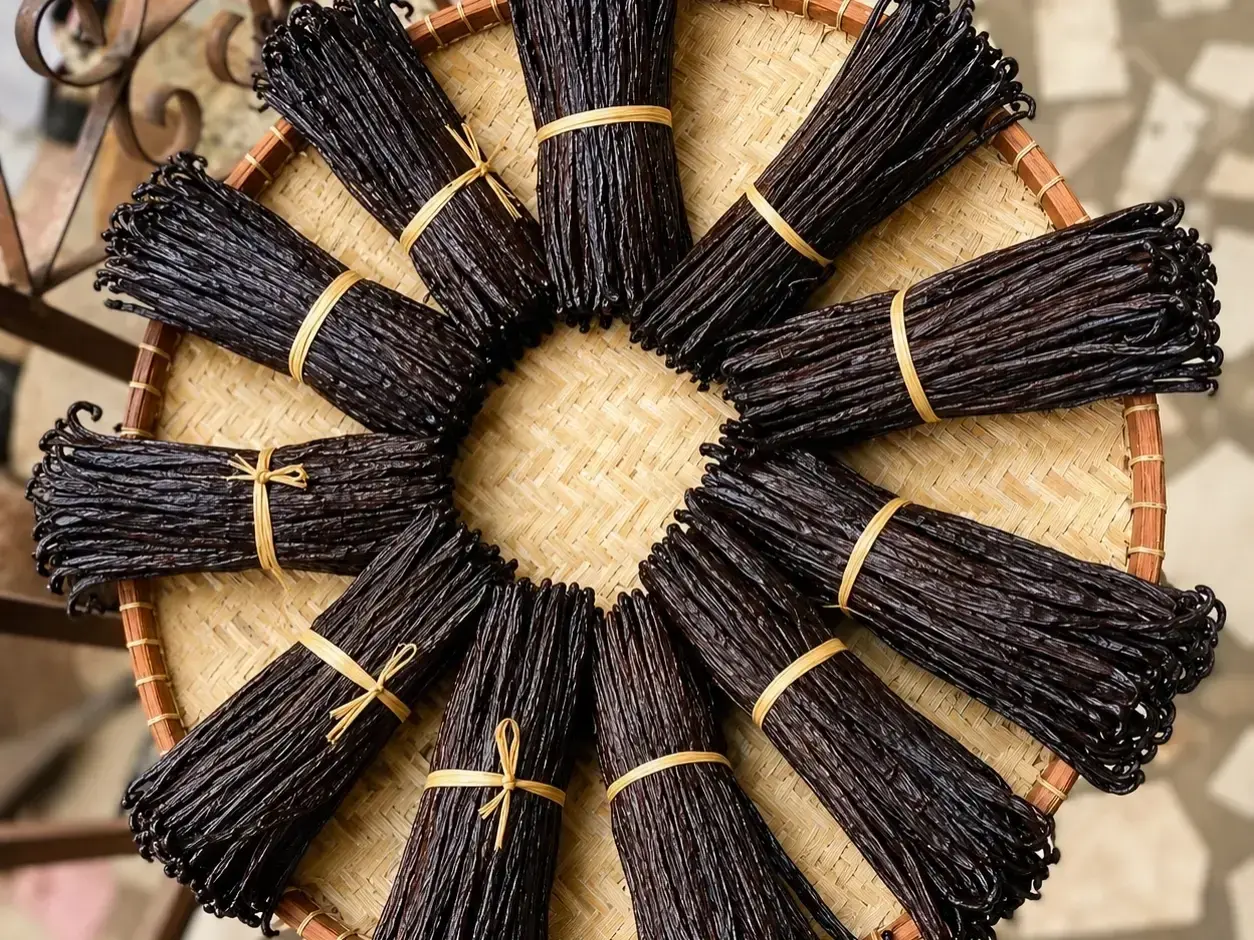
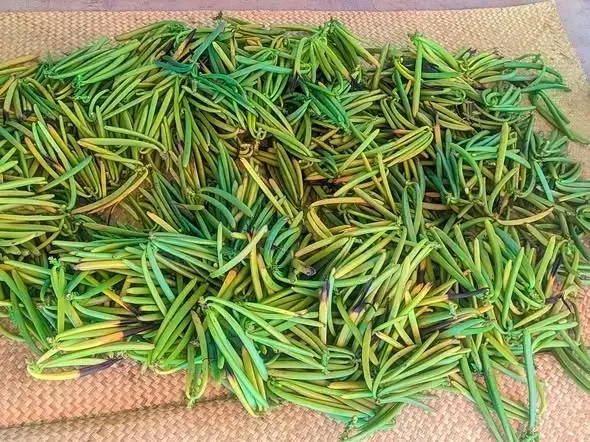
Send your vanilla lot details first, and we’ll match the batch record to the export path before anything moves.
Contact our export team to request samples, access the buyer portal, or get a certified export quote.
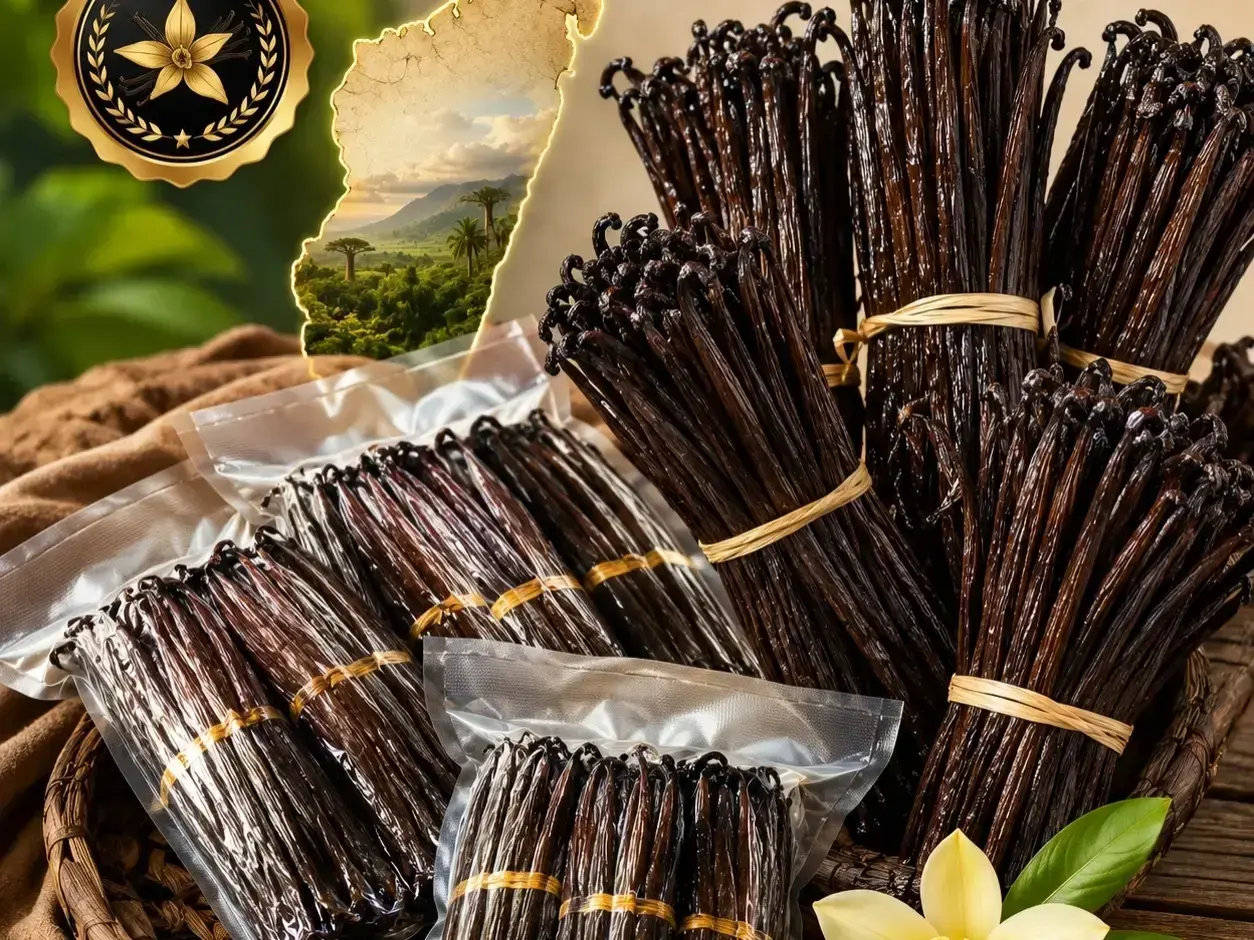
A buyer in Mananjary, Madagascar has a China order ready, but the final lot still needs scope clarity before anyone commits. The batch sat through humid weather near the coast, so Vanillababa would check traceability, note the grade split, and confirm what can move now versus what should wait.
A packing site in Mananjary, Madagascar can be hard to reach after rain, and that changes how vanilla gets staged for export. Vanillababa would look at access, storage dryness, and the buyer portal record together, then decide whether the lot needs re-sorting before export papers go out.
A trader in Mananjary, Madagascar had worked with another provider, but the lot notes and document trail were left incomplete. Vanillababa would rebuild the batch record, explain what changed, and show how to prevent the same traceability gap on the next China shipment.