
Lot Intake and Moisture Check in Mananjary
We start with lot intake and a simple moisture check tied to visual grading. That helps flag pods that need more curing, which matters in the area's humid weather.
Mananjary's humid coastal weather can change curing and storage needs fast. We match that reality with clean grading, traceable lots, and export-ready paperwork.
Mananjary's coastal humidity changes how vanilla dries, stores, and ships. Wet-season rain can slow curing, so buyers need tighter lot checks and steadier handling. Vanillababa treats Vanilla Export work as a grading and document task first.
We separate lots, confirm grade details, and keep buyer portal records easy to follow. Near the harbor side and the busier town center, buyers often want faster sample review. Out toward quieter growing areas, the focus shifts to lot readiness and harvest timing, so the approach changes with the area.

We separate lots before paperwork gets crowded. That matters in Mananjary, where humidity can blur the line between good pods and weaker stock.
We start with sample orders when buyers want to compare grade, aroma, and pod condition. In Mananjary, that helps cut waste before bulk release.
Batch-level traceability stays attached to the product path. Buyers in the area can follow the lot from sourcing notes through export documentation.
In Mananjary, We won't call mixed stock Grade A just to move it faster. If the lot needs more sorting or curing time, we'll say so and keep the scope honest.
Export documentation, buyer portal access, and clear lot naming stay in one workflow. That makes Vanilla Export work easier for Mananjary buyers who need fewer handoffs.
local wet season can slow drying and raise storage risk. Buyers usually get the cleanest handling results when lots are planned before the heavier rains settle in. During drier windows, curing and packing move with less interruption.
We start with lot intake and a simple moisture check tied to visual grading. That helps flag pods that need more curing, which matters in the area's humid weather.
In Mananjary, We separate Grade A pods from mixed stock and label each batch before it moves ahead. That keeps the export file clean and helps buyers avoid confusion after rain-affected handling.
We prepare sample orders against the same lot record used for bulk supply. Buyers in the local market can compare aroma, pod length, and condition before they commit further.
We assemble the export document set around the final lot identity and buyer details. That step reduces hold-ups when shipping follows the local harvest and weather rhythm.
In Mananjary, You can compare lots faster because the grade is defined early.
You reduce moisture surprises during the local humid months.
In Mananjary, You get fewer document delays when export paperwork starts with the lot.
In Mananjary, You can match sample orders to bulk supply before moving ahead.
You keep sourcing cleaner across local coastal supply chain.
In Mananjary, You make buyer reviews easier with traceable batch records.
Vanillababa provides comprehensive Grade A Gourmet Vanilla in this region. Here's what you get:
A Mananjary buyer had vanilla that looked strong on arrival, but the lot showed uneven drying after repeated rain. The main issue was keeping Grade A stock separate from pods that still needed time.
We used lot-by-lot grading, moisture-aware handling, and document-linked batch naming. That kept the export file aligned with the actual product condition.
The buyer got a cleaner export path and a clearer decision on what could move forward. The lot stayed organized instead of being forced into one mixed shipment.
Outcome described without numeric claims.
A buyer in Mananjary needed a Vanilla Export file, but the previous handoff left sample notes and product records scattered. That made the next step hard to judge.
We rebuilt the record trail around traceable lots, sample review, and export document prep. The buyer portal then carried the same lot identity through each stage.
The buyer could compare suppliers with less confusion and act on the stronger lot first. The process reduced back-and-forth on what was actually ready.
Outcome described without numeric claims.
Vanillababa ensures every Grade A Gourmet Vanilla order meets the highest standards—from sourcing through delivery. Here is what guides our process.
Every batch of Grade A Gourmet Vanilla is inspected and graded before it leaves our facility, so you receive exactly what was agreed.
Complete documentation—origin certificates, quality reports, and shipping details—accompanies every order.
Dedicated communication throughout the process—from initial inquiry to confirmed delivery at your destination.
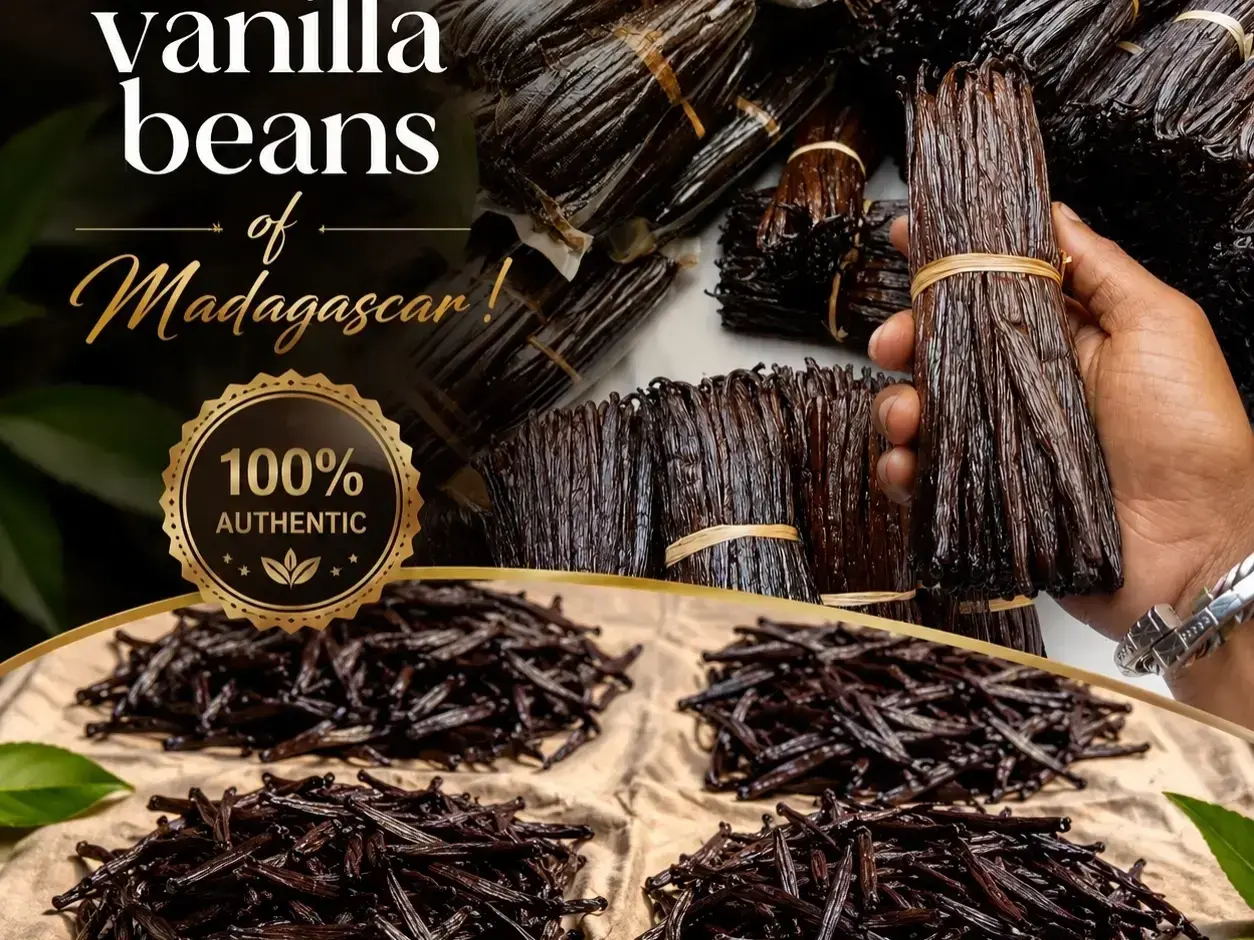
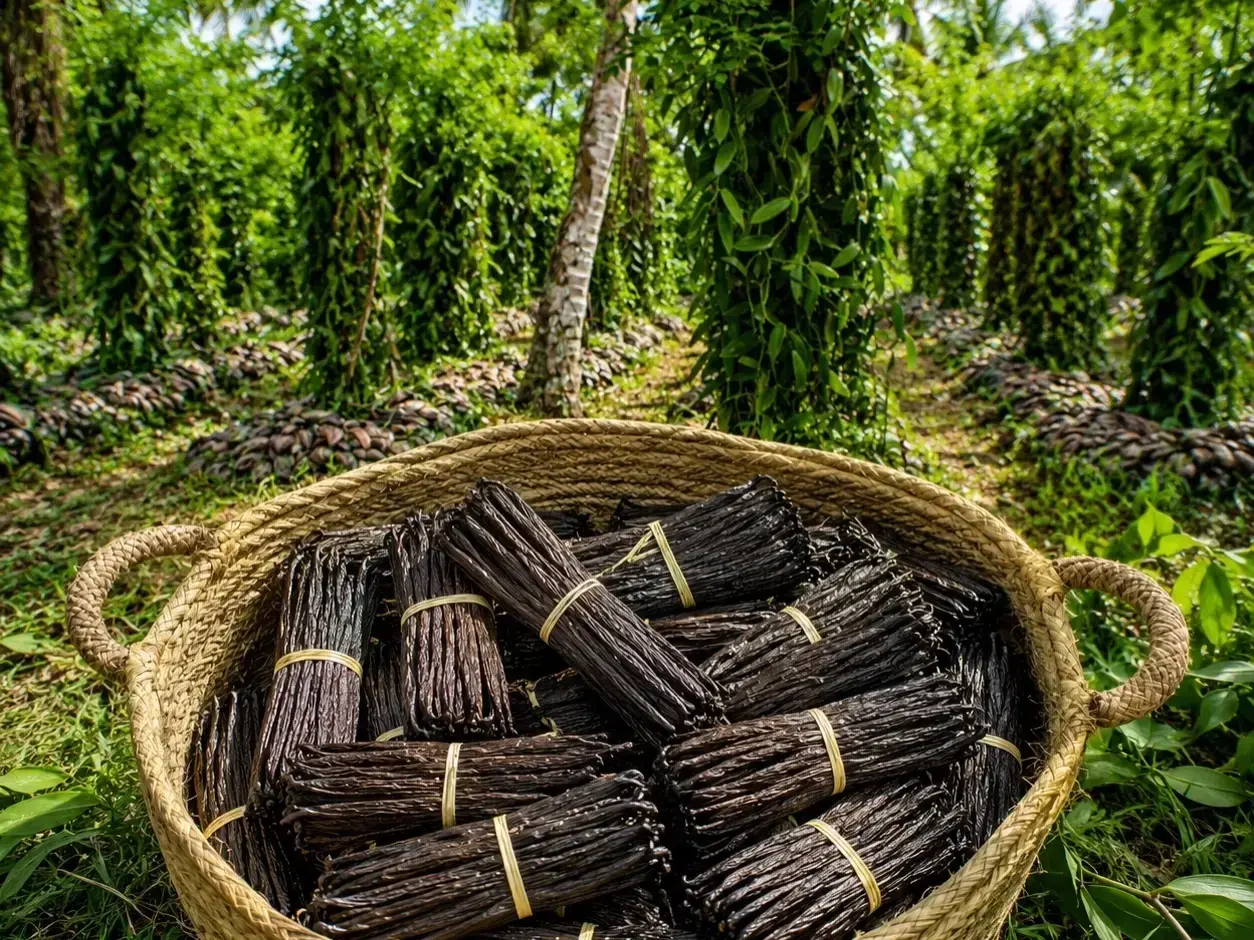
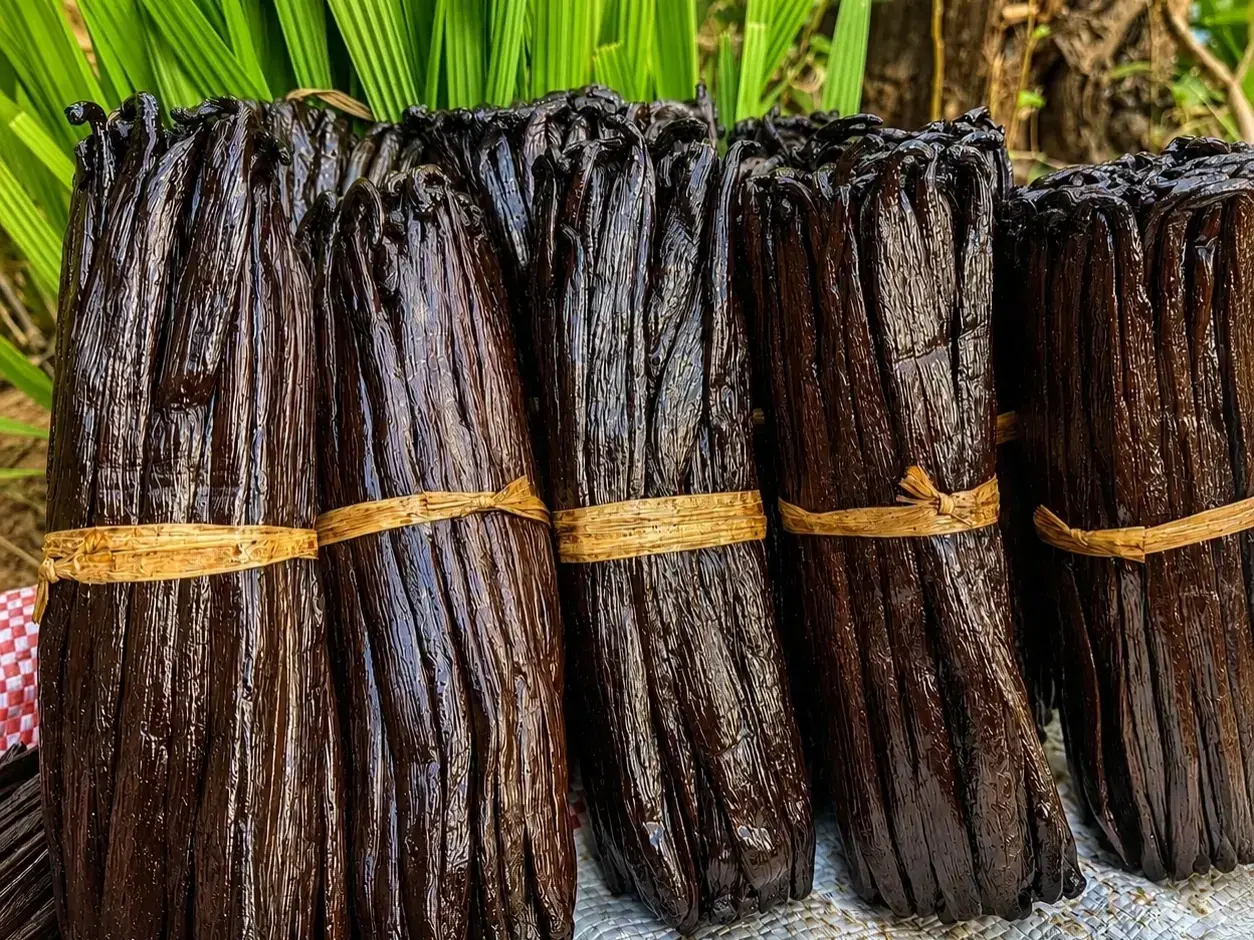
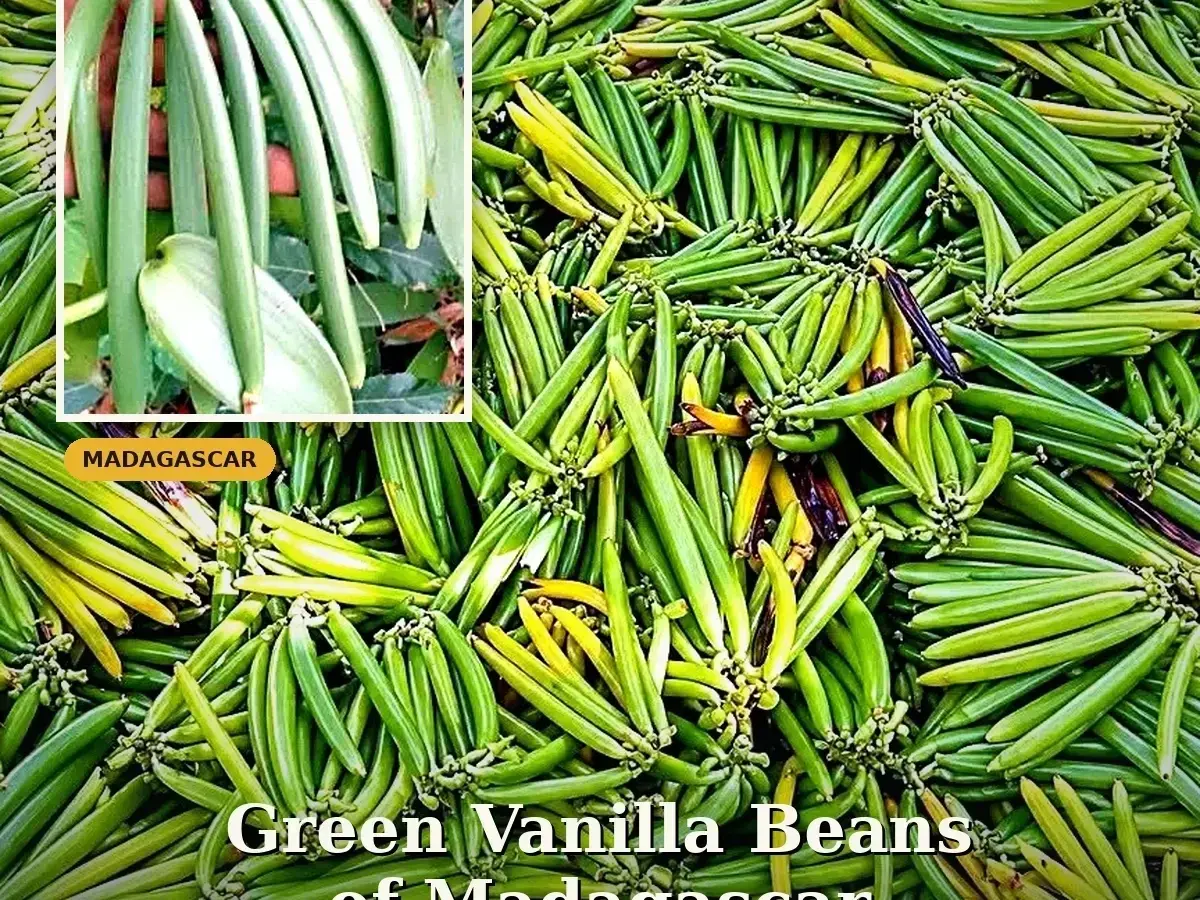
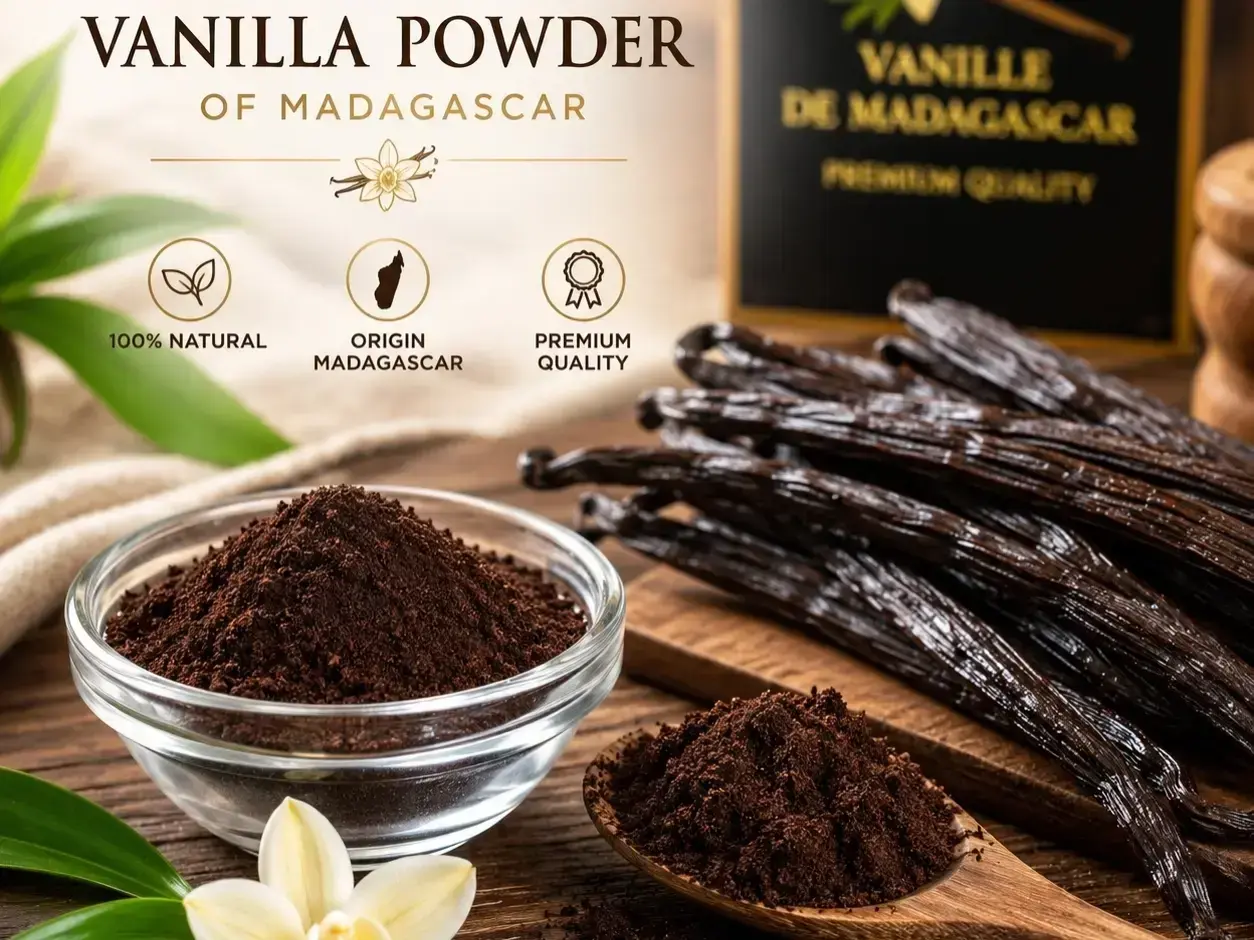
Reach out, and we'll begin with the lot details, sample needs, and export paperwork in the first days after you contact us.
Contact our export team to request samples, access the buyer portal, or get a certified export quote.
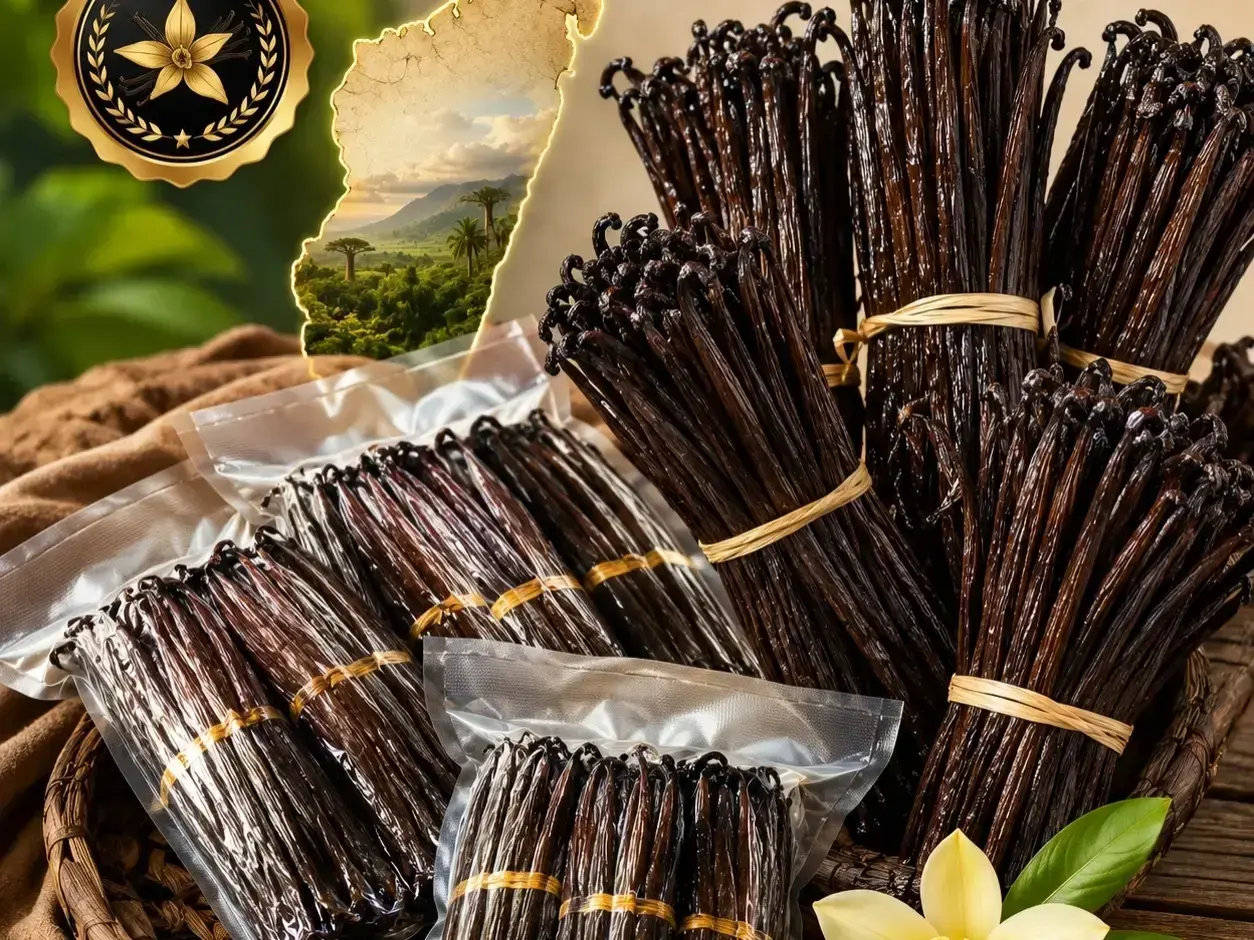
A buyer in Mananjary, Madagascar may be comparing suppliers while humidity keeps changing the pod feel from one day to the next. That matters because Grade A Gourmet Vanilla can look ready before it holds stable quality. Vanillababa would check batch separation, moisture handling, and sample labels before anything moves into bulk discussion.
A processing site in Mananjary, Madagascar may have narrow access, limited covered space, and uneven storage conditions after rain. That affects how vanilla is received, sorted, and staged for export records. The team would map the lot flow first, then separate Grade A stock from anything that needs more curing or sorting.
A buyer comparing providers in Mananjary, Madagascar may have seen weak explanations, unclear lot records, or a handoff that stopped after the sample. That makes trust and method more important than claims. Vanillababa would show the grade path, document set, and next step so the buyer knows what changes before shipment.