
Source Lot Intake in Mananjary
We start with lot intake and batch labeling so each shipment has a clear origin record. That step matters in the local market because mixed handling after rain can blur quality differences fast.
Mananjary’s humid coastal weather can change curing and storage needs fast. We keep the export path steady for Asian buyers.
Mananjary’s coastal rain and steady humidity make vanilla export planning more demanding. Drying can slow, and storage needs more care than in drier parts of Madagascar. Vanillababa matches product grades to buyer needs, then keeps each batch documented from source to shipment.
That matters in a market where importers want clean paperwork and fewer handoff errors. Town-center buyers and inland suppliers do not face the same access issues. Roads closer to the coast can change with weather, so batch timing and pickup plans need to stay flexible.
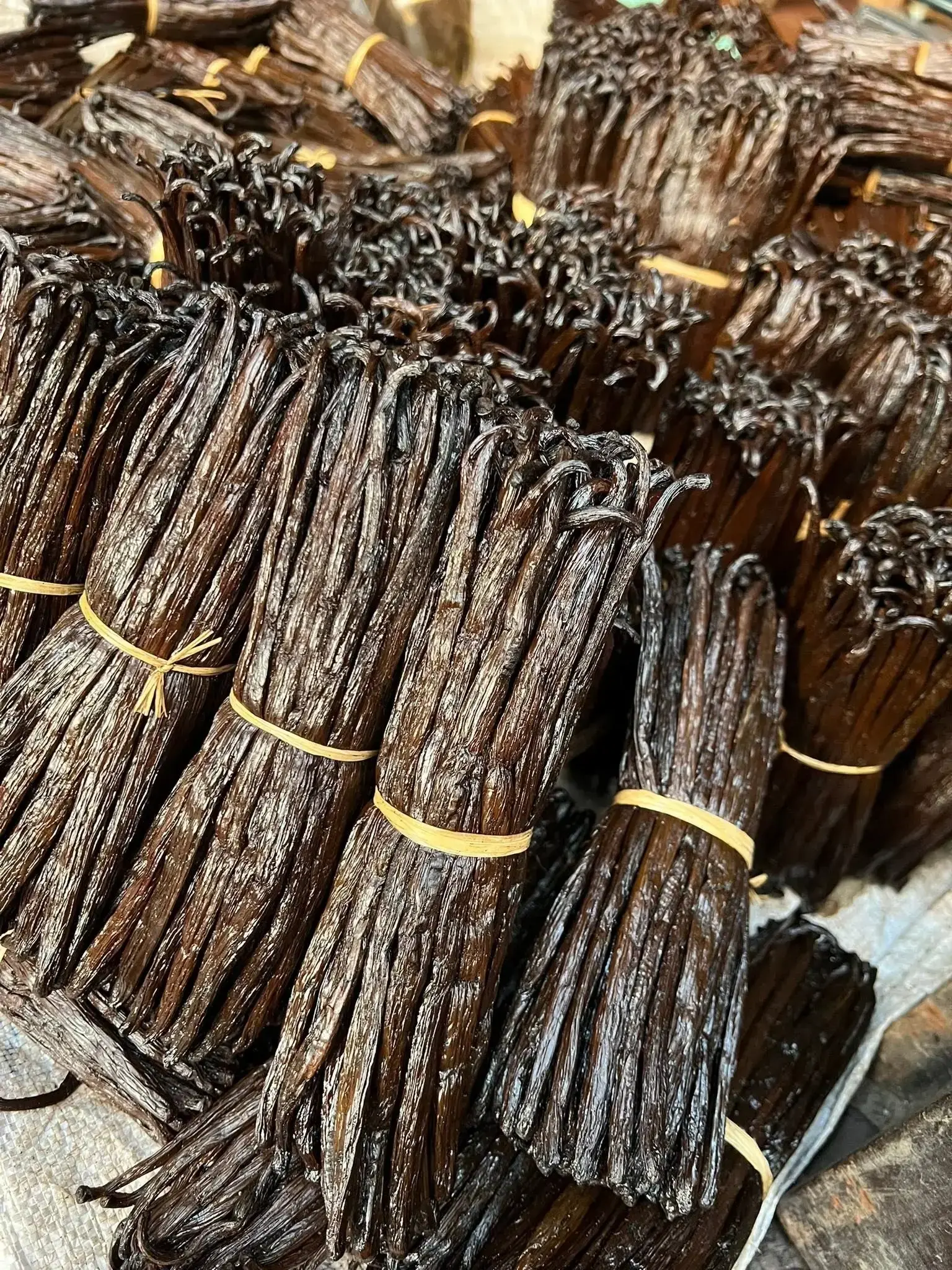
Vanillababa provides comprehensive Export vanilla to Asia in the area. Here's what you get:
Buyers in Mananjary get cleaner batch control when humidity raises curing risk.
In Mananjary, Asian importers can compare grades faster when samples and documents stay aligned.
Traceability helps reduce confusion when multiple source areas feed one order.
Pre-harvest planning supports steadier supply in local rainy season.
In Mananjary, Clear export documents help shorten back-and-forth during buyer review.
In Mananjary, Buyer portal access gives teams one place to track vanilla export progress.
The area's humid coast creates different vanilla export needs than drier inland areas. Drying, storage, and pickup timing all carry more risk here, so buyers need tighter batch control and earlier document checks.
Mananjary supply can change after heavy rain, so batch control matters from the start. We keep each lot tied to source and grade, which helps buyers avoid mixed-condition shipments.
Mananjary buyers often need a sample before committing to larger vanilla export orders. We keep sample orders tied to the same grading logic used for full shipments, so comparisons stay fair.
Pre-harvest contracts fit the local seasonal rhythm better than rushed buying. That gives Asian importers a steadier path when they want vanilla export supply mapped before harvest pressure builds.
We won’t push a batch if the grade or timing doesn’t fit the buyer’s target use. That honesty matters in Mananjary, where weather can change the condition of stored vanilla fast.
Export paperwork can stall a shipment if details are missing. We keep the document trail clear so Mananjary buyers and Asian import teams can check what’s ready, what’s pending, and what still needs support.
We start with lot intake and batch labeling so each shipment has a clear origin record. That step matters in the local market because mixed handling after rain can blur quality differences fast.
In Mananjary, We use grading and sorting standards to separate usable export lots from weaker stock. The check helps Asian buyers compare vanilla on real condition, not broad claims.
Sample order prep matches small buyer requests to the same lot record used for full export planning. In Mananjary, that keeps sample quality tied to the weather window that shaped it.
In Mananjary, We compile export documents, buyer details, and shipment records before the lot moves. That reduces hold-ups when the importer needs clean files for review.
Vanillababa ensures every Export vanilla to Asia order meets the highest standards—from sourcing through delivery. Here is what guides our process.
Every batch of Export vanilla to Asia is inspected and graded before it leaves our facility, so you receive exactly what was agreed.
Complete documentation—origin certificates, quality reports, and shipping details—accompanies every order.
Dedicated communication throughout the process—from initial inquiry to confirmed delivery at your destination.
A buyer needed Export vanilla to Asia from Mananjary, but mixed storage conditions made lot quality hard to compare. The main risk was sending an unclear batch to an Asian importer.
We separated lots by condition, tied each one to batch traceability, and aligned sample orders with the documented grade. We also checked export paperwork before shipment planning.
The buyer got a cleaner export path and fewer questions from the importer. The batch stayed easier to explain from source to shipment.
Outcome was documented through batch records, sample matching, and export file review.
An importer wanted Madagascar Bourbon vanilla from this region but needed a clearer supply path before harvest pressure increased. Weather changes made timing a bigger concern than product search.
We used pre-harvest contracts, buyer portal access, and document-first planning to set the order structure early. That gave the buyer a steadier view of what would be ready for export.
The buyer had a clearer route from source planning to shipment readiness. The process reduced uncertainty around grade, timing, and paperwork.
Outcome was measured by confirmed order structure and completed export documentation.
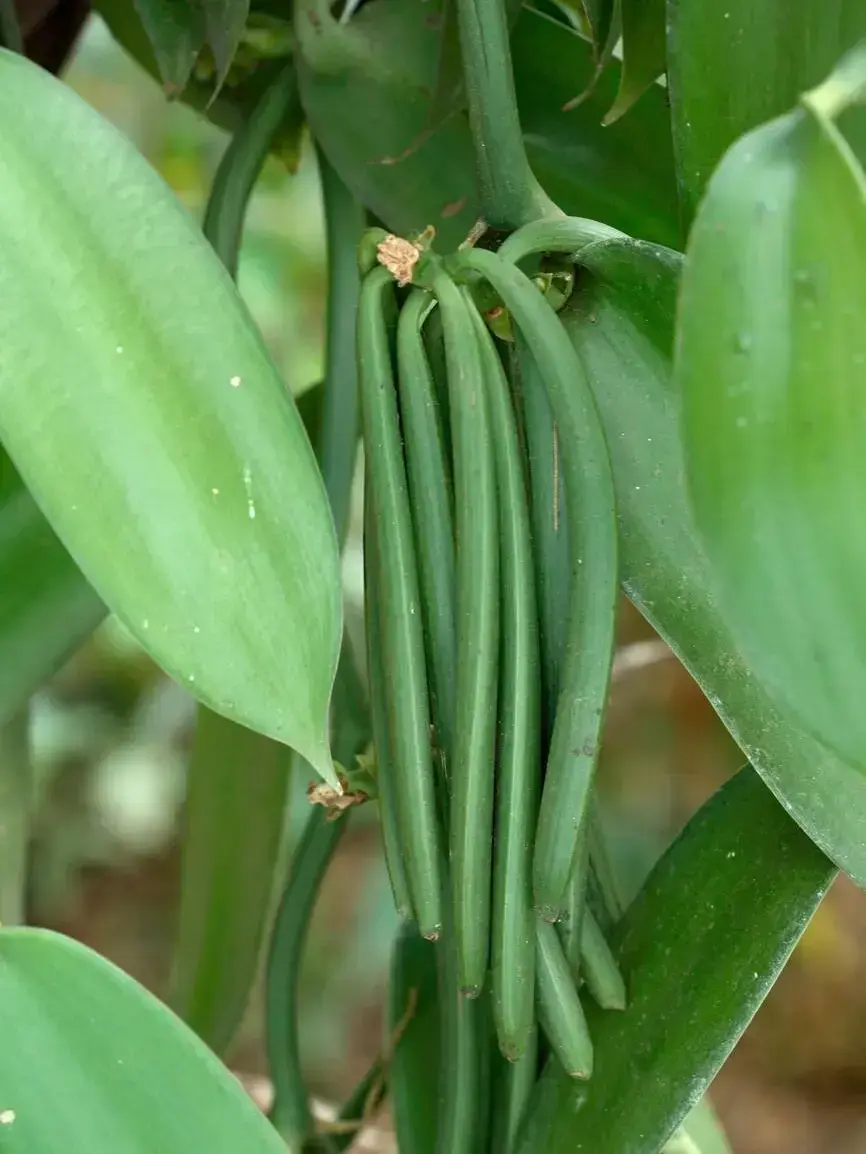

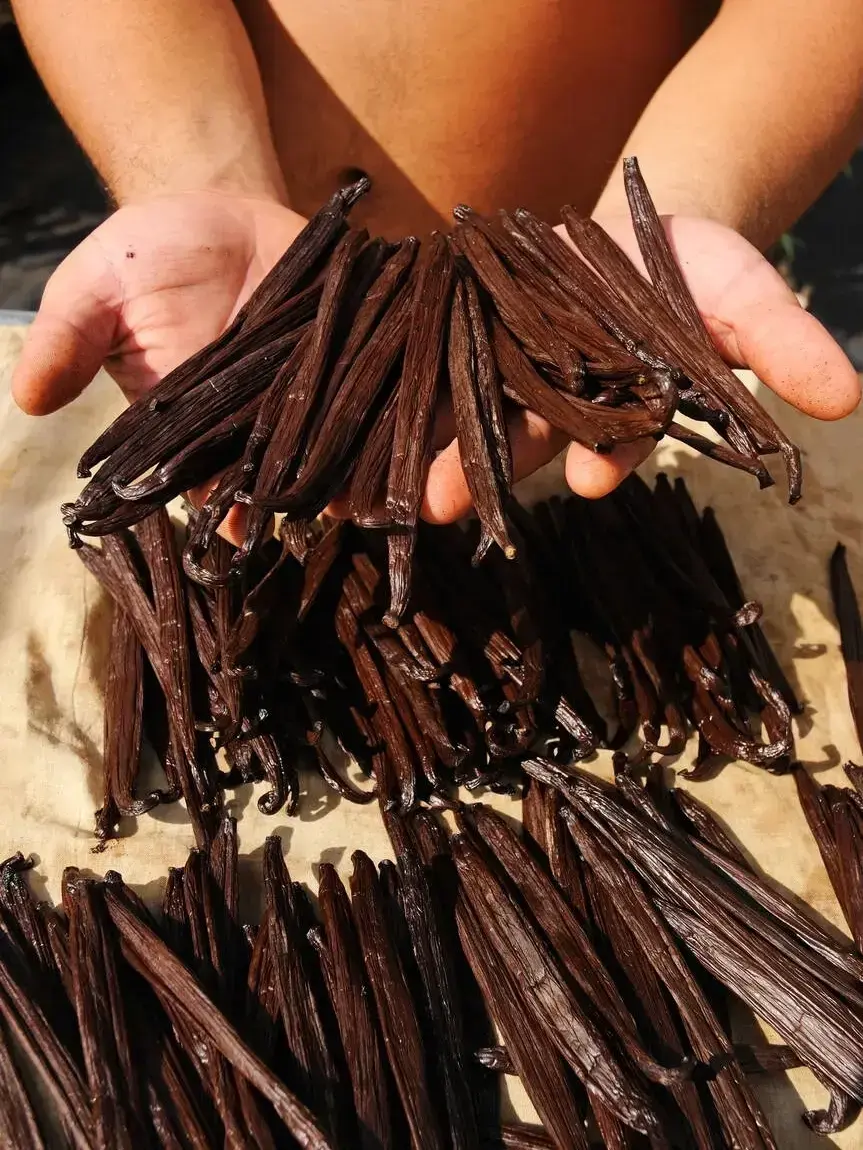
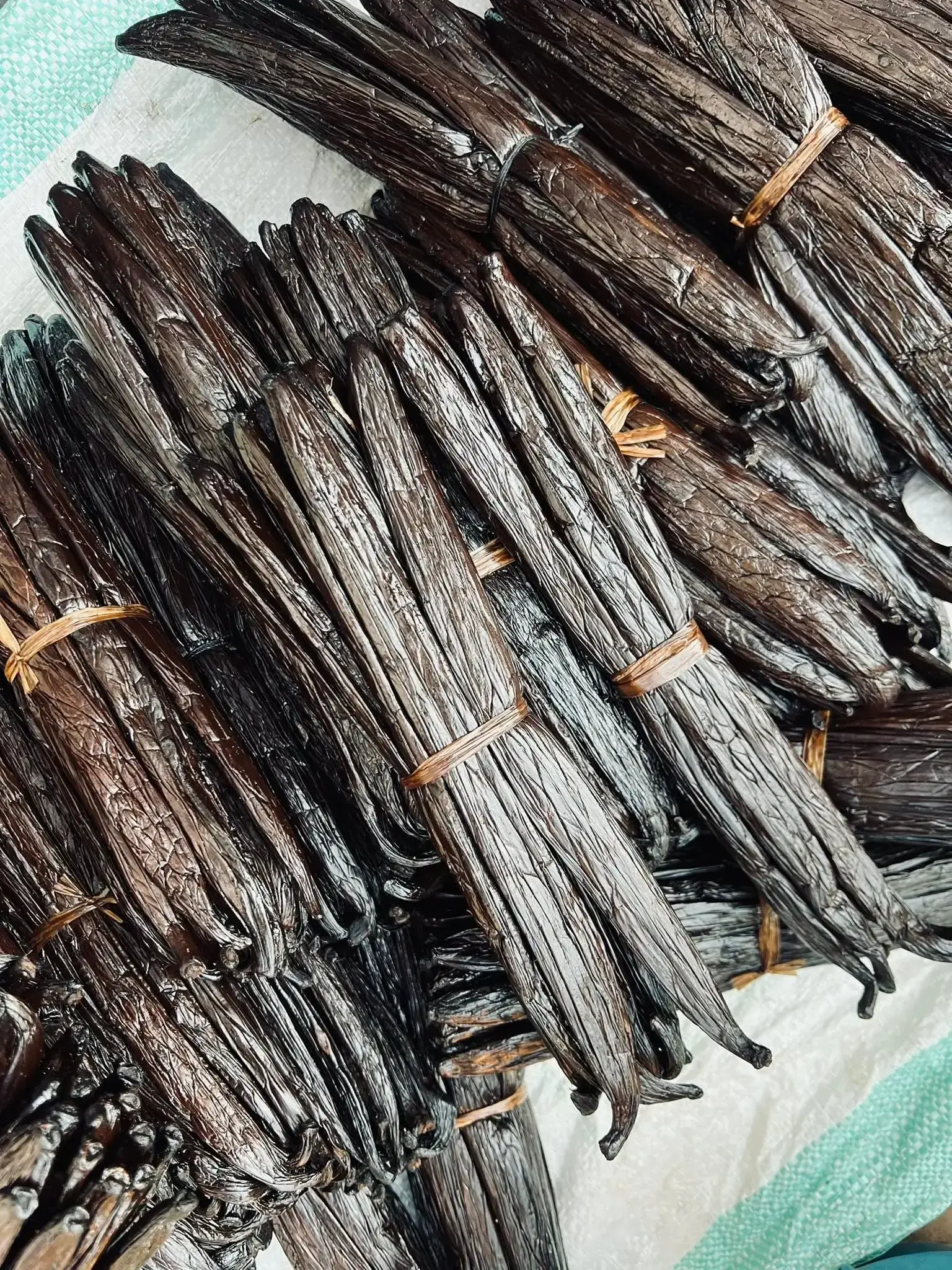
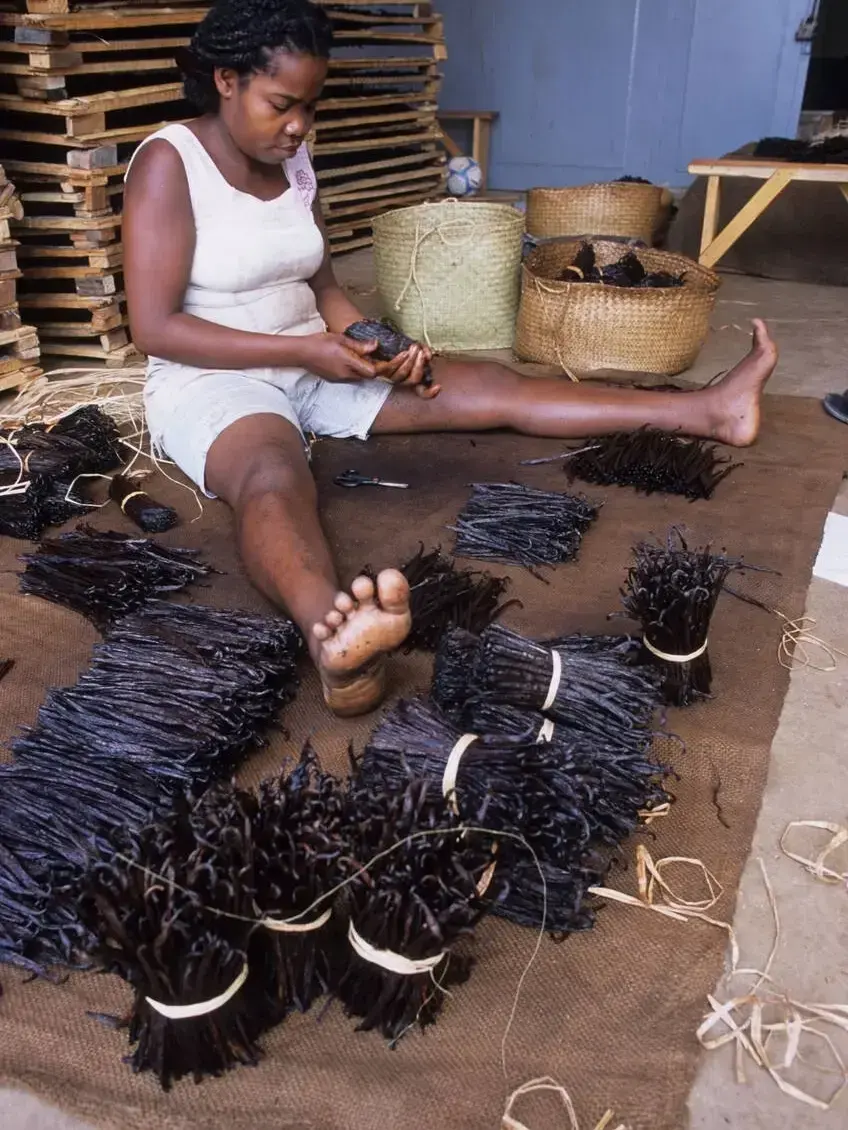
local rain and coastal humidity can change batch readiness fast, so early export planning helps keep vanilla moving.
Contact our export team to request samples, access the buyer portal, or get a certified export quote.
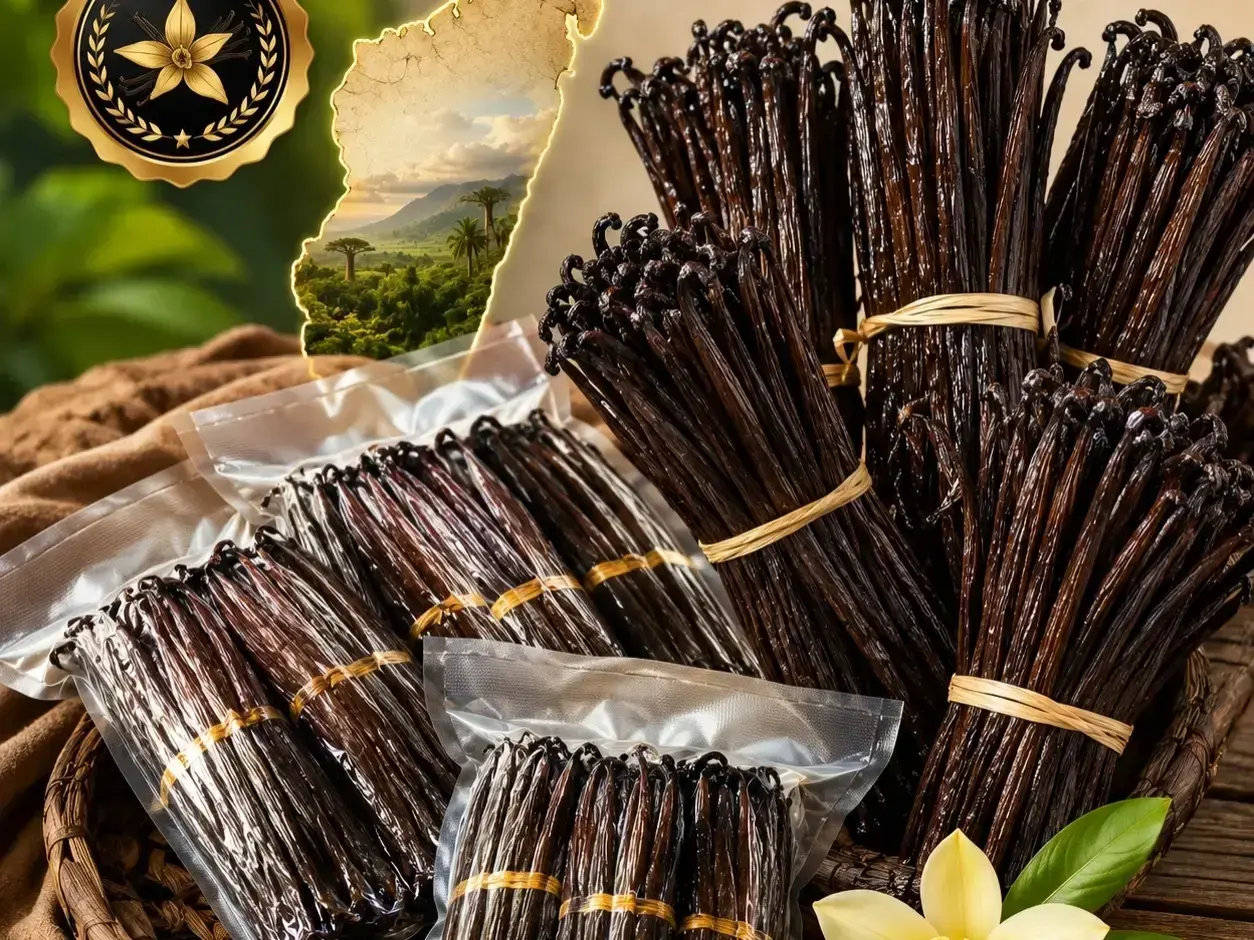
A buyer in Mananjary, Madagascar may need Export vanilla to Asia after rain has slowed curing and storage space is tight. That matters because wet conditions can change aroma, color, and handling needs before shipment. Vanillababa would check batch condition, document readiness, and source timing before anything moves.
A processing site in Mananjary, Madagascar can have limited access after storms, especially when road conditions shift near the coast. That affects pickup timing, lot protection, and how samples reach the buyer. The right approach starts with access review, then traceability and document planning that fit the site.
A buyer comparing providers in Mananjary, Madagascar may see similar product claims but very different paperwork habits. The real difference shows up in sample consistency, batch traceability, and how clearly each party explains the next step. A safer choice is the one that shows the full path from source lot to export file.