
Lot Intake and Curing Review in Antalaha
We start with the lot record, curing condition, and visible grade markers. That step matters in Antalaha because mixed drying times can change how the batch should be grouped before export.
Antalaha's vanilla trade depends on dry curing, careful grading, and clean documents. That mix matters when buyers in China ask for traceable lots.
Antalaha sits inside Madagascar's vanilla belt, so buyers face uneven harvest timing and changing lot quality. That matters because China buyers usually want stable grades, clean records, and fewer surprises. Vanillababa treats Vanilla Export work as a document-and-quality chain, not a loose buying process.
We keep sample orders, batch notes, and export records tied together, so each lot stays easier to track. Downtown Antalaha, the market edge near the port road, and inland supply routes each move at a different pace. Those differences change how fast samples move, how quickly records get checked, and how much follow-up each buyer needs.

Vanillababa provides comprehensive Export vanilla to China in Antalaha. Here's what you get:
We start with the lot record, curing condition, and visible grade markers. That step matters in Antalaha because mixed drying times can change how the batch should be grouped before export.
We separate sample sets by batch and keep them linked to the source file. In Antalaha, that avoids confusion when two lots look close but behave differently after curing.
In Antalaha, We prepare the export file, batch notes, and shipment records together. The goal is to keep the China buyer file consistent before the lot reaches the next handoff point.
We match packing details to the batch record and buyer order. This step is useful in Antalaha because small label errors can slow the export path later.
Antalaha isn't a generic buying point, because curing, grading, and transport all move through a vanilla-specific supply chain. In this area, the buyer needs better batch records and sample checks than in a market that handles simpler goods.
Antalaha supply can shift after rain, drying delays, or harvest timing changes. We keep batch records tied to the lot, so buyers can see what changed and why it matters.
Antalaha buyers need paperwork that matches export checks, not loose notes. We prepare the file set with sample order details, traceability, and shipment records that fit China-bound vanilla work.
Sample review matters when curing quality varies between lots in Antalaha. We keep sample orders linked to the batch, so the buyer can judge grade before moving forward.
In Antalaha, We won't push a lot that doesn't fit the buyer's target grade or timing. If the vanilla isn't ready for export, we say so before more time gets tied up.
In Antalaha, Sava's supply pattern isn't uniform, and that affects grade, timing, and follow-up. We work with that range in mind, so the sourcing plan stays realistic from one lot to the next.
You get cleaner lot control when harvest records stay tied to each batch in Antalaha.
In Antalaha, You can review samples before larger commitments, which cuts down on mismatch risk.
In Antalaha, You get export paperwork that fits China buyer checks and reduces avoidable delays.
In Antalaha, You can work across Sava supply zones without losing track of grade differences.
In Antalaha, You keep communication simpler because the buyer portal holds notes, samples, and documents together.
You make better sourcing decisions because local curing and grading realities stay visible from the start.
Vanillababa ensures every Export vanilla to China order meets the highest standards—from sourcing through delivery. Here is what guides our process.
Every batch of Export vanilla to China is inspected and graded before it leaves our facility, so you receive exactly what was agreed.
Complete documentation—origin certificates, quality reports, and shipping details—accompanies every order.
Dedicated communication throughout the process—from initial inquiry to confirmed delivery at your destination.
A China buyer needed a stable vanilla lot from Antalaha, but the initial sample set didn't match the buyer's target grade. The main risk was moving forward with a batch that would fail review later.
Vanillababa rechecked the batch record, separated the sample by lot, and matched the export notes to the buyer's review file. That kept the comparison tied to one source and one grade path.
The buyer could review the right sample set and decide with less uncertainty. The export file stayed organized for the next shipment step.
Outcome focused on cleaner lot alignment and clearer shipment records.
A buyer sourcing across Sava needed several vanilla lots, but each one had different curing notes and handling dates. That made the export file hard to read and slowed the decision process.
We grouped the lots by batch, kept traceability notes separate, and used the buyer portal to keep documents in order. This made the lot comparison easier without mixing source records.
The buyer could compare lots without losing track of grade or origin. The next shipment step became easier to plan.
Outcome focused on better batch comparison and fewer document gaps.
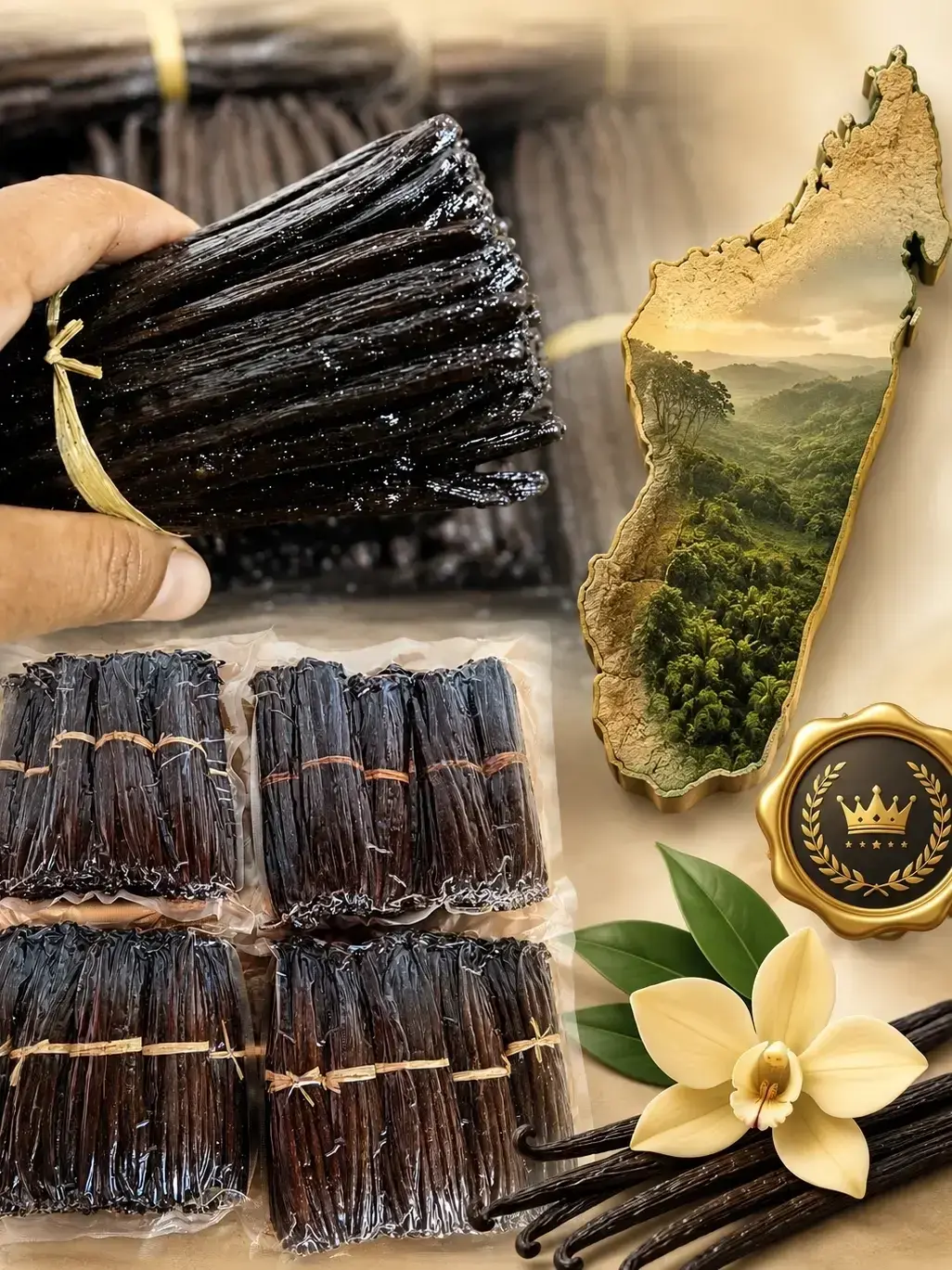
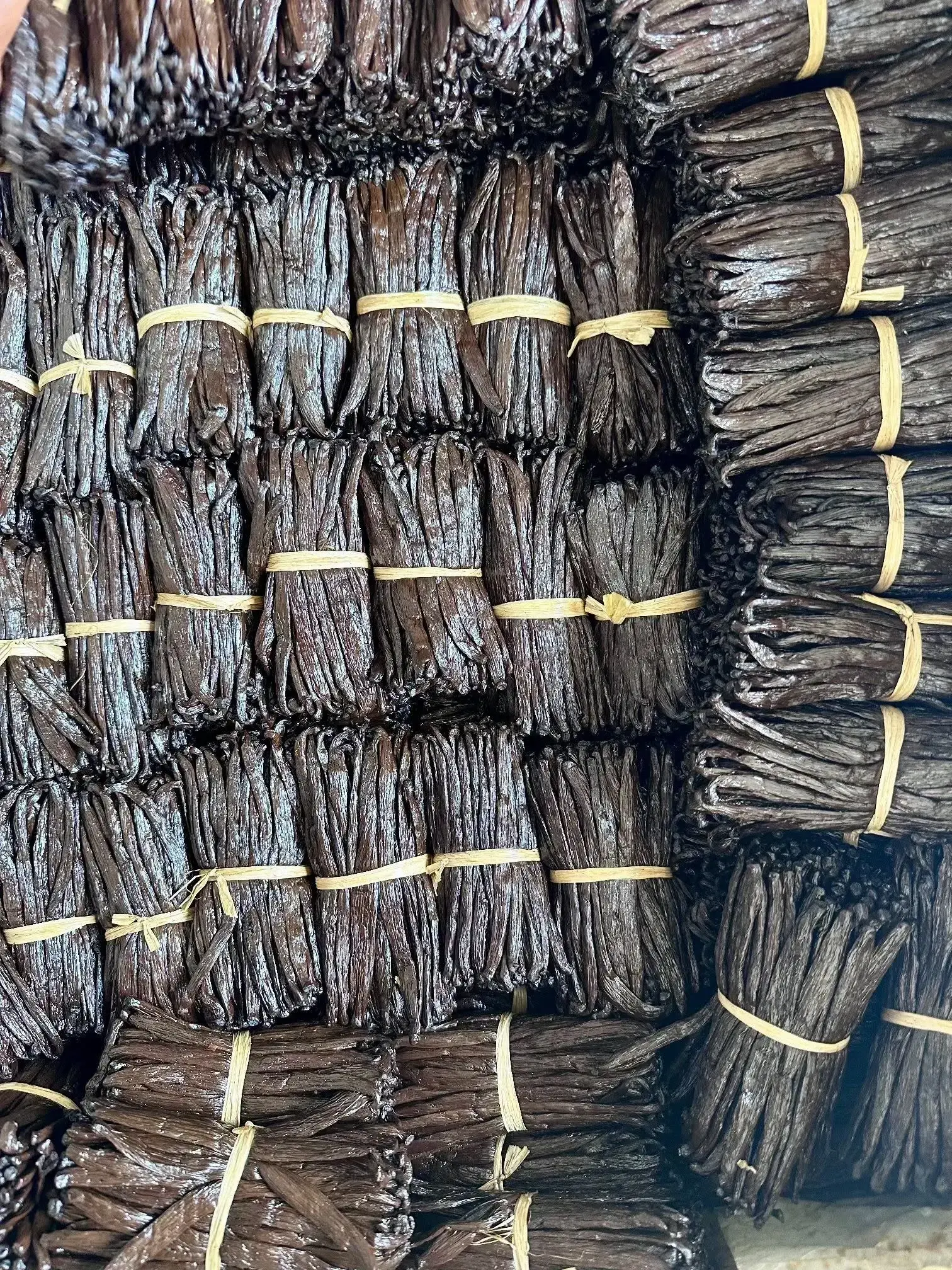
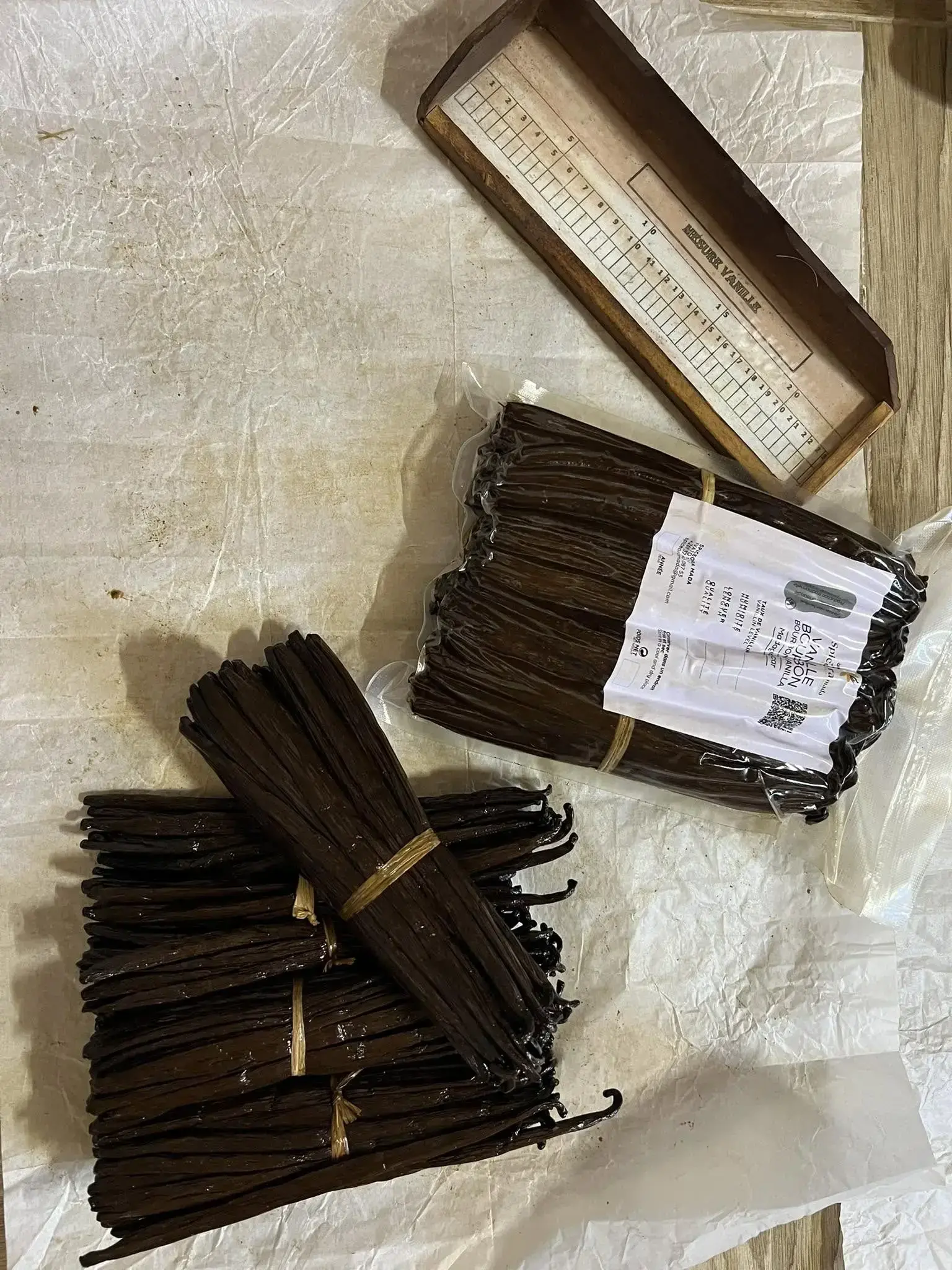
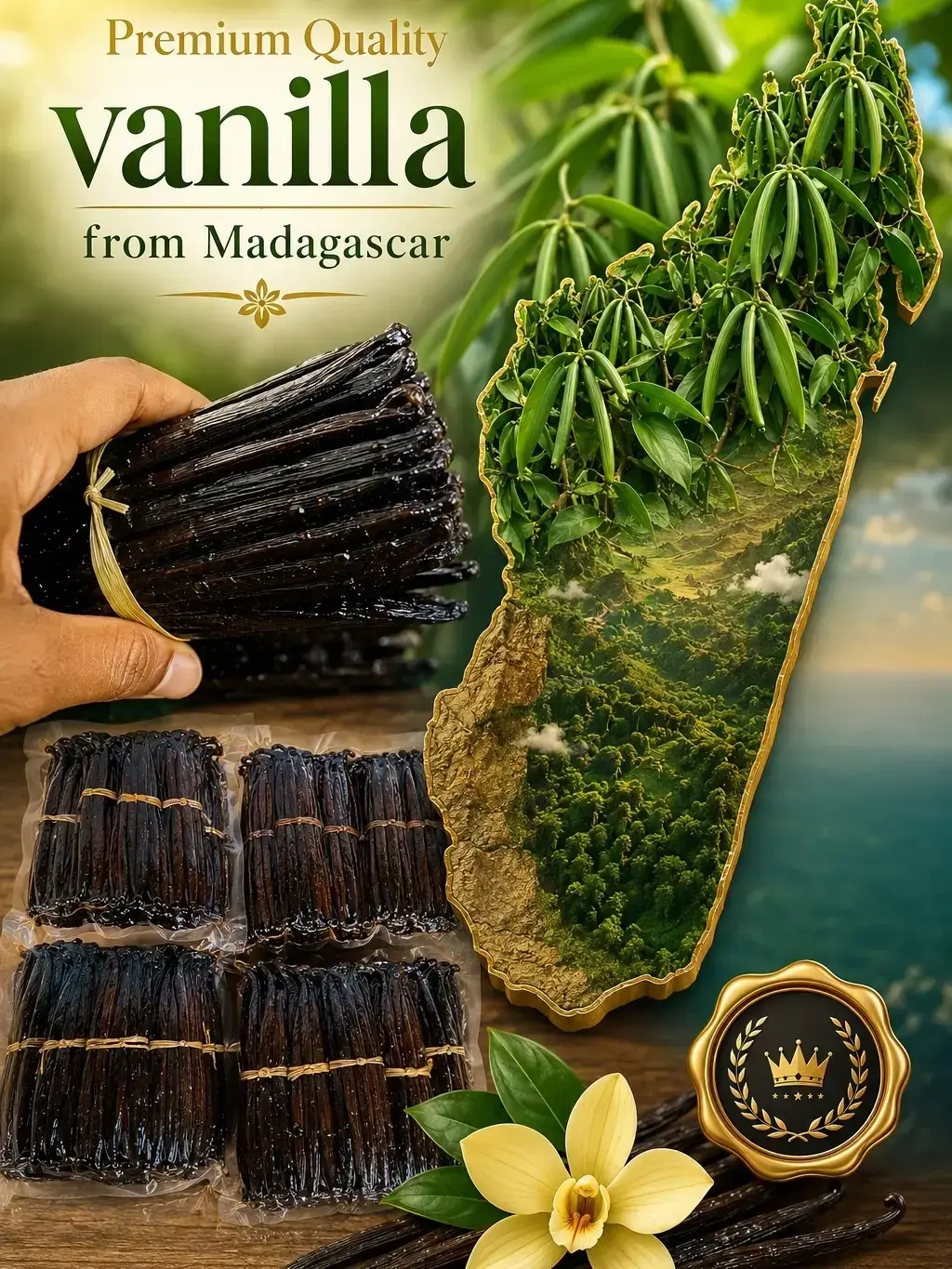
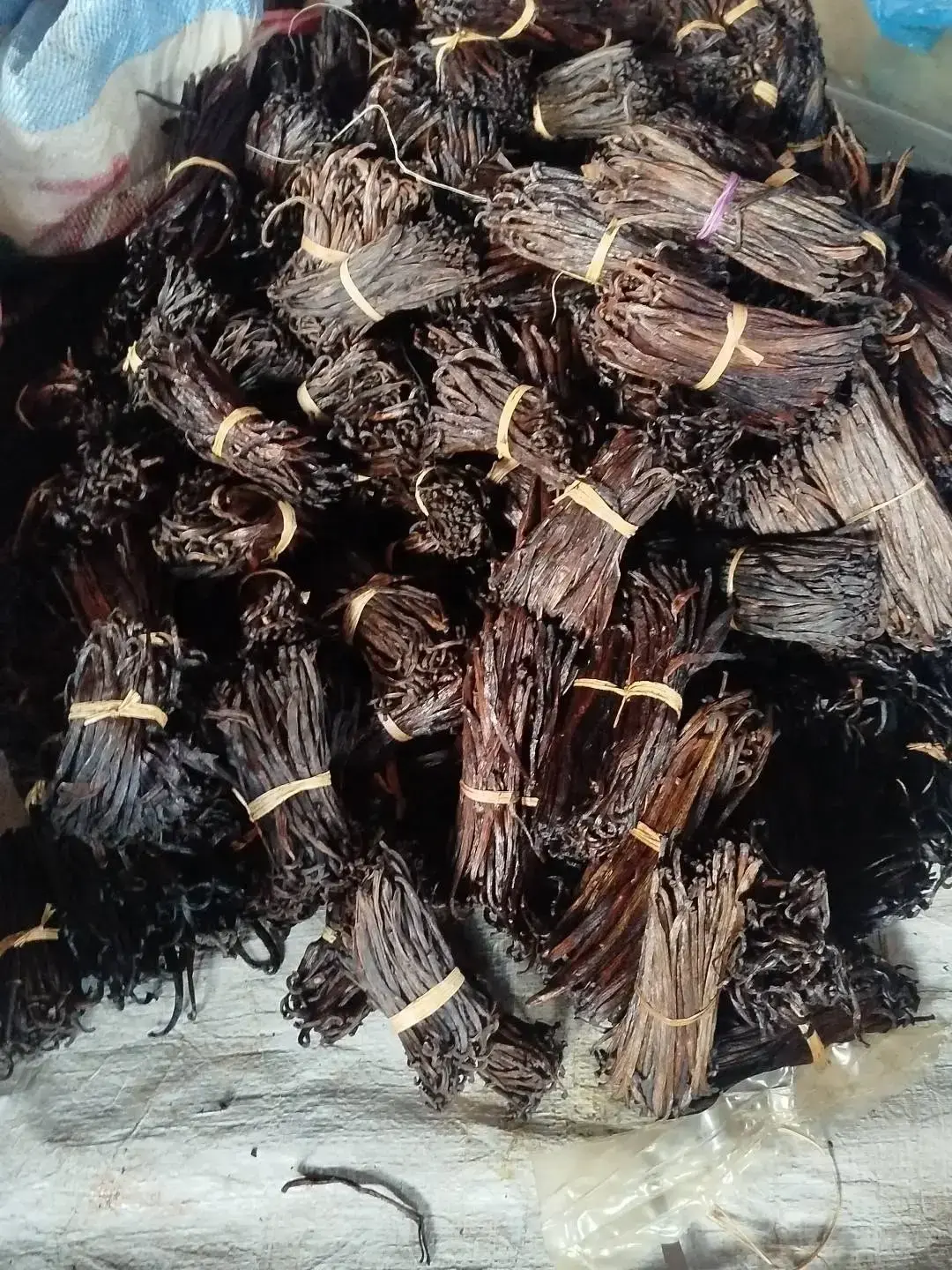
Reach out for the first lot review, and we'll organize the batch record, sample set, and export document checklist.
Contact our export team to request samples, access the buyer portal, or get a certified export quote.
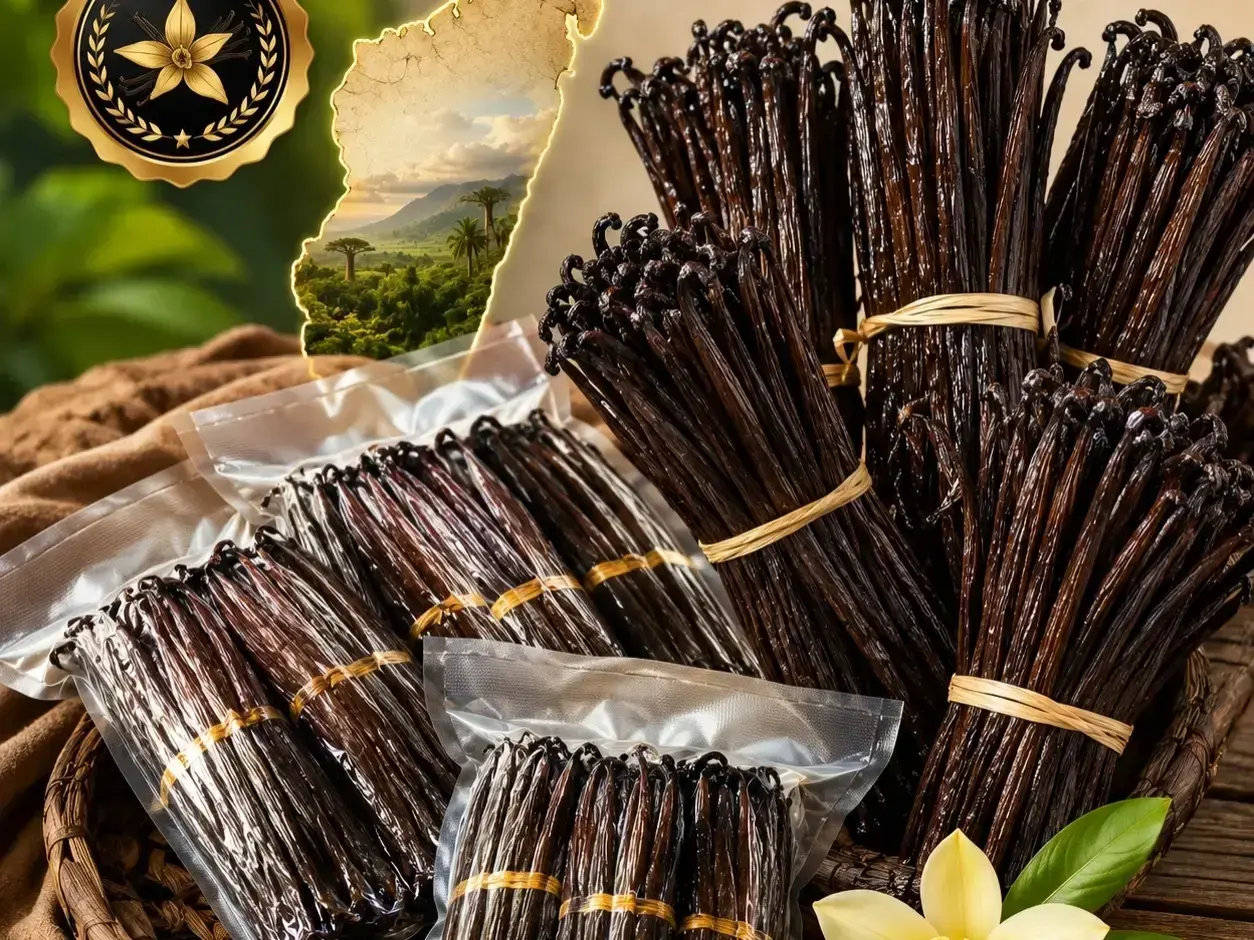
A buyer in Antalaha, Sava has vanilla ready, but the batch notes are scattered and the China shipment can't move yet. That delay matters here because harvest timing, drying condition, and export papers have to line up before any lot leaves the area. Vanillababa would sort the lot record, confirm the grade, and flag what still needs to be fixed.
A storage room near Antalaha, Sava can hold vanilla, but access is tight for packing and document handoff. That affects export timing, because a small delay in the packing step can ripple into sample review and shipment prep. The approach would adapt by tightening the pickup plan, matching batch labels, and keeping every document tied to one lot.
A procurement lead in Antalaha, Sava is comparing exporters and wants to know what really separates them. The answer usually comes down to traceability, sample handling, and whether the provider can explain curing and grading without hiding weak points. We would show the buyer how each lot is tracked, then explain where a better next step exists and where it doesn't.