
Lot Mapping and Grading in Mananjary
We start with lot mapping, then sort by grade, moisture, and format. That keeps each batch easier to verify, especially when Mananjary humidity has slowed curing or shifted packing timing.
Mananjary’s heat and humidity can change curing and packing timing, so export handling has to stay tight. We keep the paperwork, samples, and batch records lined up with the shipment.
Mananjary’s coastal humidity affects curing, drying, and packing, so timing matters more here. Buyers also watch how monsoon rains can slow movement from farm to collection point. Vanillababa handles Export vanilla to America with batch records, sample orders, and export documents.
We keep the process clear, so buyers can compare grades and formats before they commit. Mananjary town, Mananjary municipality, and the road corridors inland don’t move the same way after heavy rain. That’s why one buyer may need faster sample handling, while another needs tighter lot separation and steady documentation.

In Mananjary, You get clearer lot separation, which matters when humid weather slows curing.
In Mananjary, You can review samples before committing to larger American orders.
In Mananjary, You keep stronger origin records for Madagascar Bourbon vanilla.
You reduce confusion during rainy-season packing and document checks in this region.
In Mananjary, You can plan supply before weather makes inland movement harder.
In Mananjary, You get a simpler review path for grades, formats, and export paperwork.
Vanillababa provides comprehensive Export vanilla to America in the surrounding area. Here's what you get:
We separate batches by origin, grade, and format. In Mananjary, that matters when humid coastal weather can blur simple visual sorting.
Sample orders move early, so buyers can compare aroma, moisture, and appearance before larger commitments. That helps when the local road conditions change after rain.
Pre-harvest contracts help buyers plan around the region’s seasonal rhythm. We map supply before curing windows tighten and export timing gets harder.
We won’t push a batch that isn’t ready for export. If the vanilla in Mananjary needs more curing or better separation, we say so.
In Mananjary, Export paperwork stays tied to the lot, sample, and shipment record. That keeps American buyers from chasing missing details after the vanilla leaves Madagascar.
local rainy season can slow drying, curing, and road access. Buyers usually want tighter planning before the wet months settle in, because humidity can hold back packing and sampling.
Dryer spells are better for sample review and final lot checks. If your order depends on inland collection, build in more time when storms are active along the coast.
We start with lot mapping, then sort by grade, moisture, and format. That keeps each batch easier to verify, especially when Mananjary humidity has slowed curing or shifted packing timing.
Sample validation checks aroma, appearance, and consistency before larger commitments move ahead. In Mananjary, this step helps buyers avoid confusion when weather changes the look of nearby lots.
We tie the invoice, traceability notes, and shipment records to the same lot reference. That reduces document drift, which matters when Mananjary pickup routes get delayed by rain.
In Mananjary, Pre-harvest planning locks expected volumes to known sourcing windows. It helps buyers keep supply on track when the coastal season makes field timing less predictable.
A buyer needed export vanilla from Mananjary, but the first lot showed uneven drying after a wet stretch. The concern was whether the batch was ready for American review without confusion over grade.
We separated the lot by batch, checked the sample set, and aligned the export documents with the revised records. The process used lot traceability and sample control rather than a rushed shipment.
The buyer got a cleaner sample set and a clearer decision path. The shipment record was easier to follow from the local market to the next stage.
Outcome described without numeric claims.
A buyer wanted future vanilla supply from Mananjary, Madagascar, but the rainy season threatened pickup timing. The challenge was keeping the contract and export path organized before field conditions shifted.
We used pre-harvest contract planning, batch mapping, and export document preparation. That kept the supply plan tied to known lots and reduced last-minute confusion.
The buyer had a clearer supply path and better timing control. The order stayed easier to coordinate through the wet season.
Outcome described without numeric claims.
Vanillababa ensures every Export vanilla to America order meets the highest standards—from sourcing through delivery. Here is what guides our process.
Every batch of Export vanilla to America is inspected and graded before it leaves our facility, so you receive exactly what was agreed.
Complete documentation—origin certificates, quality reports, and shipping details—accompanies every order.
Dedicated communication throughout the process—from initial inquiry to confirmed delivery at your destination.
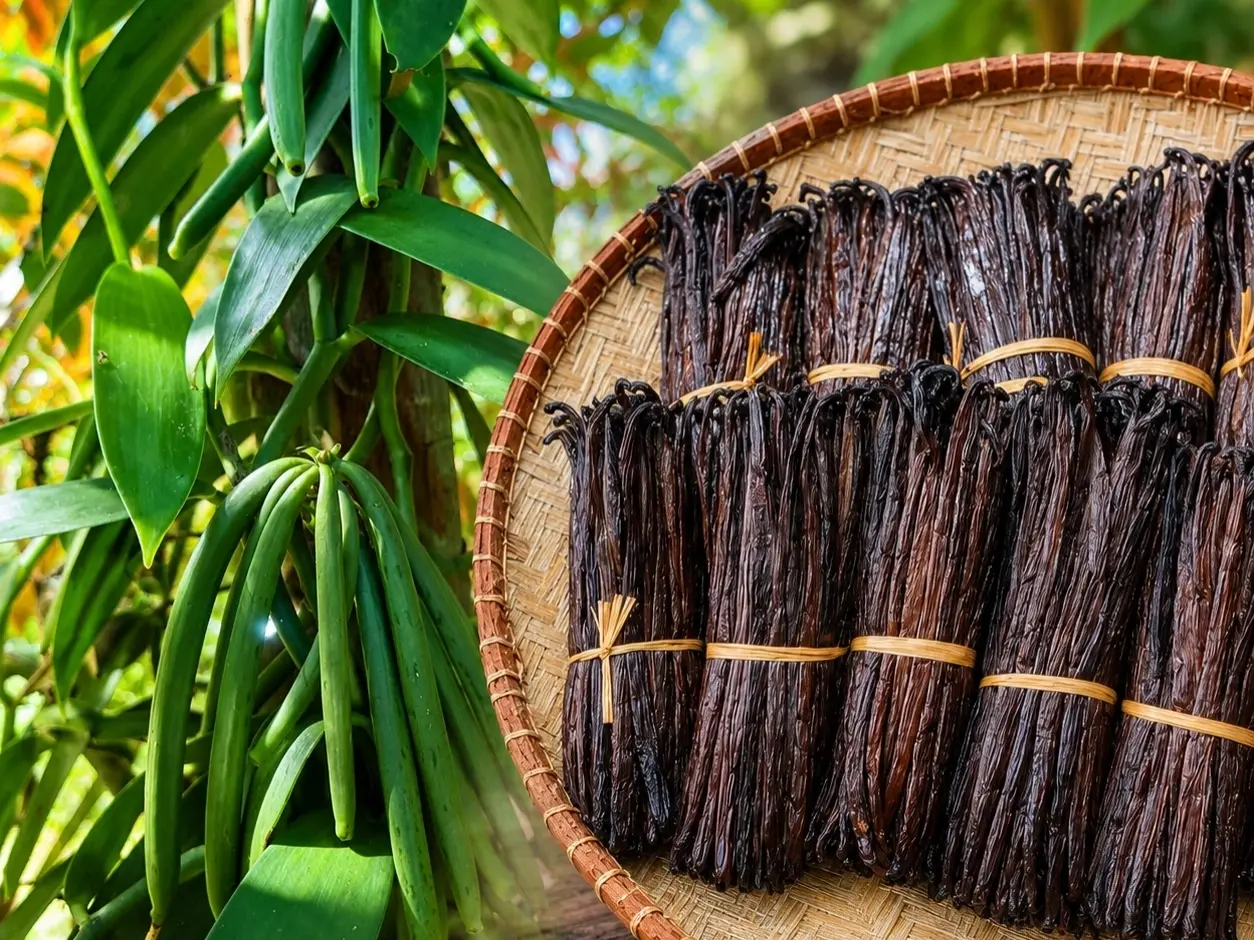
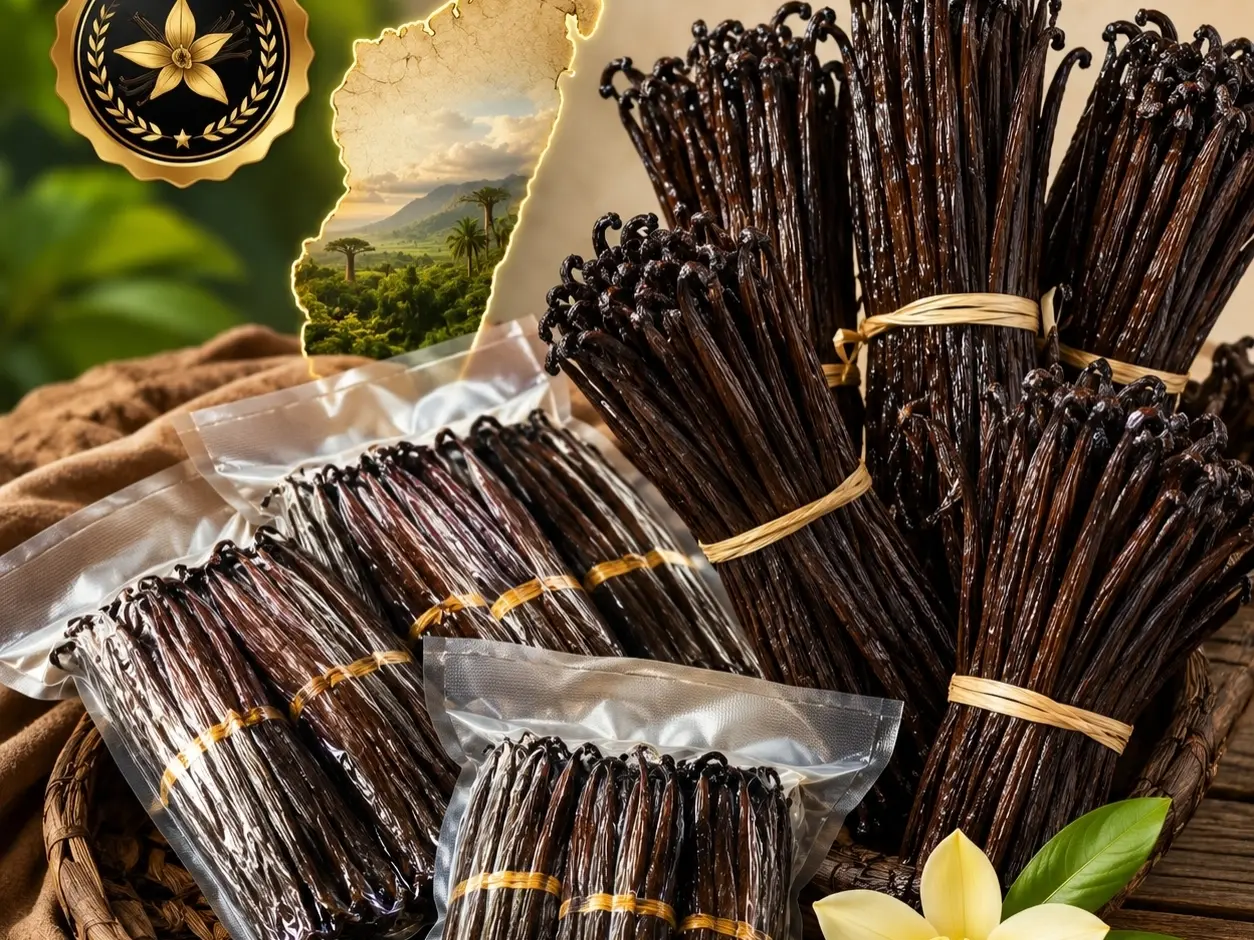


The area's humidity and rainy-season timing can change export readiness fast, so it’s worth getting the batch plan set early.
Contact our export team to request samples, access the buyer portal, or get a certified export quote.

A buyer in Mananjary, Madagascar may have a sample but no export roadmap. The problem is usually traceability, grading, and document order, not the vanilla source itself. We’d map the batch first, then decide what still needs curing, relabeling, or export paperwork before moving toward America.
A buyer in Mananjary, Madagascar may be tied to a launch date or production window before the wet season settles in. That creates pressure on sample review and lot release, because inland routes and drying space can both tighten fast. The right move is to confirm the batch plan early and keep the records tied to each lot.
A warehouse move in Mananjary, Madagascar can change airflow, label control, and packing speed for vanilla batches. That matters when export work depends on dry handling and clean batch separation. We’d check the storage setup, confirm lot references, and make sure the shipment file still matches the product path.