
Lot Mapping and Origin Check in Farafangana
We start with lot mapping and origin notes, because a mixed source can blur the final grade. This step matters in Farafangana, where collection routes can cross several hands before packing.
Farafangana’s vanilla crop needs careful sorting, clean records, and export-ready paperwork. We keep the buyer side clear, so each shipment can move with fewer surprises.
Farafangana growers face uneven harvest timing, and that can change bean color and moisture. Buyers want clean records, because export vanilla needs proof before the goods leave Madagascar. Vanillababa separates grades, sample lots, and bulk orders before packing starts.
In Farafangana, that helps because collection paths and storage conditions can vary between the coastal edge and inland farming areas. A buyer in a busy collection area may need faster samples, while a pre-harvest contract buyer needs tighter lot notes. The result is a cleaner export path, fewer back-and-forth questions, and better control over what reaches America.
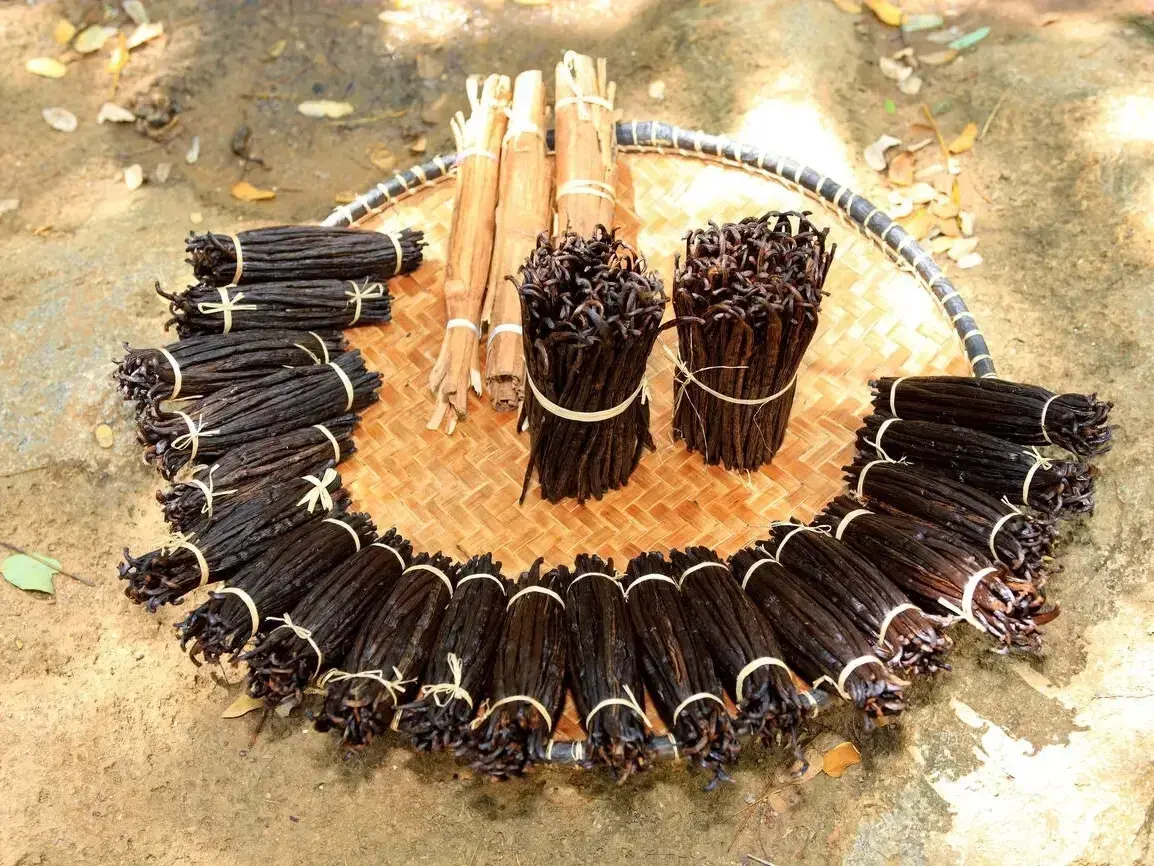
Clean lot records help Farafangana buyers separate strong beans from mixed inventory.
In Farafangana, Batch traceability makes it easier to compare sample quality with final shipment quality.
In Farafangana, Export documents reduce hold-ups when American buyers ask for proof and origin notes.
Farafangana sourcing gets more stable when pre-harvest contracts set expectations early.
In Farafangana, Buyer portal access keeps communication organized across grading, packing, and shipping.
In Farafangana, Practical grade control lowers confusion when moisture levels shift after collection.
Vanillababa provides comprehensive Export vanilla to America in this region. Here's what you get:
We start with lot mapping and origin notes, because a mixed source can blur the final grade. This step matters in Farafangana, where collection routes can cross several hands before packing.
We use grade sorting and cure-stage review to separate beans by condition, aroma, and presentation. That keeps Farafangana buyers from sending the wrong lot to an American buyer review.
We match sample orders to the same source lot that may later move in bulk. In Farafangana, that reduces confusion when buyers compare the sample with the final export lot.
We assemble export documents with origin notes, packing details, and buyer-ready records. This helps Farafangana shipments move with fewer questions when the American side asks for proof.
Farafangana shipments need clear lot separation, especially when beans come from different collection points. We keep grade notes, source notes, and sample links in one flow, so buyers can see what they’re getting.
Farafangana supply can change with harvest timing and weather. We use pre-harvest contracts to set expectations early, which helps buyers plan around real field conditions instead of guessing.
Traceability matters when American buyers ask for origin proof and batch detail. In Farafangana, we keep the record trail close to the lot, so the export file stays useful.
We won’t push a lot forward if the grade or cure stage isn’t ready. That can slow a sale, but it keeps Farafangana buyers from paying for avoidable quality problems.
The buyer portal keeps sample notes, documents, and order steps in one place. For Farafangana clients, that means fewer gaps between the first request and the final export file.
Farafangana vanilla work is shaped by moisture, collection distance, and lot mixing more than many inland sourcing areas. American buyers usually want stricter batch proof, so the export file has to be cleaner from the start.
A Farafangana buyer had mixed vanilla lots and no clean separation between sample and bulk stock. The American buyer needed proof of batch identity before moving ahead.
Vanillababa rebuilt the lot map, separated grades, and tied each sample to its source records. We used export documentation checks and buyer portal notes to keep the review process organized.
The buyer could compare the sample against the later bulk lot with much less confusion. That made the next shipment decision easier to explain.
Outcome described without fabricated numbers.
A Farafangana sourcing plan had no stable supply timing, so the buyer kept losing confidence in the order window. The problem was strongest where harvest timing changed by collection area.
We set a pre-harvest contract structure, then aligned grade expectations and documentation before packing. That gave the buyer a clearer path from field source to export file.
The order moved with fewer document gaps and fewer last-minute changes. The buyer had a cleaner basis for the America shipment decision.
Outcome described without fabricated numbers.
Vanillababa ensures every Export vanilla to America order meets the highest standards—from sourcing through delivery. Here is what guides our process.
Every batch of Export vanilla to America is inspected and graded before it leaves our facility, so you receive exactly what was agreed.
Complete documentation—origin certificates, quality reports, and shipping details—accompanies every order.
Dedicated communication throughout the process—from initial inquiry to confirmed delivery at your destination.
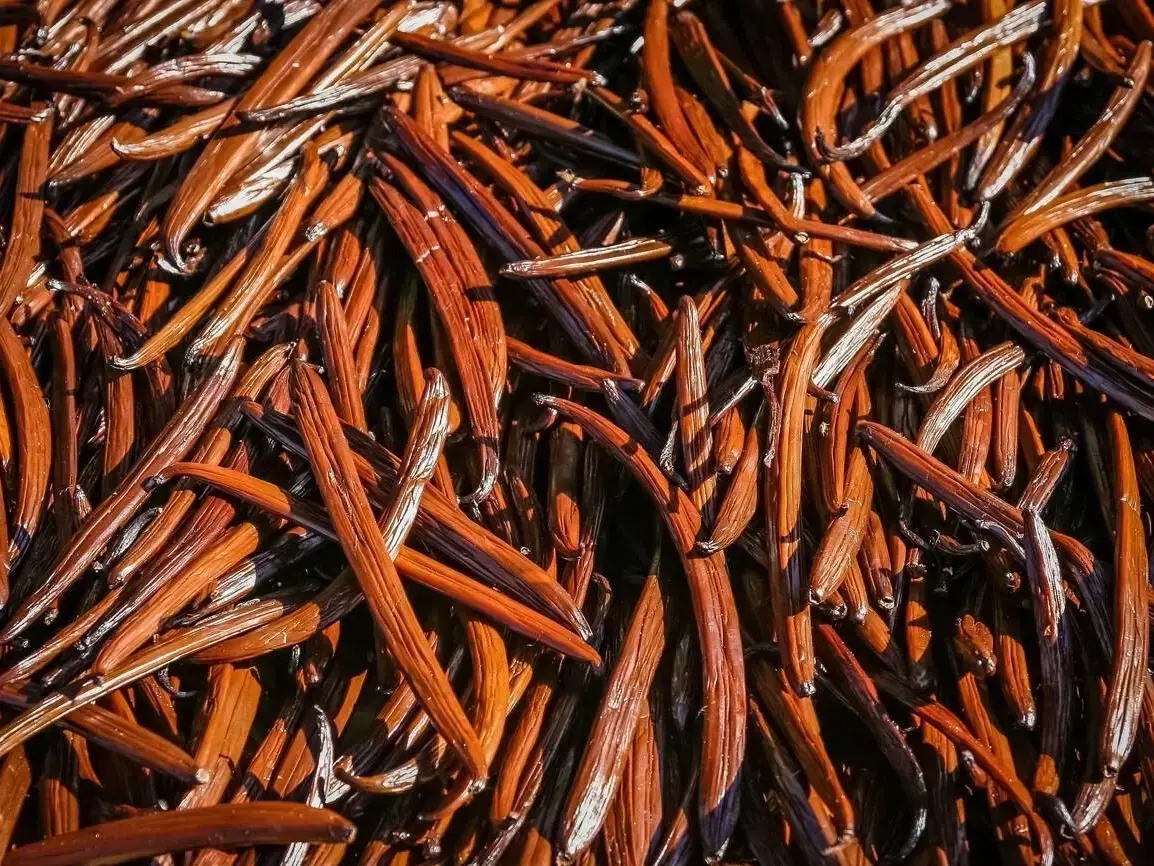
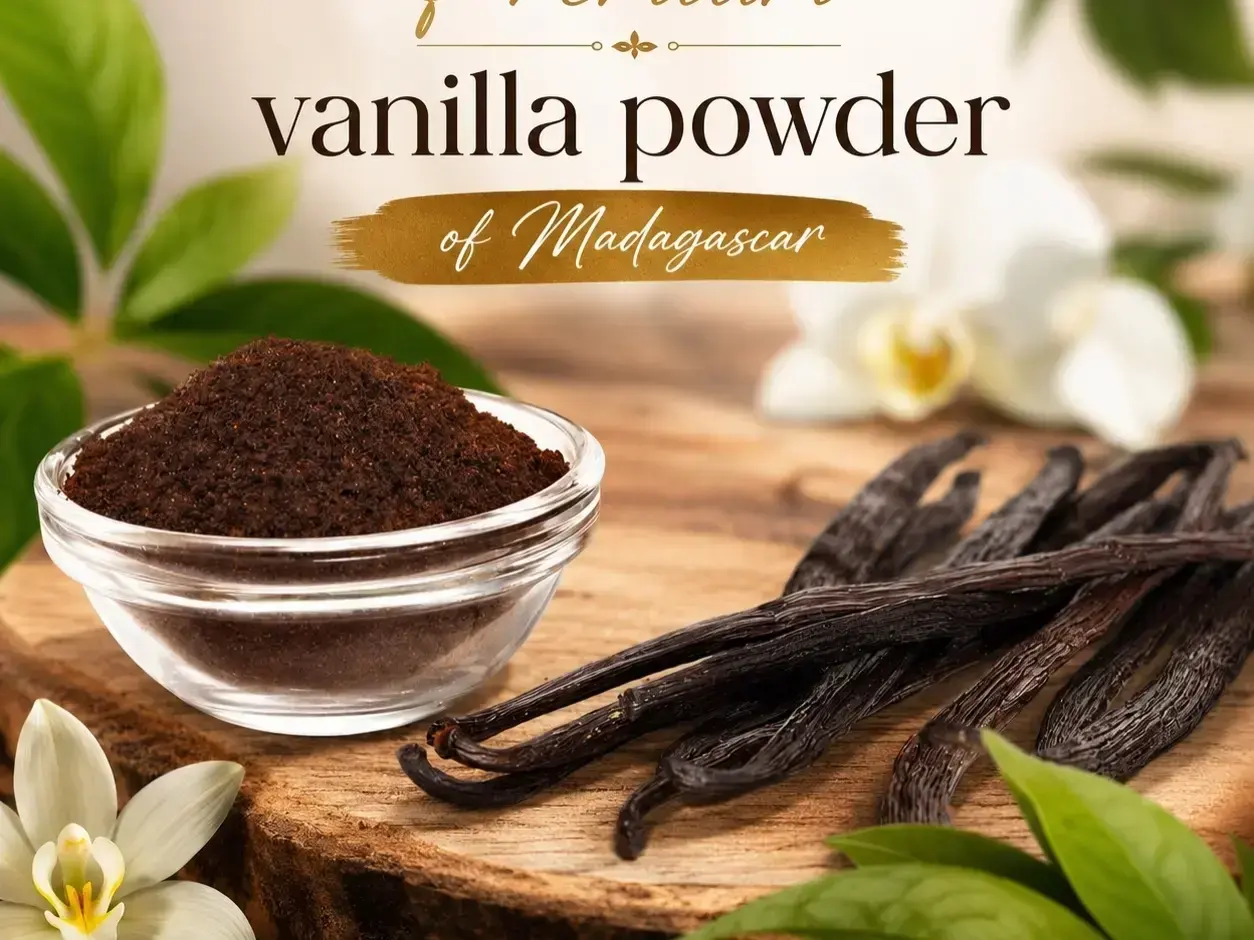
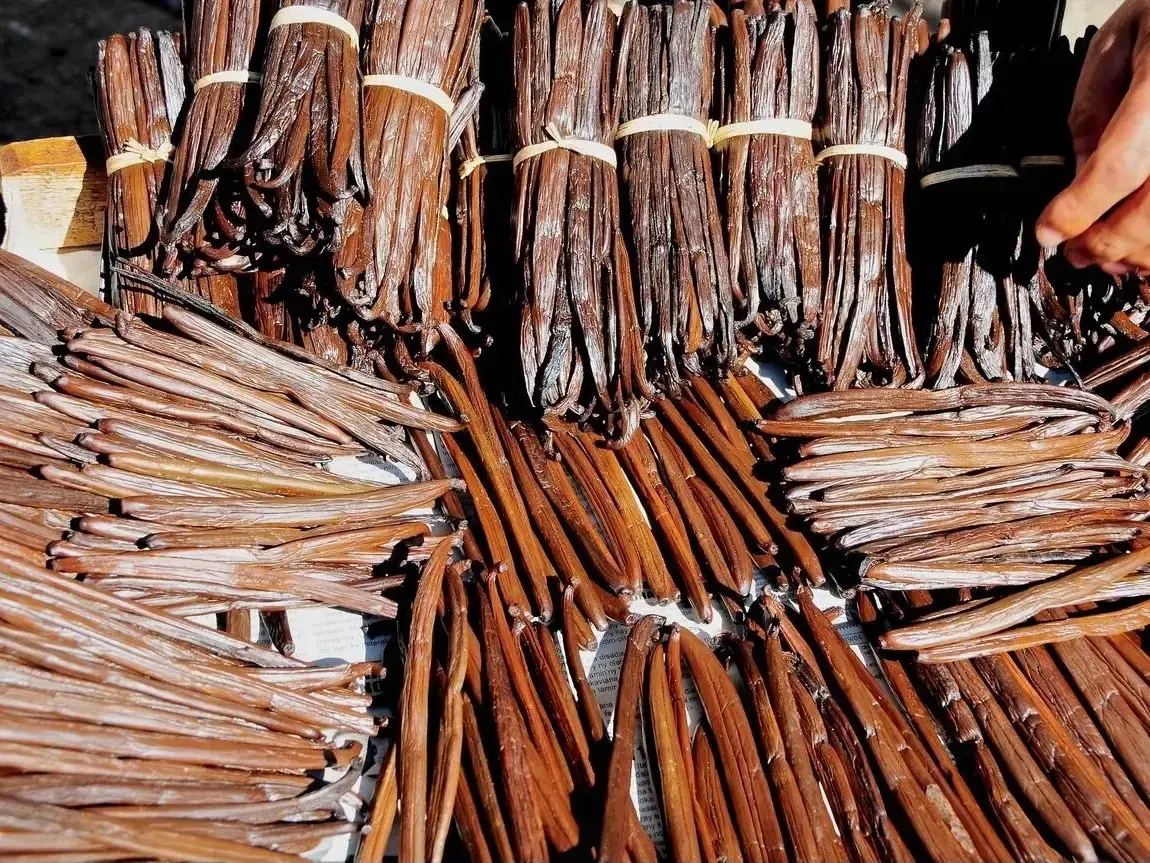

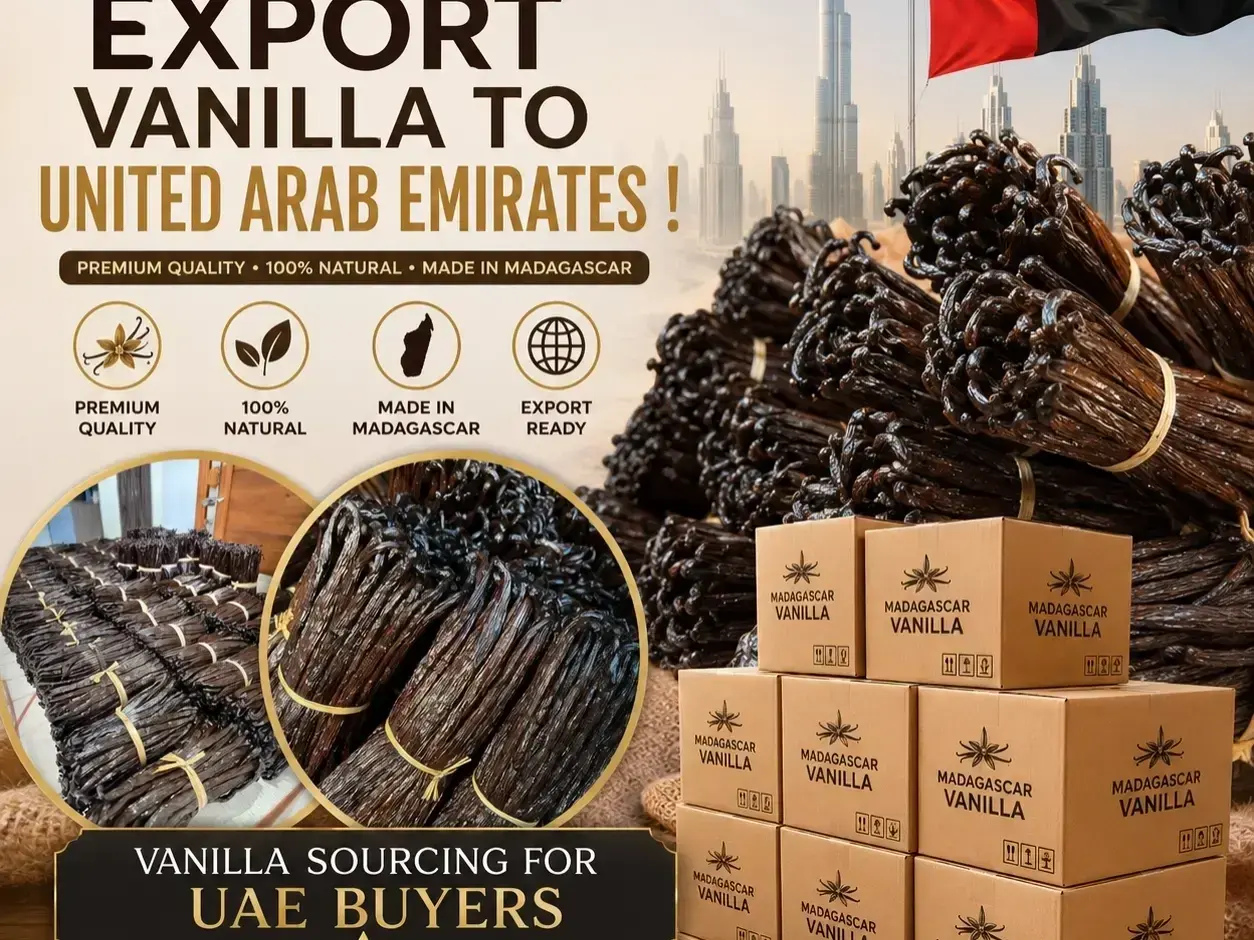
Contact us to align your Farafangana vanilla lot with traceable records, buyer samples, and export documents.
Contact our export team to request samples, access the buyer portal, or get a certified export quote.
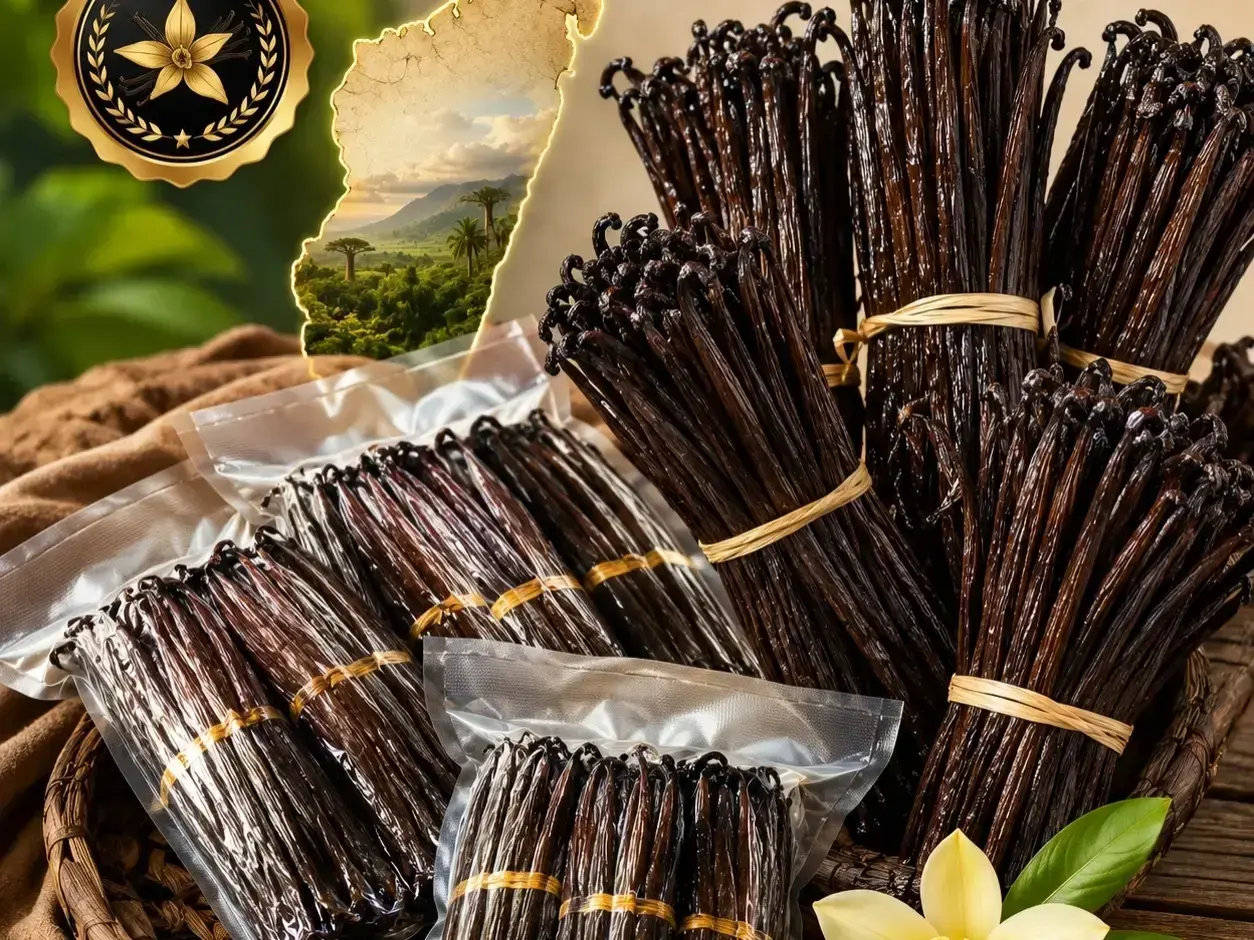
Scope clarity matters when a Farafangana, Madagascar buyer wants sample lots before committing to a larger vanilla export order. Vanillababa would check grade, cure stage, and batch notes first, then confirm what can be separated cleanly for America. That matters here because mixed lots from different collection points can blur quality if the record trail is weak.
A Farafangana, Madagascar storage site near active loading routes can change how vanilla gets sorted, packed, and documented. Narrow access, humidity, and short handling windows can all affect bean condition before export. We’d map the lot flow, then set the packing and document sequence around the site’s actual access limits.
A previous supplier left a Farafangana, Madagascar buyer with beans but little explanation, and that created doubt about origin and grade. We’d rebuild the batch trail, compare available records, and explain what can still move safely into the America export channel. The goal is a clear next step, not a guess about quality.