
Lot Mapping and Source Records in Ambilobe
We start with batch mapping, source notes, and grade records. That lets the buyer see which lot matches the order before beans move through Ambilobe pickup routes.
Ambilobe buyers need vanilla that fits curing, grading, and export paperwork. Our supply model keeps those steps aligned for international orders.
Ambilobe buyers often need beans that hold their grade after sorting and travel. Road conditions, humidity shifts, and curing stages can change how a lot looks on arrival. Vanillababa keeps the process tied to lot records, sample orders, and export documentation.
That helps buyers compare grade, moisture, and appearance before they commit to larger volumes. Around Ambilobe town, Sambava-bound trade patterns, collector routes, and storage points can affect timing. A buyer near the main road may need a different handoff plan than one sourcing from deeper inland collection points.
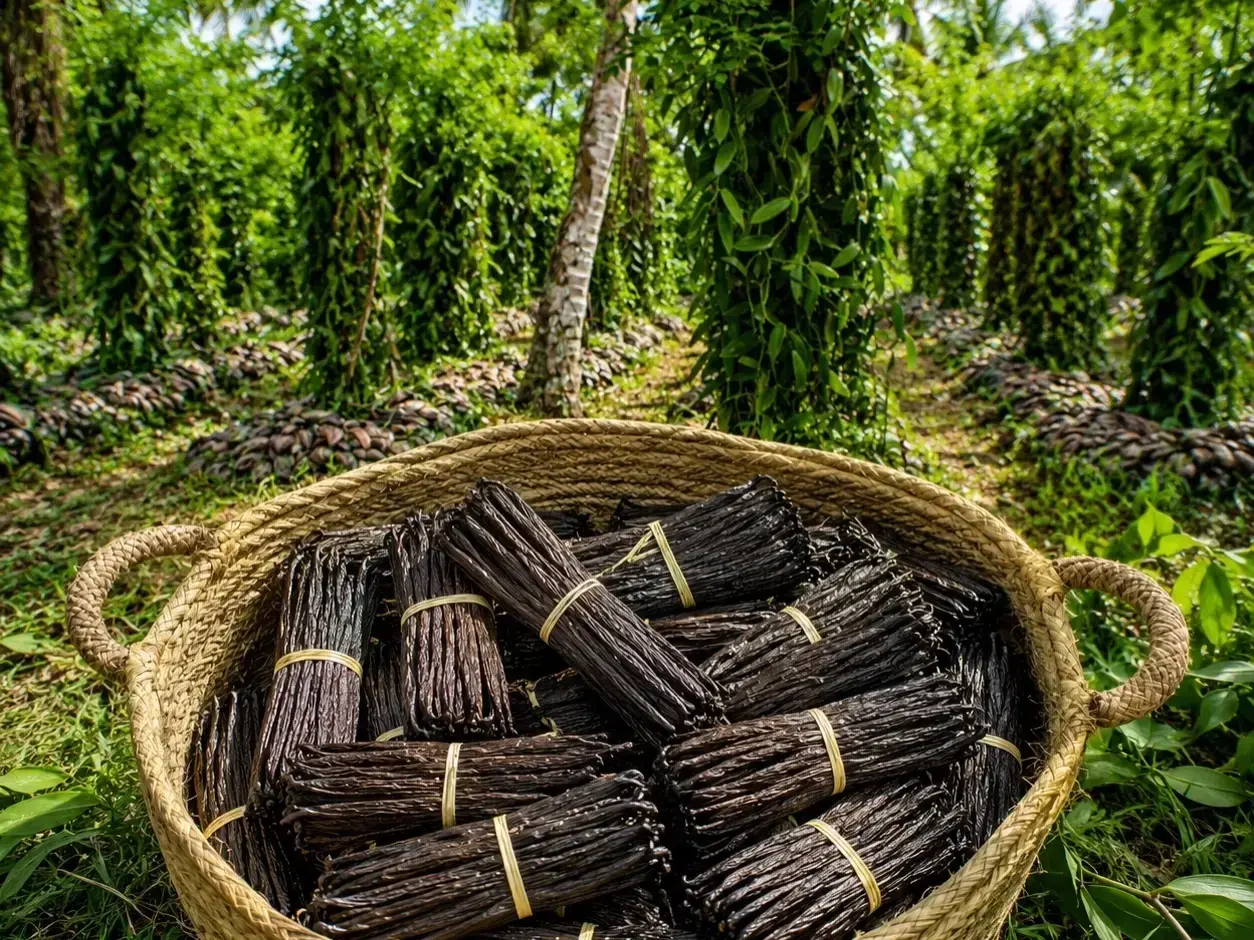
We keep each lot tied to its source and grade notes. In Ambilobe, that matters because beans can vary after curing and transport. Buyers get a cleaner basis for comparing lots before they scale up.
Ambilobe buyers often want to check aroma, moisture, and bean size before they move larger volumes. We support that with sample orders and clear batch records. It lowers the chance of mismatch after the first shipment.
We prepare the export document set alongside the order. In Ambilobe, that saves time when source points and pickup routes change during the season. Buyers can keep the paperwork tied to the same batch they approved.
We won't push a lot that doesn't fit the buyer's grade target. If a batch needs more sorting or tighter timing, we'll say so. That honesty matters in Ambilobe, where bean condition can shift between collection and export.
Our supply model works across this region and Other vanilla-growing areas in Madagascar. That helps buyers who need steady sourcing without changing their record-keeping each time the source zone shifts. It also keeps the export trail easier to follow.
Ambilobe sourcing depends on curing quality, road access, and how fast beans move from collection to sorting. In many Other markets, buyers worry more about storage alone, but here transport timing can change bean condition fast. That makes traceability and document control more important.
We start with batch mapping, source notes, and grade records. That lets the buyer see which lot matches the order before beans move through Ambilobe pickup routes.
We match sample orders to the same batch code used in bulk supply. In Ambilobe, that matters because curing differences can show up after the beans travel from source points.
We use curing-stage notes and sorting checks to confirm whether a lot is ready for export use. This step helps Ambilobe buyers avoid beans that still need more finish work.
In Ambilobe, We assemble export documents, lot references, and shipment records together. That keeps the paperwork useful for buyers who need a clean Vanilla Export trail.
Ambilobe buyers get clearer lot comparisons before bulk commitment.
In Ambilobe, Batch records help reduce confusion after sorting and packing.
In Ambilobe, Export documents stay linked to the right vanilla lot.
Road timing around the surrounding area can be planned with less guesswork.
In Ambilobe, Sample orders help buyers test quality before larger supply moves.
In Ambilobe, Pre-harvest contracts support steadier sourcing across Madagascar seasons.
Vanillababa provides comprehensive Wholesale vanilla beans in the area. Here's what you get:
A buyer needed a dependable wholesale lot from Ambilobe, but the first samples showed uneven size and finish. The buyer wanted export-ready beans without losing time on mismatched product.
We matched the sample to its batch record and checked curing notes, sorting notes, and document readiness. Then we narrowed the lot choices to the beans that fit the buyer's target profile.
The buyer moved forward with a clearer bulk order path and fewer unknowns around grading. The shipment trail stayed easier to verify.
Outcome described without fabricated numbers.
A source point outside the local market had slower pickup because road access had changed. The buyer needed wholesale vanilla beans, but timing risk was affecting bean condition and records.
We adjusted the collection plan, kept batch IDs intact, and aligned the export document set with the delayed handoff. That kept the lot traceable even with a changed transport window.
The buyer kept the order moving without breaking the paper trail. The final lot stayed tied to the approved sample and source records.
Outcome described without fabricated numbers.
Vanillababa ensures every Wholesale vanilla beans order meets the highest standards—from sourcing through delivery. Here is what guides our process.
Every batch of Wholesale vanilla beans is inspected and graded before it leaves our facility, so you receive exactly what was agreed.
Complete documentation—origin certificates, quality reports, and shipping details—accompanies every order.
Dedicated communication throughout the process—from initial inquiry to confirmed delivery at your destination.
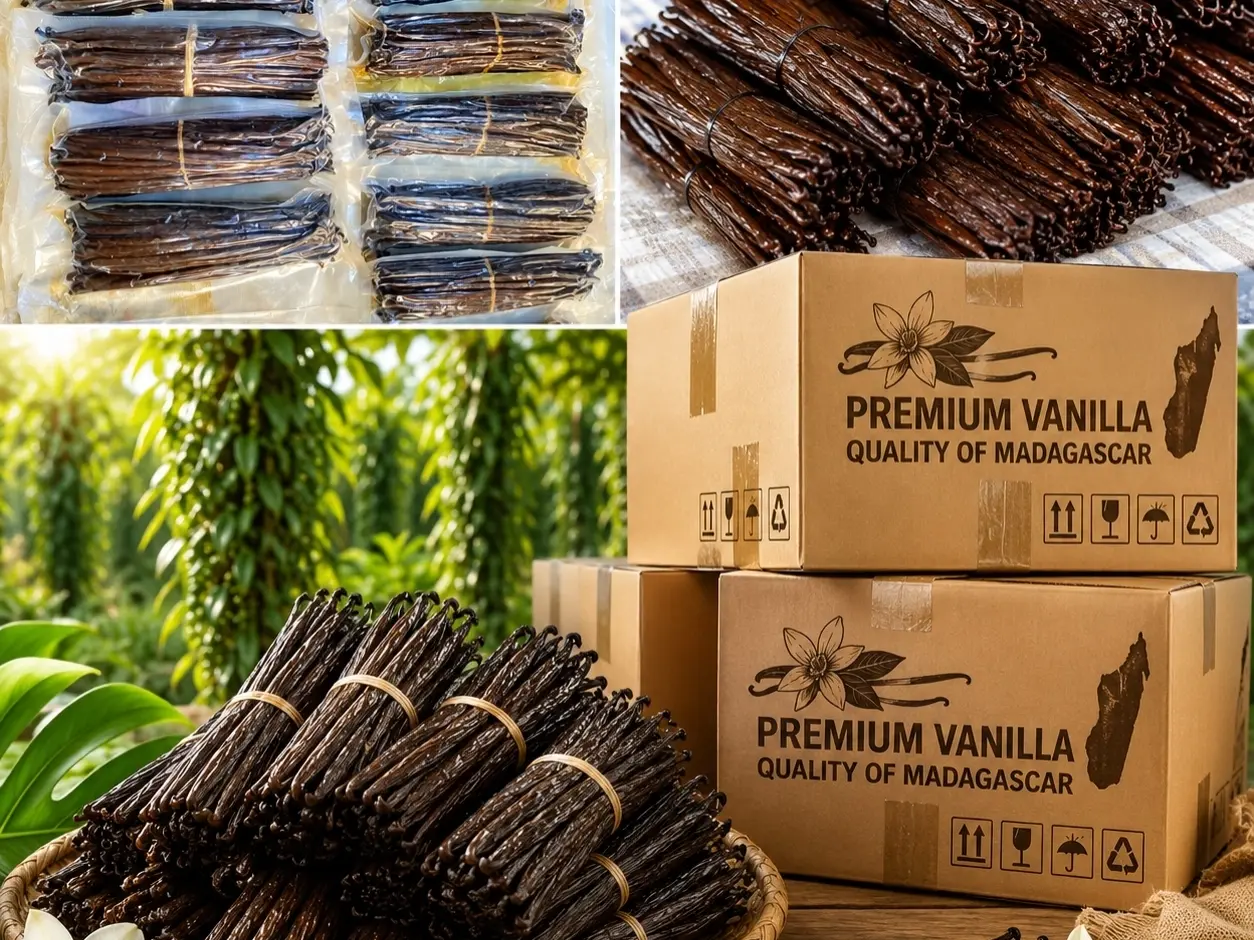
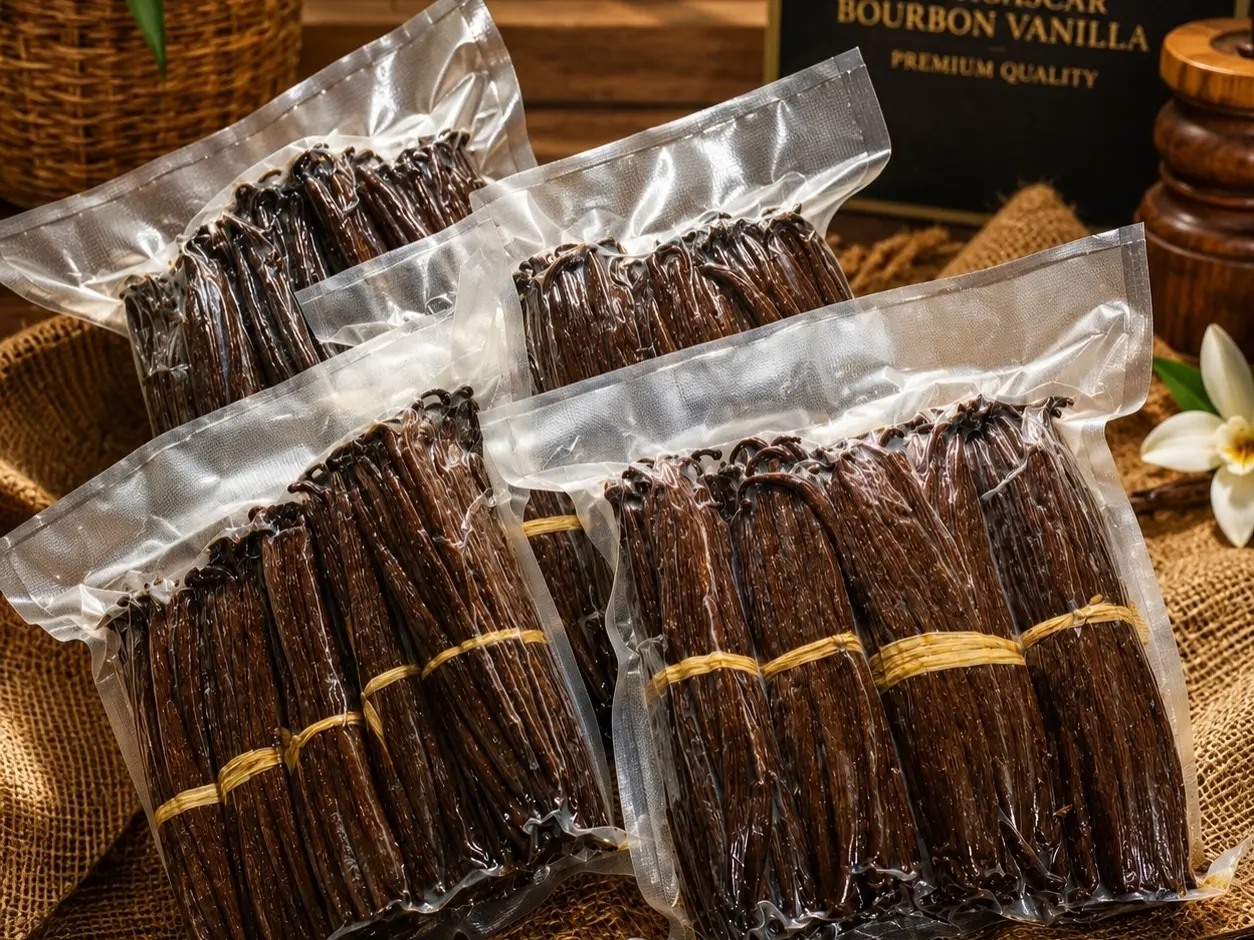
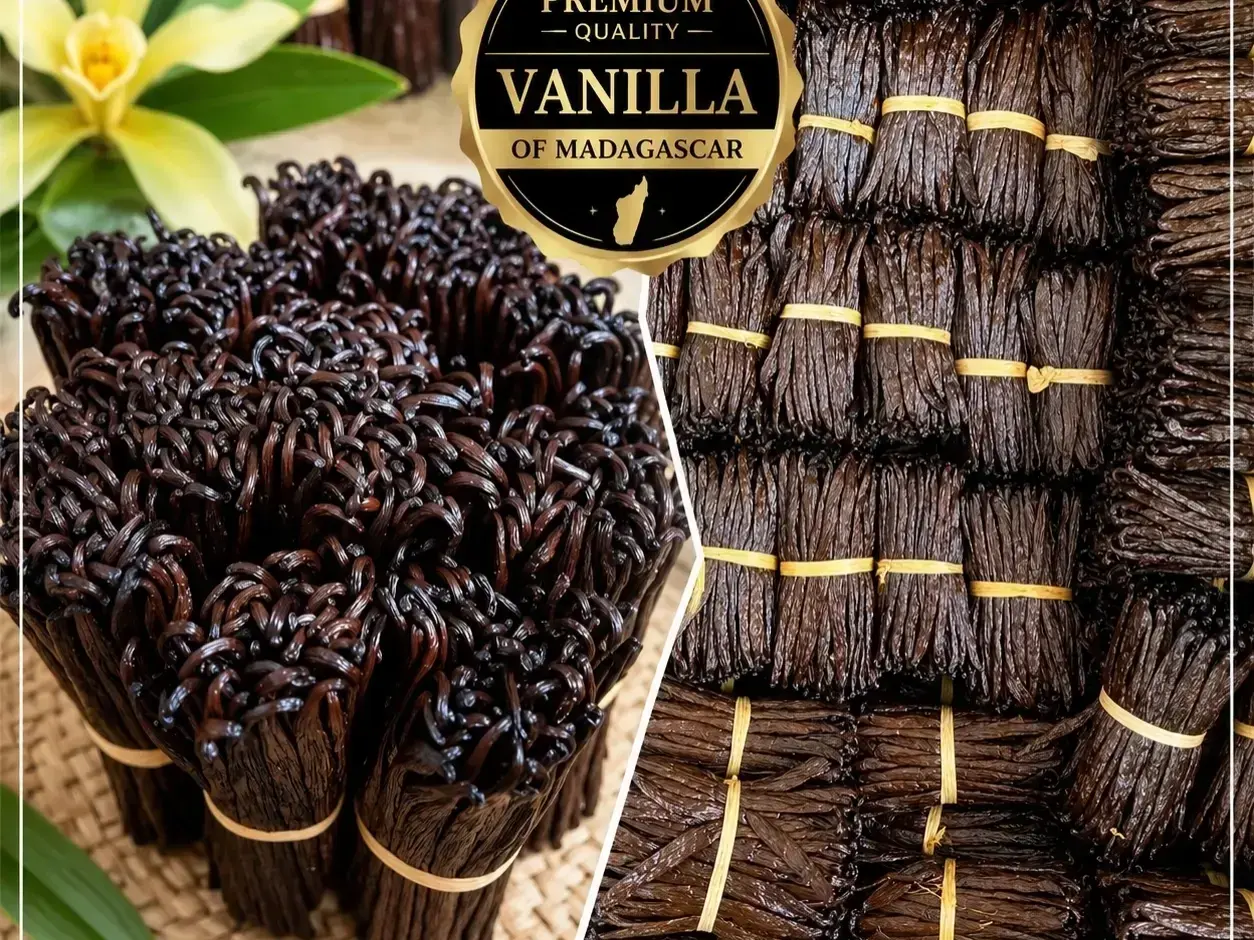
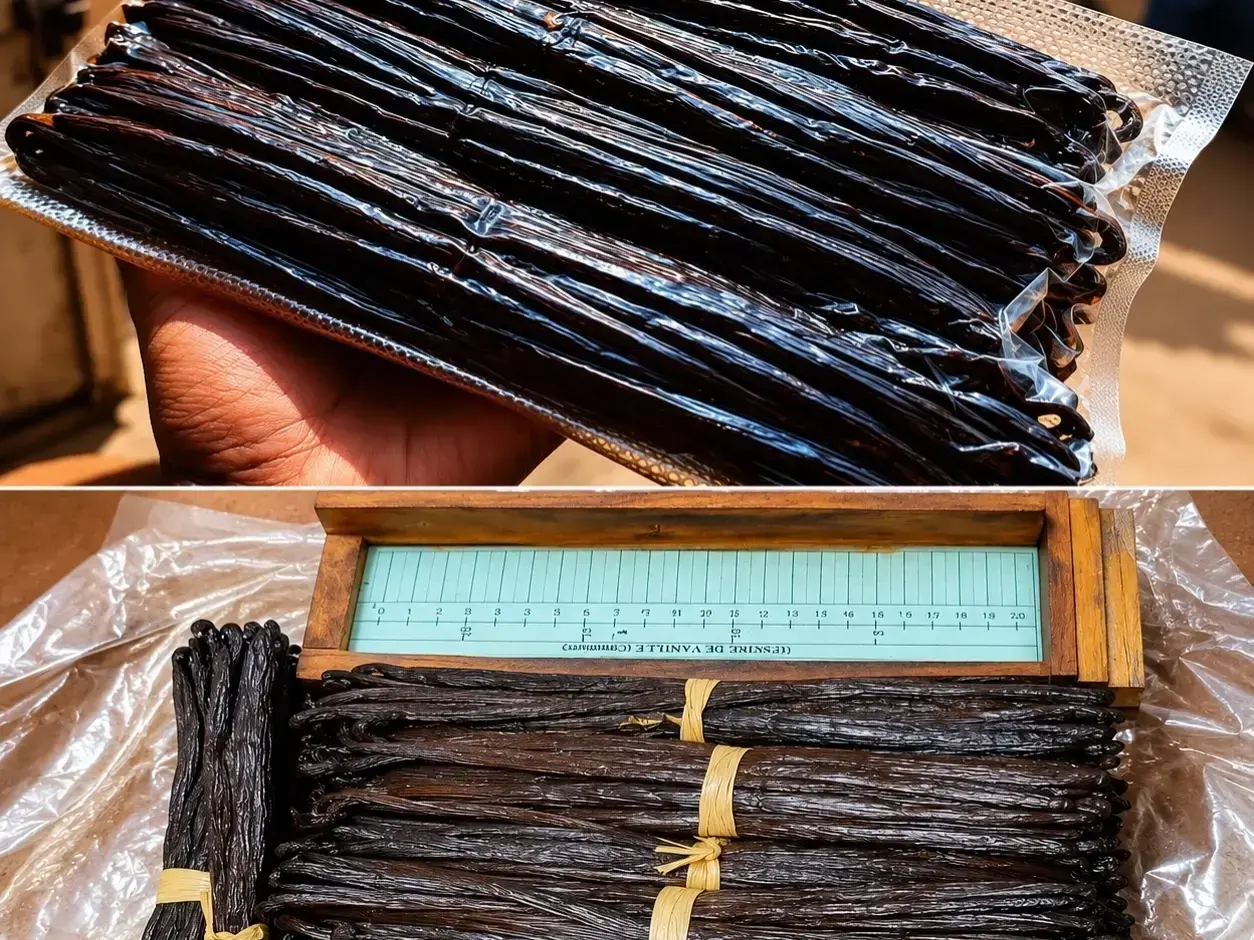
You get a cleaner bulk supply path that matches the approved lot, documents, and pickup plan in this region.
Contact our export team to request samples, access the buyer portal, or get a certified export quote.
A buyer in Ambilobe, Madagascar may keep seeing the same grade problem after each small fix. The beans look fine at first, then the lot changes after sorting or transport, which points to curing or handling gaps. Vanillababa checks the batch record, sample profile, and document trail so the buyer can see where the break happens before placing the next wholesale order.
A packing room near Ambilobe, Madagascar may now have tighter truck access or slower pickup timing. That changes how wholesale vanilla beans should move from collection to sorting and export prep. We adapt the handoff plan to the site's access, storage flow, and the local road pattern.
A procurement lead comparing suppliers in Ambilobe, Madagascar wants proof that the lot matches the paperwork. The usual concern is hidden sorting gaps, not just bean appearance. We show lot records, sample data, and export documents so the buyer can make a safer choice.