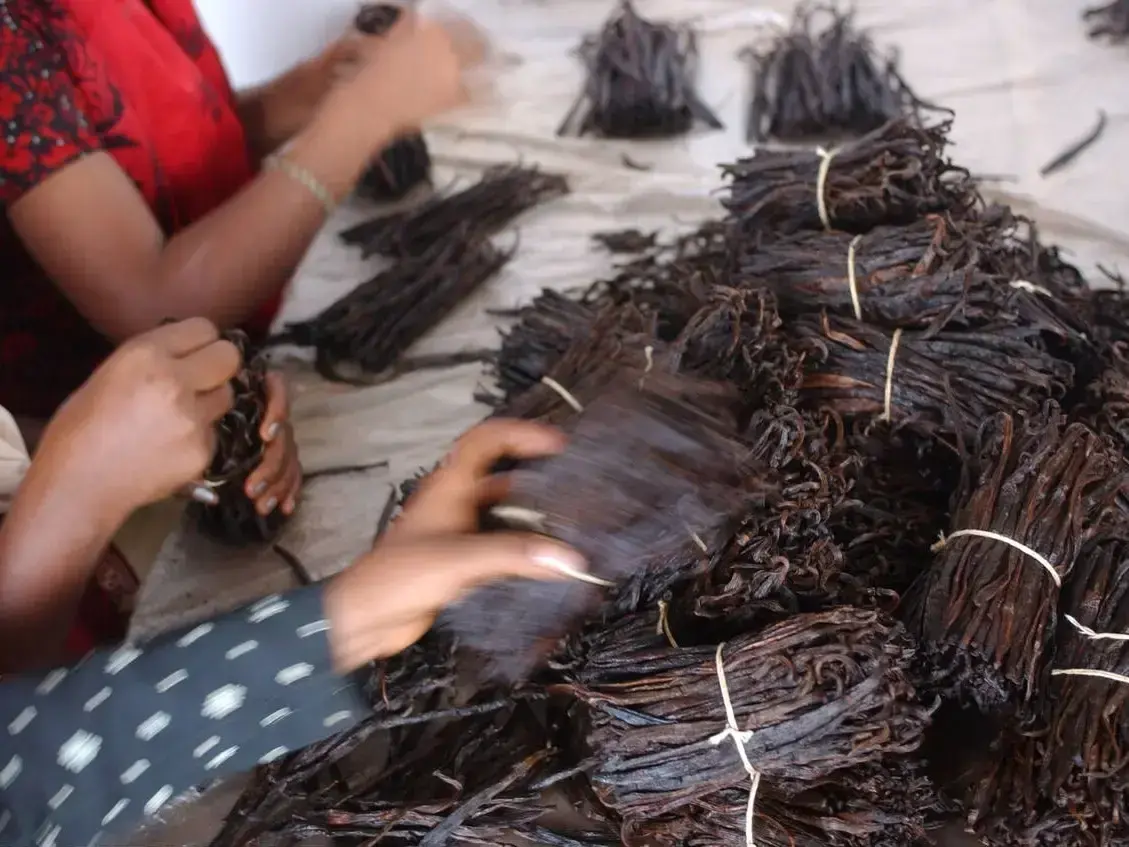
Vanilla Curing and Grading for Export in Madagascar
Vanilla curing and grading for export in Madagascar turns green vanilla beans into stable, aromatic pods. The process uses killing, sweating, drying, conditioning, and sorting. It controls moisture, color, length, and defects, so exporters can meet international quality specs. Proper curing helps vanillin develop. Grading then separates Grade A gourmet vanilla, split pods, extra-long pods, and short pods for the right market.
Vanilla curing and grading for export is the controlled shift from green beans to stable, aromatic pods. Then the pods are sorted by length, appearance, moisture, and defect level. In Madagascar vanilla supply chains, this is both post-harvest work and quality control. Export standards depend on aroma profile, bean length, and moisture balance. The curing process uses killing and sweating, sun drying, conditioning, and defect sorting. It prepares export-ready pods for international trade. Buyers want steady lots, not just pretty beans, so the work links fermentation, vanillin, and packing choices. In practice, Madagascar exporters handle pods from farm gate to the sorting table, then separate gourmet lots from lower commercial grades. Good bean curing protects value all the way to shipment.
Madagascar’s warm, humid curing conditions raise the risk of mold during drying, So controlled sun-shade rotation is key for export quality. Seasonal rain and coastal humidity can slow moisture loss, which makes conditioning and ventilation vital. Smallholder beans often arrive uneven in length and maturity. That means local sorting must separate gourmet pods from split and short grades before export.
What Is the Vanilla Curing and Grading Process for Export in Madagascar?
Vanilla curing and grading for export is the controlled shift from green beans to stable, aromatic pods. Then the pods are sorted by length, appearance, moisture, and defect level. For Madagascar vanilla, the curing process turns fresh pods into export-ready vanilla by managing heat, sweat, drying, and conditioning. That helps the aroma develop without mold or case hardening. Grading standards then separate Grade A Gourmet Vanilla from split, extra-long, and short commercial lots.
This is where quality control matters most. Export buyers look for dark color, supple texture, clean aroma, and the right moisture content. In a strong lot, the beans are even, well cured, and free from obvious defects. In weaker lots, uneven fermentation, poor drying racks, or weak ventilation can leave pods brittle, moldy, or split. That is why exporters in Madagascar use the sorting table to match each pod to its market. A clean process also helps protect vanillin development, which drives the fragrance buyers want.
In practice, the process works like a chain: harvest at the right maturity, kill and sweat, dry slowly, condition in a conditioning room, then grade by bean length and appearance. Each step lowers risk and builds buyer trust. For Vanillababa, the goal is simple: present export-ready pods that meet commercial specs and hold value in international trade.
Step 1: Harvest Pods at the Right Maturity
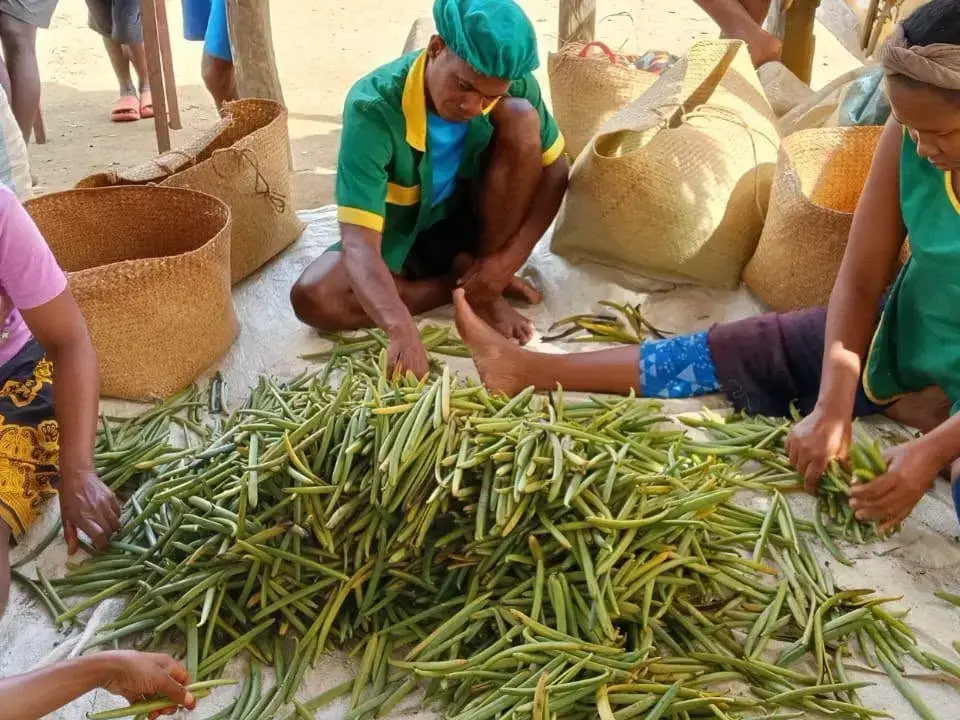
Harvest maturity shapes final aroma, bean weight, and curing performance. Export-grade vanilla must be picked when pods are fully developed but still green and unripe. Overripe pods split, lose quality, and reduce the value of Grade A and gourmet lots. In Madagascar, smallholder harvests can vary a lot, so field sorting is important before transport.
Step 2: Kill, Sweat, and Trigger Aroma Development
The killing and sweating stages stop pod growth, start enzymatic changes, and build the vanilla aroma profile. This stage uses heat and covered rest cycles to soften the pods, reduce enzymatic activity, and begin the color and fragrance changes buyers expect in export vanilla. When done well, the beans move from a fresh plant state into a stable curing path.
Local handling matters here because humid air can trap heat unevenly. Exporters and processors in Madagascar often rotate batches carefully, so pods do not overcook on the outside while staying raw inside. That balance supports better vanillin development and a cleaner aroma. If the sweating phase is rushed, the lot may dry with weak fragrance or patchy color, which lowers commercial grade.
Step 3: Dry Pods Slowly to Protect Color and Moisture
Slow drying lowers moisture to a stable level without case hardening, mold, or brittle pods. Madagascar curing typically alternates sun exposure and shade drying. That helps the beans become supple, dark, and export-stable while preserving aroma and preventing surface damage. This is a quality-control stage, not a rush to finish.
Weather affects the result. Seasonal rainfall and coastal humidity can slow moisture loss, so exporters need ventilation and patient handling. If pods stay too wet, mold prevention becomes urgent. If they dry too fast, the skin hardens and traps internal moisture, which can harm storage. The best lots move gradually across drying racks until the moisture content is balanced and the pods stay flexible.
Step 4: Condition Pods to Stabilize Flavor and Texture
Conditioning lets vanilla pods rest, so aroma, pliability, and internal moisture equalize before grading. This stage is critical because it improves flavor maturity, reduces unevenness between pods, and helps exporters present a consistent lot for international buyers.
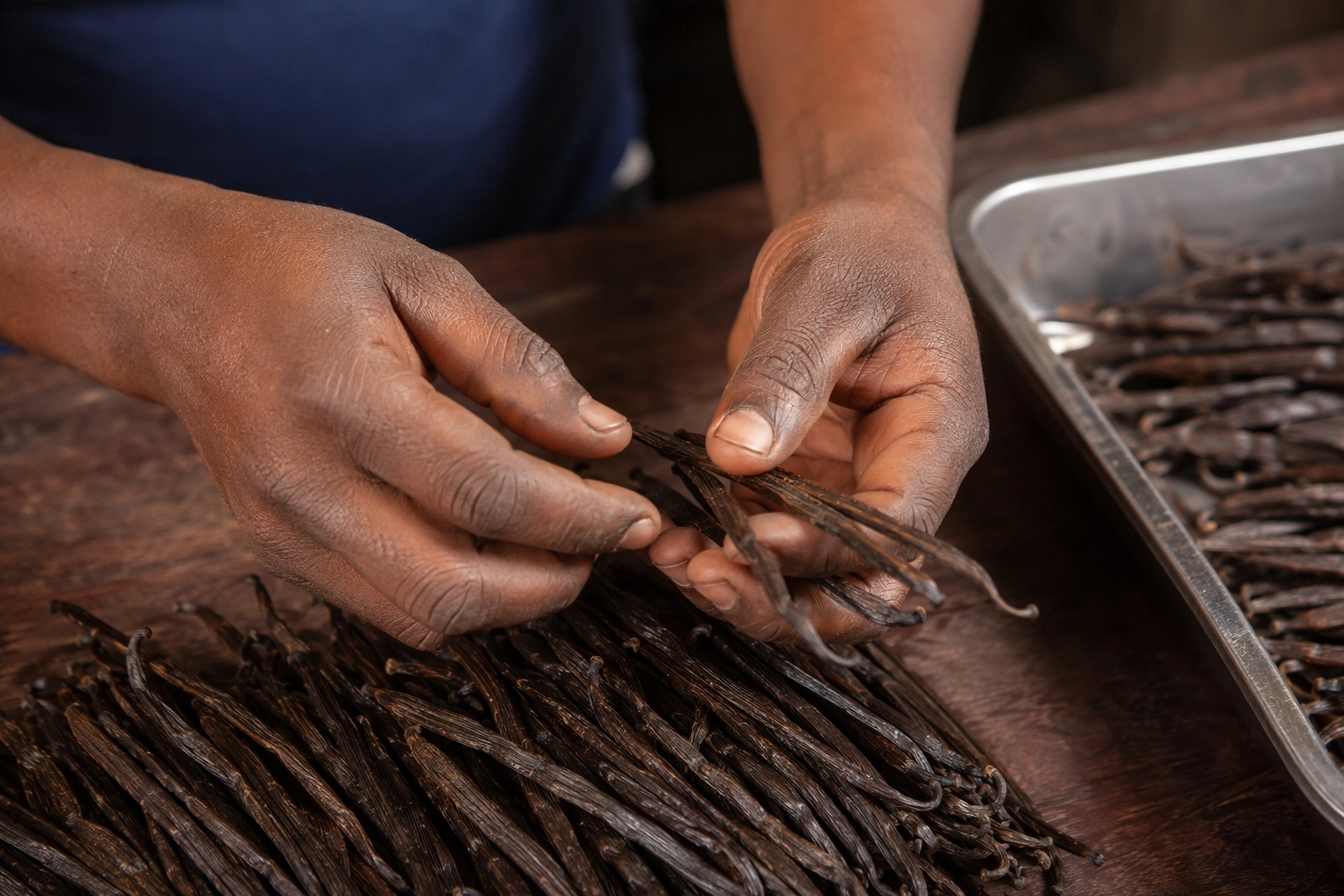
The step also supports storage stability. If a batch leaves the drying line too early, some pods may feel soft while others stay brittle. In a proper conditioning room, the lot settles into a more uniform state. That reduces surprises during defect sorting and packing. This is where the final commercial character of the beans becomes clear.
Step 5: Grade Pods by Length, Appearance, and Defects
Grading separates export vanilla into commercial categories based on length, moisture, aroma, bean integrity, and visible defects. Grade A gourmet pods command the best positioning, while split vanilla, extra-long pods, and short pods are sorted into distinct commercial uses and buyer specs. This final defect sorting step turns a cured lot into a usable export offer.
In Madagascar, local sorting practices must also reflect smallholder reality. Beans often arrive uneven in maturity and size, so graders use the sorting table to protect premium value. Longer pods with strong aroma can sit in the gourmet lane, while lower-length or split items may suit extract makers or secondary buyers. That is why grading is not just inspection; it is a market match.
How Exporters Sort Grade a, Split, Extra-Long, and Short Pods?
- Grade A Gourmet Vanilla is the premium export grade, usually chosen for clean appearance, strong aroma profile, and careful moisture balance.
- Extra long pods vanilla can earn special buyer attention when length is a key spec and the beans stay supple and dark.
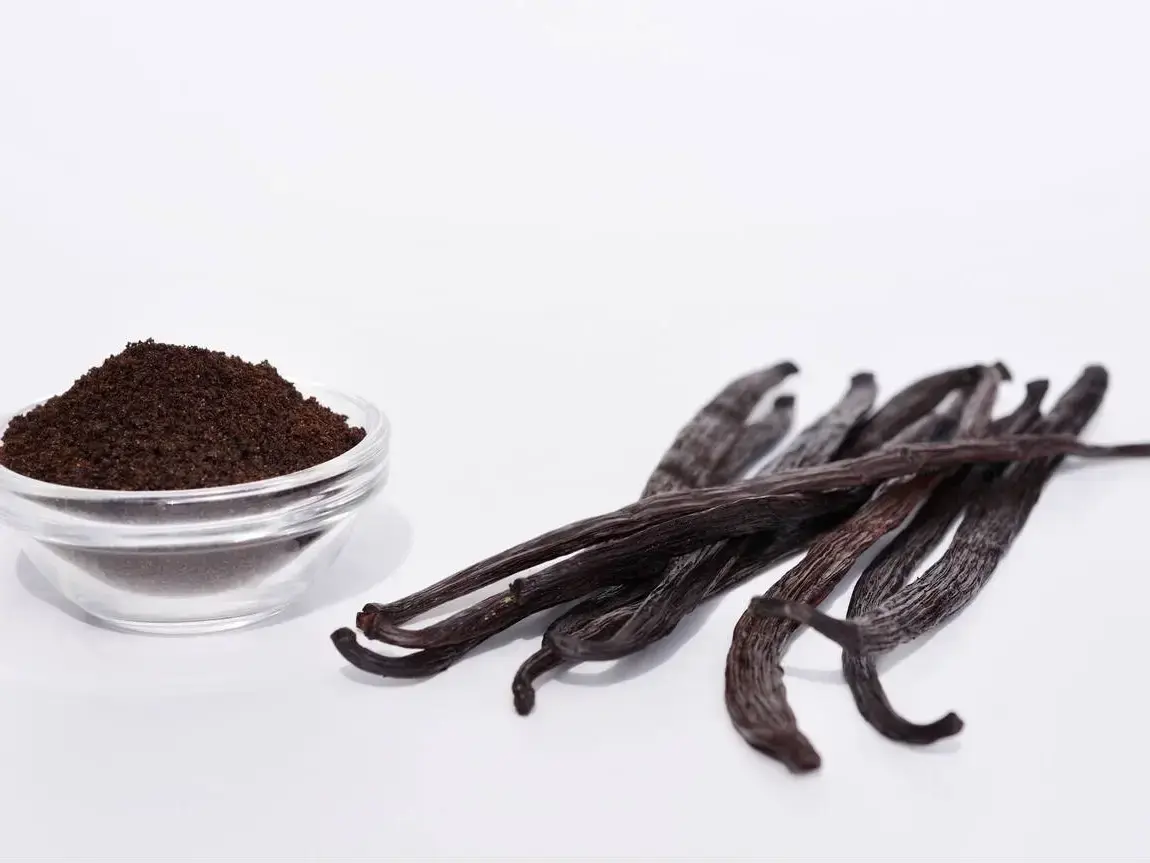
- Vanilla Cuts - Split vanilla is a byproduct grade that still carries value for extracts, blends, and secondary processing.
- Short pod vanilla is a lower-length commercial grade, often separated when bean size is below premium buyer targets.
- Defect sorting removes moldy, broken, or poorly cured beans before they affect the rest of the lot.
- Lot matching helps exporters place each grade with the right buyer rather than forcing one standard on every pod.
How Long Does Vanilla Curing Take in Madagascar?
Vanilla curing timelines vary by lot size, pod condition, and weather, but exporters plan for a multi-stage process. It includes heat treatment, drying, and conditioning. Smaller curated lots finish sooner, while larger export lots need more handling time to stabilize quality across the batch.
| Project size | Typical duration | What affects the timeline |
|---|---|---|
| Small lot | Typically a few weeks to several weeks | Faster handling, easier sun-shade rotation, and more direct monitoring of moisture content |
| Average lot | Typically several weeks to a few months | Balanced curing, conditioning, and repeated quality checks across a mixed batch |
| Large lot | Typically a few months or more | More drying racks, more sorting passes, and slower equalization in humid weather |
Timelines depend on pod thickness, rainfall, airflow, and how even the harvest was. In Madagascar, the process often takes longer than buyers expect because humidity must be managed carefully to avoid mold and uneven drying. That patience protects export-ready quality and keeps the lot suitable for international trade.
Frequently Asked Questions
Randrianantenaina Landry helps buyers and exporters understand Madagascar vanilla beans as a practical supply chain, from curing and grading to export-ready lot handling. For supply support, use the contact channel below to discuss grades, lot matching, and market fit.
Contact supply supportRelated Resources
Cost Comparison: Grade A Gourmet Vanilla vs Grade B Vanilla (Madagascar Bourbon)
how much does Grade A vs Grade B Madagascar vanilla cost
What It CostsPricing Guide: Whole Pods, Vanilla Cuts, Extract, Paste and Powder
how much does vanilla extract paste powder pods cost
What It CostsHow Seasonality and Pre-Harvest Contracts Affect Vanilla Prices in Madagascar
how does Madagascar vanilla season affect prices and what do pre-harvest contracts cost
Compared ToGrade A Gourmet Vanilla vs Grade B Vanilla: Which Madagascar Export Should You Buy?
Grade A vs Grade B vanilla export Madagascar