How Madagascar’s Vanilla Season Changes Prices and Pre-Harvest Contract Costs
Madagascar’s vanilla season affects prices because curing supply, weather risk, and harvest timing change availability. When beans are scarce, spot prices rise. Pre-harvest contracts usually cost less than last-minute buying because buyers trade price certainty for earlier commitment. Pre-harvest contracts also depend on grade, volume, timing, and quality risk, so Grade A Gourmet vanilla costs more than Grade B. For the best value, buyers compare season timing, contract terms, and quality specs before they lock supply.
Why Madagascar’s Vanilla Season Changes What Buyers Pay?
Madagascar’s vanilla season changes buyer costs because harvest timing, curing progress, and weather-linked supply swings directly alter market availability. When beans are newly harvested or inventory is thin, prices move upward. When supply reaches the market and quality is stable, buyers can negotiate more predictable contract terms.
Supply availability rises and falls across the harvest calendar, so agricultural commodity pricing shifts quickly in the export market. During the growing season, weather changes can delay picking or cut usable volume, which pushes price premiums higher for buyers who need fast commitment. Once curing is underway and more lots are sorted, the market often becomes easier to read, and supplier quote comparisons help more.
For importers, this isn't just about one crop cycle. It's about seasonality across the supply chain: field harvest, drying, curing stage, grading, and shipment. If the crop is short or quality is uneven, spot price often becomes the highest benchmark. If supply is spaced well and moisture level is stable, contract terms can be clearer and less expensive.
What Pre-Harvest Contracts Usually Cost for Madagascar Vanilla?
Pre-harvest contracts for Madagascar vanilla usually price below rushed spot purchases because the buyer commits early and accepts timing and crop-risk conditions. Grade A Gourmet Vanilla costs more than Grade B Vanilla, and final contract cost depends on quantity, harvest window, quality spec, and the seller’s risk premium.
Most buyers see these pre-harvest contracts as a way to trade uncertainty for planning control. The earlier agreement can lower the chance of paying peak spot price, but the seller builds in weather risk, curing uncertainty, and export-grade sorting risk. In Madagascar, the main harvest and curing rhythm concentrates supply in a narrow period, so sellers often charge more when the harvest window looks uncertain.
| Tier | Typical price range | Best for | Common contract traits |
|---|---|---|---|
| Basic | Typical lower-end entry range, usually for larger-volume buyers seeking the simplest terms | Budget-led buyers with flexible delivery needs | Standard export grade, broader acceptance window, lighter packaging requirements |
| Standard | Typical mid-range contract pricing for balanced volume and quality | Most food manufacturers and distributors | Clear grade spec, defined harvest timing, moderate inspection rules |
| Premium | Typical higher range for top export lots and tighter quality control | Brands needing gourmet appearance and aroma | Grade A Gourmet Vanilla, stricter moisture limits, narrower delivery window |
The real landed price depends on volume, contract terms, and the buyer’s tolerance for risk. Grade A Gourmet Vanilla usually commands a price premium because the beans are expected to be longer, plumper, and more visually consistent. Grade B Vanilla sits lower because it's better suited to extraction or industrial use, where appearance matters less.
Typical Price Tiers for Pre-Harvest Contracts
Basic, Standard, and Premium tiers help buyers compare seasonal vanilla costs without assuming every lot is equal. Basic contracts are usually the least costly because they allow broader specs and more flexible acceptance. Standard contracts sit in the middle and fit buyers who want a cleaner balance of price and reliability. Premium contracts cost the most because they usually protect export grade, tight moisture content, and more exact delivery timing.
| Tier | Typical range | Typical buyer expectation |
|---|---|---|
| Basic | Lower market entry range | Acceptable quality with fewer custom conditions |
| Standard | Mid-market range | Balanced contract volume and dependable sorting |
| Premium | Upper market range | Higher finish, tighter acceptance rules, lower rejection risk |
In Madagascar’s export market, the seller’s quote often reflects not just the bean itself, but also the curing process, packing standards, and how much contract volume the buyer is willing to commit. The more uncertainty the seller carries, the higher the quoted seasonal vanilla cost tends to be.
How Grade a and Grade B Pricing Changes the Contract Price?
Grade A Gourmet Vanilla costs more because buyers pay for longer, plumper, higher-vanillin beans with stricter appearance standards, while Grade B Vanilla prices lower because it suits extraction and industrial use. In pre-harvest contracts, that grade spread is one of the biggest drivers of the final landed price.
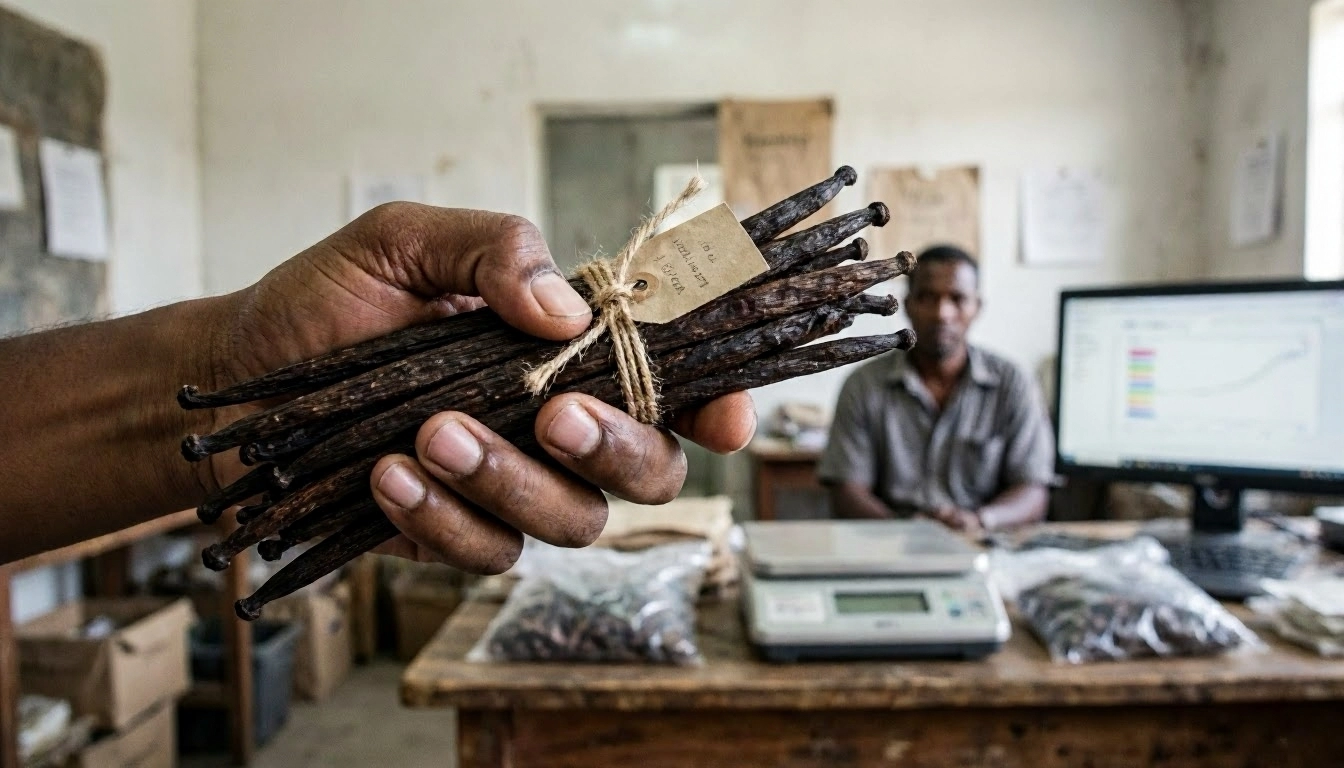
The difference starts in the field and continues through curing. If beans dry evenly and reach the right moisture content, they are more likely to qualify as higher export grade. If the lot is shorter, thinner, or visually less uniform, it may be sorted into Grade B. That is why the same harvest can produce two very different contract values.
Buyers should treat quality grade as a pricing lever, not just a label. A premium cosmetic standard may be essential for retail packs, but it can be unnecessary for extracts, fillings, or flavor systems. Matching the grade to the end use keeps the supply chain efficient and avoids paying for attributes the market does not reward.
5 Ways to Lower Your Vanilla Buying Cost Without Losing Quality
You can lower Madagascar vanilla costs by planning volume early, choosing the right quality grade, and avoiding rushed spot buying. The best savings usually come from better contract terms, not from taking lower quality than your product needs.
These tactics protect margins while helping buyers avoid emergency purchases. In a season with strong price swings, a smart purchase commitment can save more than chasing the cheapest offer on paper.
What to Check Before Signing a Pre-Harvest Vanilla Contract?
A pre-harvest vanilla contract should spell out grade, moisture limits, delivery timing, payment schedule, inspection rules, and rejection conditions. Clear specs reduce disputes after harvest, especially in Madagascar where curing quality, weather impacts, and season timing can change bean appearance and final acceptance.
Before you sign, make sure the contract covers the full supply chain from field to export grade. If the seller promises a Premium lot but the moisture content is too high, the buyer can face delays or claims. If the curing process isn't defined, the same lot can be read differently by each side. That is why buyers should treat the document as a quality control tool, not only a pricing agreement.
Good contracts reduce surprises. They also help buyers compare offers on equal terms, which makes market timing and seasonal vanilla costs easier to manage.
When Madagascar Buyers Get the Best Price in the Season?
Madagascar buyers usually get the best price when they plan ahead of peak scarcity, compare offers before the tightest buying window, and contract early enough to avoid rush premiums. The cheapest deal is often not the lowest sticker price, but the one that balances timing, grade, and reliable fulfillment.
The harvest calendar matters because prices often firm up when fresh supply is limited and buyers compete for the same lots. If you wait until the market is crowded with last-minute orders, spot price tends to rise. If you begin supplier quote comparisons earlier, you can secure a better balance between export grade, contract volume, and flexibility.
For many importers, the best buying moment is when the crop is visible but not yet under heavy pressure. That is when the market still has choice, the seller’s risk premium is more negotiable, and the final landed price can be more stable across the season.
Frequently Asked Questions
Randrianantenaina Landry
For a buyer-focused supplier quote or to compare contract terms, use the contact page and request a discussion before the next tight buying window. The right timing can protect your margin better than waiting for a last-minute deal.
Related Resources
Madagascar Vanilla Export: Step-by-Step Export Process for Bourbon Vanilla
how does Madagascar vanilla export process work step by step
How It WorksSourcing & Contracting Process for Vanilla Export: Pre-harvest Contracts and Supplier Verification
how does vanilla pre-harvest contract sourcing work for exporters
How It WorksVanilla Curing, Processing and Grading: Preparing Pods for International Export
what is the vanilla curing and grading process for export
Compared ToGrade A Gourmet Vanilla vs Grade B Vanilla: Which Madagascar Export Should You Buy?
Grade A vs Grade B vanilla export Madagascar