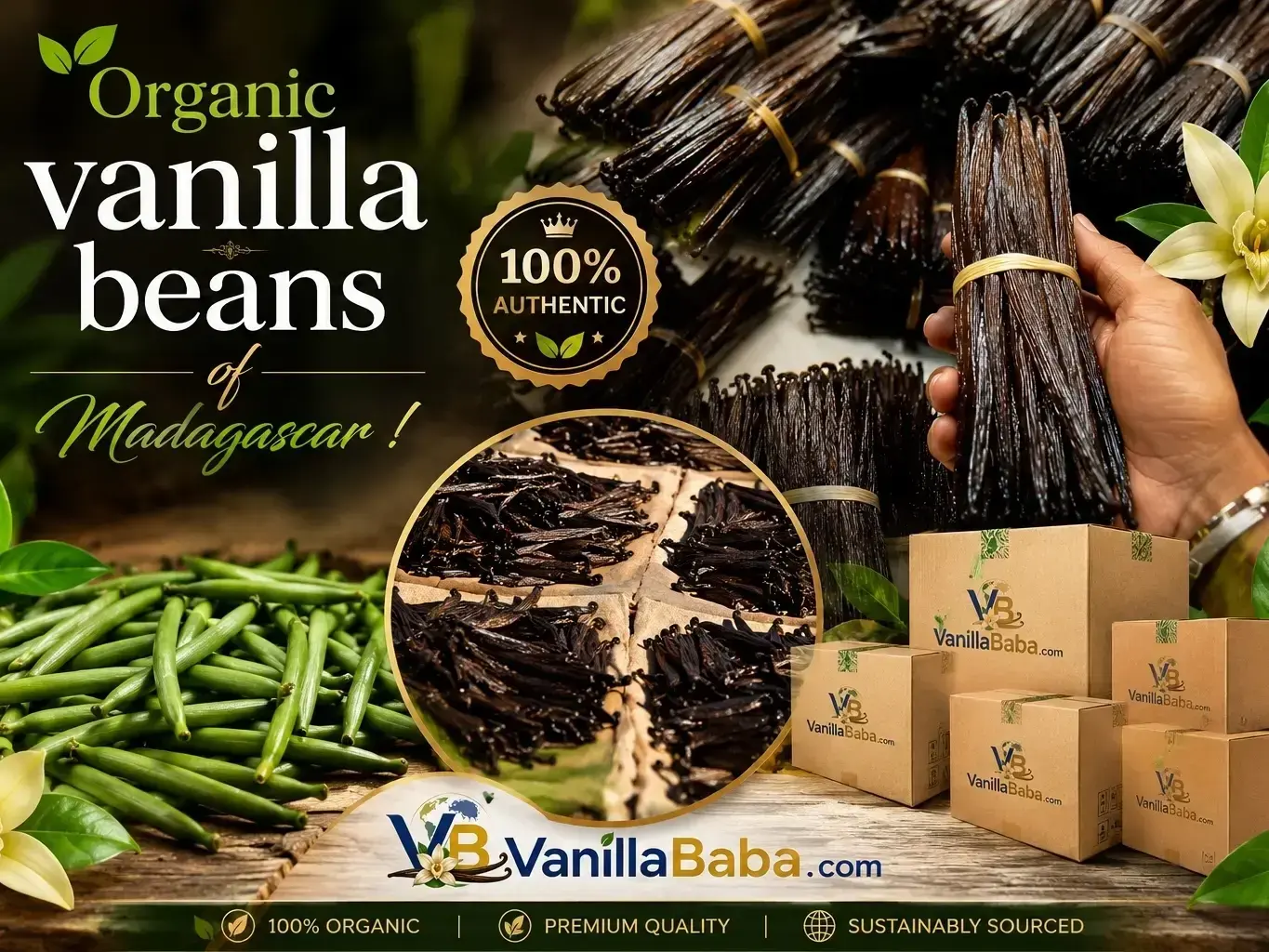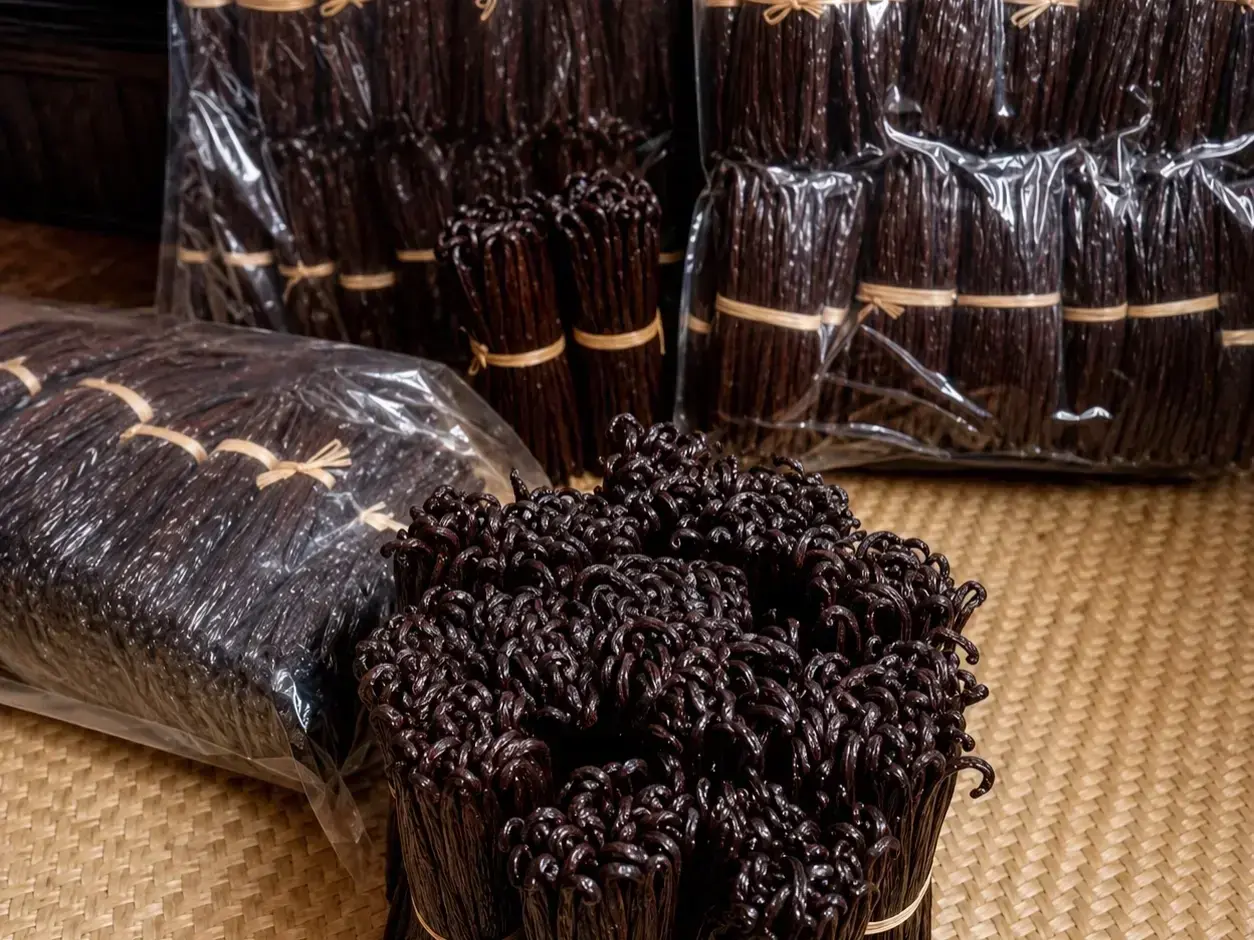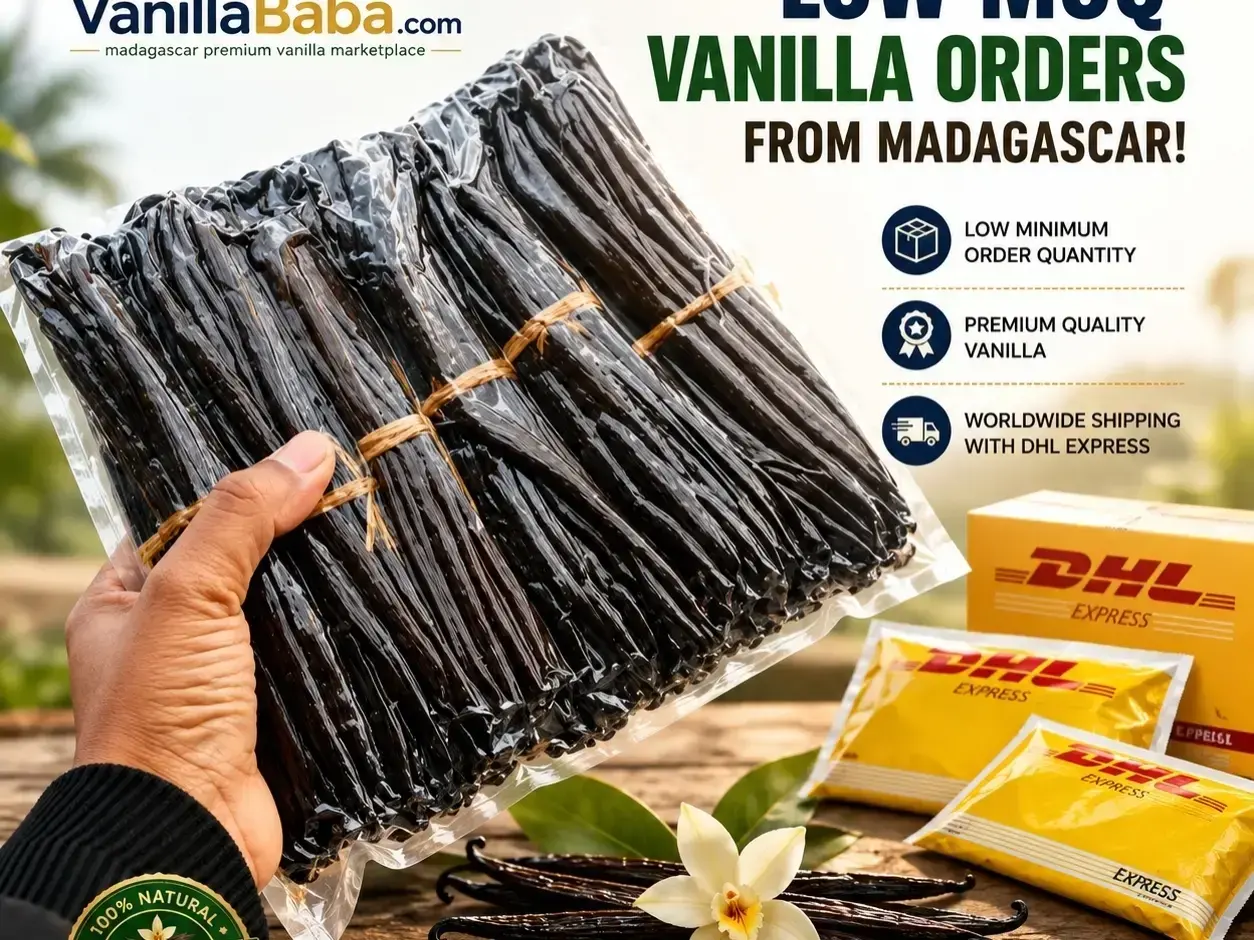
Grade a Gourmet Vanilla vs Grade B Vanilla in Madagascar
Grade A gourmet vanilla is the better choice if you want plump, moist, flexible beans for retail, extract, or premium food uses, while Grade B vanilla is the better choice if you want drier, lower-cost beans for extraction and bulk processing. In Madagascar, the right export grade depends on moisture, vanillin profile, labor-heavy curing quality, and your end use. Buy Grade A for appearance and direct-use value. Buy Grade B for cost control and extract-focused wholesale supply.
Which Vanilla Grade Should You Buy for Export?
Grade A Gourmet Vanilla is the right buy when appearance, flexibility, and direct culinary use matter. Grade B Vanilla is the right buy when price efficiency and extraction yield matter. In Madagascar export trade, your best choice depends on moisture content, bean grade, and whether you sell retail, wholesale, or ingredient inputs.
For a buyer handling Madagascar export vanilla, the decision starts with the end market. Gourmet brands, gift boxes, and chefs usually want beans that look rich, feel soft, and split easily. Industrial users often prefer drier lots because they fit extract grade vanilla workflows and can improve batch consistency in processing. That is why one shipment can be ideal for display, while another fits plant use better.
Grade A is the premium choice for visible whole beans, while Grade B is the practical choice for lower-cost wholesale supply. If you need vanilla pods for retail jars or direct cooking, choose the more supple lot. If you need lots for extraction or large-scale blending, focus on grade definition, defect rate, and lot consistency over looks.
Quick Comparison: Grade a vs Grade B Vanilla Beans
Grade A and Grade B vanilla differ most in moisture, softness, appearance, and price. Grade A usually costs more and works best for gourmet display and direct use, while Grade B costs less and works best for extraction and industrial batching. For Madagascar exporters, the right grade depends on your margin target and use case.
| Factor | Option A | Option B |
|---|---|---|
| Cost | Grade A Gourmet Vanilla usually carries a premium because the beans are plumper, more uniform, and more visually appealing. | Grade B Vanilla is usually lower cost per kilogram, which helps buyers seeking efficient wholesale pricing. |
| Timeline | Grade A often comes from a longer curing process and careful drying cycle, which supports softness and export quality. | Grade B may be finished with a more basic drying profile, so it can move faster into extract-grade vanilla channels. |
| Maintenance | Grade A needs more careful storage to protect bean pliability, aroma profile, and surface quality during transit. | Grade B is less demanding for display care, but buyers still need dry, clean storage to protect wholesale supply value. |
| Best-for | Best for premium retail, chefs, direct culinary use, and brands that sell on look, feel, and gourmet grade appeal. | Best for extraction, bulk processing, flavoring, and ingredient supply where vanillin content and cost efficiency matter more than appearance. |
For most wholesale buyers, this is not a quality-versus-quality decision. It is a use-case decision. Grade A is the stronger choice if customers will see and handle the bean. Grade B is the smarter choice if the bean is mainly an input for liquids, pastes, or blended food production. Both can be export quality when sorted well.
Why Grade a Beans Command a Premium?
Grade A beans command a premium because they are usually longer, more supple, and higher in visible culinary quality, which makes them preferred for premium food products and retail presentation. In Madagascar, careful curing and sorting preserve bean flexibility and aroma, and that raises export value.
The premium comes from the full package: attractive size, lower visible defect rate, strong aroma, and a soft feel that signals freshness to chefs and shoppers. A bean with good vanillin content can still lose value if it looks brittle or uneven. That is why gourmet vanilla beans often sell as presentation goods as much as flavor goods.
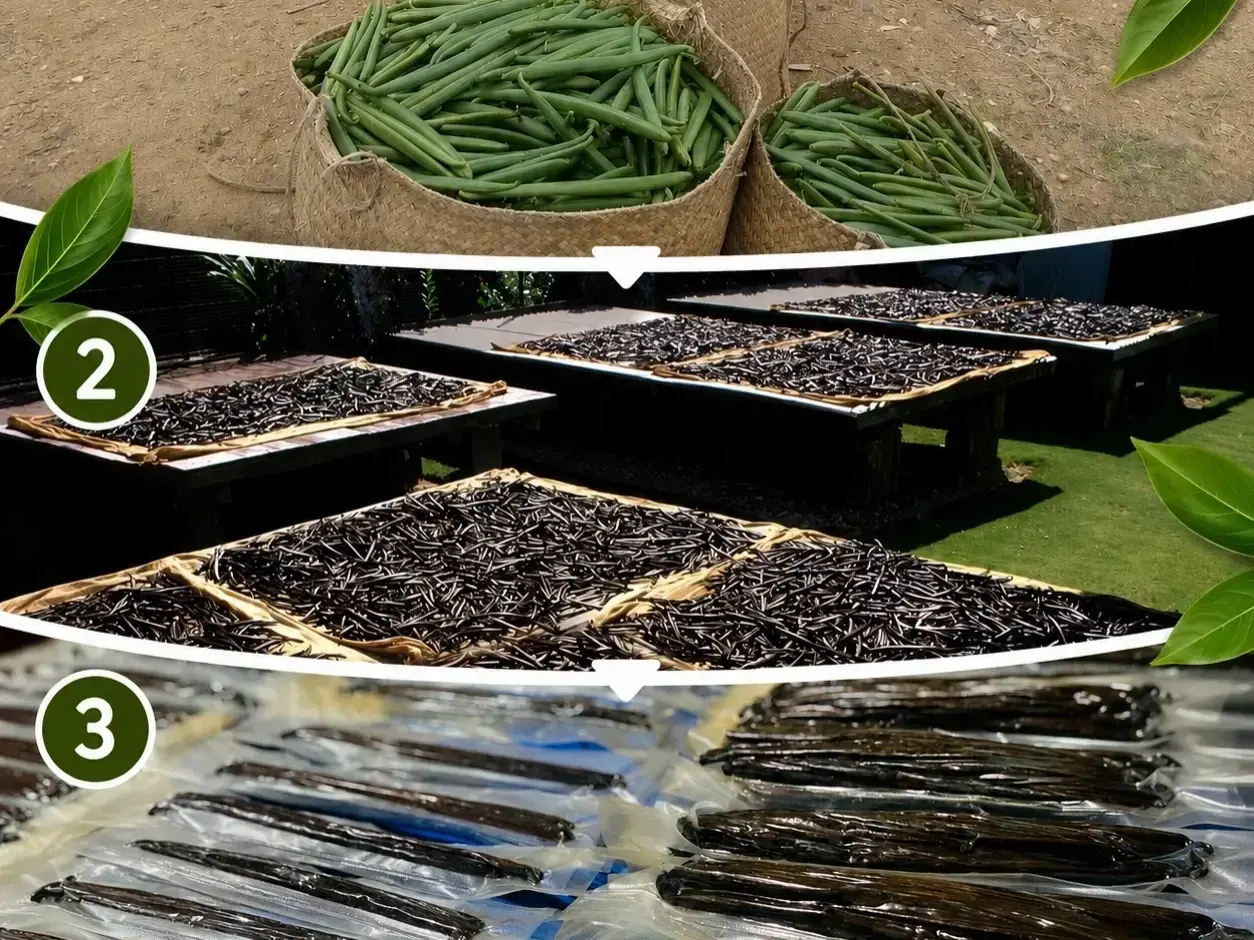
Madagascar curing is labor-heavy, and the best lots spend time being turned, dried, and rested so the pods develop a rich fragrance without becoming too dry. This care improves the look of the vanilla pod, helps protect the seed caviar inside, and supports the premium price. In practice, the market rewards beans that balance moisture, aroma, and cosmetic quality.
For buyers, the lesson is simple: if your customers want premium vanilla, pay for the extra sorting and finish. If they only need flavor extraction, the visual premium may not earn its cost back.
When Grade B Beans Are the Smarter Wholesale Buy?
Grade B beans are the smarter wholesale buy when you want lower cost per kilogram and steady performance for extraction, flavoring, or bulk processing. Madagascar buyers often choose Grade B for industrial supply chains because the beans can be less perfect in appearance and still deliver strong vanilla aroma and traceable lots.
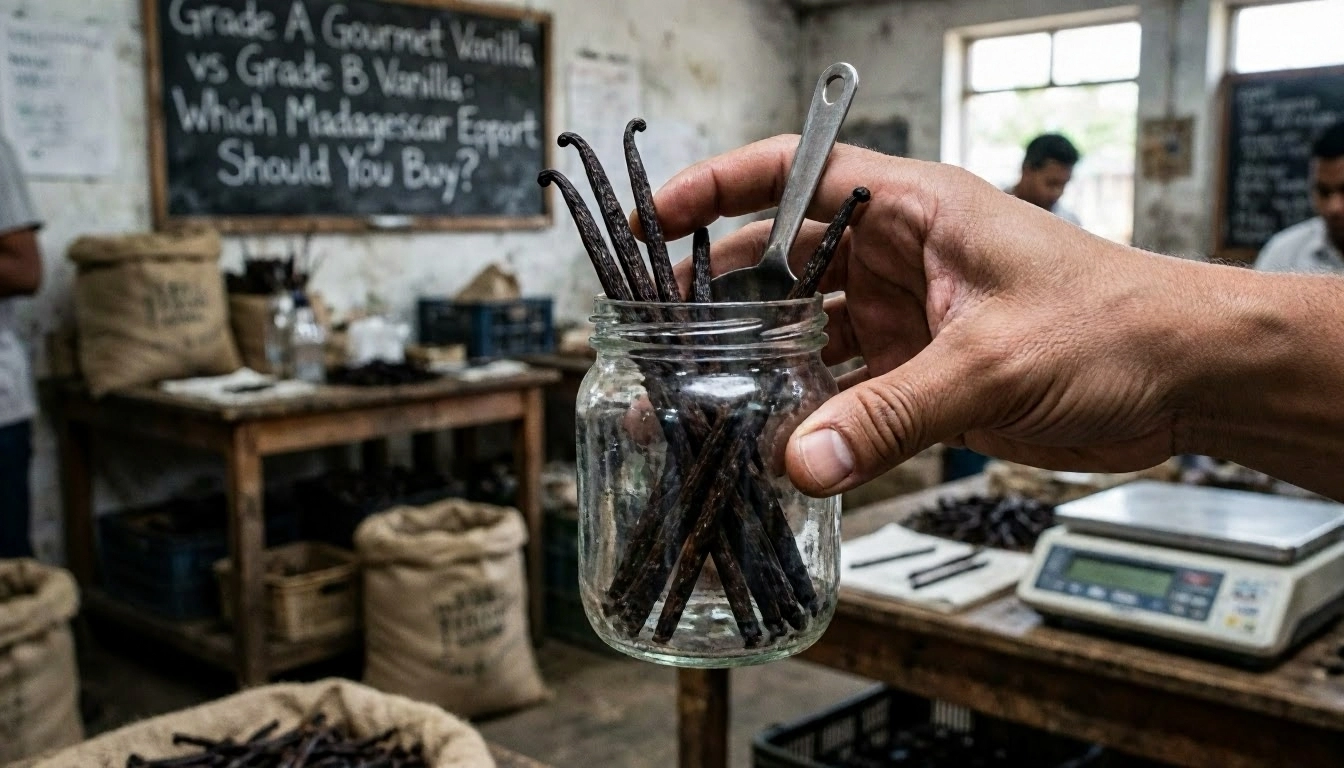
This is where extract grade vanilla matters most. Drier beans can be easier to store, ship, and process in large batches, especially when the buyer values yield and repeatability over display quality. For wholesale vanilla beans, a lower cosmetic grade can still meet tight internal specs if the aroma profile is strong and the lot is well documented.
Batch-level traceability is especially important here. Industrial users want to know which export lot came from which curing run, which farm group, and which quality band, so they can keep production steady. In Madagascar, that traceability can help reduce surprises when lots move from inland handling to port loading and on to the buyer.
For extractors, bakers, and food factories, Grade B often gives the best balance of price and performance. If the beans are consistent, clean, and properly labeled, they can become the more profitable input even if they do not look retail-ready.
Pros and Cons of Each Madagascar Export Grade
Grade A Gourmet Vanilla offers stronger presentation value, broader retail appeal, and better direct-use versatility, but it costs more and can be over-specified for extraction-only buyers. Grade B Vanilla offers lower purchase cost and better efficiency for bulk processing, but it has less shelf appeal and is usually less suitable for premium display.
Grade a Gourmet Vanilla Pros
Grade a Gourmet Vanilla Cons
Grade B Vanilla Pros
Grade B Vanilla Cons
How Madagascar Origin Affects Grade, Price, and Supply?
Madagascar origin affects grade and price because weather, curing time, and local handling determine bean moisture, aroma, and visual quality. For export buyers, seasonal conditions and post-harvest sorting can widen the gap between Grade A and Grade B, making traceability and lot consistency especially important.
The island’s climate shapes how the beans dry, and even small changes in humidity can shift moisture content enough to affect grade. A slow, careful finish can improve export quality, while uneven drying can create more mixed lots. That is one reason buyers often see a bigger gap between premium and lower-cost beans here than in more standardized origins.
Local handling also matters. Beans moved from inland farms to coastal export channels may face extra heat, delays, or repacking, and those steps can affect aroma and surface condition. In Madagascar, shipping reliability and port timing often make batch-level traceability more valuable, because buyers need to know which lot stayed stable through the whole path to export supply.
So the origin story is not just about geography. It is about how climate, curing, sorting, and logistics work together to shape what you receive. That is why one supplier can offer a premium lot and another can offer a more practical industrial lot from the same producing country.
How to Choose the Right Bean Lot Before You Order?
Choose the right bean lot by checking grade definition, moisture range, bean length, aroma, defect rate, and batch-level traceability before purchase. For Madagascar exports, the safest buying process is to match the grade to your end use and verify lot consistency with clear supplier specifications.
For wholesale vanilla beans, the best order is the one that fits your customer, not the one with the highest label. A good supplier will explain how the lot was cured, sorted, and packed, and will show whether the beans are better suited to gourmet use or industrial use.
Frequently Asked Questions
Related Resources
Cost Comparison: Grade A Gourmet Vanilla vs Grade B Vanilla (Madagascar Bourbon)
how much does Grade A vs Grade B Madagascar vanilla cost
What It CostsExport Pricing to China, Asia, Europe, America and UAE: Freight, Duties and Landing Costs
how much does it cost to export Madagascar vanilla to China/Europe/USA/UAE
What It CostsSmall Quantity vs Wholesale Vanilla Pricing: Per-Kg Breakpoints and MOQ Effects
how much does small quantity vanilla cost vs wholesale price per kg
What It CostsCertification & Traceability Costs: Organic, Batch Traceability and Export Documentation Premiums
how much extra does organic certification and traceability add to vanilla export cost