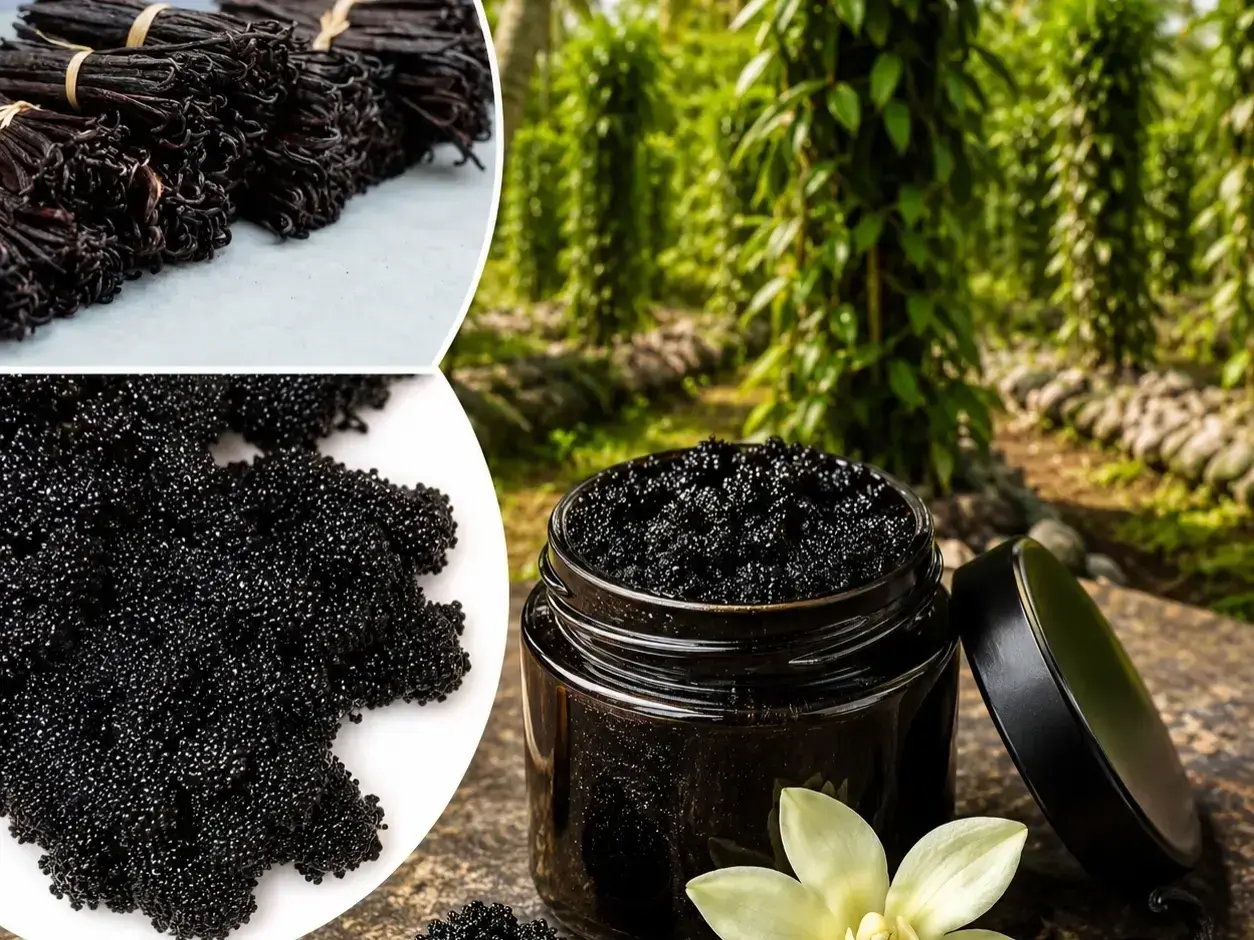
Grade a Gourmet vs Grade B Madagascar Vanilla Prices
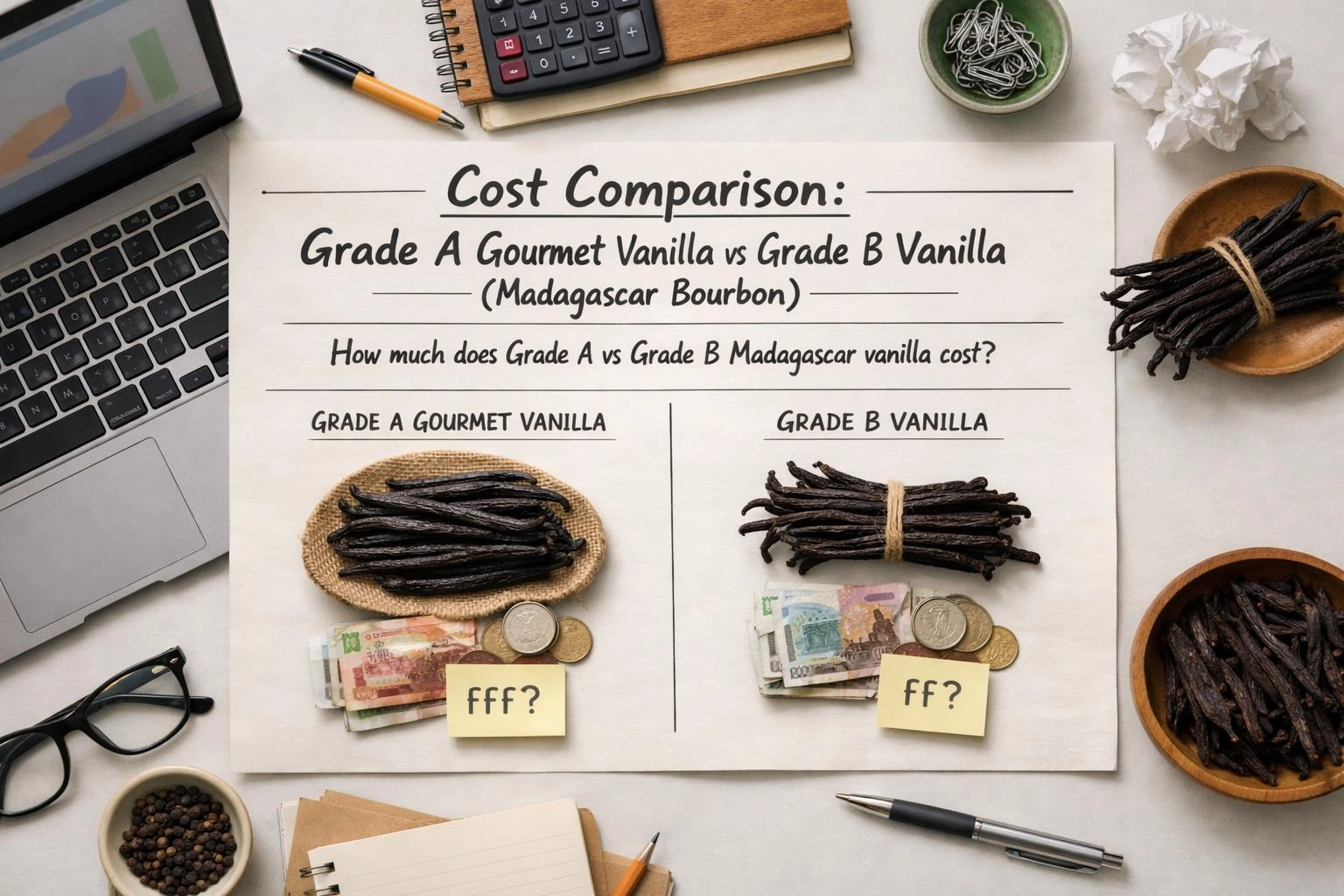
Grade A Madagascar vanilla costs more than Grade B because it is plumper, moister, and better for retail-ready gourmet use. Grade B is drier and priced for extraction, baking, and bulk wholesale. In Madagascar, the price gap comes from bean moisture, size, curing quality, export handling, and harvest swings. Buyers often pay more for Grade A and save with Grade B when they need strong flavor at a lower cost.
How Much Does Grade a vs Grade B Madagascar Vanilla Cost?
Grade A Madagascar vanilla costs more than Grade B because it has higher moisture, a better look, and a fit for gourmet retail use. Grade B is the lower-priced choice for baking, extraction, and bulk supply, so it works well when appearance matters less. In wholesale vanilla beans, that gap usually reflects bean length, uniformity, and how tightly the pods were sorted after curing.
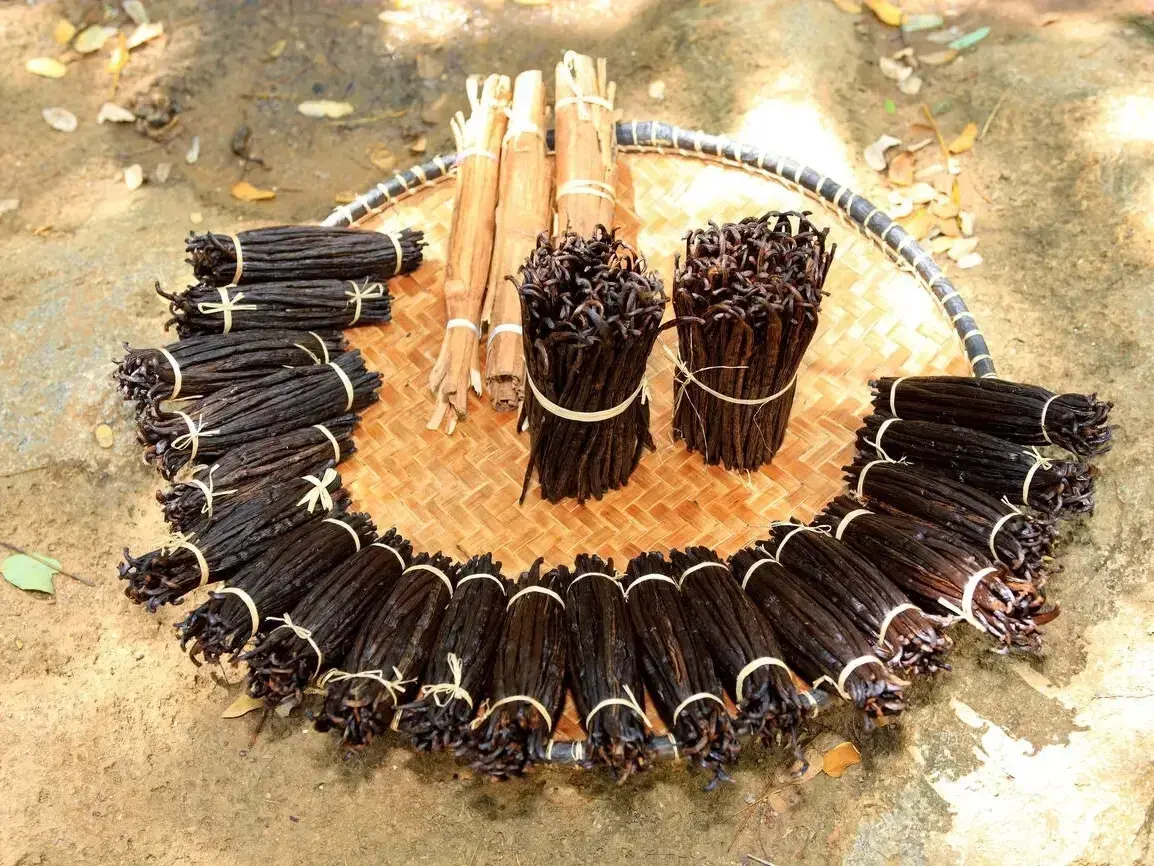
For buyers, price per pound is only part of the story. Grade A gourmet vanilla beans suit whole-bean retail, plated desserts, and products where the pod adds value. Grade B vanilla beans are more common in vanilla extract production, syrups, and bakery mixes because the aroma still holds up after cutting or infusion. Madagascar Bourbon vanilla keeps a strong country-of-origin signal in both grades, but export quality rules make the premium lots cost more to prepare and protect.
Most buyers in Madagascar see the biggest price spread during tight harvest periods. Cyclone-prone seasons can disrupt curing yards and shipping flow, which pushes both grades up. When supply is steady, Grade B may offer clear savings. Grade A still costs more because buyers pay for appearance, bean length, and moisture content that keeps the pod skin soft.
In practical terms, wholesale pricing often follows the use case. Gourmet grade fits retail display, extract grade fits flavor work, and bulk supply fits manufacturing. The right choice depends on whether you need visual appeal or the best vanilla aroma for your budget.
Grade a vs Grade B Vanilla Pricing by Tier
Grade A pricing sits above Grade B at every tier because better appearance, moisture, and sorting add cost. Basic lots suit smaller purchases and mixed quality. Standard is the common wholesale choice. Premium reflects large, uniform beans with stronger visual and flavor appeal. This tiering helps when comparing premium vanilla beans with extract grade vanilla for ingredient sourcing.
| Tier | Grade A Gourmet Vanilla | Grade B Vanilla | Typical price range |
|---|---|---|---|
| Basic | Smaller lots, good aroma, lighter uniformity | Mixed lengths, drier pods, practical for baking | |
| Standard | Common wholesale vanilla beans with solid cure and presentation | Most common bulk supply for extract and food use | |
| Premium | Large, glossy, high-moisture pods with strong export quality | Selected pods with better length and handling, still value-focused |
These are typical market relationships, not fixed quotes. In Madagascar, final wholesale vanilla beans pricing can move when bean length is shorter than expected, when sorting is tighter, or when moisture loss happens during export handling. Buyers who want steady costs often compare the same harvest lot across both grades before they place a contract order.
Why Grade a Costs More Than Grade B in Madagascar?
Grade A costs more because it needs tighter sorting, better curing, and larger, oilier beans that buyers want for whole-bean retail and plating. Grade B costs less because it is usually drier, less uniform, and better for extraction or recipes where appearance does not matter. In Madagascar Bourbon vanilla, that difference starts at harvest and continues through export grading.
The curing process matters first. Workers must turn, dry, and rest the pods until the aroma develops without harming the bean skin. Grade A lots usually need closer oversight because buyers expect better bean length, richer vanillin content, and a smoother finish. That extra labor raises the cost. Grade B can handle more natural variation, so it leaves the curing yard with fewer visual demands and a lower price.
Moisture content is another major driver. Higher-moisture pods feel plumper and look more premium, but they also need careful export handling so they do not lose value in transit. If moisture drops too fast, a bean can shift down in grade. That is why export quality controls in Madagascar are strict. Damage, dryness, or uneven curing can change wholesale pricing before the shipment even leaves port.
Bean length also affects grade. Longer pods usually signal better sorting and a more appealing look for gourmet grade vanilla beans. Shorter or less uniform cured vanilla beans usually land in the lower tier, even if the aroma stays strong, So the cost gap is not only about flavor. It also reflects the full business picture from harvest to export.
When Grade B Vanilla Is the Smarter Buy?
Grade B vanilla is the smarter buy when your main goal is flavor per dollar, not bean appearance. It works well for extracts, syrups, baking, and food manufacturing because lower visual grade does not reduce usable vanilla aroma. The lower cost also helps margins at scale. For bulk supply, it often gives the best balance of price and performance.
If you buy for a factory, bakery, or private-label food line, Grade B often becomes the practical extract grade vanilla choice. It still comes from the same Madagascar Bourbon origin story, but it is built for utility instead of display. That makes it a reliable option for bulk order planning and long-run ingredient sourcing.
Five Ways to Lower Madagascar Vanilla Bean Costs
You can lower Madagascar vanilla costs by choosing the right grade, buying in bulk, timing purchases around harvest flow, accepting longer lead times, and matching bean traits to the end use. The biggest savings come from not overbuying Grade A when Grade B will do the job. Smart procurement keeps wholesale vanilla beans aligned with the product, not the label.
These savings work best when your buying team knows the real end use. A pastry brand may need gourmet grade vanilla beans. A sauce maker may only need extract-grade material. Matching the pod skin, seeds, and vanillin content to the job cuts waste and keeps ingredient sourcing efficient.
How Vanillababa Prices Wholesale Vanilla Beans?
Vanillababa prices wholesale vanilla beans based on grade, bean count, moisture, cure quality, and order volume. Buyers choosing Grade A pay for premium appearance and higher retail value. Grade B customers get lower pricing for extract, baking, and ingredient supply. That structure helps match wholesale pricing to the right use case.
For buyers in Madagascar and abroad, the pricing model also reflects sorting, export quality control, and how well each batch holds aroma in transit. A tighter lot with better uniformity and stronger bean length usually costs more than a mixed shipment. Vanillababa keeps the comparison simple: premium vanilla beans for display-led applications, and extract grade vanilla for efficient production and bulk order planning.
If you need a quote, use the contact form to compare Grade A gourmet vanilla and Grade B vanilla side by side before you commit to volume.
Frequently Asked Questions
Author: Randrianantenaina Landry
Related Resources
Madagascar Vanilla Export: Step-by-Step Export Process for Bourbon Vanilla
how does Madagascar vanilla export process work step by step
How It WorksSourcing & Contracting Process for Vanilla Export: Pre-harvest Contracts and Supplier Verification
how does vanilla pre-harvest contract sourcing work for exporters
How It WorksVanilla Curing, Processing and Grading: Preparing Pods for International Export
what is the vanilla curing and grading process for export
How It WorksOrder Management & Buyer Fulfilment Process for International Vanilla Purchases
how does the vanilla export order and fulfilment process work for buyers