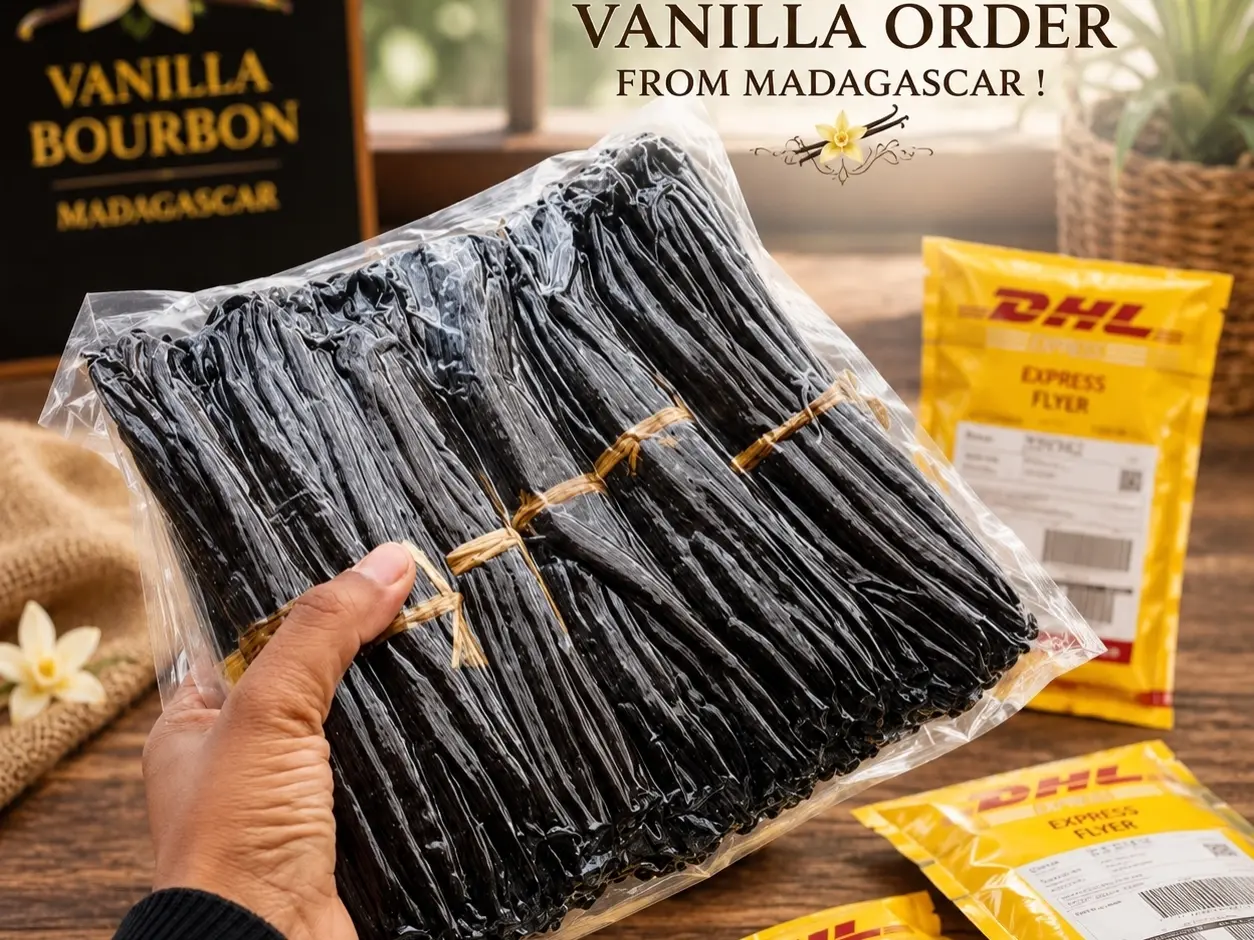
How Vanilla Orders and Fulfilment Work in Madagascar
Vanillababa gets the buyer inquiry, checks the vanilla details, shares sample or wholesale choices, sends the order information, and moves the shipment through packing, export paperwork, and dispatch. Buyers can track progress in the portal, approve documents when needed, and receive the goods after customs clearance and carrier handoff. For Madagascar purchases, timing depends on lot size, season, and export document readiness.
What Happens After You Request Vanilla from Madagascar?
Vanillababa starts with the buyer’s request, then confirms grade, quantity, destination, and preferred shipment method before moving to sampling or direct fulfilment. This first step matches product availability, export readiness, and buyer expectations so the order can move ahead without avoidable delays.
After a buyer inquiry, the team checks whether the request is for a sample order, a small quantity trial, or wholesale vanilla beans for repeat supply. That early review also confirms product details, destination rules, and whether the shipment can leave Madagascar without waiting on missing export paperwork.
For many buyers, buyer portal access is the easiest way to review updates and share needed details. It gives international customers a clear view of the order status while the supply chain process is being prepared for export. If the request is for boutique demand, the same workflow can support a smaller, faster trial before larger volume is discussed.
Seasonal supply variation in Madagascar matters here too. During some periods, lot availability changes fast, so the team may suggest a different pack size, a later dispatch window, or a direct sample approval path to keep the order moving.
The 6-Step Order and Fulfilment Workflow
Vanillababa follows a step-by-step workflow: inquiry, specification review, quotation or sample approval, order confirmation, packing, export paperwork, and dispatch. Each step lowers risk by locking in product details, compliance documents, and logistics handoff before the shipment leaves Madagascar.
This order processing path is built to handle both sample approval and bulk shipping, so the buyer can move from first request to export logistics with fewer surprises. It also keeps the packing list, carrier details, and customs clearance tasks aligned before the goods reach the port handoff stage.
Step 1: Send Your Request and Product Details
Step 2: Confirm Sample, Quantity, and Price Terms
Step 3: Approve the Order and Payment Conditions
Step 4: Pack, Inspect, and Prepare Export Documents
Step 5: Dispatch, Track, and Receive the Shipment
How Long Does Fulfilment Take for Different Order Sizes?
Small vanilla orders usually move faster because they need less consolidation, while larger wholesale lots take longer because of packing, inspection, and export coordination. In Madagascar, fulfilment time depends on order size, document readiness, and carrier schedules, so buyers should expect longer timelines for bulk shipments.
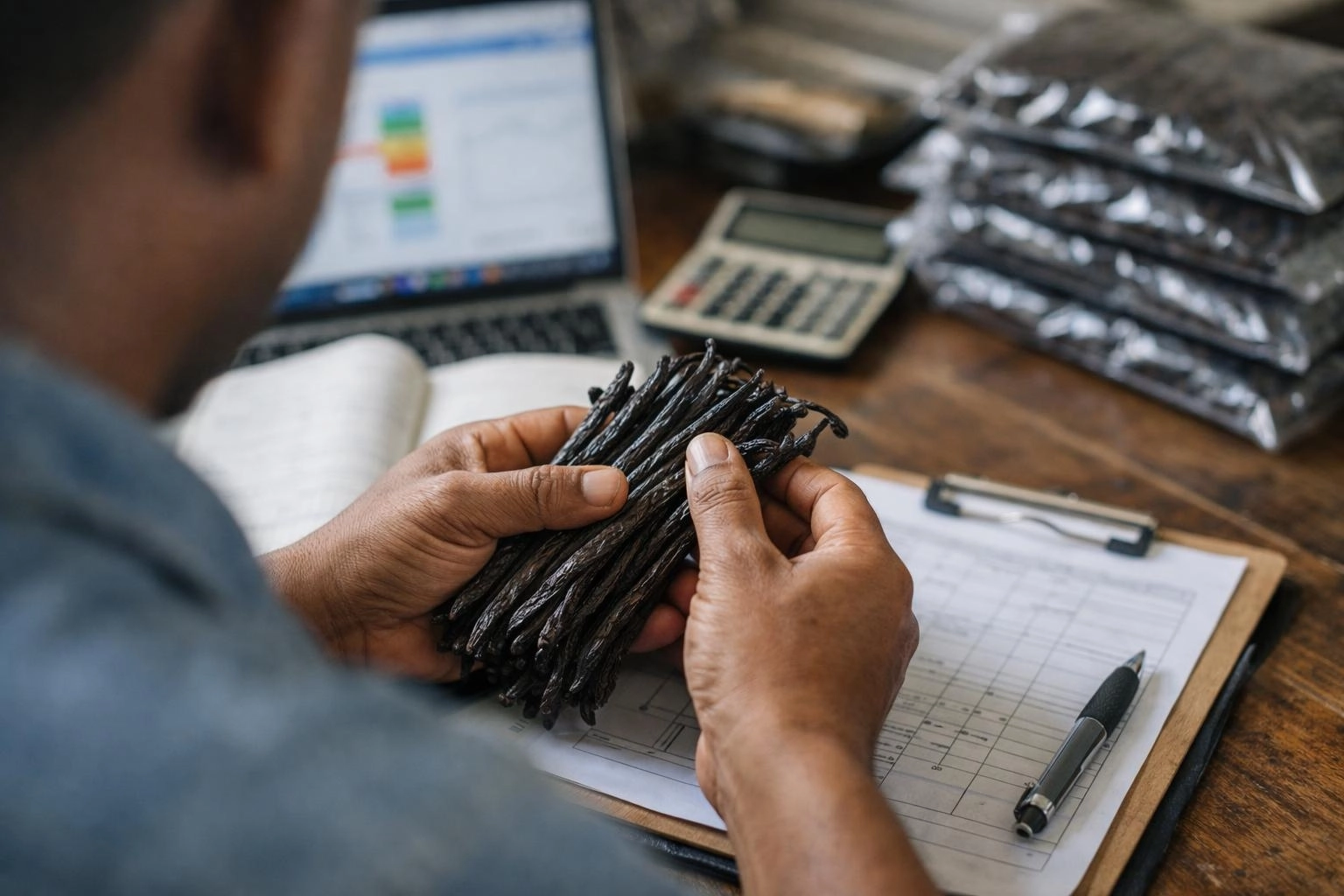
Typical lead time also shifts with seasonal supply variation and island shipping conditions. If the export documents are ready and the lot is already consolidated, the process can move quickly; if not, the shipment may wait for assembly, document approval, or a better port schedule.
| Project size | Typical duration | What affects lead time |
|---|---|---|
| Small | Usually the fastest range, often a few days to about two weeks once sample approval and payment terms are settled. | Less consolidation, simpler packing, and quicker export paperwork if the lot is already available. |
| Average | Commonly one to three weeks, depending on document readiness and dispatch scheduling. | Packing list review, inspection timing, and port handoff can add steps before shipment tracking begins. |
| Large | Often the longest, sometimes several weeks, especially for bulk wholesale vanilla beans. | Consolidation, export documentation, customs clearance, and carrier schedules usually shape the final schedule. |
For buyers planning regular supply, the most reliable estimate comes after the order confirmation stage, when the lot size, packing plan, and dispatch route are already fixed.
Frequently Asked Questions
Request a Sample or Start Your Order
If you are ready to compare grades, check availability, or begin a trial shipment, the next step is simple: send your request and review the response in the buyer portal. For Madagascar buyers, this keeps the order processing path clear from the first message through dispatch.
Related Resources
Cost Comparison: Grade A Gourmet Vanilla vs Grade B Vanilla (Madagascar Bourbon)
how much does Grade A vs Grade B Madagascar vanilla cost
What It CostsExport Pricing to China, Asia, Europe, America and UAE: Freight, Duties and Landing Costs
how much does it cost to export Madagascar vanilla to China/Europe/USA/UAE
What It CostsSmall Quantity vs Wholesale Vanilla Pricing: Per-Kg Breakpoints and MOQ Effects
how much does small quantity vanilla cost vs wholesale price per kg
What It CostsUrgent Shipments & Fast Sample Order Pricing: Expedited Logistics and Rush Fees
how much does expedited vanilla shipping and fast sample orders cost