Madagascar Vanilla Pricing Guide: Pods, Cuts, Extract, Paste and Powder
Vanilla pods, cuts, extract, paste, and powder in Madagascar cost different amounts. Grade, length, curing, and processing all affect value. Split vanilla and short pods usually cost less than extra-long pods. Organic extract, premium paste, and powder cost more because they need extra work. Vanilla caviar and seeds usually sit at the top end. Vanillababa helps buyers compare tiers and pick the best option for wholesale or retail orders in Madagascar.
Vanilla products in Madagascar are priced by form, grade, and processing level. Whole pods and cuts usually come first, while extract, paste, and powder cost more for ease and consistency. Extra-long pods cost more than short pods. Specialty caviar and seeds sit at the premium end.
| Product form | Typical wholesale price range | Typical retail price range | What drives the cost |
|---|---|---|---|
| Whole vanilla pods | Lower to mid range for standard grades; extra-long pods move higher | Higher per piece because of sorting, packing, and small-quantity handling | Bean length, vanillin content, cure time, moisture content, and export quality |
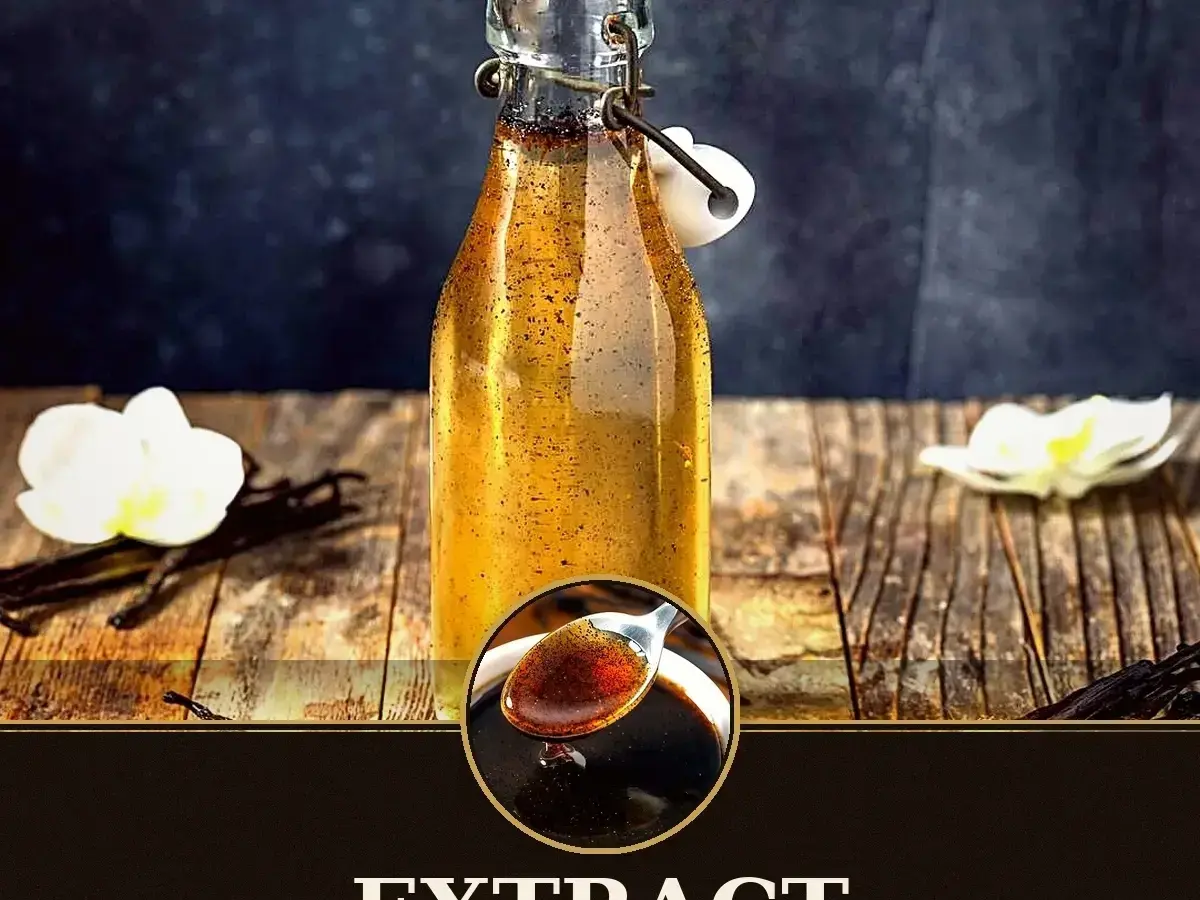
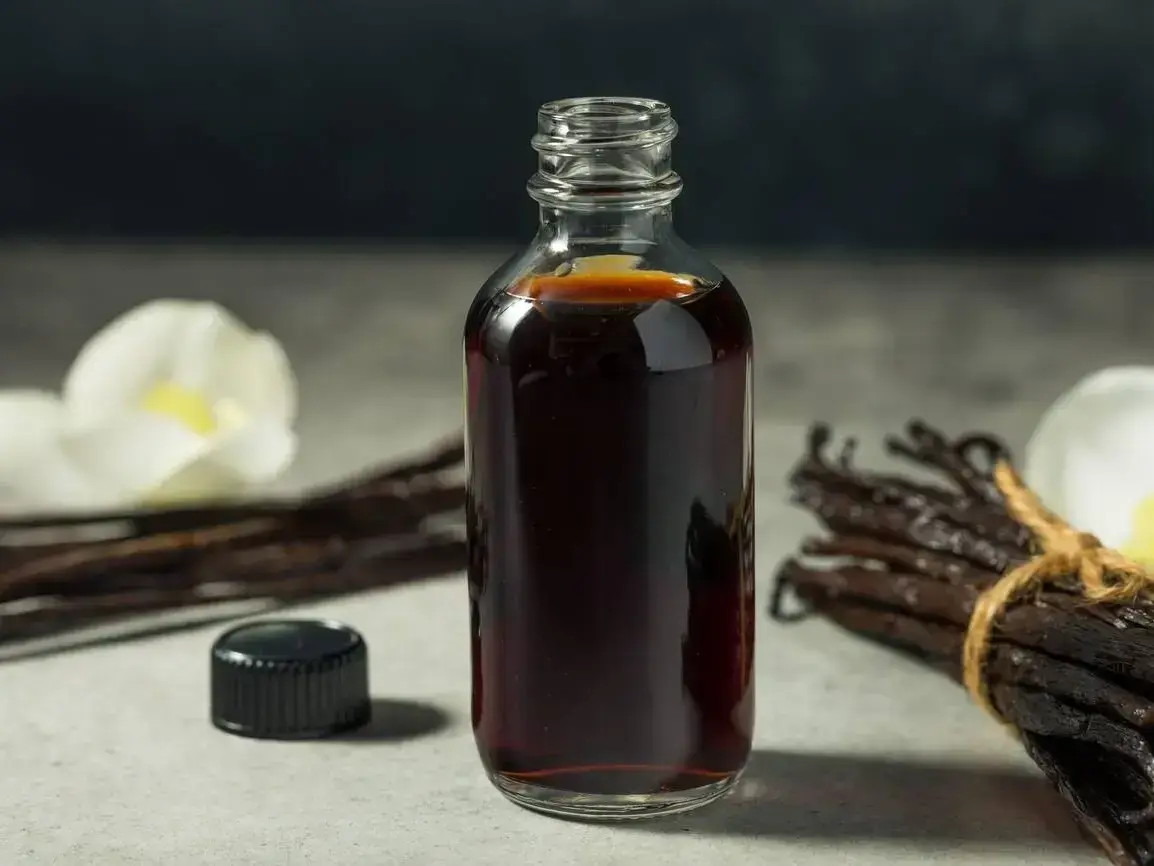
| Organic vanilla extract | Mid to premium, depending on concentration and traceability | Premium retail for finished bottles and clean labeling | Processing cost, filtration, packaging, and compliance expectations |
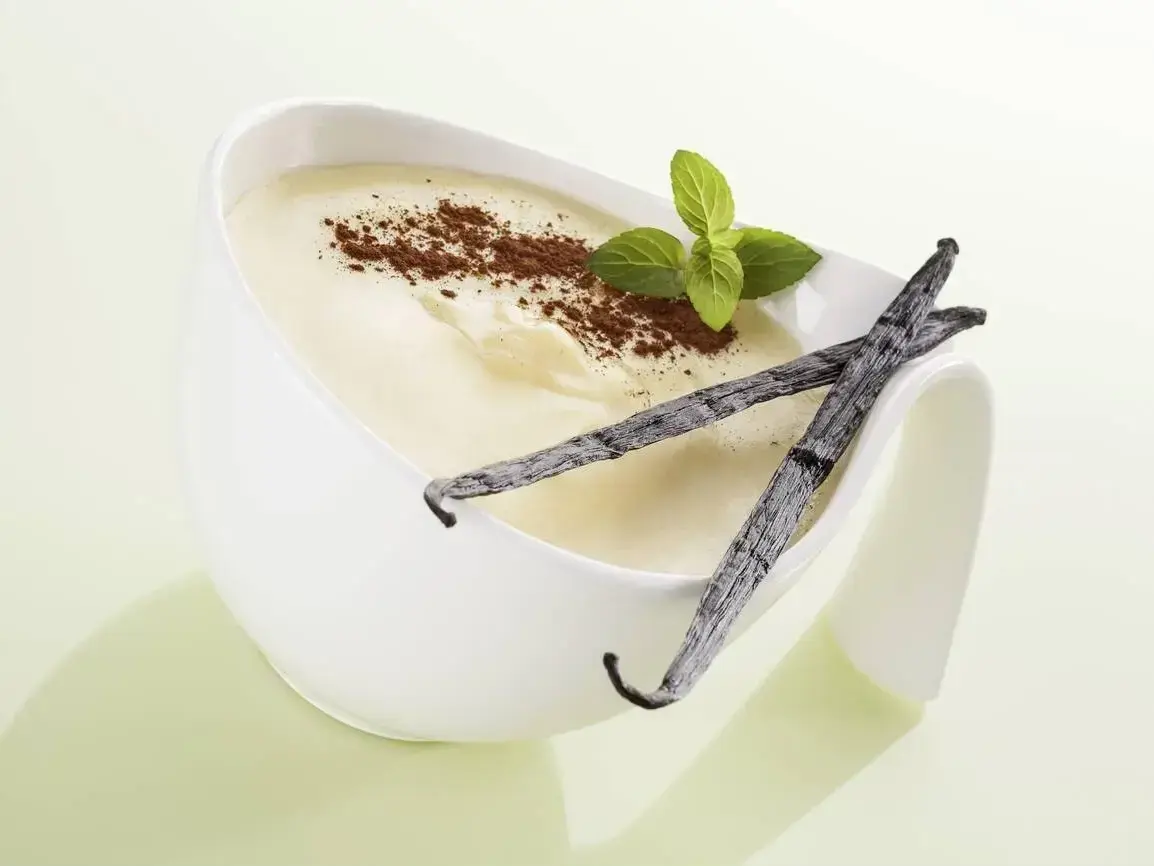
| Premium vanilla paste | Premium because it combines flavor and visible seeds | High retail due to convenience and dessert-ready use | Concentration, seed content, packaging, and ingredient blend |
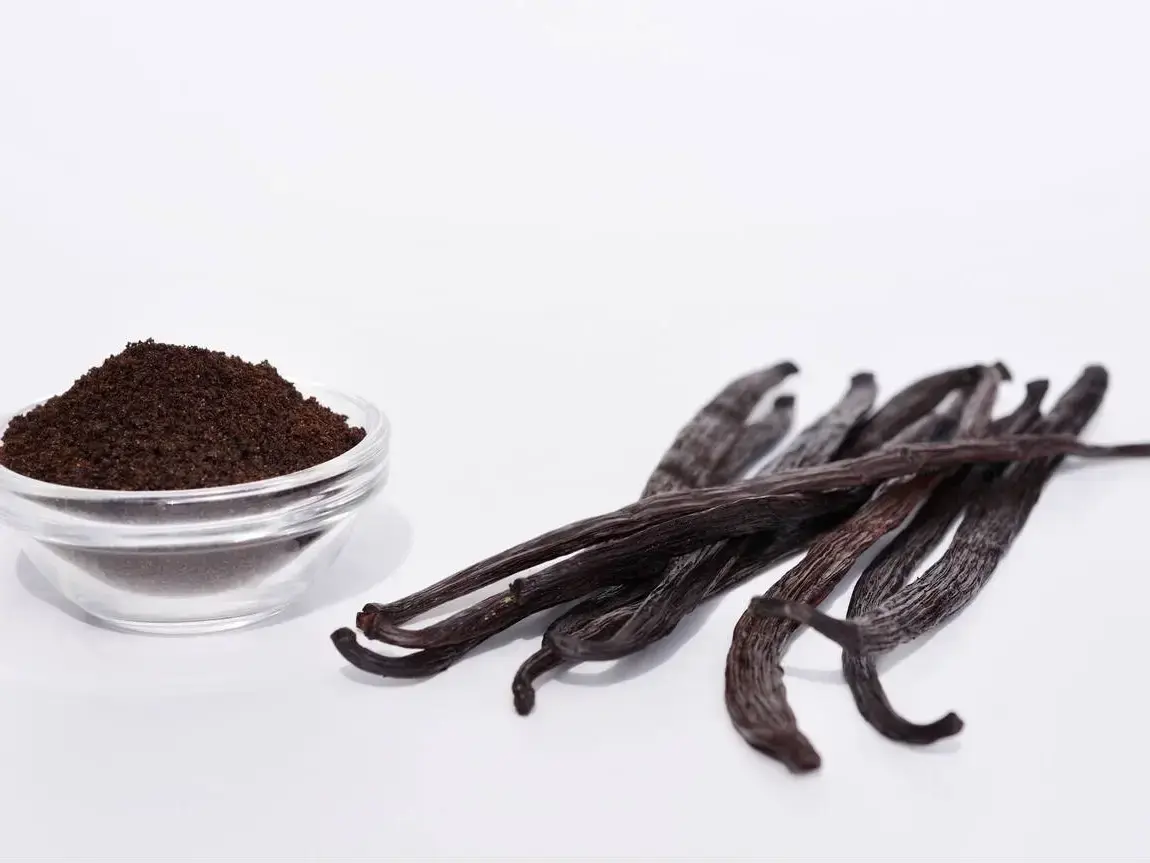
| Vanilla powder | Mid to premium depending on drying method and purity | Higher for fine, consistent powder used in dry mixes | Drying, grinding, yield, and packaging for shelf stability |
As a pricing guide, the main idea is simple. Buyers pay less for raw or lightly prepared ingredients, and more for spice pricing that includes work already done. In Madagascar, the Madagascar vanilla supply chain also shapes landed cost. Interior-to-port logistics can add handling, time, and damage risk before a shipment reaches export quality packing. Seasonal weather swings, especially cyclone periods and uneven harvest timing, can tighten supply and raise the wholesale price. That is why vanilla bean pricing often shifts between harvest windows. Wholesale buyer demand for bakery supply and gourmet ingredient grades can push retail price higher at the same time.
Basic pricing usually fits split vanilla and short pod vanilla. Standard pricing fits most whole pods and vanilla extract. Premium pricing fits extra-long pods, organic extract, premium paste, powder, and vanilla caviar. The tier depends on yield, moisture, aroma, and how much prep the buyer avoids.
| Tier | Typical products | Buyer fit | Why it lands here |
|---|---|---|---|
| Basic tier | Split vanilla, short pods, lower cosmetic grades | Food manufacturing, bulk baking, value-focused sourcing | Lower length, more visible splits, and less premium presentation |
| Standard tier | Most whole pods, vanilla extract, common retail packs | Restaurants, bakeries, resellers, and balanced-cost buyers | Good aroma profile, reliable yield, and moderate packaging cost |
| Premium tier | Extra long pods vanilla, organic extract, premium paste, powder, vanilla caviar | Gourmet retail, export quality programs, visible dessert work | Higher curing quality, traceability, seed content, and convenience |
For a buyer, the best tier is the one that matches the spec without waste. If a recipe only needs flavor, split vanilla can be the smart purchase. If presentation matters, extra long pods vanilla may be worth the added spend. In Madagascar, local curing, sorting, and transport conditions can create wide quality gaps inside the same lot, So grade sorting matters more than a simple label. Buyers who ask for seed content, moisture content, and pack size often get a clearer wholesale price because they compare like with like. That matters even more for export-oriented sourcing, where traceability and compliance expectations can add document costs.
Madagascar vanilla prices change because quality is not uniform. Bean length, curing stage, moisture, aroma strength, and defect rate all affect value. Processed products also add extraction, drying, grinding, and packaging costs, So finished forms usually cost more per usable unit than raw pods.
Bean length is one of the fastest ways the market separates value. Longer beans often look better and can signal stronger export quality. They also reflect more careful grade sorting and sometimes a longer cure time. A pod with a strong aroma, stable moisture, and clean skin will usually cost more than a short or split pod, even when both come from the same Madagascar vanilla supply chain. Vanillin levels matter too, because buyers often compare strength, yield, and the amount of usable flavor they get per kilogram.
Processing changes the picture again. Organic vanilla extract, premium vanilla paste, and vanilla powder all need post-harvest work, filtration, grinding, or concentration. That adds processing cost and packaging cost, So a finished ingredient can cost more than raw spice pricing suggests on paper. The buyer is paying for convenience, consistency, and less prep work in the kitchen or factory. In export-facing trade, traceability and handling papers also affect value, because the supplier must show origin and quality controls. During cyclone season or Other weather swings, transport delays and harvest breaks can tighten supply, so Madagascar rates may move fast even when global demand stays steady.
Buyers can lower vanilla costs by matching the product form to the use, buying larger volumes, accepting the right grade for the recipe, and timing purchases around supply. The best savings usually come from avoiding over-specification. Don’t pay for extra-long pods when standard pods are enough.
- Use wholesale ordering when your demand is steady; larger lots often reduce unit cost and improve packing efficiency.
- Try grade substitution by choosing split vanilla or standard pods when appearance is not critical.
- Buy seasonally when supply is healthier, since harvest timing and weather swings can change market pressure.
- Request bundle purchasing for mixed forms like pods, extract, and paste to improve your overall ingredient pricing.
- Match specs carefully so you do not pay for extra-long length, special curation, or premium packaging you will not use.
Seasonal buying is especially useful in Madagascar because cyclone risk, road conditions, and port timing can move inventory from one side of the island to another. Interior-to-port logistics can raise landed cost, so a quote from a farm area may look lower than a delivered quote to the export point. Buyers who compare bundle purchasing options and ask for spec matching often find better value without changing the final taste. The main goal is to buy the right spice pricing tier for the real job, not the fanciest label on the market.
The best Madagascar vanilla choice depends on the use case. Pods suit premium visible applications. Extract suits scalable flavoring. Paste suits bakery and dessert applications. Powder suits dry mixes. Caviar or seeds suit visual and aromatic finishing. The right form depends on cost per serving and presentation needs.
- Baking: choose split vanilla, standard pods, or organic vanilla extract for reliable flavor and controlled cost in cakes, custards, and pastry fillings.
- Beverage flavoring: use extract or powder when you need consistent dispersion, easy dosing, and less prep time in syrups, milk drinks, or cold blends.
- Gourmet retail: select extra-long pods vanilla or vanilla caviar if visual appeal, aroma, and premium shelf presence matter most.
- Food manufacturing: pick extract, paste, or powder when you need scalable yield, stable formulation, and lower handling time across batches.
For bakery supply, paste often gives a strong return because it blends flavor, specks, and texture in one ingredient. For dry mixes, vanilla powder can be more practical than pods because it stores well and measures cleanly. For luxury display pieces, vanilla caviar or seeds can justify a premium because the consumer sees the detail right away. In every case, the cheapest option is not always the best value. Cost per serving and the needed aroma profile matter more than the headline tag. Vanillababa can help buyers compare forms across wholesale or retail use cases, but the winning choice still depends on the final product.
Wholesale buyers should ask for grade, size range, moisture level, packaging, traceability, and shipping terms before comparing quotes. These details show whether a quote reflects the same product. Two vanilla prices can look similar, but the usable yield, aroma strength, and handling costs can differ a lot.
- Ask for grade specification so the seller confirms whether the lot is split, standard, or premium export quality.
- Confirm moisture level because it affects shelf life, mold risk, weight, and the aroma profile after storage.
- Request pack size details to compare tote, vacuum, or retail packaging on equal terms.
- Check origin traceability so you know the material truly comes through the Madagascar vanilla supply chain and meets documentation needs.
- Clarify shipping terms to understand whether the quote includes inland transport, export handling, and port delivery.
Good quote comparison in Madagascar starts with the basics. Bean length, cure time, vanillin expectations, and post-harvest processing level all matter. A supplier may offer a low wholesale price, but uneven grade sorting or weak traceability can raise landed cost later through rework or delays. Interior-to-port logistics, especially from remote growing zones, can also change the final figure. When buyers ask the right questions up front, they compare real ingredient pricing instead of a misleading headline. That is the cleanest way to source gourmet ingredient lots without paying for avoidable packaging or compliance gaps.
Frequently Asked Questions
A Trusted Way to Compare Madagascar Vanilla Prices
For buyers comparing vanilla bean pricing across forms, the smartest approach is to compare the true usable yield, not just the headline number. Whole pods, organic vanilla extract, premium vanilla paste, vanilla powder, and vanilla caviar each solve a different buying problem, So the lowest retail price is not always the best ingredient pricing. If you want a quote built around grade, moisture content, packaging, and traceability, contact the team here. Randrianantenaina Landry reviewed this guide for local sourcing context.
Related Resources
Vanilla Curing, Processing and Grading: Preparing Pods for International Export
what is the vanilla curing and grading process for export
How It WorksQuality Control & Compliance Workflow for Vanilla Exports: Lab Testing to Phytosanitary Clearance
how does quality control and compliance work for vanilla export
Compared ToBlack Bourbon Vanilla vs Red Bourbon Vanilla: Trade-offs for Export Buyers
Black Bourbon vs Red Bourbon vanilla export
Compared ToOrganic Vanilla Extract vs Premium Vanilla Paste: Which Product Should Importers Source from Madagascar?
organic vanilla extract vs vanilla paste importers