Quality Control & Compliance Workflow for Vanilla Exports in Madagascar
Quality control and compliance for vanilla export in Madagascar starts with sorting cured beans and checking moisture, aroma, and defects. Exporters then confirm safety with lab tests for microbes and residues. After that, they prepare traceability records, packing papers, and phytosanitary forms before inspection and clearance. This process keeps quality steady, matches buyer needs, and helps avoid shipment delays.
How Quality Control Starts with Cured Vanilla Bean Selection?
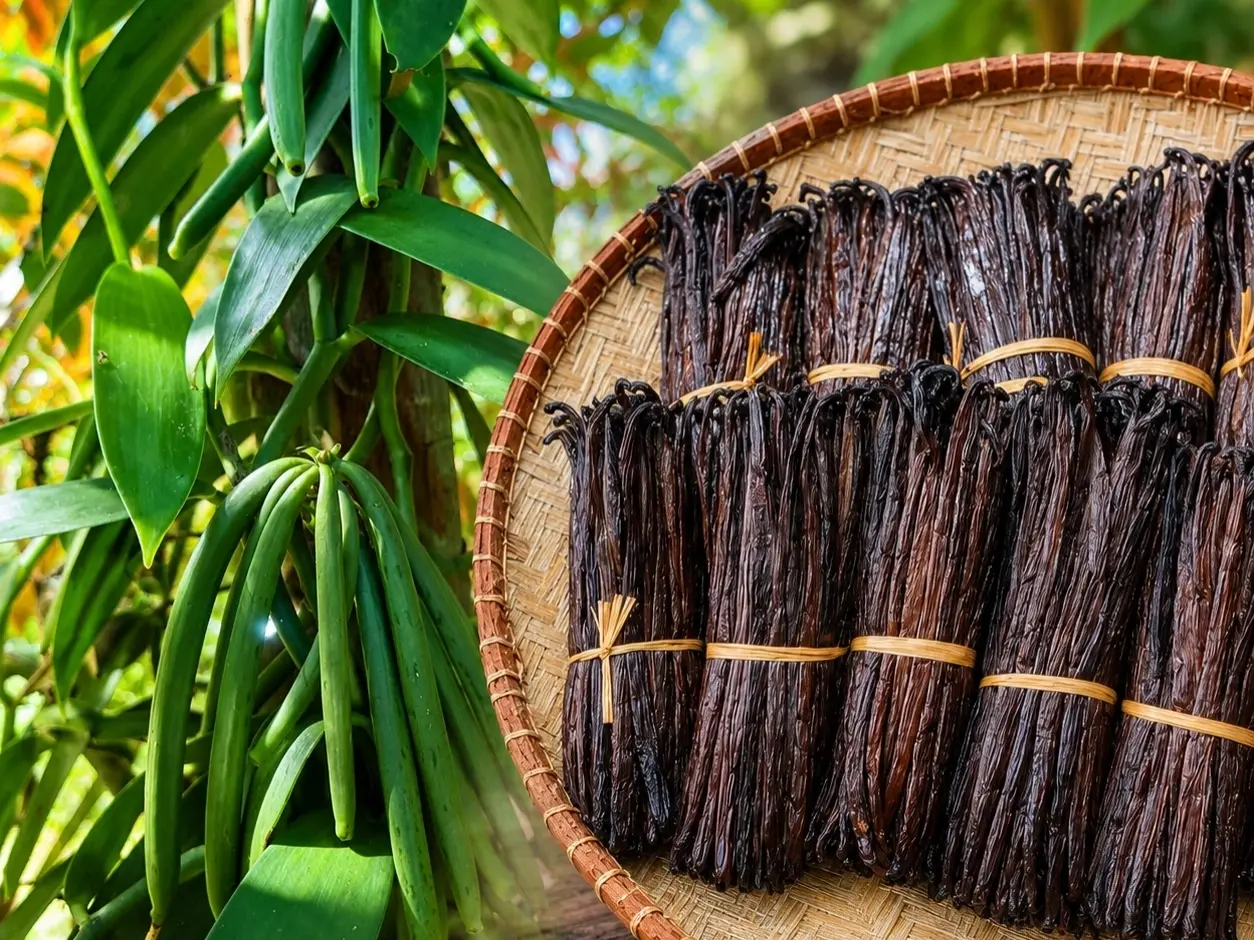
Quality control starts with cured vanilla beans by checking aroma, appearance, pliability, and moisture content before export packing begins. In Madagascar, exporters remove moldy, split, over-dry, or under-cured beans early, so only compliant lots move into lab testing, paperwork, and phytosanitary prep.
In practice, sorting and grading begins at the factory with a clear inspection checklist. Teams separate beans by length, color, oil sheen, and flexibility, then record the lot code so each batch can be traced through the supply chain. This matters because mixed batches from small farms can blur quality differences when records are weak.
Good defect control also cuts rework later in the compliance workflow. Exporters watch for surface cracks, stem damage, and uneven curing, because these often point to hidden moisture changes. In Madagascar, the vanilla harvest and curing pace can shift week by week, so lots are checked again before packing and pre-inspection. That extra pass helps the shipment stay within buyer specifications and supports food export compliance.
Typical factory checks also compare bean consistency across the lot. Strong vanilla export quality assurance does not stop at visual sorting; it links the batch inspection result to the export documentation file, the packing list, and the future certificate of origin. When the first selection is strict, the rest of the process moves faster and with fewer surprises.
What Lab Tests Are Needed Before Vanilla Export Clearance?
Lab testing confirms that Madagascar vanilla meets buyer and regulatory expectations for safety and quality before export clearance. Export lots are commonly checked for moisture, microbiological risk, foreign matter, and residue compliance. The results then help approve the batch, fix issues, or hold the shipment until it passes.
For exporters in Madagascar, timing matters as much as the result. Port and inland transport can create handoff delays, so samples should come from a fully identified lot before the shipment reaches inspection. When lab turnaround is slow, a good shipment may still wait. That is why many firms build buffer time into their export compliance plan.
The most reliable compliance workflow uses a lab test panel that links moisture content, microbiological testing, and residue testing to one batch number. That reduces confusion between batches and helps the exporter answer buyer questions fast. It also lowers the risk of customs clearance delays later, because the file already shows that the cargo passed the right checks.
Which Defects and Quality Markers Do Buyers Inspect First?
Which Documents Prove Export Compliance in Madagascar?
Export compliance in Madagascar depends on a complete document chain that links the vanilla lot to its source, test results, and shipment details. The exporter must align commercial records, packing data, traceability files, and phytosanitary paperwork so inspectors can verify the consignment and release it without avoidable delays.
The core set usually includes the commercial invoice, packing list, certificate of origin, and phytosanitary certificate. These papers work together, not separately. The invoice states what is being sold, the packing list shows how it is packed, the certificate of origin supports source verification, and the phytosanitary certificate shows the goods have passed the plant-health step required for export.
Traceability records are just as important as the commercial forms because Madagascar’s smallholder sourcing and mixed-batch aggregation increase the risk of lost lot identity. Good traceability links farm intake, curing batch, sorting record, lab sample, and final pallet label. When a buyer or inspector asks where a lot came from, the exporter should be able to answer quickly and consistently.
In a strong export documentation file, each page tells the same story: one batch, one code, one destination, one result. That consistency helps the agri-commodity inspection process and keeps the compliance process moving. It also protects the shipment during inland transport and port handoff, where missing paperwork often creates the longest delays.
What Happens During Phytosanitary Inspection and Customs Release?
Phytosanitary inspection and customs release confirm that the vanilla consignment matches its paperwork and is fit to leave Madagascar. Inspectors check the goods, packaging, and documents, then customs clears the shipment once compliance is confirmed and no inconsistencies remain between the physical lot and the declared export record.
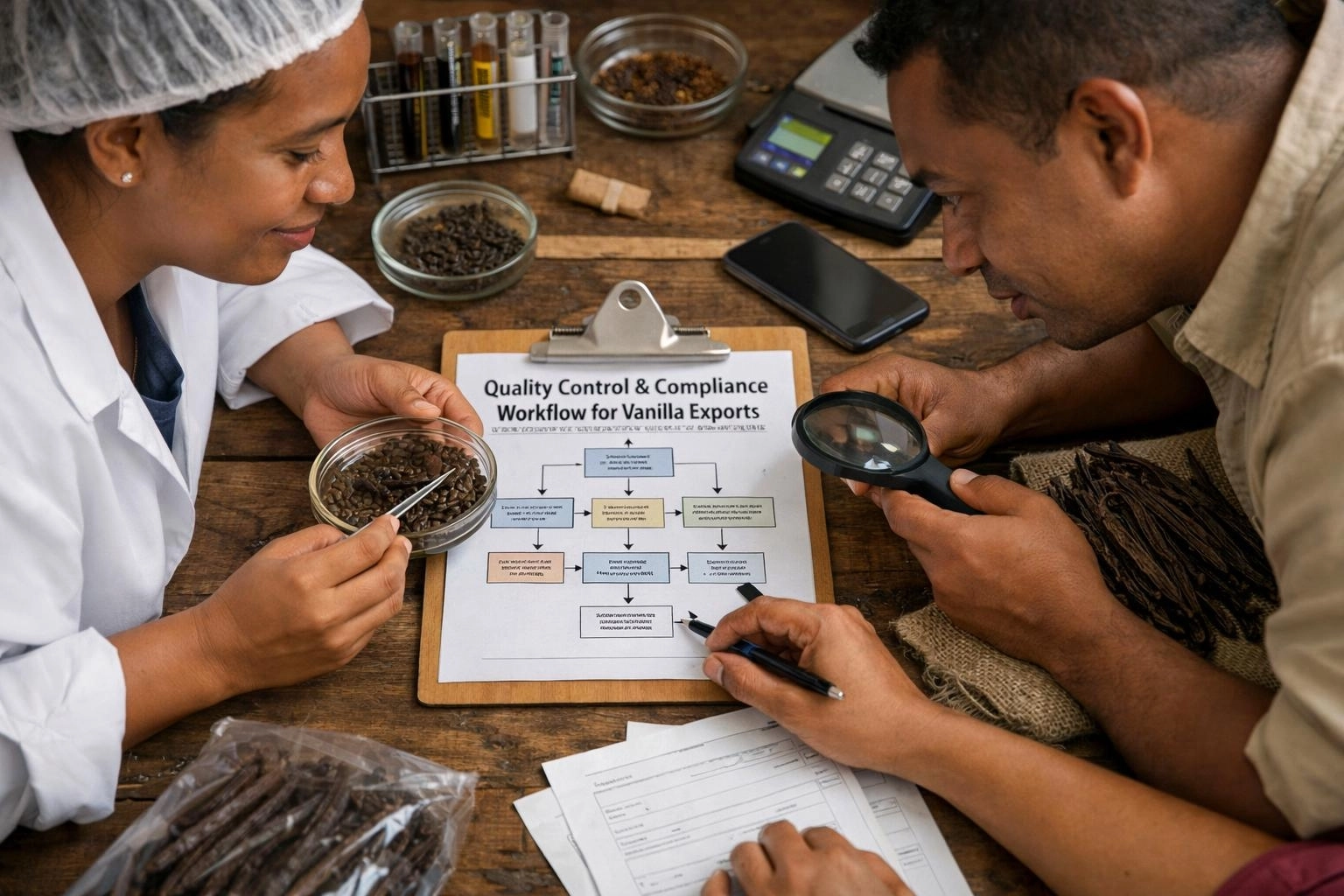
The process usually starts with a document review, then a physical phytosanitary inspection of the pallets or cartons. Inspectors may compare lot codes, seals, and product condition with the export permit workflow already filed by the exporter. If the shipment, packing list, and certificate of origin match the sample and the batch inspection notes, the file can move forward.
After that, customs clearance depends on whether the shipment record is complete and consistent. Any mismatch between weight, quantity, or lot identity can stop shipment release until the exporter explains the issue. That is why many firms in Madagascar complete internal checks before the container arrives at the port. It saves time, lowers re-inspection risk, and reduces the chance of a hold caused by one missing line in the paperwork.
Local conditions also matter. Because inland transport can be slow and port coordination can change from day to day, document readiness must be finished before the goods leave the factory. When the file is clean, the compliance workflow is smoother and the cargo is more likely to clear on the first pass. That is the practical path from factory floor to export gate.
How Long Does Vanilla Export Compliance Usually Take?
Vanilla export compliance timing in Madagascar depends on lot size, lab turnaround, document readiness, and inspection scheduling. Small shipments usually move faster when records are complete, while average and large lots need more time for sampling, testing, and coordinated clearance across quality control, phytosanitary, and customs steps.
| Shipment size | Typical processing timeline | What usually drives the timing |
|---|---|---|
| Small shipment | Often moves through in a few days to about one week, assuming the file is complete. | Fewer cartons, faster sampling, and simpler document review. |
| Average shipment | Commonly needs about one to two weeks when lab work and inspection are scheduled smoothly. | Standard lab testing, traceability review, and coordination with customs clearance. |
| Large shipment | Often takes longer than two weeks if sampling, retesting, or paperwork correction is needed. | More pallets, more lot splits, and more time for phytosanitary clearance and release. |
These ranges are typical, not fixed. During the main harvest and curing cadence, more lots arrive at once, so inspection calendars can tighten. If traceability records are ready early and the lab test panel comes back clean, the process speeds up. If not, the exporter may need to hold the consignment until the compliance workflow is complete.
What Goes Wrong Most Often in Madagascar Vanilla Exports?
The most common failures in Madagascar vanilla exports are moisture variance, traceability gaps, delayed lab results, and packaging nonconformity. These problems can trigger re-sorting, retesting, or shipment holds, so exporters reduce risk by standardizing curing checks, batch records, and pre-inspection verification before the container is sealed.
The safest response is to build checks into every handoff. A strong quality assurance workflow confirms cured beans before packing, validates the lab test panel, and matches the export documentation to the physical load. That approach is especially useful in Madagascar, where smallholder sourcing, inland transport, and port timing can all affect the final outcome.
When exporters treat compliance as one connected process rather than separate tasks, they avoid the most expensive errors. The result is better export quality assurance, fewer re-inspections, and a cleaner path from warehouse to vessel.
Frequently Asked Questions
For a cleaner export compliance process, align sorting, lab testing, export documentation, and inspection planning before the cargo leaves the plant. If you need help organizing the workflow, review your batch file, traceability records, and clearance steps early.
Contact the team for support with vanilla export preparation and compliance review.
Randrianantenaina Landry
Related Resources
Pricing Guide: Whole Pods, Vanilla Cuts, Extract, Paste and Powder
how much does vanilla extract paste powder pods cost
What It CostsCertification & Traceability Costs: Organic, Batch Traceability and Export Documentation Premiums
how much extra does organic certification and traceability add to vanilla export cost
What It CostsPackaging, Insurance and Compliance Costs for International Vanilla Buyers
what are packaging insurance and compliance costs for exporting vanilla from Madagascar
Compared ToExport Vanilla to China vs Export Vanilla to Europe: Regulatory, Logistics and Price Comparison
export vanilla to China vs Europe