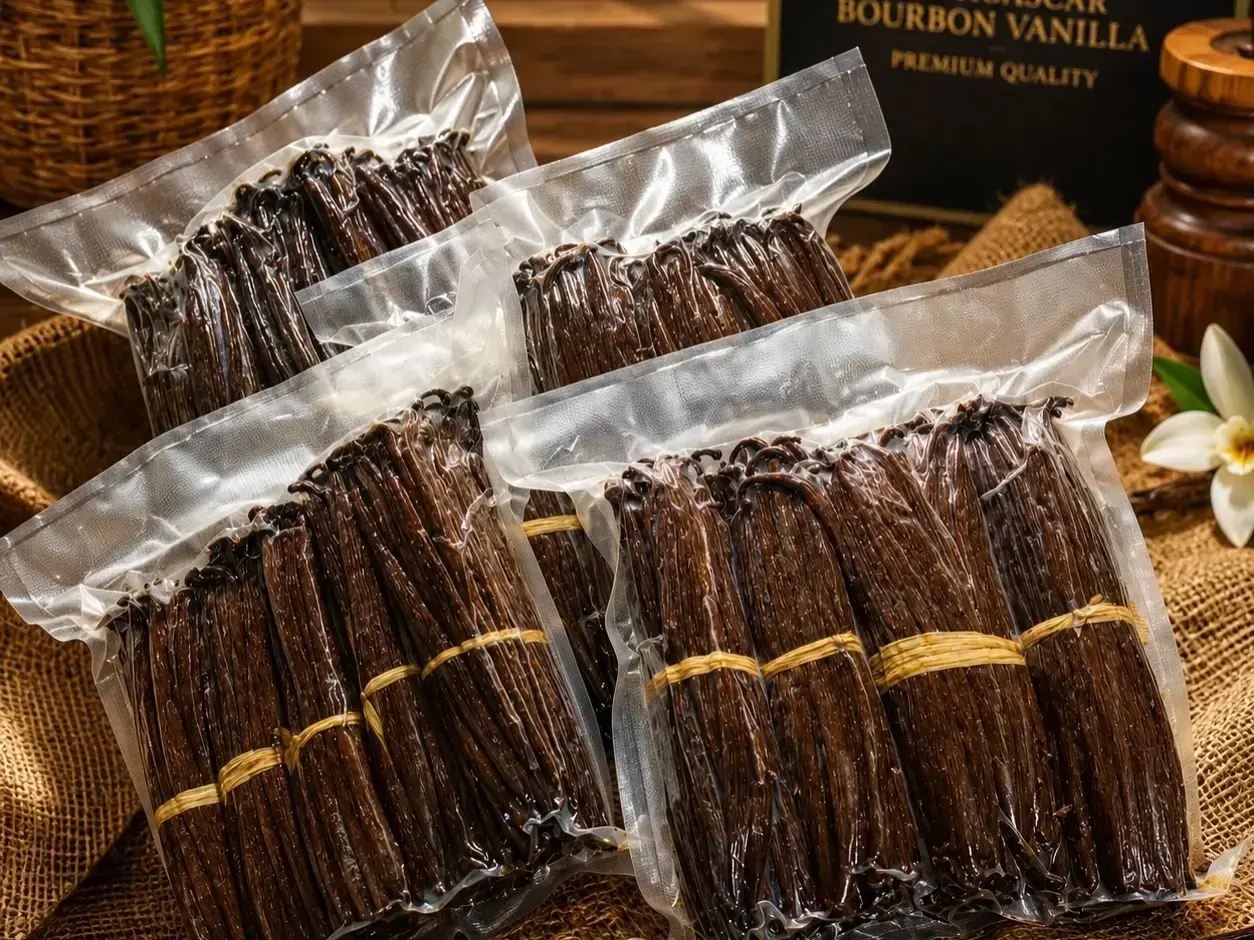
Export Vanilla to China vs Europe from Madagascar
Export vanilla to China often means faster buyer access and stronger bulk demand. Export vanilla to Europe usually means stricter rules, more paperwork, and tighter quality checks from Madagascar exporters. China can be simpler on some buyer needs, but Europe often brings better pricing when the vanilla meets food safety, traceability, and residue rules. For Madagascar suppliers, the best choice depends on your certificates, shipping plan, and target margin.
Which Market Is Easier for Madagascar Vanilla Exporters?
Madagascar vanilla exporters usually find China easier on buyer-side entry rules, while Europe is harder but often more rewarding if the exporter can meet stricter compliance. The simpler route is not always the more profitable one, because Europe’s documents and quality checks can support premium pricing.
For China market access, the main advantage is that some buyers move faster and accept bulk vanilla export lots with fewer layers of friction. That helps when the harvest is ready and curing has produced a lot that matches buyer specs. Europe market access, by contrast, often asks for stronger food safety compliance, tighter traceability, and clearer proof of origin from the start.
For exporters in Madagascar, the local season matters. The harvest and curing cycle can make supply uneven, so lot consistency becomes a real issue. If your batch is well cured and well tracked, Europe can reward that discipline. If your team is still building export readiness, China may be the more practical entry point. In both cases, buyer expectations, quality inspection, and export documentation shape the result more than the destination name alone.
Export Vanilla to China vs Europe: Quick Comparison
Exporting vanilla to China usually suits exporters who want simpler entry and flexible bulk demand, while Europe suits exporters aiming for premium pricing, traceability, and compliance-led buyers. China can cut some friction, but Europe usually needs more preparation, more quality paperwork, and stronger follow-through after shipment.
| Factor | China | Europe |
|---|---|---|
| Cost | Often lower upfront compliance cost, but pricing can be negotiated harder on bulk lots. | Often higher compliance cost, but premium pricing may offset the extra preparation. |
| Timeline | Can be faster if buyer-side paperwork is straightforward and ocean freight is well planned. | May take longer because of tighter checks, document review, and buyer approval cycles. |
| Maintenance | Lower ongoing maintenance if the contract is simple, but quality may still need close monitoring. | Higher maintenance because traceability, residue control, and consistency must stay strong. |
| Best-for | Exporters wanting flexible bulk demand and simpler commercial entry. | Exporters targeting premium grade vanilla, steady demand, and compliance-led buyers. |
If you are comparing a vanilla export comparison by route, think of China as the more flexible trade route comparison and Europe as the stricter destination market comparison. The right choice depends on your production quality, buyer contract terms, and how much help you need with export documents and shipping route planning.
What Regulations Matter Most for Each Destination?
Europe usually has stricter food safety, traceability, and residue rules than China, so Madagascar vanilla exporters need stronger documents and tighter product control for European buyers. China still needs correct export paperwork and customs readiness, but Europe tends to review origin, processing, and contaminant risk more closely.
For food safety standards, European buyers usually want a clear chain of custody, batch-level traceability, and proof that the lot meets residue limits and buyer specs. That means the exporter must keep export documentation aligned with the product from farm gate to packing and shipping. A phytosanitary certificate may also be needed as part of the plant-health file, depending on the route and the buyer’s customs process.
In China market access, the paperwork still matters, but the buyer may care more about commercial fit, shipping lead time, and product grade than on the same level of source proof seen in Europe market access. Even so, a clean file helps avoid port delays. For both destinations, food safety compliance is strongest when the exporter can show traceability, steady curing, and clear lot separation. That is especially true for specialty spice export lots where premium grade vanilla is being sold.
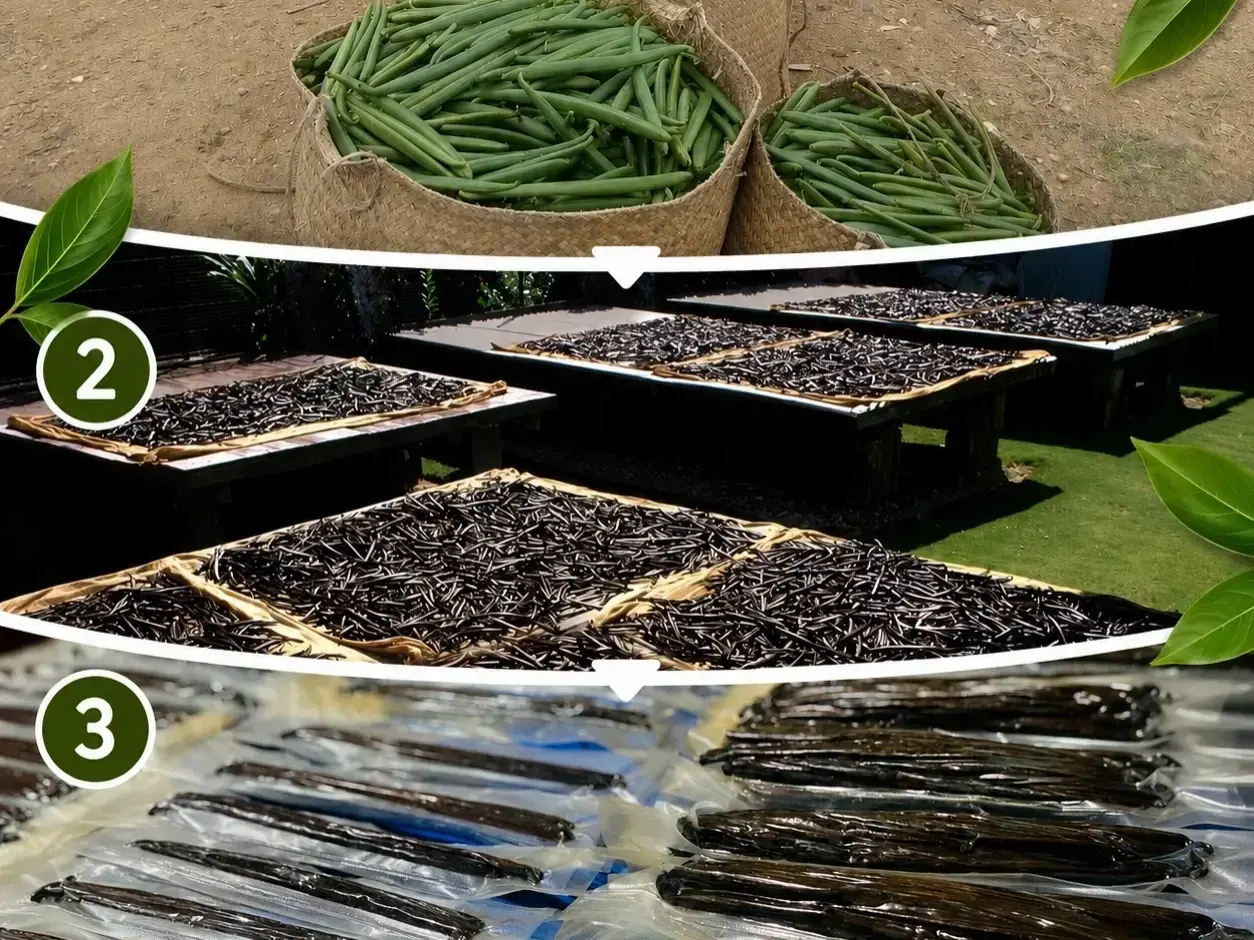
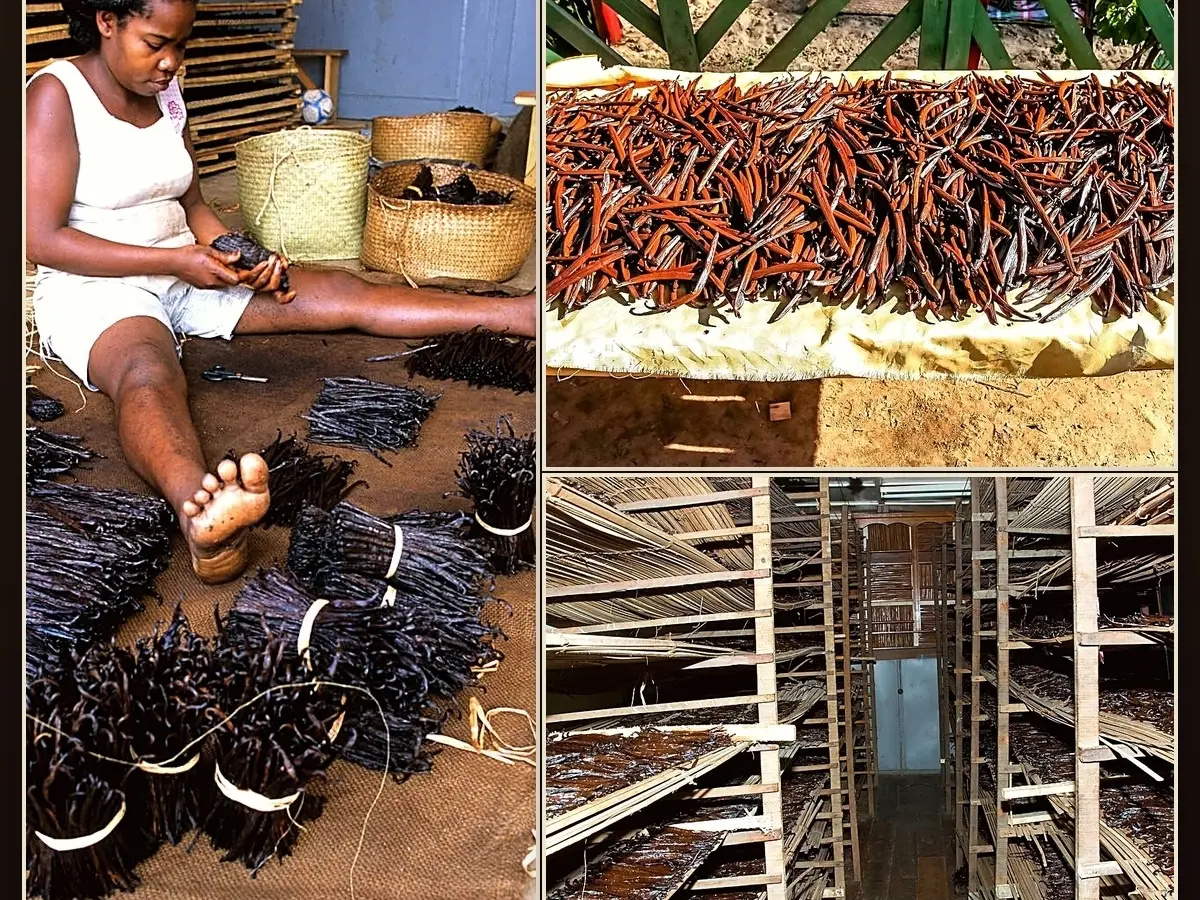
Madagascar’s supply chain adds another layer. Origin documentation often starts with smallholder sourcing, then moves through drying, curing, and packing. If any step is weak, the batch can become harder to place in Europe. China may allow more flexibility, but a smart exporter still protects the shipment with complete export documentation, a valid phytosanitary certificate where required, and strong quality inspection records.
How Do Shipping and Customs Timelines Differ?
Shipping vanilla from Madagascar to either China or Europe depends on ocean freight schedules, port handling, and customs clearance speed, but Europe often has more established trade lanes for specialty foods. China may need more careful route planning depending on the buyer, while Europe usually rewards steady, well-documented logistics.
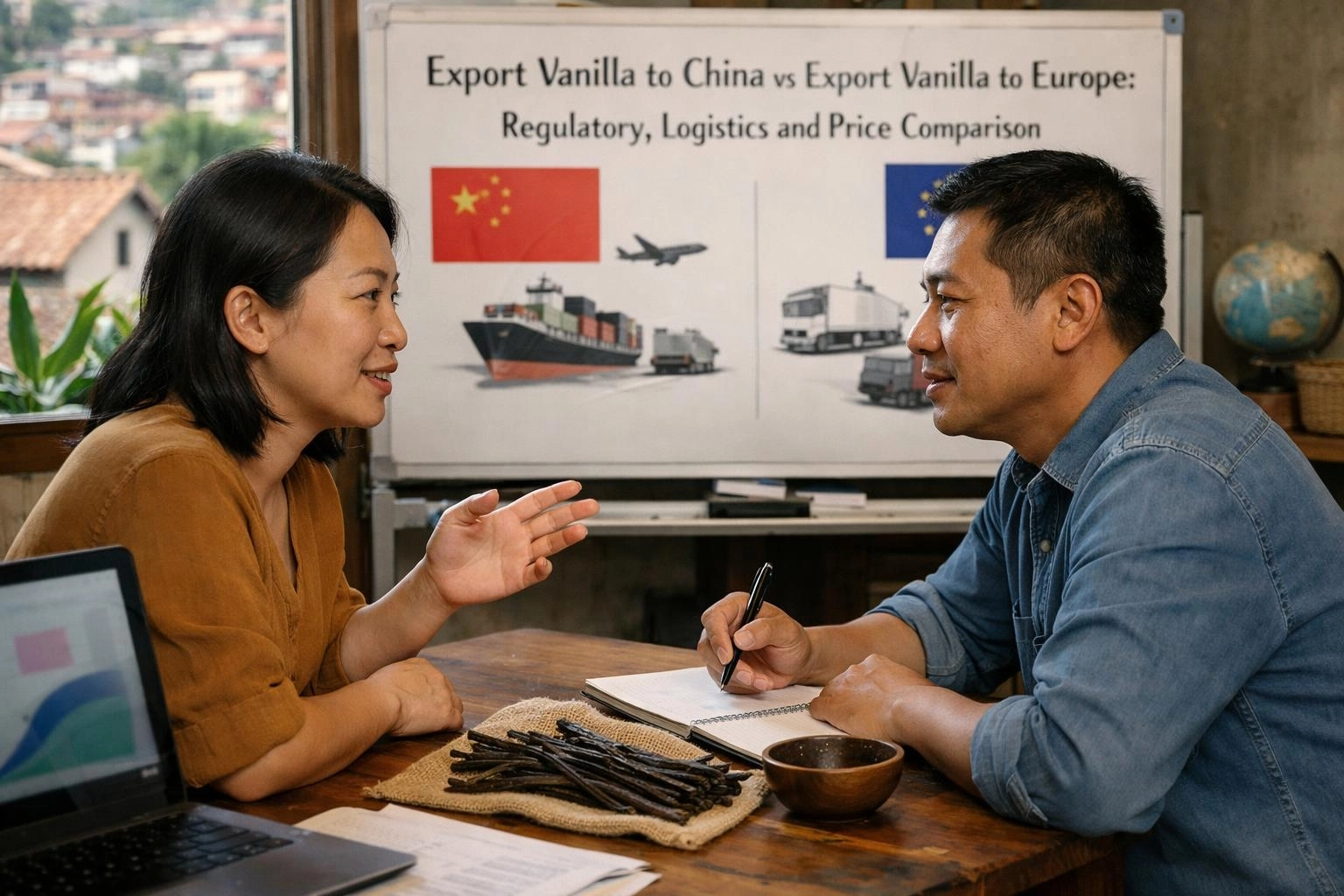
In practice, transit time changes with vessel availability, transshipment points, and how quickly documents are accepted at origin and destination. Ocean freight is often the main mode for bulk vanilla export, so the exporter should plan for buffer time rather than relying on the fastest listed schedule. Port logistics in Madagascar can also affect when a shipment leaves, especially if the harvest is seasonal and the batch is still being finalized.
For customs clearance, the best shipments are the ones that arrive with matching data across the invoice, packing list, certificate of origin, and buyer contract. China can be more sensitive to route and consignee details, while Europe may spend more time reviewing quality and traceability files. Either way, a clean handoff cuts port delays and lowers the risk of reinspection. Exporters who plan around the shipping lead time usually avoid costly storage problems and missed delivery windows.
Where Does the Price Difference Come From?
Price differences come from compliance burden, buyer demand, and the grade of vanilla being sold. Europe often supports higher premium pricing when the vanilla is traceable and meets strict specs, while China may compete more on volume and negotiation flexibility. The exporter’s margin depends on document quality and grade consistency.
The unit price is not set by destination alone. Premium grade vanilla with strong curing, clean packaging, and solid lot records can bring better offers in Europe because buyers pay for lower risk and stronger food safety compliance. In China, a strong bulk supply may draw demand faster, but the deal can still push the unit price down if the buyer is comparing Other origins or wants larger volumes.
Compliance cost also changes the final margin. Europe may need more testing, tighter traceability, and more export documentation, which raises cost before shipment. Yet those extra steps can protect value if the buyer is paying for premium positioning. China may reduce some overhead, but a lower document burden does not automatically mean a better net outcome. The smarter calculation includes rejection risk, port delays, and the cost of rework if buyer specs are not met.
For Madagascar suppliers, the strongest pricing often comes when the batch stays consistent from harvest to packing. If the local curing cycle has been managed well and the origin story is strong, the product can support premium pricing in the right channel. Vanillababa can help shape the export file so the commercial offer fits the destination market and the landed cost stays controlled.
Pros and Cons of Exporting Vanilla to China or Europe
China can be attractive for flexibility and commercial speed, but Europe can be better for premium positioning and steady quality-led demand. China’s downside is often buyer variation and price pressure, while Europe’s downside is stricter compliance and more preparation. The best route depends on your readiness, not just the headline price.
China Route: Pros
China Route: Cons
Europe Route: Pros
Europe Route: Cons
What Documents Should You Prepare Before Export?
Madagascar vanilla exporters should prepare the main shipping and customs documents before targeting either China or Europe, because missing paperwork causes delays, rechecks, or buyer rejection. Europe usually needs stronger traceability support, while China still expects clean commercial documents and matching customs data.
For Europe, the file should also support food safety standards, traceability, and residue limits, especially if the shipment is premium grade vanilla. For China, the key is to keep the commercial paperwork clean and consistent so port authorities and the buyer can process the goods without delay. In both cases, a well-prepared document set makes customs smoother and protects the seller’s margin.
Frequently Asked Questions
Related Resources
Export Pricing to China, Asia, Europe, America and UAE: Freight, Duties and Landing Costs
how much does it cost to export Madagascar vanilla to China/Europe/USA/UAE
What It CostsCertification & Traceability Costs: Organic, Batch Traceability and Export Documentation Premiums
how much extra does organic certification and traceability add to vanilla export cost
What It CostsUrgent Shipments & Fast Sample Order Pricing: Expedited Logistics and Rush Fees
how much does expedited vanilla shipping and fast sample orders cost
What It CostsPackaging, Insurance and Compliance Costs for International Vanilla Buyers
what are packaging insurance and compliance costs for exporting vanilla from Madagascar