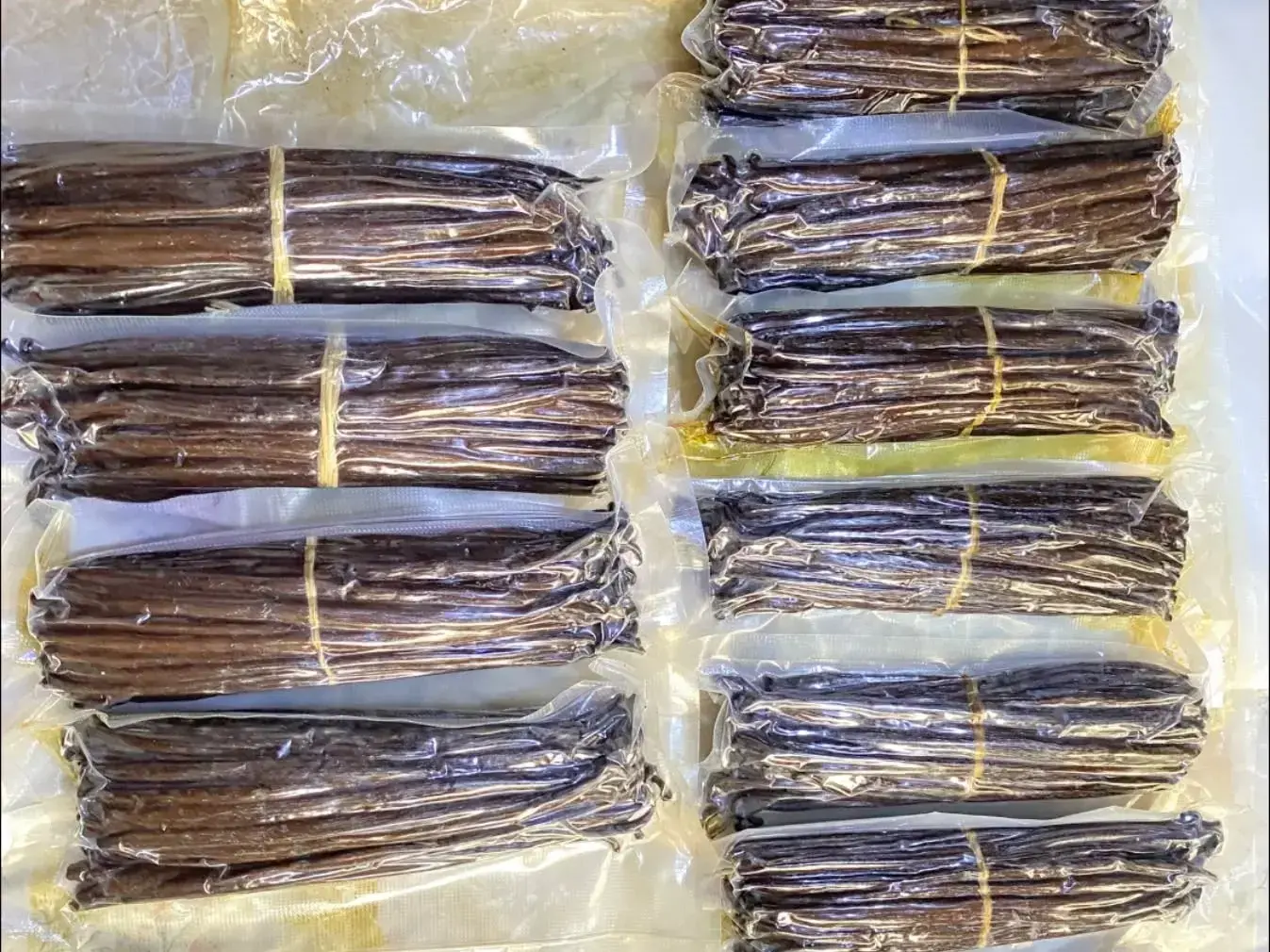
Vanilla Caviar vs Vanilla Powder for Chefs in Madagascar
Vanilla caviar is best when chefs need visible specks, quick infusion, and a premium look. Vanilla powder is best when they want dry mix consistency, longer shelf life, and easier scaling. In Madagascar kitchens, caviar usually costs more per use, but it gives a stronger sensory lift in dairy, pastry cream, and finishing. Powder lowers moisture risk in dry blends and shelf-stable mixes. Choose caviar for luxury desserts and powder for efficiency, then check batch traceability before you buy.
Vanilla Caviar vs Vanilla Powder: Which Performs Better in a Professional Kitchen?
Vanilla caviar beats vanilla powder when chefs want seed flecks, bold aroma, and a polished dessert look. Vanilla powder wins for dry use, steady batching, and easier storage. The right choice depends on whether the kitchen values sensory impact or smooth workflow.
| Factor | Option A | Option B |
|---|---|---|
| Performance | Vanilla caviar gives stronger sensory impact, fast infusion, and visible seed flecks for plated work. | Vanilla powder gives even dose consistency and reliable mixing in dry blends. |
| Cost | Usually higher cost per use, especially for premium plating and finishing. | Often lower handling cost and fewer losses in high-volume production workflow. |
| Timeline | Quick to fold into custards, dairy, and finishing steps with immediate aroma release. | Best for batch prep where extraction and infusion are built into the mix stage. |
| Best-for | Luxury desserts, pastry cream, ice cream, and premium vanilla paste style applications. | Dry blends, bakery production, shelf-stable mixes, and scalable prep systems. |
For professional kitchens, flavor isn't the only thing that matters. Moisture content, shelf life, and workflow fit also count. In Madagascar, local vanilla supply can shift with the season, so chefs should weigh sensory impact against cost per use before they commit.
Side-by-Side Comparison for Cost, Timeline, Maintenance, and Best Use
Vanilla caviar usually costs more per finished portion, but it speeds up premium presentation and aroma. Vanilla powder often cuts handling work and improves shelf stability. For Madagascar sourcing, batch traceability matters because quality, moisture, and origin consistency all affect kitchen cost and repeat results.
| Factor | Vanilla caviar | Vanilla powder |
|---|---|---|
| Cost per use | Typically higher, but often justified in signature desserts and luxury menus. | Typically lower in dry mixes and repeatable batch prep. |
| Prep timeline | Fast for finishing, creams, and custards where aroma release matters right away. | Fast for weighed dosing into production workflow and dry blend systems. |
| Maintenance | Needs careful moisture control and clean handling to protect seed texture. | Needs dry storage and tight seal discipline for shelf stability. |
| Best-for | Custards, pastry cream, ice cream, ganache, and premium plating. | Dry mixes, bakery production, shelf-stable ingredients, and large batch consistency. |
| Traceability need | High, because lot tracking helps protect aroma, moisture, and visible quality. | High, because origin and grind consistency shape dose consistency and yield. |
In Madagascar, island logistics can slow replenishment, so chefs should think beyond unit price. A cheaper package can turn costly if the packaging is weak, the batch details are unclear, or the moisture level changes. The best buy includes origin documents and storage that fits the product.
Pros and Cons of Vanilla Caviar for Chefs
Vanilla caviar is the top pick for chefs who want visible seed flecks, fast aroma in creams and custards, and a clear luxury look. Its downsides are higher cost, moisture sensitivity in some dry formats, and the need to keep lot quality steady across premium desserts.
For Madagascar kitchens, the local climate makes storage care even more important. Humid tropical conditions can affect handling, so the ingredient works best when the team protects texture, aroma, and packaging from receiving dock to service.
Pros and Cons of Vanilla Powder for Chefs
Vanilla powder is ideal for chefs who want easy dosing, dry-mix use, and longer shelf stability in professional production. Its limits are weaker visual impact, less visible seed texture, and a flavor profile that may feel less premium in plated desserts and high-end finishes.
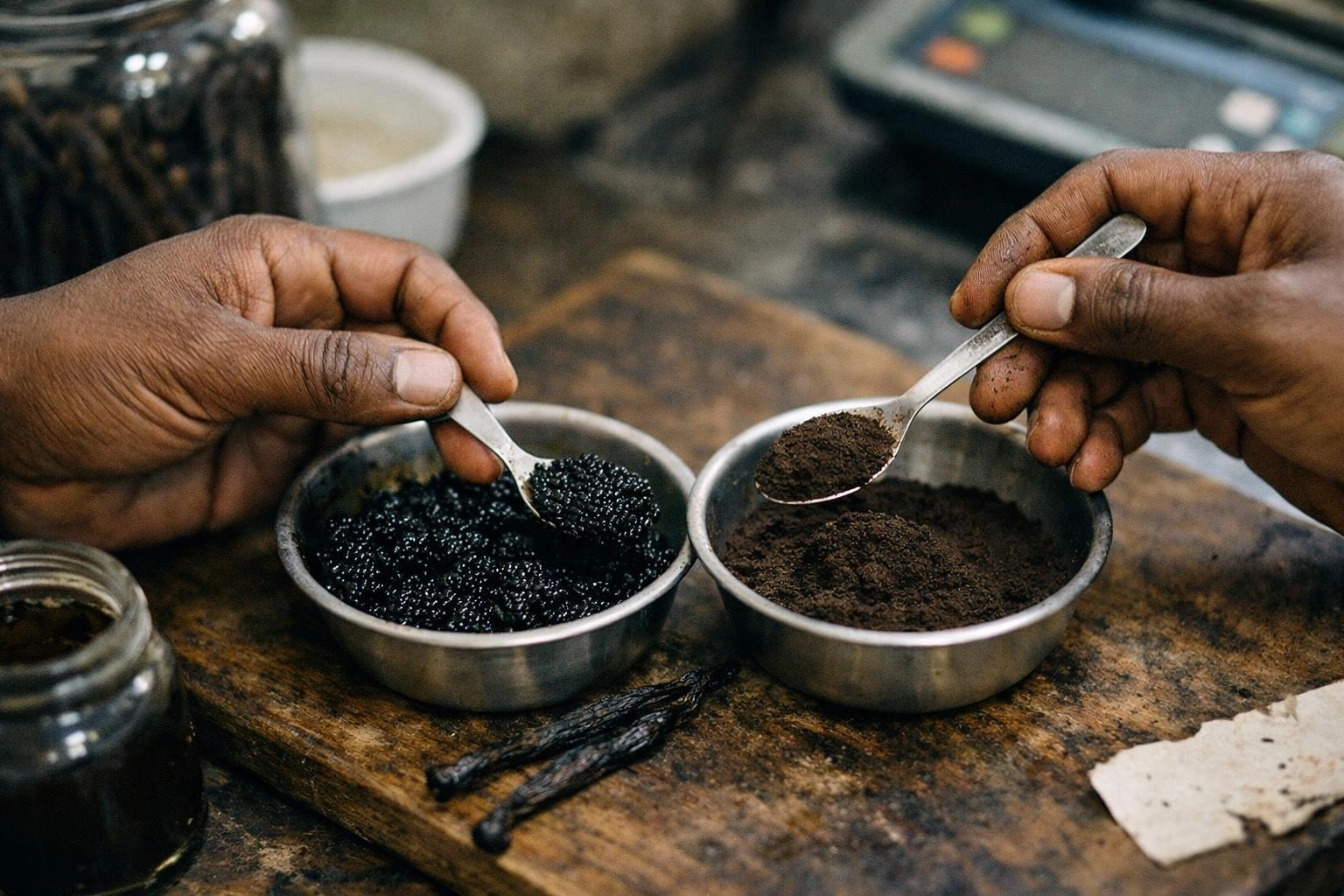
In Madagascar, powder is a smart choice when long shelf life and simple storage matter more than show. It also cuts moisture risk in busy kitchens where dry blends are made ahead and held through service.
Which Option Fits Each Menu Application in Madagascar?
Vanilla caviar works best in custards, pastry cream, ice cream bases, and plated desserts where appearance matters. Vanilla powder fits dry rubs, baking mixes, and shelf-stable ingredients. In Madagascar operations, the right pick depends on humidity, batch size, and whether the dish needs visible specks.
Professional kitchens often keep both formats on hand. That helps teams manage cost per use, switch by menu need, and protect quality when island logistics or seasonal supply changes.
When Chefs Should Choose Vanilla Caviar?
Chefs should choose vanilla caviar when the dish is visible, the brand promise is luxury, and the recipe needs seed specks and fast infusion. It fits finishing, plated desserts, and premium dairy-based dishes best.
In Madagascar, this format works best when the kitchen can protect quality with careful handling and clear batch traceability.
When Chefs Should Choose Vanilla Powder?
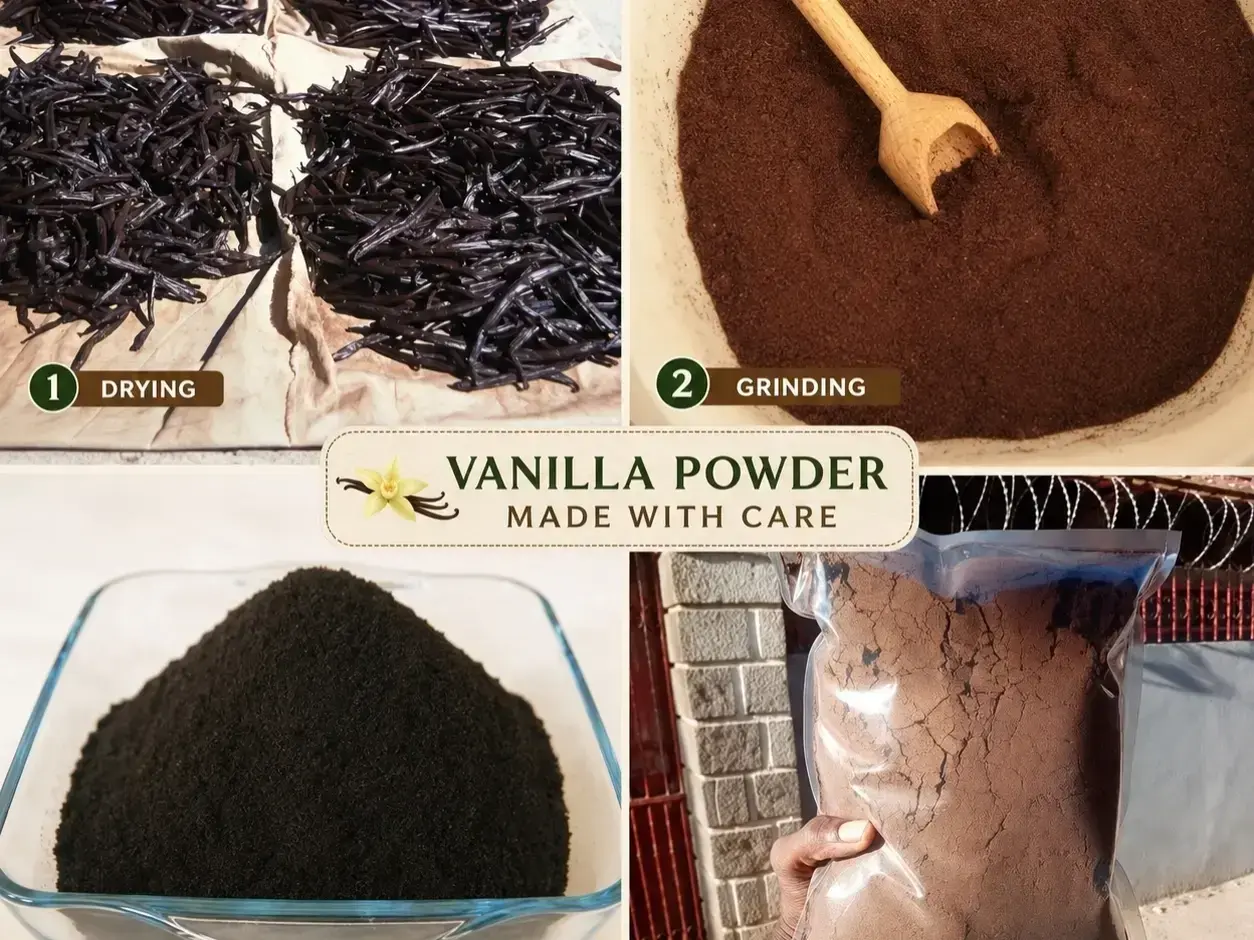
Chefs should choose vanilla powder when they need dry-format efficiency, steady dosing, and lower storage risk. It fits mix preps, dry blends, and production systems where moisture control and long shelf life matter most.
For island kitchens, powder can be a smart operational tool when replenishment is slower and the team wants stable ingredient planning.
What Madagascar Kitchens Should Check Before Buying Either Format?
Madagascar kitchens should check batch traceability, moisture control, and origin consistency before buying vanilla caviar or vanilla powder. Climate and logistics can affect storage and quality, so the best purchase has clear lot data, stable handling, and packaging that fits the job.
Madagascar vanilla supply can be excellent, but local buying needs a practical view. Seasonal changes may affect supply and price, so chefs should compare lot documents, packaging quality, and shelf life before they commit. In professional kitchens, especially those serving custards and pastry cream, the best ingredient is the one that performs the same from receiving to service.
Look for origin consistency, visible batch traceability, and packaging that shields moisture-sensitive material from humid tropical conditions. If the item will sit in storage, ask whether the format supports long shelf stability and whether the supplier can keep repeat quality across orders. That is the safest way to manage cost per use without losing sensory impact.
Author: Randrianantenaina Landry
Frequently Asked Questions
Bottom line: vanilla caviar suits luxury dessert work, while vanilla powder suits dry blends and scalable kitchen systems. In Madagascar, the smartest buying decision also considers batch-level traceability, moisture control, and origin consistency so the ingredient performs the same from one delivery to the next.
For direct sourcing guidance and supplier review, use.
Related Resources
Pricing Guide: Whole Pods, Vanilla Cuts, Extract, Paste and Powder
how much does vanilla extract paste powder pods cost
What It CostsCertification & Traceability Costs: Organic, Batch Traceability and Export Documentation Premiums
how much extra does organic certification and traceability add to vanilla export cost
How It WorksQuality Control & Compliance Workflow for Vanilla Exports: Lab Testing to Phytosanitary Clearance
how does quality control and compliance work for vanilla export
How It WorksCustoms Documentation & Export Clearance Process for Vanilla: Paperwork, Certificates and Tariffs
what paperwork is needed to export vanilla from Madagascar