Trusted Local Service Experts
Comparison Table of Vanilla Export Types
Direct answer: Use this table to compare the common export formats by features, typical cost range, and best commercial uses.
| Type | Key Features | Typical Cost | Best For |
|---|---|---|---|
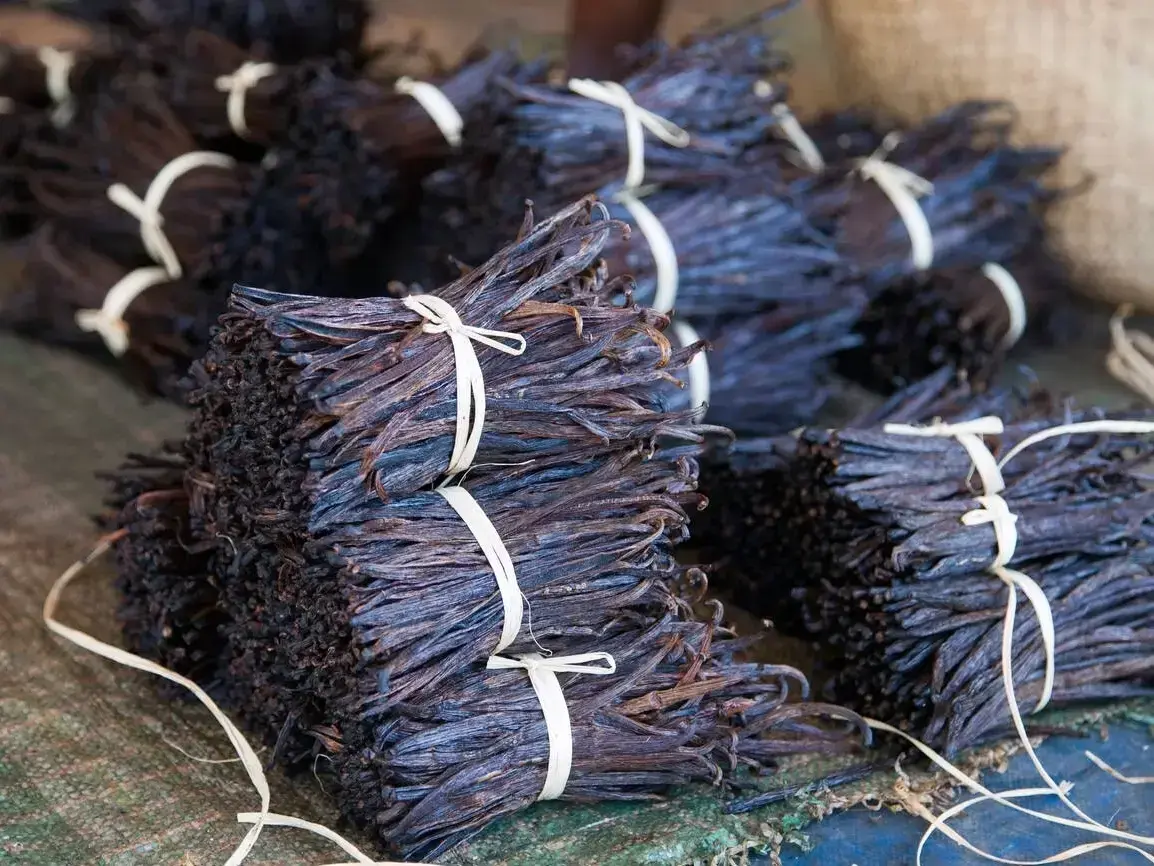
| Whole beans | Intact pods with seeds; high flavor and visual appeal; variable grade. | Typical ranges: premium to mid-range per kilo depending on grade A / grade B and moisture content. | Retail, gourmet, extraction and seed-speck presentation. |
| Split beans (Vanilla Cuts) | Pods cut to length; easier packing and consistent weight; faster rehydration. | Generally lower cost per kilo than whole beans; typical commercial pricing ranges. | Manufacturers, bakers, bulk retail and industrial use. |
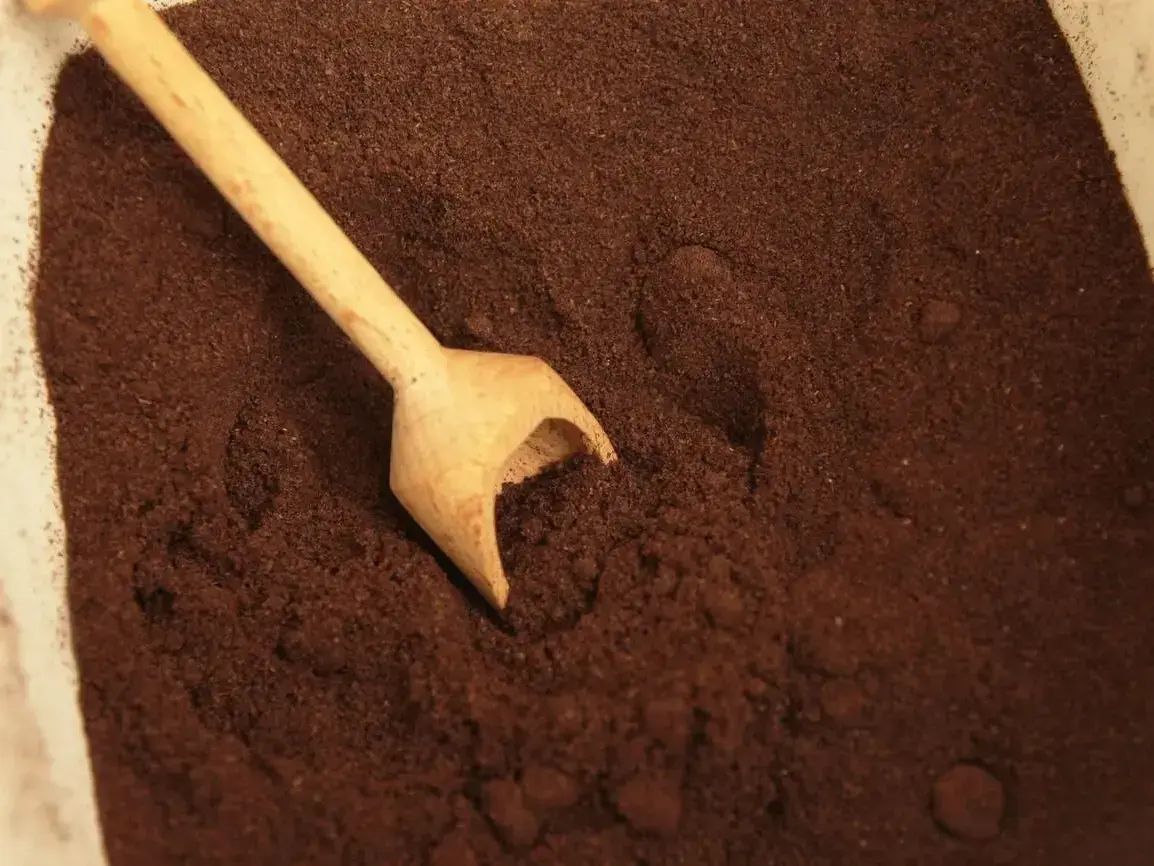
| Vanilla powder | Dry powdered form from pods or seeds; variable solubility; long shelf life. | Cost varies with purity and particle size; often mid-range per kilo. | Dry mixes, confectionery, chocolate and applications needing dry ingredient. |
| Vanilla paste | Semi-liquid concentrate with visible vanilla seeds; high flavor intensity. | Premium per kilo due to concentration and visible seeds. | High-end bakeries, sauces, ice cream and retail gourmet jars. |
| Vanilla extract | Alcohol-based extract; standardized alcohol content and flavor strength. | Variable: depends on proof and concentration; typical commercial ranges apply. | Beverages, large-scale bakeries, flavor houses and food processors. |
Detailed Type Profiles
Direct answer: Below are full profiles for each export format—what they are, when to use them, and clear pros and cons to guide sourcing from Madagascar.
Whole Beans—definition, uses, pros & cons
Direct answer: Whole vanilla beans are intact pods with seeds; they are the primary export product and the reference for quality.
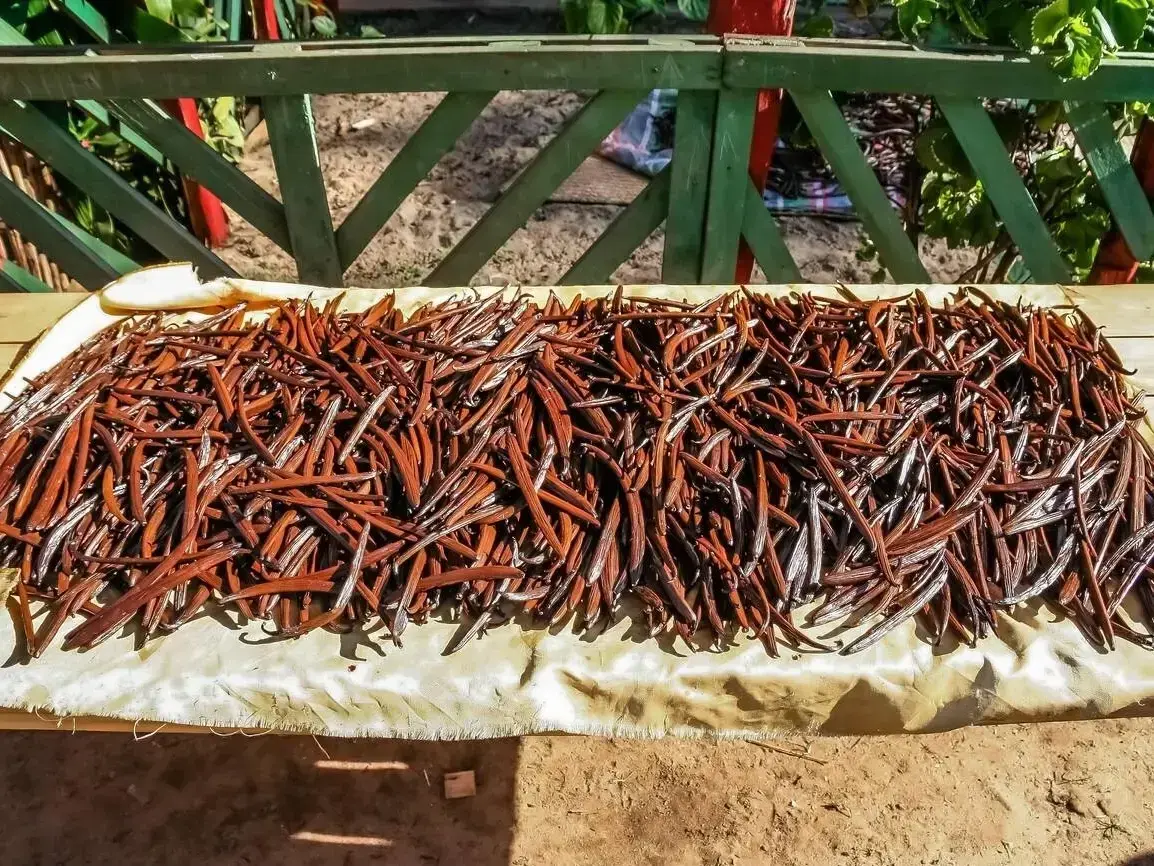
Definition and grade: whole vanilla beans are the cured pods sold as Bourbon vanilla beans or similar hyponyms. They come in grades (grade A / grade B) tied to moisture content, length and appearance. Grade A beans are plump and moist, often sold at a premium; grade B beans are drier and often used for extraction.
Uses: Retail jars, gourmet baking, extraction and seed-speck presentation rely on whole beans. The pod husk and vanilla seeds (meronyms) contribute to flavor and visual appeal. For sourcing Madagascar vanilla, buyers value terroir relevance and curing process for higher vanillin content.
Pros & cons: Pros—highest perceived quality, best for retail and direct flavor infusion, long aroma when stored correctly. Cons—higher cost per kilo for top grades, variable shelf life if moisture content is too high, and shipping weight and packing needs increase export cost.
Split Beans (Vanilla Cuts) — definition, uses, pros & cons
Direct answer: Split vanilla, or Vanilla Cuts, are pods cut to size and sometimes sorted by length and piece quality for industrial buyers.
Definition and use: split vanilla refers to pods processed into shorter pieces or "cuts." These are a sub-entity of whole beans and are common when buyers want consistent weight and easier handling. Vanilla cuts are widely used by food manufacturers and bakery supply chains.
Pros & cons: Pros—lower handling costs, easier portion control, often lower price per kilo, and faster flavor release due to exposed interior. Cons—reduced retail appeal for gourmet packaging and slightly lower shelf charisma; some buyers consider cuts less desirable for direct sale. Vanillababa often recommends cuts when consistent dosing and cost efficiency are priorities.
Vanilla Powder—definition, uses, pros & cons
Direct answer: Vanilla powder is a dry powdered form of the pod or seeds; choose it when a dry, stable ingredient is required and solubility is acceptable for the application.
Definition and solubility: vanilla powder is ground vanilla—either from whole pods or from seeds and husk—producing a powdered spice. Solubility depends on particle size and whether the powder is pure vanilla or blended with carriers. Powder is a lexical hyponym of ground vanilla powder in the product family.
Uses: Vanilla powder fits dry mixes, confectionery, chocolate, and applications where liquid addition is not wanted. It offers long shelf life when moisture content is controlled and is easier to blend into dry formulations.
Pros & cons: Pros—stable shelf life, powder form simplifies dry blending, and consistent flavor per weight. Cons—limited solubility in cold liquids, potential loss of volatile top notes during grinding, and sometimes higher cost when sourced as pure vanilla powder rather than blended forms.
Vanilla Paste—definition, uses, pros & cons
Direct answer: Premium vanilla paste is a concentrated, semi-liquid product with visible vanilla seeds, ideal for premium desserts and retail where seed specks matter.
Definition and composition: premium vanilla paste combines concentrated extract with vanilla seeds and a thickening agent to create a paste that showcases vanilla seeds (vanilla seeds (specks)). It is a related entity in the vanilla preparations space and a hyponym of concentrated vanilla paste.
Uses: Paste is favored by pastry chefs, high-end bakeries and consumers who want visible seeds in ice cream, creams and sauces. It reproduces the look of vanilla beans without the work of scraping pods.
Pros & cons: Pros—strong flavor intensity, visible seeds increase perceived quality, and easier to dose than beans. Cons—shorter shelf life than powdered forms, higher per-kilo price reflecting concentration, and packaging must prevent fermentation or separation.
Vanilla Extract—definition, uses, pros & cons
Direct answer: Vanilla extract is an alcohol-based extract and is the right choice when a liquid, standardized flavor is needed for large-scale food manufacture or beverages.
Definition and regulation: vanilla extract is an alcohol-based product made by macerating vanilla beans in food-grade alcohol; alcohol content and vanillin concentration are typical quality markers. Extracts are a distinct export category and often have different HS codes than beans.
Uses: Extracts are most common in beverages, sauces, bulk bakeries and ingredient supply to flavor houses. They deliver consistent flavor and are easier to dose into liquid systems.
Pros & cons: Pros—easy to blend into liquids, consistent strength, and good shelf stability when alcohol content is correct. Cons—regulated as an alcohol product in many jurisdictions (export rules differ), requires specific export packaging and labeling, and some buyers avoid alcohol-based ingredients for certain markets.
Quality, Grading & Lab Testing for Madagascar Vanilla
Direct answer: Quality control focuses on grade A / grade B, moisture content and vanillin content measured by lab testing and sensory checks.
- Grade A / Grade B — Grade A is plump and higher moisture; Grade B is drier and better suited for extraction or powdering.
- Moisture content — Typical acceptable ranges depend on grade; most commercial lots are managed to avoid mold and maintain shelf life.
- Vanillin content — Measured in labs as a chemical marker; higher vanillin typically indicates stronger flavor intensity but must be read with sensory testing.
- Testing includes visual, moisture, and vanillin assays plus microbiology when required for food safety.
Commercial Considerations: Pricing, Packaging & Shipping
Direct answer: Export cost depends on product form, packaging, HS codes and freight; packaging must suit the moisture and alcohol profile of each format.
Pricing: Typical export cost ranges vary by format—whole beans and premium paste command higher price per kilo; vanilla cuts and powder lower per kilo. Use cost-per-kilo comparisons and factor in quality (vanillin, grade) and sourcing Madagascar premiums for terroir relevance.
Packaging & HS codes: Export packaging must protect moisture content and prevent contamination. Vanilla extract often falls under different HS codes and controls because of food-grade alcohol content. Work with freight forwarders to select appropriate packaging (vacuum seals, food-safe drums, amber glass for extract) and to classify products correctly for customs.
Buyer Guide: How to Choose the Right Export Format
Direct answer: Choose by matching the format to use case, expected shelf life, and cost per kilo while considering grade and lab-verified vanillin content.
- Define the use case: retail or industrial, dry mixes or liquids. Whole beans suit retail; extract suits beverages and flavor houses.
- Compare shelf life and storage: powder and extracts are stable; paste has moderate shelf life; whole beans require humidity control.
- Balance cost per kilo with quality: buy grade A for visual retail and grade B for extraction or powdering to save costs.
- Check solubility and processing needs: vanilla powder may not dissolve well in cold systems; extract or paste can be better for liquids.
- Verify HS code and packaging needs early, especially for alcohol-based extract exports and sensitive shipments from Madagascar.
Frequently Asked Questions
Author: Randrianantenaina Landry—Vanillababa export guidance focused on Madagascar-first sourcing, grading and buyer recommendations.
Related Resources
Pricing Guide: Whole Pods, Vanilla Cuts, Extract, Paste and Powder
How It WorksVanilla Curing, Processing and Grading: Preparing Pods for International Export
How It WorksQuality Control & Compliance Workflow for Vanilla Exports: Lab Testing to Phytosanitary Clearance
Compared ToOrganic Vanilla Extract vs Premium Vanilla Paste: Which Product Should Importers Source from Madagascar?