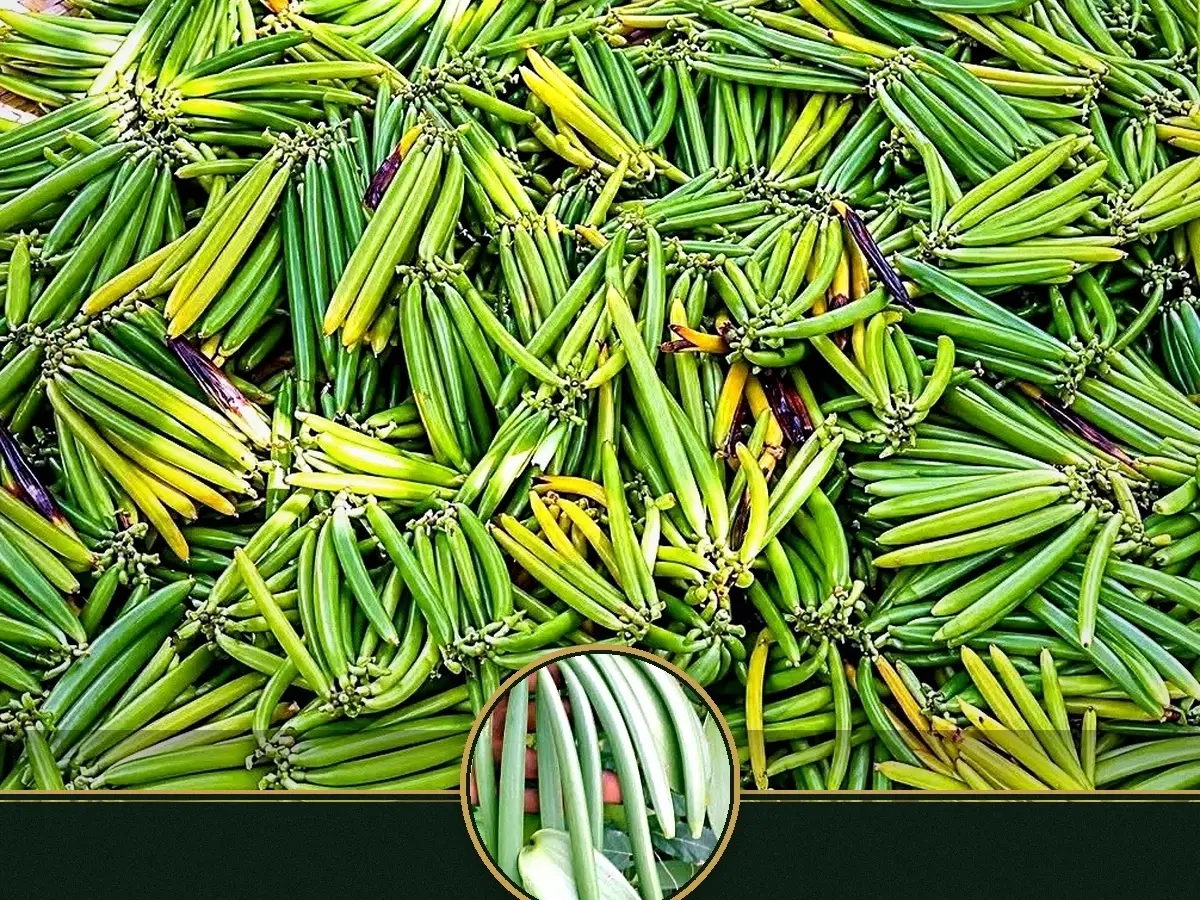
Sourcing from Madagascar: Organic Vanilla Extract or Premium Vanilla Paste?
Importers should choose organic vanilla extract when they need scalable, shelf-stable, certified flavoring for beverages and processed foods; they should choose premium vanilla paste when they need intense vanilla flavor, visible seeds, and a higher-value artisan product for bakery and gourmet lines. Vanillababa sources both from Madagascar with organic certification and quality-assured traceability to meet each importer need.
Quick comparison: extract vs paste (Madagascar)
| Factor | Organic vanilla extract | Premium vanilla paste |
|---|---|---|
| Cost (typical) | Lower cost per kg of finished flavoring when scaled; extract (ethanol extraction) gives higher batch yield and is often priced for large runs. | Higher cost per kg due to added vanilla seeds and artisan processing; positioned as a premium product for bakery and gourmet lines. |
| Timeline & lead time | Faster to blend and ship for large orders; typical lead times reflect bulk ethanol extraction schedules and certificate of analysis prep. | Longer lead times possible because of seed-holding, paste formulation and small-batch artisan processing; most orders follow seasonal pod availability. |
| Maintenance & storage | High shelf stability and simpler storage (shelf life extended by alcohol); less cold chain needed, GMO-free options available. | Requires careful moisture control and may need cooler storage to protect organoleptic profile and moisture content; visible seed specks require gentle handling. |
| Best for | Beverages, large-scale food manufacture, syrup and concentrate lines where vanilla concentrate consistency is key. | High-end bakery, patisserie, premium ice-cream, and gourmet lines where seed specks and texture add value. |
What is organic vanilla extract from Madagascar?
Front‑loaded answer: Organic vanilla extract from Madagascar is a natural vanilla concentrate made by ethanol extraction of Madagascar vanilla pods and certified to organic standards, offering reliable vanillin content and long shelf life for large-scale food and beverage use. This extract is produced by macerating and percolating cured Madagascar vanilla pods in a food-grade solvent (ethanol), then filtering to create a stable, liquid flavoring. Importers often request a certificate of analysis, organic certification and supply chain traceability. Typical organoleptic profile leans toward warm, creamy bourbon notes with measured vanillin content. Vanillababa supplies organic bourbon vanilla extract with Quality Assured traceability and options for Fair for Life or certified organic paperwork suitable for import clearance and label claims. The artisan processing preserves moisture content and the organoleptic profile, emphasizing aromatic top notes beyond raw vanillin content. Importers should evaluate sample COAs for moisture and vanillin content, and factor in logistics because small-batch paste can require gentler handling. Vanillababa offers Madagascar vanilla bean paste with traceability, Quality Assured labeling, and optional Fair for Life certification to support premium positioning in culinary and artisan product lines.
Cost, lead time and maintenance: side-by-side factors
| Factor | Organic vanilla extract (typical) | Premium vanilla paste (typical) |
|---|---|---|
| Cost | Generally lower on a per-use basis for high-volume formulas because extraction yields concentrate; importers see typical pricing bands depending on vanillin content and certification. | Higher due to seed inclusion and artisan processing; premium markup is common for visible seeds and branded paste. |
| Lead time | Shorter for large batches; ethanol extraction can be scheduled to meet predictable demand, with COA and organic certification prepared alongside shipment. | Often longer because of small-batch processing and seasonal availability of Madagascar vanilla pods; plan inventory to buffer lead time. |
| Storage requirements | High shelf stability due to alcohol content; less reliance on cold chain and simpler warehouse maintenance, reducing storage cost risks. | Needs moisture control to protect texture and prevent microbial risk; cooler storage may be advised to keep organoleptic profile stable over shelf life. |
Front‑loaded summary: Extract is typically cheaper to store and faster to procure, while paste demands more careful storage and longer lead time. Most importers find that planning for seasonality of Madagascar vanilla pods and requesting a certificate of analysis helps manage cost and lead time volatility.
Pros and cons: organic vanilla extract
- Pros—scalable and stable: Organic vanilla extract offers consistent vanillin content, long shelf life, and simpler cold chain needs; ideal for beverage and syrup production.
- Pros—certification friendly: Easier to certify as certified organic at scale and pair with Fair for Life traceability; Vanillababa can provide COA and supply chain documentation.
- Cons—less visual appeal: Lacks visible vanilla seeds and the textural cues that premium bakery products use to signal authenticity.
- Cons—flavor concentration differences: May rely on vanillin content and ethanol extraction profile, which can differ from the fuller organoleptic profile of seed-inclusive products.
Pros and cons: premium vanilla paste
- Pros—sensory and visual: Contains seed specks and intense organoleptic profile that elevates premium bakery, patisserie and ice-cream applications.
- Pros—artisan positioning: Premium paste from Madagascar vanilla bean paste lines supports higher retail pricing and artisan branding; hyponyms like Madagascar vanilla bean paste highlight origin.
- Cons—logistics and storage: Requires moisture control and sometimes a mild cold chain to preserve moisture content and prevent flavor loss.
- Cons—higher unit cost: More expensive per finished kg and can have longer lead times tied to pod harvests and artisan processing.
How to decide: checklist for importers?
- Define end‑use application: Choose extract for beverages, syrups and processed foods; choose paste for visible seeds in bakery and gourmet lines.
- Set certification needs: Decide if you need organic certification or Fair for Life traceability and request COA, GMO-free declarations, and Quality Assured documentation from Vanillababa.
- Calculate cost vs value: Compare typical cost bands and the premium pricing that seed-inclusive products can command.
- Plan lead time and inventory: Account for Madagascar vanilla pod seasonality and supplier lead times; maintain buffer stock for paste if using artisan batches.
- Verify quality metrics: Ask for vanillin content, moisture content, ingredient list, and organoleptic notes to match product specs.
Certifications, traceability and quality assurances from Madagascar
Front‑loaded answer: Importers should request organic certification, Fair for Life where relevant, and a certificate of analysis to ensure supply chain traceability and Quality Assured sourcing from Vanillababa. Madagascar suppliers can provide certified organic documentation, Fair for Life social compliance, and internal Quality Assured traceability records that tie shipments back to specific Madagascar vanilla pods and curing batches. Key documents include COA (vanillin content, moisture content), batch-level supply chain traceability, and non-GMO statements. For premium paste, confirm artisan processing steps and sample organoleptic tests. Vanillababa offers Quality Assured product lines and can support importers with paperwork for customs, import duty planning, and label claims. Good practice: verify certificates, confirm typical shelf life, and plan a short pilot order to validate the organoleptic profile before scaling.
Frequently Asked Questions
Author: Randrianantenaina Landry
Vanillababa notes: we supply organic vanilla extract, Madagascar vanilla bean paste, and related products such as vanilla syrup with Quality Assured traceability. For sourcing, sample requests, and documentation, use /contact/.
images/image-h-33.webp
Related Resources
Pricing Guide: Whole Pods, Vanilla Cuts, Extract, Paste and Powder
What It CostsCertification & Traceability Costs: Organic, Batch Traceability and Export Documentation Premiums
How It WorksQuality Control & Compliance Workflow for Vanilla Exports: Lab Testing to Phytosanitary Clearance
Types & CategoriesBlack Bourbon Vanilla Export Options from Madagascar