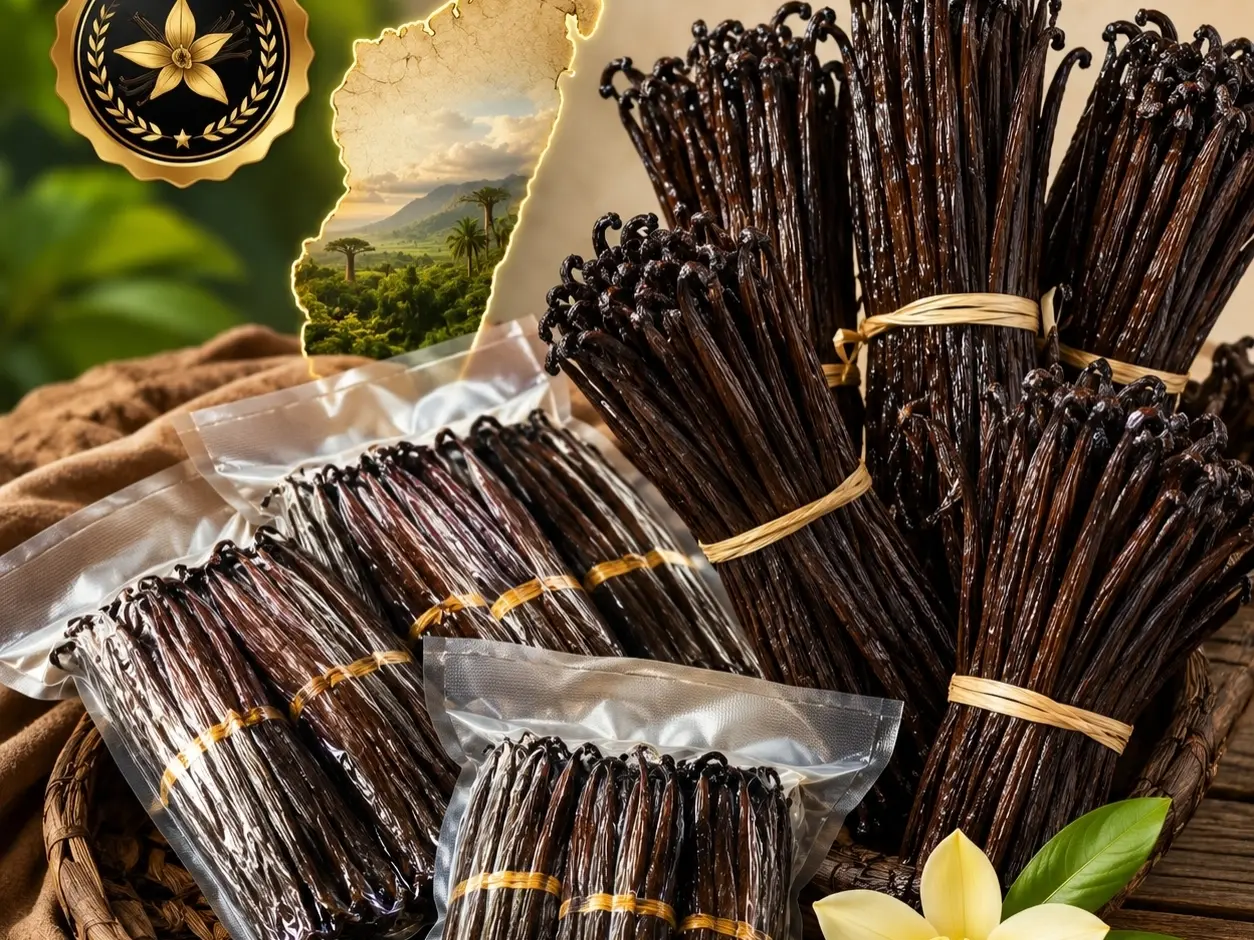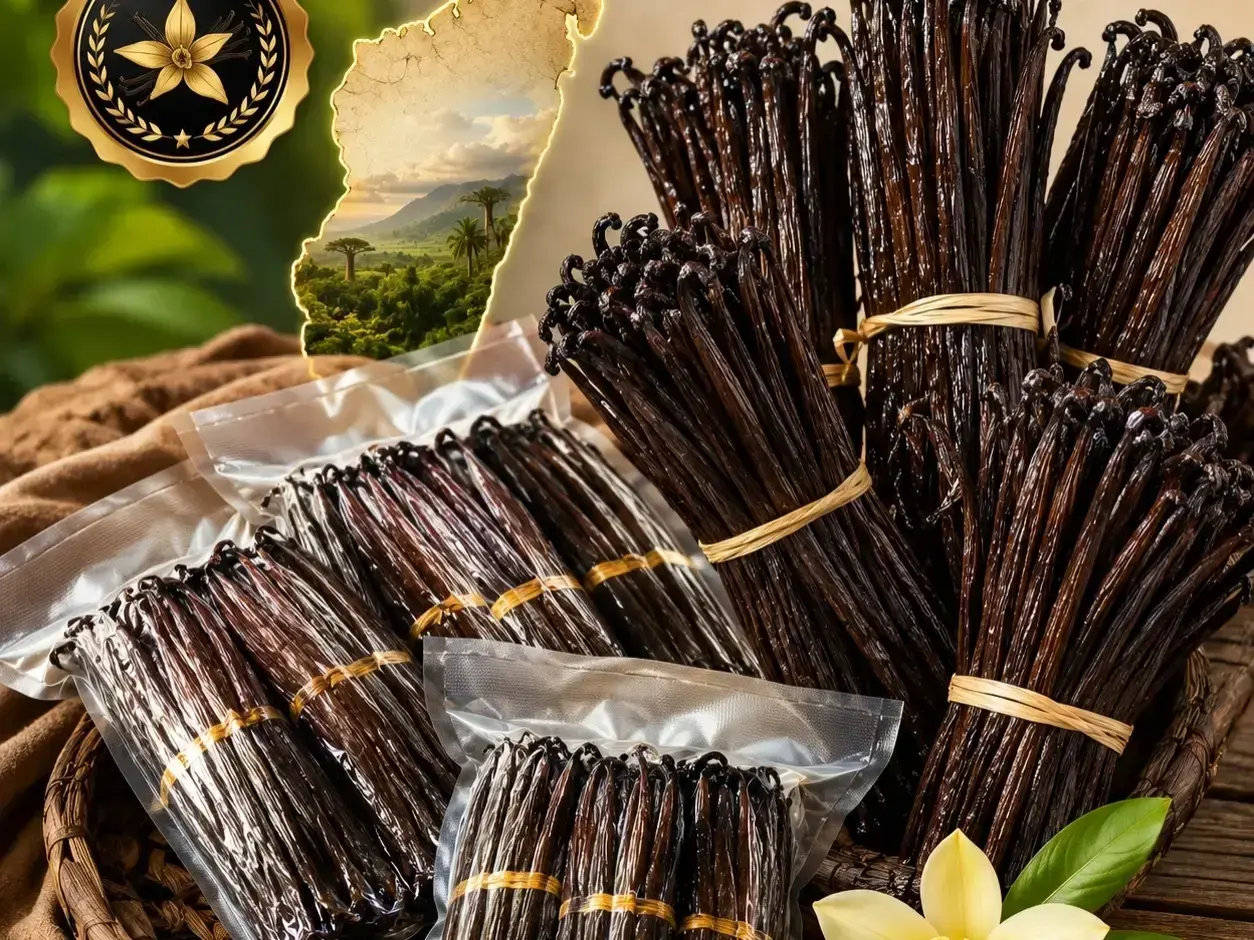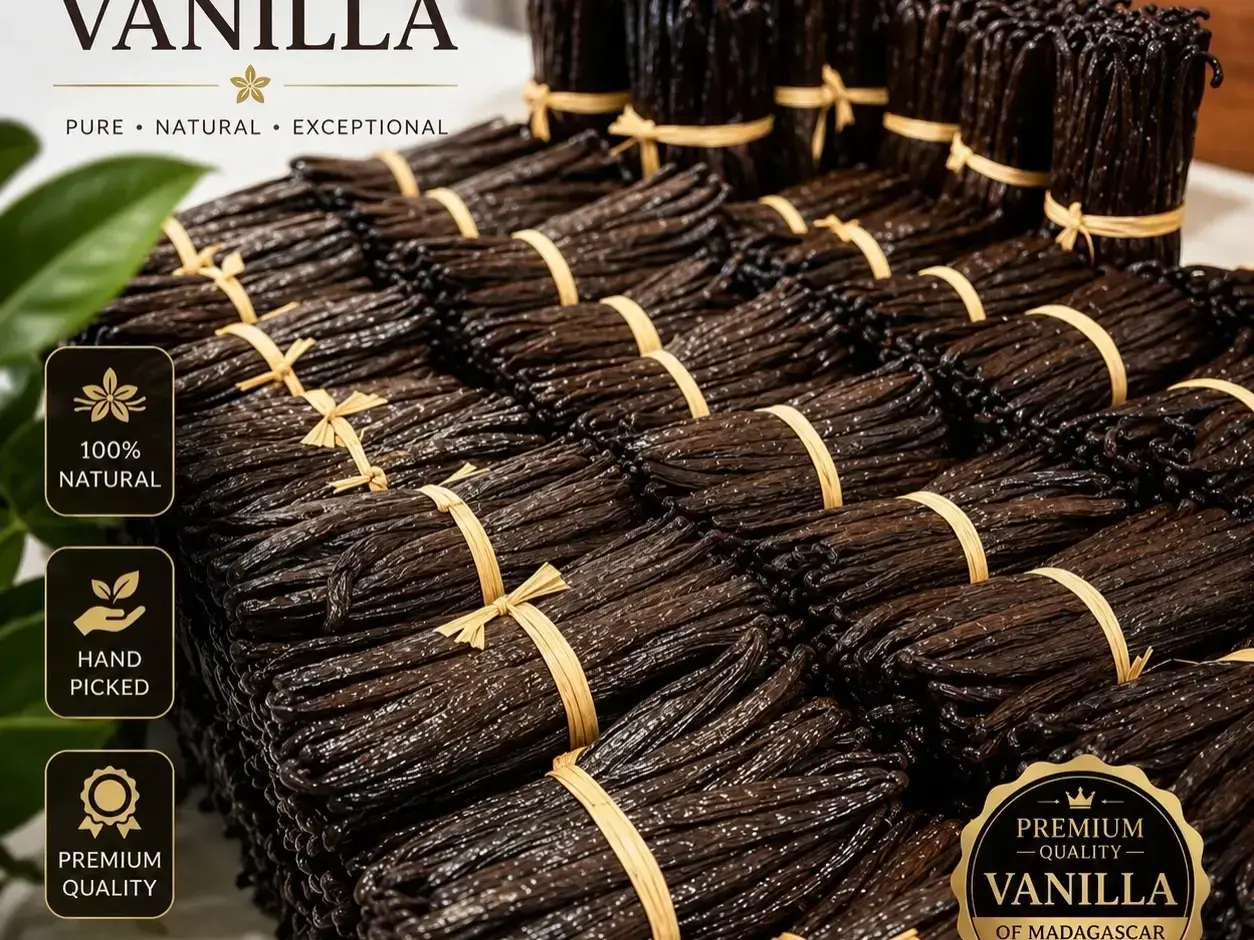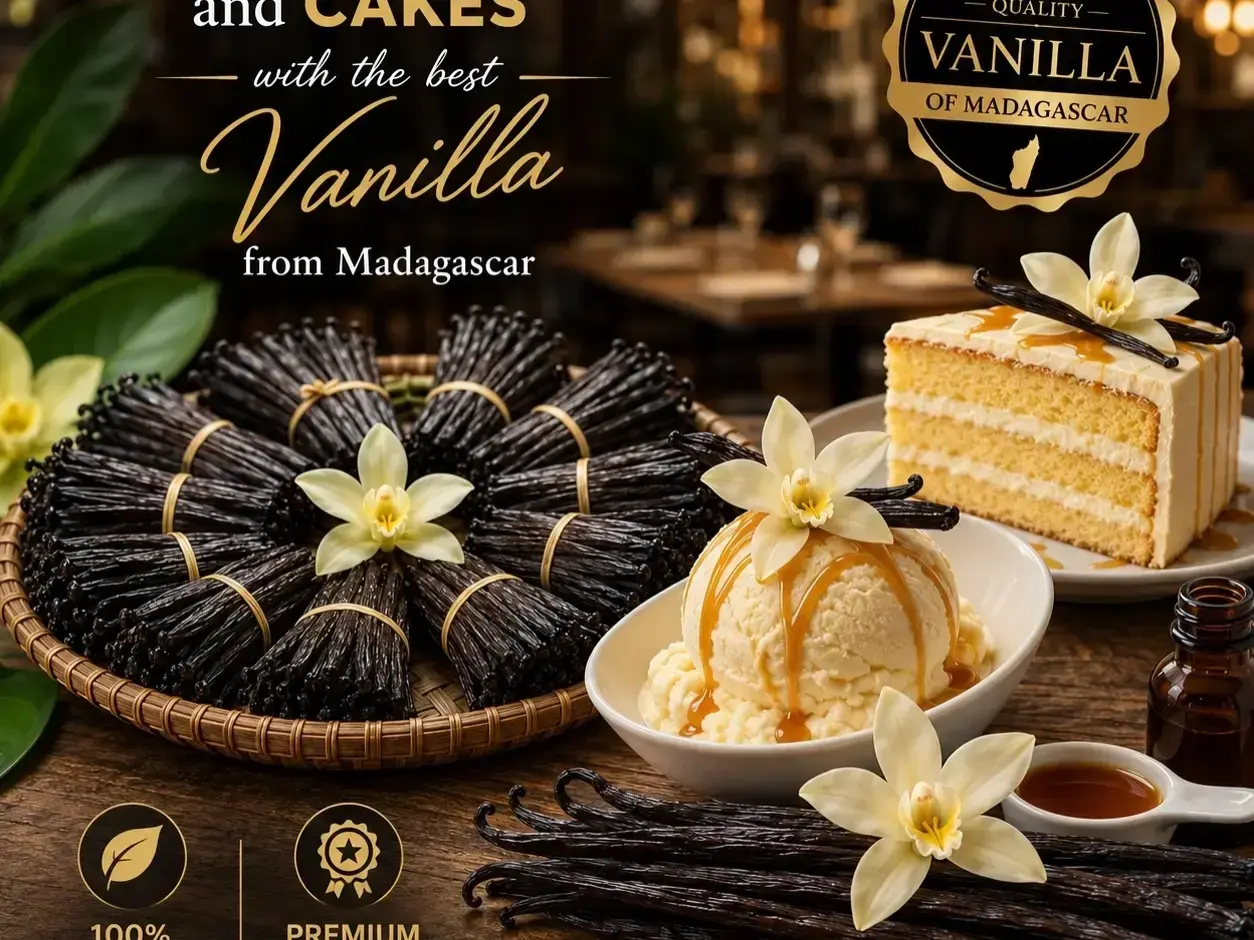
What is Vanilla Syrup?
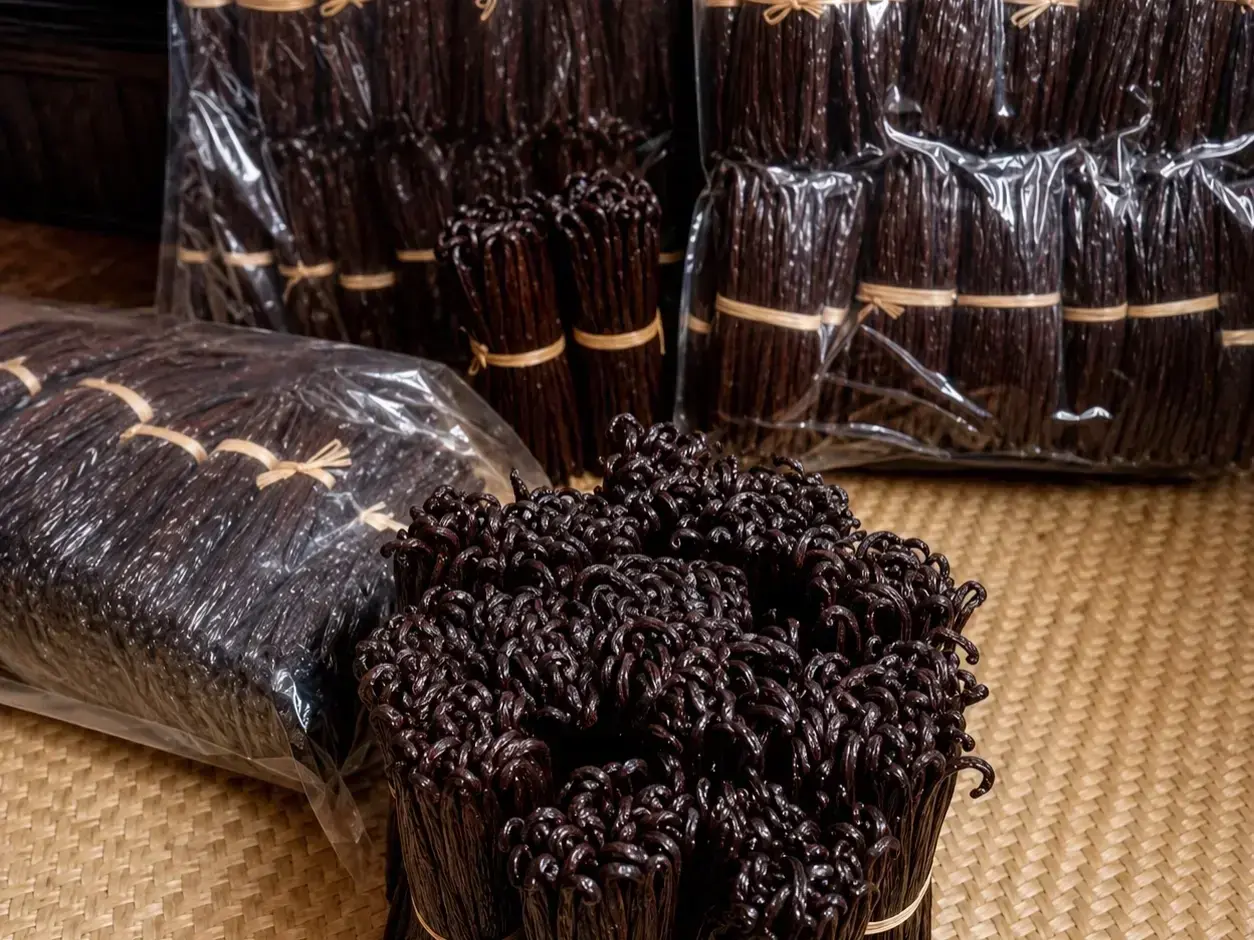
Vanilla Syrup is a sweet, aromatic liquid made by steeping vanilla beans in a sugar and water solution. It enhances the flavor of foods and beverages, commonly used in baking, coffee, and cocktails. The syrup's quality depends on the vanilla bean type and preparation method. It is often used as a substitute for vanilla extract in recipes. Vanilla Syrup can be homemade or commercially produced. Compare vanilla syrup options
Quick Facts About Vanilla Syrup
Category
Flavoring agent
Used for
Baking, beverages, desserts
Common confusion
Vanilla syrup vs. Vanilla extract
Also called
Vanilla Flavoring, Vanilla Liquid
Often discussed with
Vanilla Cuts - Split vanilla, Organic Vanilla Syrup
Key Takeaways About Vanilla Syrup
- Vanilla Syrup is made by steeping vanilla beans in sugar and water.
- It enhances flavor in baking, coffee.
- Quality depends on bean type and preparation method.
Understanding Vanilla Syrup
Vanilla Syrup is a sweet, aromatic liquid that adds flavor to a wide range of foods and beverages. it's created by steeping vanilla beans in a mixture of sugar and water, allowing the natural compounds in the beans to infuse into the liquid. This process results in a concentrated, flavorful syrup that can be used in both cooking and drinking applications. The quality of the syrup is influenced by the type of vanilla bean used, the sugar-to-water ratio, and the steeping time. Vanilla Syrup is often used as an alternative to vanilla extract, particularly in recipes that require a liquid sweetener. It is available in both homemade and commercial forms, with commercial versions typically being more consistent in flavor and texture.
Related glossary terms: Vanilla Beans, Vanilla Extract, Vanilla Quality.
The production of Vanilla Syrup involves several steps, starting with the selection of high-quality vanilla beans. These beans are usually split and scraped to release their seeds, which are then steeped in a sugar and water solution. The mixture is heated to help extract the vanilla compounds. And then cooled and stored. The final product has a thick, syrupy consistency and a rich, sweet flavor. Some variations of Vanilla Syrup may include additional ingredients, such as alcohol or Other flavorings, to boost the taste or extend the shelf life, But the basic formulation remains focused on the natural flavor of the vanilla bean.
How Vanilla Syrup Works, Is Measured, or Is Used?
Vanilla Syrup is measured by volume, typically in milliliters or fluid ounces. And is used in recipes to add sweetness and flavor. The amount needed depends on the desired intensity of the vanilla taste. In baking, it can replace vanilla extract in equal quantities. Though it may slightly alter the texture due to its higher sugar content. In beverages, it is often added to coffee, tea, or cocktails to boost the flavor without adding extra water. The syrup's sweetness can also be adjusted by varying the sugar-to-water ratio during production. For example, a higher sugar content results in a sweeter, thicker syrup, while a lower sugar content produces a lighter, less sweet version.
Vanilla Syrup is commonly used in both professional and home kitchens. In commercial settings, it is often produced in large quantities to meet the demands of bakeries, cafes, and food manufacturers. The syrup's consistency and flavor are carefully controlled to ensure uniformity across batches. In home kitchens, it can be made using a simple recipe that involves soaking vanilla beans in a sugar and water mixture for several days. The longer the beans are steeped, the more intense the flavor becomes. Some people also use Vanilla Syrup as a topping for desserts, such as pancakes or ice cream, to add a sweet and aromatic touch.
Why Vanilla Syrup Matters?
Vanilla Syrup is valued for its ability to boost the flavor of a wide range of foods and drinks. Its natural sweetness and aromatic properties make it a versatile ingredient in both sweet and savory applications. In baking, it can add depth and complexity to cakes, cookies, and pastries. In beverages, it can provide a rich, sweet flavor that complements Other ingredients. The syrup's ability to dissolve easily in liquids makes it a convenient option for use in recipes that require a liquid sweetener. And its shelf life is relatively long, making it a practical choice for both home and commercial use.
Vanilla Syrup also plays a role in the broader context of food production and consumer preferences. As a natural product derived from vanilla beans, it appeals to those who prefer ingredients with minimal processing. Its use in recipes can also help reduce the need for artificial flavorings, making it a popular choice for health-conscious consumers. The demand for high-quality Vanilla Syrup has grown in recent years, driven by the increasing popularity of artisanal and specialty foods. This has led to a greater focus on the sourcing and quality of vanilla beans used in its production.
When Vanilla Syrup Matters Most?
Vanilla Syrup is particularly important in situations where a natural, sweet flavor is needed without the use of artificial additives. That means especially relevant in the production of organic or natural food products, where the use of synthetic flavorings is limited. In professional kitchens, it is often used to maintain consistency in recipes, ensuring that the flavor of dishes remains uniform across different batches. The syrup's versatility also makes it a valuable ingredient in the development of new food products, where it can be used to boost the flavor profile of various items.
- When creating organic or natural food products
- When maintaining consistency in professional recipes
- When developing new food products with enhanced flavor profiles
How to Evaluate Vanilla Syrup?
When evaluating Vanilla Syrup, consider the quality of the vanilla beans used in its production. High-quality beans should have a strong, aromatic scent and a rich, dark color. The syrup should have a smooth, consistent texture without any visible particles or sediment. The flavor should be sweet and aromatic, with a noticeable vanilla presence. And check the sugar content to ensure it meets the desired sweetness level for the intended use. The shelf life of the syrup is also an important factor, as it should remain stable and maintain its flavor over time.
Another way to evaluate Vanilla Syrup is by testing its performance in different applications. For example, when used in baking, it should not significantly alter the texture of the final product. In beverages, it should dissolve easily and not leave a gritty residue. The syrup's ability to boost the flavor of Other ingredients is also a key indicator of its quality. If the syrup has a strong, natural vanilla flavor, it is likely to be of higher quality than one that relies on artificial additives to achieve its taste.
How to Evaluate Vanilla Syrup?
- Check for a strong, aromatic vanilla scent.
- Look for a smooth, consistent texture.
- Ensure the flavor is sweet and aromatic.
- Verify the sugar content matches the intended use.
- Test the syrup in different applications to assess performance.
Related Concepts Compared
Vanilla Syrup vs. Vanilla Extract
Vanilla Syrup is a sweet liquid made with sugar and water, while Vanilla Extract is a concentrated liquid made with alcohol and vanilla beans.
Vanilla Syrup vs. Vanilla Essence
Vanilla Essence is a synthetic or natural flavoring that may not contain actual vanilla beans, whereas Vanilla Syrup is made with real vanilla beans.
Expert Note
The quality of Vanilla Syrup is directly influenced by the quality of the vanilla beans used. High-quality beans produce a more aromatic and flavorful syrup.
Common Mistakes or Myths About Vanilla Syrup
- Using too much syrup can make dishes overly sweet.
- Not allowing enough time for the vanilla beans to steep can result in a weak flavor.
- Using low-quality vanilla beans can lead to a less aromatic syrup.
Vanilla Syrup in Practice: A Real-World Example
A coffee shop uses Vanilla Syrup to add a sweet, aromatic flavor to its signature vanilla latte. The syrup is poured into the coffee and mixed with steamed milk to create a rich, flavorful drink. This example demonstrates how Vanilla Syrup can enhance the taste of beverages and provide a consistent flavor in commercial settings.
Sources & Further Reading on Vanilla Syrup
- USDA Food Standards
Related Terms
Vanilla Beans
Vanilla Beans is the cured and dried pod of the Vanilla planifolia orchid, used as a…
Vanilla Extract
Vanilla Extract is a liquid flavoring made by steeping vanilla beans in alcohol and water to…
Vanilla Quality
Vanilla Quality is the standard of characteristics that determine the value, usability, And marketability of vanilla…
Vanilla Packaging
Vanilla Packaging is the method and materials used to enclose, protect, And prepare vanilla for transport…
Vanillababa
Have Questions About Vanilla Syrup?
Contact Vanillababa for practical guidance on Vanilla Syrup and related vanilla export work in Madagascar.