How to Spot Madagascar Vanilla Exporter Scams and Red Flags
To avoid vanilla exporter scams in Madagascar, buyers should verify the exporter’s license, insurance, export history, contract terms, and traceability before paying any deposit. A legitimate exporter gives clear product grades, written pre-harvest terms, bonded shipping coverage, realistic delivery timelines, and quick documents. If a seller pushes fast payment, hides origin details, changes grades after pricing, or refuses third-party verification, treat it as a major red flag and walk away.
Madagascar vanilla exporter can be safely checked for scams, red flags, and contract needs before hiring, as long as you use supplier verification, traceability checks, and strong payment terms. In practice, that means checking export papers, chain of custody, and origin proof before any deposit moves. This matters in Madagascar because island logistics, port handoffs, and crop seasonality can make weak promises sound real until shipment time.
The safest buyers treat this as procurement risk, not a trust test. Ask for proof, compare quality specs, and confirm that the seller can ship what they claim from farm to export. A real exporter will accept inspection clause language, explain the delivery window, and support risk control with clear paperwork.
What Are the Biggest Vanilla Exporter Scams in Madagascar?
Vanilla exporter scams in Madagascar usually involve fake licenses, bait-and-switch quality claims, missing export documentation, advance-payment pressure, and refusal to prove origin or shipping ability. The safest buyer response is to verify the exporter’s identity, product chain, and contract terms before any money changes hands.
Local conditions make these fraud signs even more important. Madagascar’s crop and shipping seasons can tighten supply timing, so unrealistic year-round delivery promises are a local warning sign. Be careful when a seller claims abundant stock during a time when fresh supply is naturally tighter.
Also watch for pressure around timing. Good international sourcing takes time, and a seller who pushes a fast decision may be trying to block due diligence. The goal is to confirm origin, grade, and shipping ability before the contract is locked in.
Which Red Flags Should You Avoid Before Signing?
Red flags include vague product specs, inconsistent pricing, refusal to share references, rushed deposits, weak contract language, and promises that sound too good for Madagascar supply realities. If the exporter cannot document grade, moisture, packaging, insurance, and delivery terms, the deal is unsafe.
In Madagascar, sellers who know the market should explain seasonal stock, collector networks, and packaging limits without hesitation. A real business doesn’t hide behind generic lines. It can talk about payment terms, delivery windows, and shipment tracking in plain language.
If the supplier refuses third-party verification or gets defensive about references, treat that as a procurement risk. A trustworthy partner will expect scrutiny and support origin proof with clear records.
What Questions Should You Ask Before Hiring a Madagascar Exporter?
Ask structured due-diligence questions about license status, farm sourcing, export experience, insurance coverage, bonded shipping, product grades, replacement policy, inspection access, and delivery timeline. A trustworthy Madagascar exporter answers these questions clearly, in writing, and without changing terms after the first conversation.
These questions work because they force the exporter to prove real operations, not just sales skill. A real professional should explain bonding, shipping documents, and timely delivery guarantees without changing the story later.
How Do You Verify Licenses, Insurance, and Bonding?
Verify a by matching the company name on the license, contract, and shipping documents, then asking for recent export records and proof of coverage. A seller should explain what shipping risk is covered, while bonding helps show financial backing if a shipment problem occurs. In Madagascar, where port handoffs can add delay and confusion, verification is not optional; it is the buyer’s basic protection against fraud and weak documents. If the exporter cannot provide clean paperwork or keeps changing the details, stop the deal and request independent confirmation.
How Should Pre-Harvest Contracts Protect Buyers?
Pre-harvest contracts should protect buyers with fixed quality specs, delivery guarantees, payment milestones, and a clear force majeure clause. That means the advance purchase agreement states how the crop will be inspected, when title transfers, and what happens if weather or transport disrupts supply. For Malagasy sourcing, this matters because seasonality can shift timing and regional sourcing can change fast between farms and exporters. Strong contracts make the seller commit to the right lot, the right timing, and the right remedy if anything changes.
What Contract Essentials Should Every Vanilla Deal Include?
Every Madagascar vanilla contract should define grade, pod length, moisture expectations, packaging, shipment window, inspection rights, dispute handling, and who carries risk at each stage. Clear contract essentials reduce disputes, prevent grade switching, and make delivery or refund remedies enforceable.

| Contract essential | What it should say | Why it matters |
|---|---|---|
| Quality grading | Exact grade, pod length, moisture range, and acceptable defects. | Prevents grade switching and pricing disputes. |
| Specification sheet | A signed product description with photos and batch references. | Locks the offer to a real lot, not a vague promise. |
| Incoterms | Named delivery term and the point where risk transfers. | Clarifies responsibility for freight, loss, and delay. |
| Inspection clause | Who inspects, when, and what happens if the lot fails. | Supports contract enforcement and buyer protection. |
| Timely delivery guarantees | Delivery window, late-delivery remedy, and communication steps. | Reduces surprises during seasonal shipping pressure. |
| Payment terms | Deposit size, milestone release, and refund trigger conditions. | Limits exposure to advance-payment fraud. |
Because island logistics add handoff risk, contract language should be specific about packaging, shipment tracking, and who pays if a delay occurs. Good risk control depends on words that can be enforced, not just reassuring emails.
Which Vanilla Product Types Create the Most Confusion?
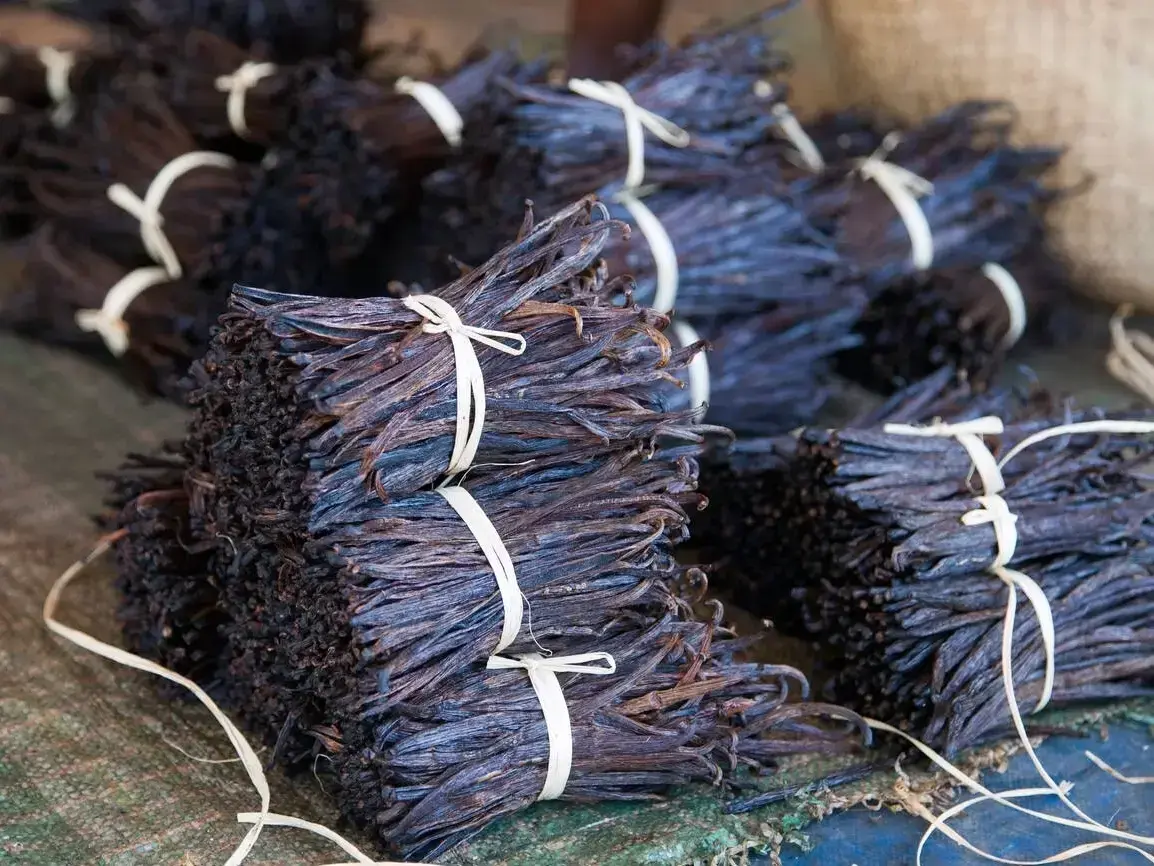
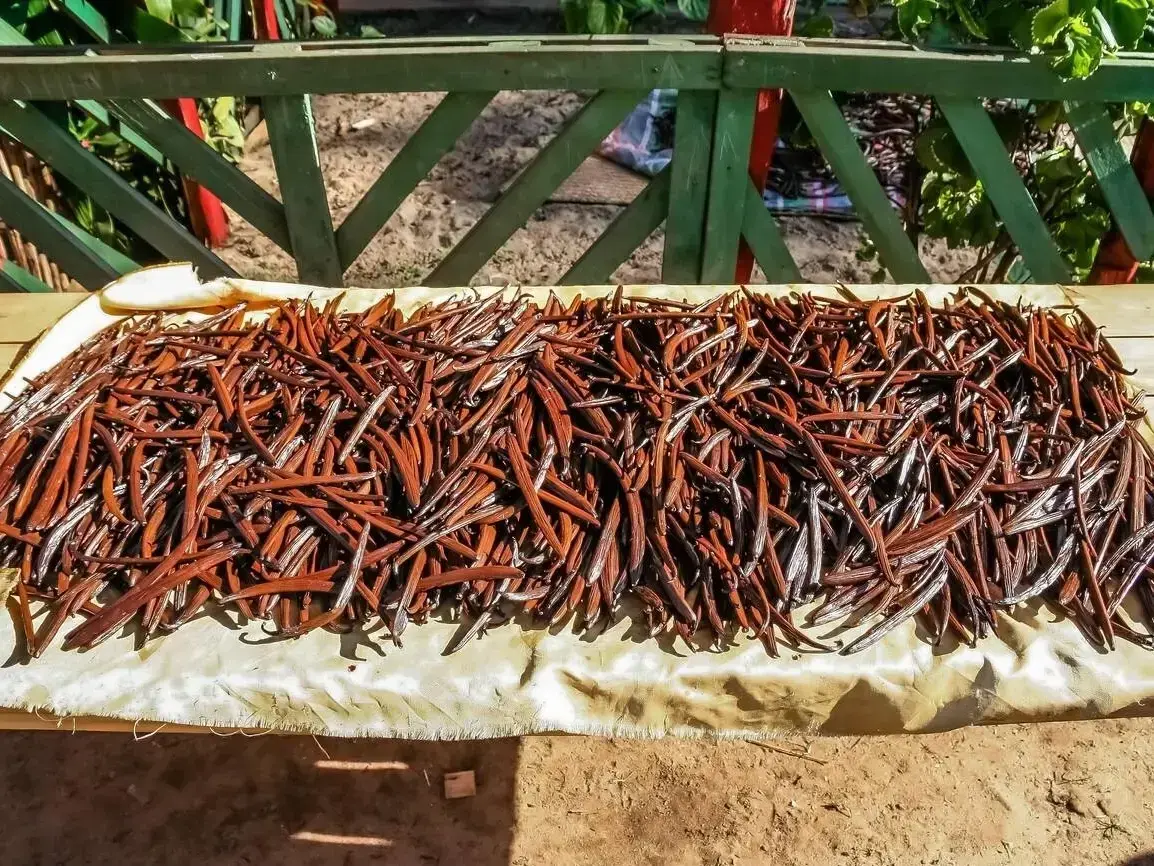
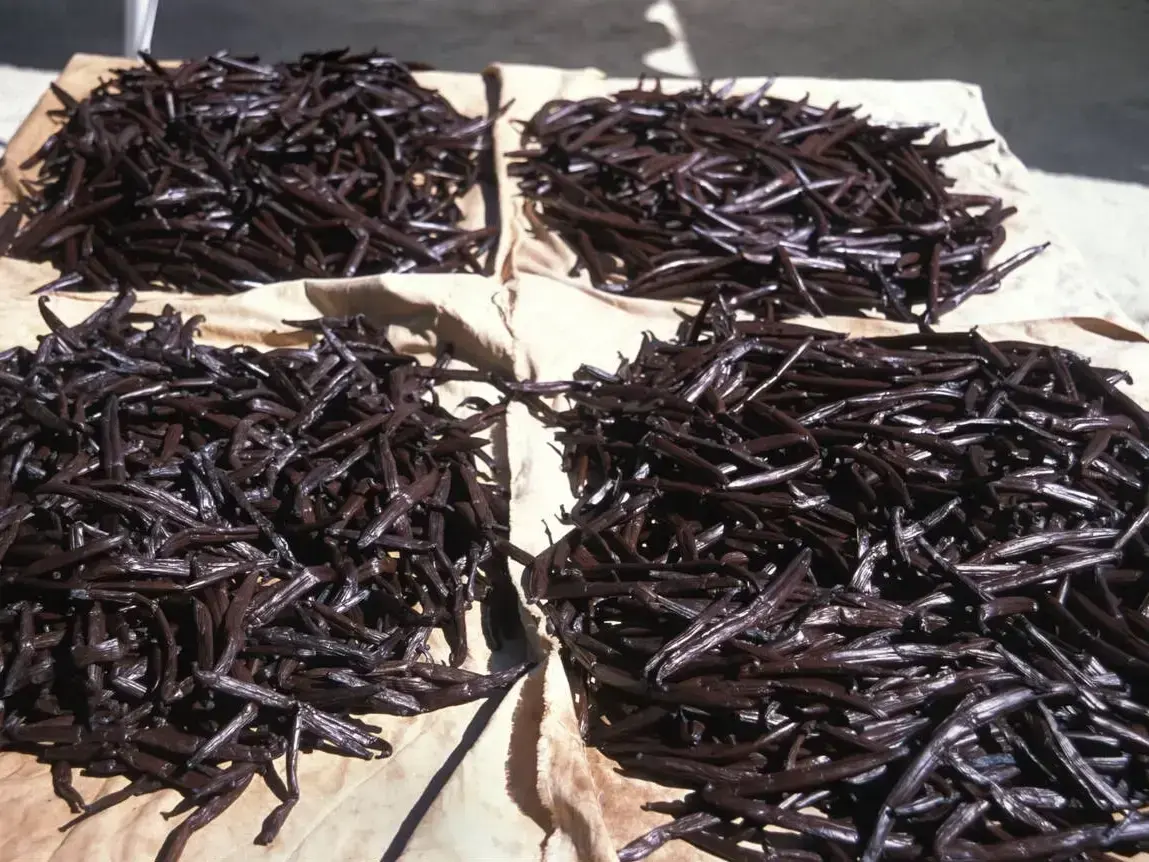
Product confusion often happens when sellers mix unsorted vanilla, split vanilla cuts, and extra long pods without precise grading language. Buyers should require exact definitions, photo evidence, and contract wording so the exporter cannot swap in lower-value material after the deal is signed.
| Product type | Typical meaning | Buyer risk |
|---|---|---|
| Unsorted Vanilla | Mixed lot with uneven lengths, moisture, or appearance. | Hard to price fairly without strong grading rules. |
| Vanilla Cuts - Split vanilla | Pods that are split, cut, or broken and usually priced lower. | Can be substituted when contract language is weak. |
| Extra long pods vanilla | Longer pods sold as a premium grade with stricter specs. | May be downgraded if the exporter lacks honest sorting. |
Ask for images, batch details, and a written definition for each lot before accepting the order. This is especially important when the seller uses broad trade language, because grading and specs are what separate a fair deal from buyer deception.
How Can a Legitimate Exporter Reduce Risk for Buyers?
A legitimate exporter reduces buyer risk by offering insurance, bonding, written delivery commitments, clear quality checks, and open communication from sourcing to shipment. These protections matter in Madagascar because buyers need proof that product quality, origin, and transit risk are controlled before payment.
For buyers, the biggest advantage is predictability. In Madagascar, where origin proof can change fast between farms, collectors, and exporters, a strong partner cuts guesswork and keeps the deal tied to facts.
Frequently Asked Questions
Work with a Verified Madagascar Exporter
If you want help checking a supplier, use a process built around due diligence, traceability, and contract enforcement. A careful review should cover the license, quality specs, payment terms, and shipment tracking before you commit to any advance. Randrianantenaina Landry can help buyers compare offers, cut risk, and move forward with clearer buyer protection.
Related Resources
Pricing Guide: Whole Pods, Vanilla Cuts, Extract, Paste and Powder
how much does vanilla extract paste powder pods cost
What It CostsCertification & Traceability Costs: Organic, Batch Traceability and Export Documentation Premiums
how much extra does organic certification and traceability add to vanilla export cost
What It CostsHow Seasonality and Pre-Harvest Contracts Affect Vanilla Prices in Madagascar
how does Madagascar vanilla season affect prices and what do pre-harvest contracts cost
What It CostsPackaging, Insurance and Compliance Costs for International Vanilla Buyers
what are packaging insurance and compliance costs for exporting vanilla from Madagascar