Madagascar Vanilla Pricing Guide: Pods, Extract, Paste & Powder
Vanillababa lists vanilla pods, vanilla cuts, extract, paste and powder in Madagascar with these typical price ranges: whole pods $8–$45/kg, vanilla cuts $6–$30/kg, extract $20–$120/L, paste $25–$140/kg, and powder $30–$200/kg; prices vary by grade, origin (Sava/Betsiboka), organic certification, and order size.
Quick overview: What affects vanilla pricing in Madagascar
Short answer: The main drivers of cost are harvest supply, curing quality, and buyer terms such as minimum order quantity and shipping (FOB/EXW).
Most buyers see typical ranges that reflect the local vanilla supply chain from farmer to exporter. Seasonality and climate in the Sava and Betsiboka regions change available volumes; when supply is tight the auction and export price rise. Other price drivers are the curing process, moisture percentage at sale, and vanillin content, which affects grade B vs grade A distinctions. Origin premium, organic certification, and whether you buy whole pods, vanilla cuts, or processed formats (extract, paste, powder) all change the price-per-kilo. Shipping terms, whether FOB or EXW, and expected lead time also shift offers from suppliers on Vanillababa.
Price tiers: Basic / Standard / Premium (Madagascar) — at-a-glance
| Tier | Typical price range (illustrative) | Common products | Buyer notes |
|---|---|---|---|
| Basic | $6–$15/kg | Vanilla cuts, short pods, powdered blends | Lower grade B vs A, higher moisture, suitable for bulk flavoring |
| Standard | $15–$60/kg | Whole pods (commercial), extract (mid %Brix) | Common for food manufacturers; balance of quality and cost; typical MOQ |
| Premium | $60–$200+/kg or L | Extra-long split vanilla, organic extract, vanilla caviar, single-origin powder | High vanillin content, low moisture percentage, specialty chefs and premium brands |
Detailed product pricing by form
Quick answer: Typical costs depend on form—whole pods, cuts, extract, paste, powder and caviar all price differently because of processing and concentration.
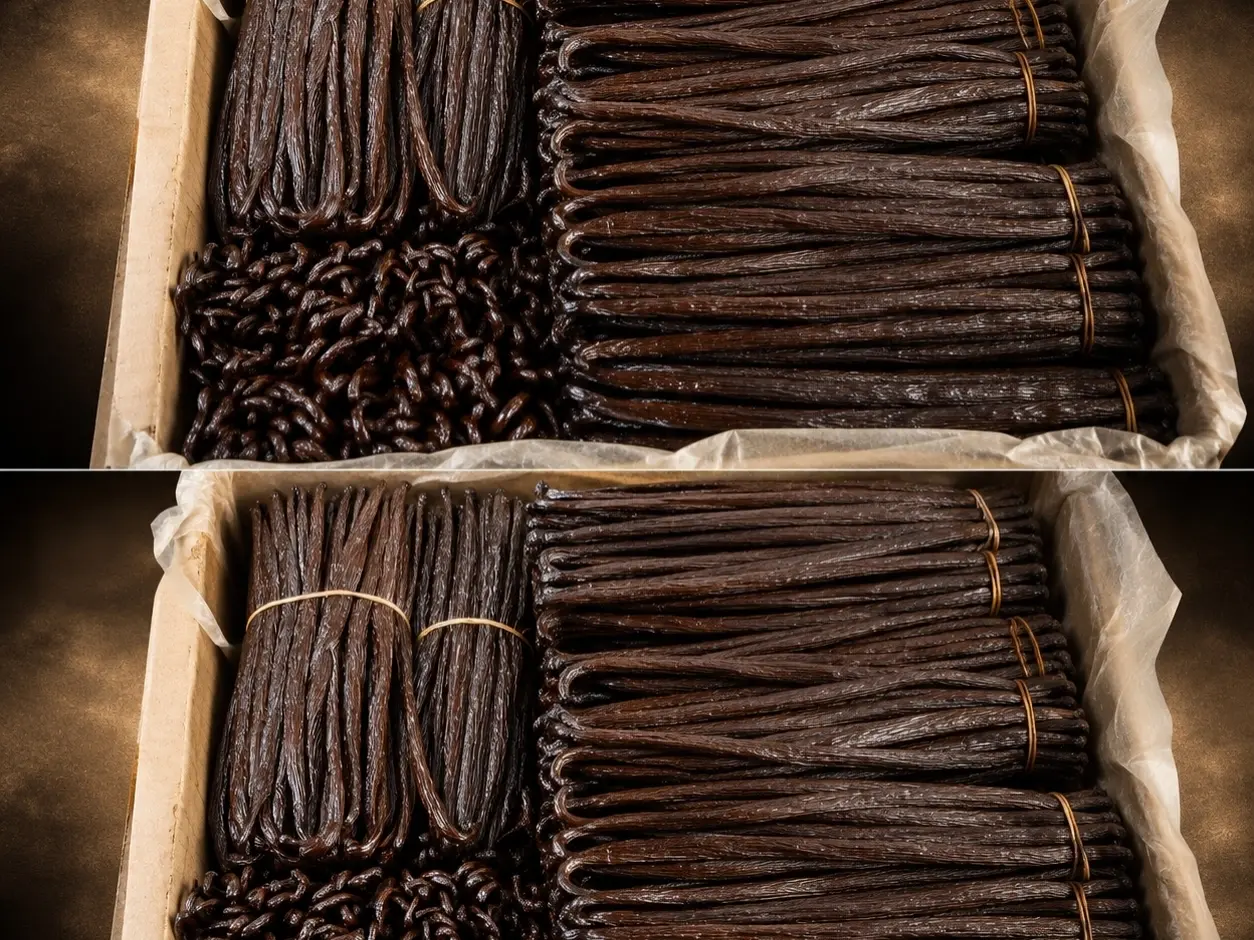
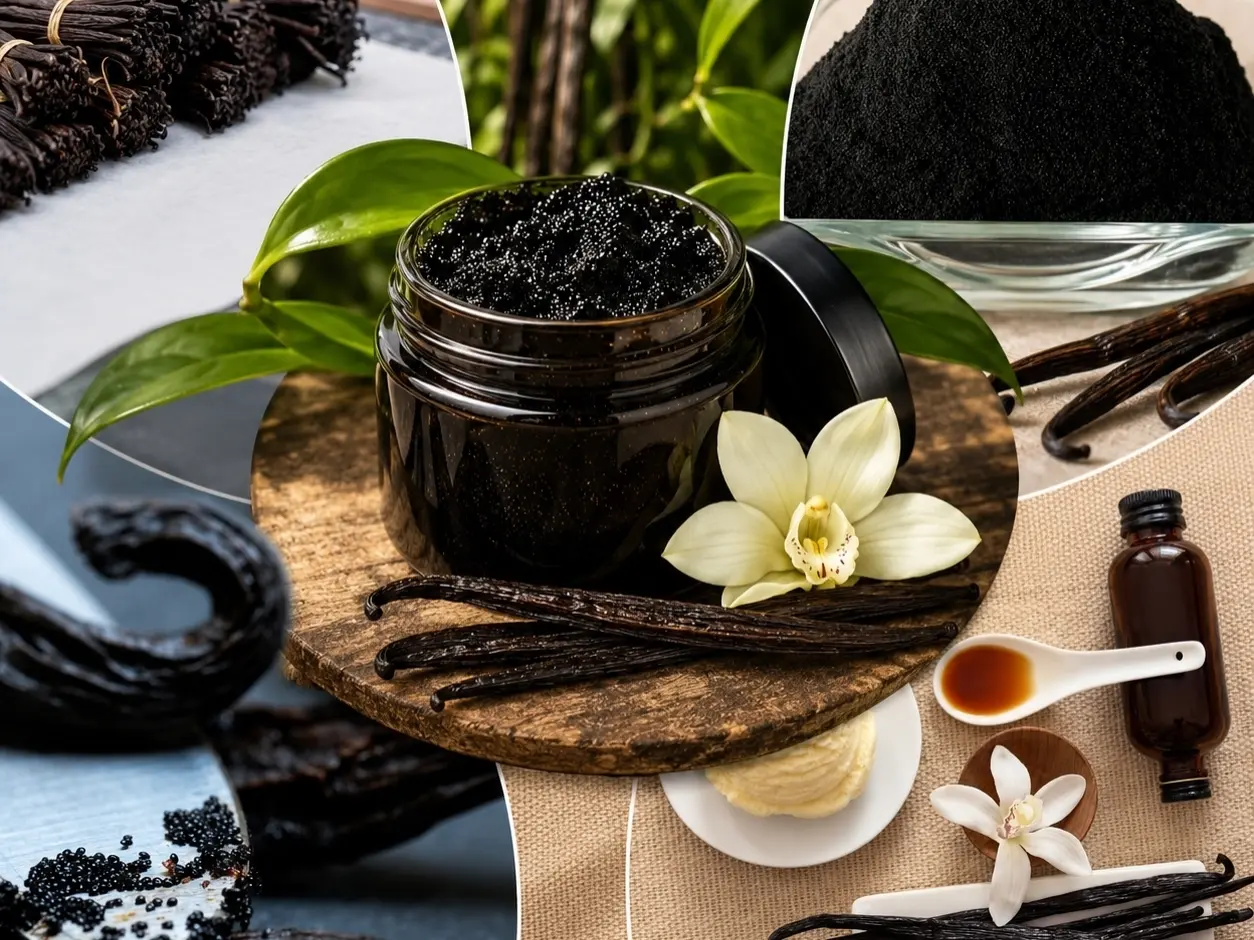
Most projects find illustrative price per kilo or liter varies by grade and processing. Whole pods (the primary sold product from Madagascar) command a premium for extra-long, well-cured beans. Vanilla cuts lower unit cost because they include broken pods and short pieces sold by weight. Organic Vanilla Extract and Premium Vanilla Paste reflect concentration (%Brix) and binder content; higher %Brix and a higher vanilla solids percentage increase price per L or kg. Vanilla Powder is the dried ground form of vanilla and is priced for purity and particle size. Vanilla Caviar-Vanilla Seeds (the seed fraction) is used for high-end applications and often sold as a small add-on or combined with paste for a higher cost-per-use. When comparing cost-per-use, convert extract concentration and pod equivalents using vanillin content or a standard recipe measure to compare fair value across formats. Typical exchange: many buyers treat 1 L of concentrated extract as replacing dozens of pods depending on %Brix; check supplier specs for exact conversion. Curated origin (Sava region) or organic certification often adds an origin premium and a higher FOB price; shipping terms (FOB/EXW) and minimum order quantity affect the per-unit cost significantly.
Whole pods, split/extra-long/short: prices and grading
Direct answer: Extra-long, split vanilla pods and well-cured whole pods cost the most per kilo; short pod vanilla and split vanilla sold as processing variants are cheaper.
Extra long pods vanilla that are split to display vanilla pod seeds and sheen are priced at the premium tier. Split vanilla as a product variant changes price because splitting is a processing step and buyers often prefer visible caviar. Short pod vanilla and broken beans are graded lower and sold as vanilla cuts, reducing price per kg. Grade A beans typically show higher vanillin content and lower moisture percentage; grade B vs grade A differences show in both aroma and export price. For chefs and brands, choose pods by intended use and calculate price per usable teaspoon or per kg of extract produced.
Extract, paste and powder: concentration, %Brix, and cost per usable vanilla
Front-loaded answer: Higher %Brix and higher vanilla solids in extract or paste raise the price, but they lower cost-per-use because they need less volume to flavor recipes.
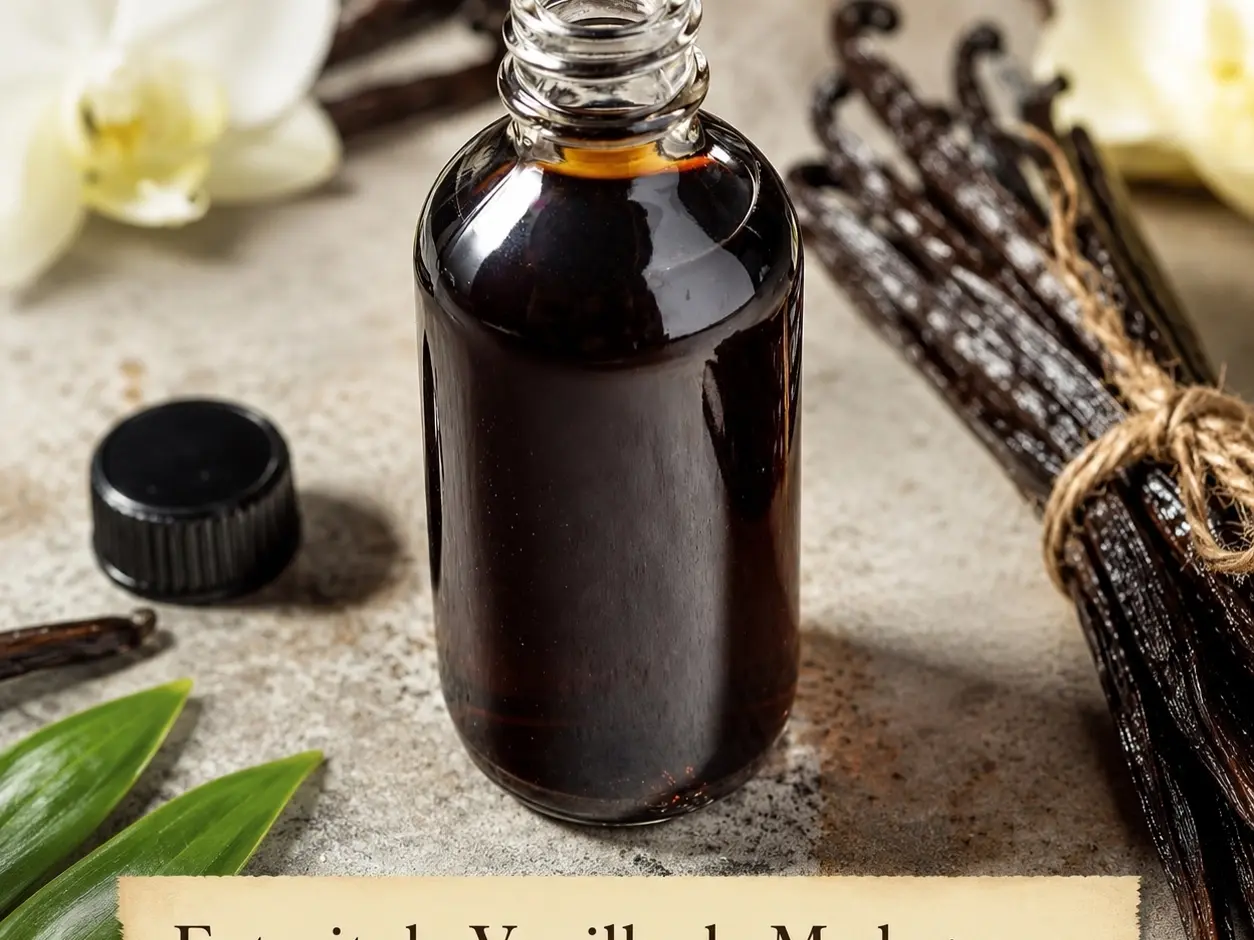
Organic Vanilla Extract priced higher reflects organic certification and the extraction method; this is a narrower sub-entity of extract products. %Brix indicates sugar and soluble solids—suppliers list it alongside vanillin content to help buyers compare value. Premium Vanilla Paste contains vanilla pod seeds and a binder; it shows as higher cost-per-kg but often provides better sensory impact per teaspoon. Vanilla Powder (dried ground form of vanilla) sells by purity and particle size; pure powder is more expensive than blends. To compare, calculate cost per usable teaspoon or per flavor unit using supplier specs: convert pods to vanillin equivalent or use manufacturer conversion charts. Bulk discount and origin premium shift the unit price; check minimum order quantity and whether price quoted is FOB or EXW. Consider shelf life—concentrates store differently than whole pods, affecting ROI and waste.
5 money-saving tips when buying Madagascar vanilla
- Buy bulk for bulk discount: Increasing order size usually lowers unit price; compare MOQs and request tiered pricing.
- Choose the right format: Use vanilla cuts or powder for mass production where whole pods are not needed.
- Negotiate shipping terms: FOB vs EXW affects landed cost; combine shipments to save on freight per kg.
- Balance quality vs price: Test grade B vs grade A in your recipe to find the lowest cost-per-use without sacrificing flavor.
- Check certification selectively: Organic certification adds cost—only pay the premium where organic labeling adds market value.
How to buy: checklist for sourcing from Vanillababa (certs, MOQ, shipping)?
Quick checklist answer: Verify organic certification, confirm minimum order quantity, and clarify shipping (FOB/EXW) before placing an order.
- Certification: Request copies of organic certification and origin paperwork for Madagascar Sava/Betsiboka provenance.
- Quality sample: Ask for a sample lot to check vanillin content, moisture percentage, and the curing process outcome.
- MOQ and pricing tiers: Confirm minimum order quantity and tiered pricing to calculate bulk discount thresholds.
- Shipping terms: Clarify FOB/EXW and estimated lead time to port; include insurance and freight estimates in landed cost.
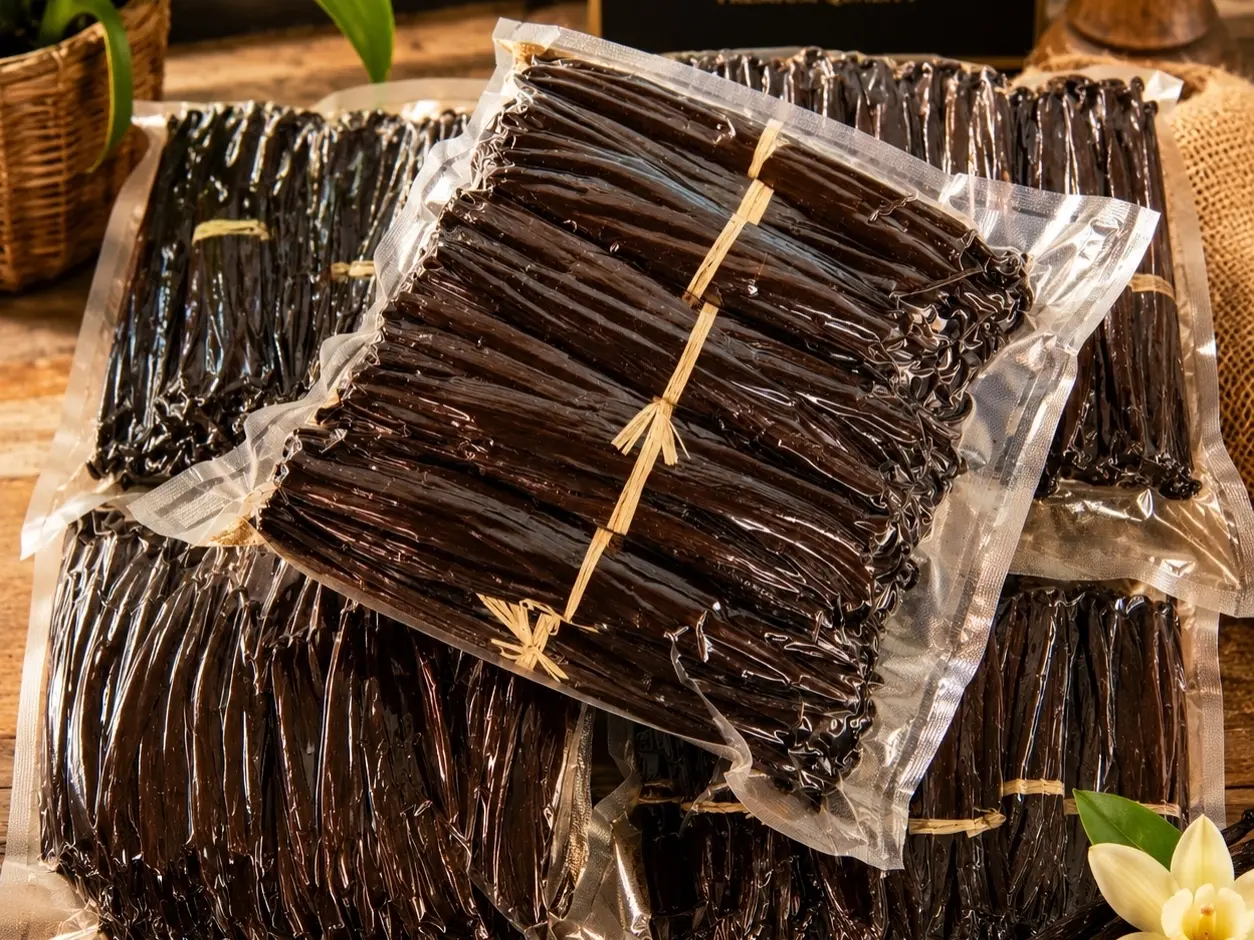
- Packing & storage: Specify packing (vacuum, humidity control) to protect shelf life during transit.
Storage, grading cues and ROI: maximize value per kg
Direct tip: Proper storage and grading recognition improve ROI by reducing waste and preserving aroma.
Store whole vanilla beans and vanilla pod seeds in cool, dark, airtight conditions to extend shelf life and protect aroma. Grading cues include pod moisture percentage, sheen, length, and aroma strength; these indicate vanillin content and future value. For processed forms, check %Brix and the stated vanilla solids in paste or extract to estimate cost per usable teaspoon. Using vanilla caviar or seeds for visible inclusions can raise product appeal and justify higher price-per-unit. Calculate ROI by converting price per kilo into usable units (teaspoons, liters of extract equivalent) and include expected shelf life and expected loss from moisture or degradation.
Frequently Asked Questions