What is Vanilla Paste?
Vanilla Paste is a thick, viscous mixture made by grinding vanilla beans into a paste and blending them with sugar or Other sweeteners. It retains the natural flavor and aroma of vanilla beans while offering a convenient, ready-to-use form for culinary applications. The paste is valued for its intense flavor and versatility in baking, cooking. Pricing guide for
Quick Facts About Vanilla Paste
Category
Flavoring agent
Used for
Baking, cooking. And beverage preparation
Common confusion
Often mistaken for vanilla extract or vanilla powder.
Often discussed with
Premium Vanilla Paste, Vanilla Caviar-Vanilla Seeds
Key Takeaways About Vanilla Paste
- Vanilla Paste is made by grinding vanilla beans with sugar or sweeteners.
- It provides a strong, natural vanilla flavor in recipes.
- It is easier to use than whole vanilla beans or extract in many cooking applications.
Understanding Vanilla Paste
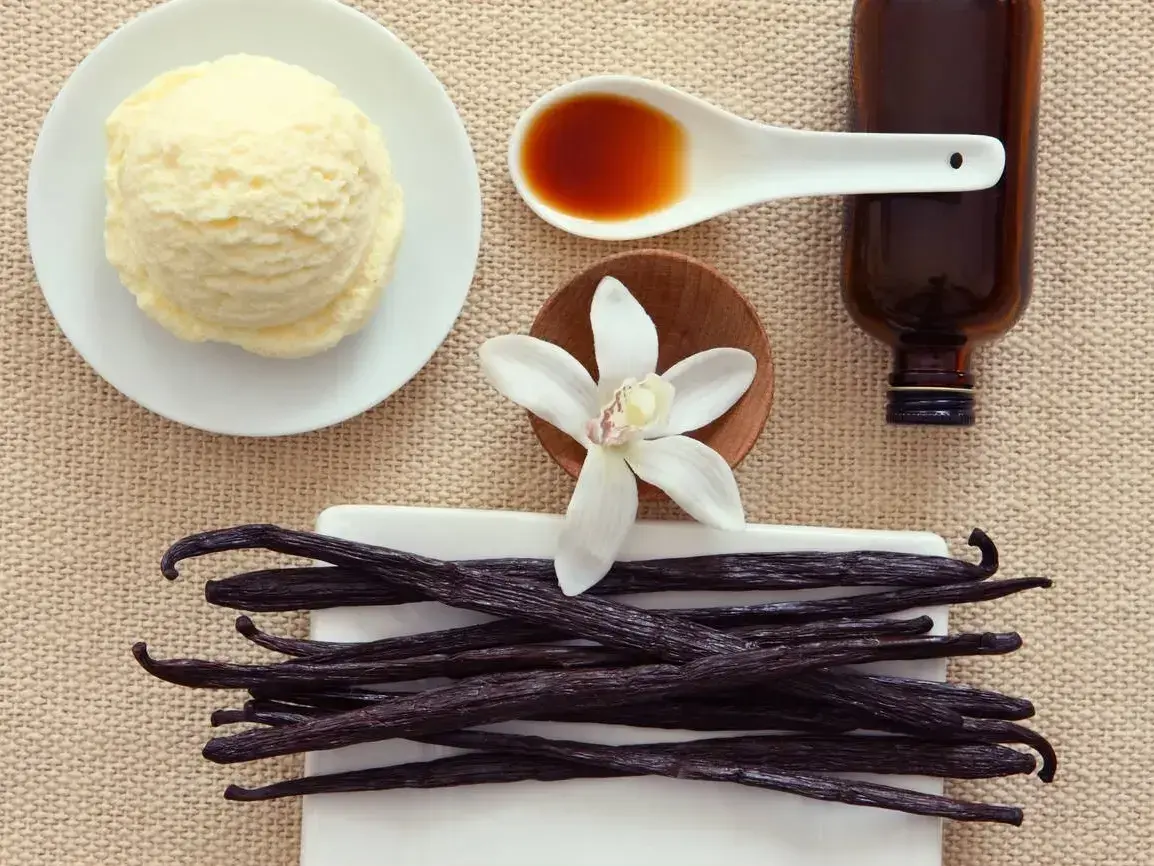
Vanilla Paste is a culinary product. It comes from the pods of the vanilla orchid. It is made by grinding the entire pod. This includes the seeds. The paste is mixed with sugar or sweeteners. This improves texture and shelf life. The process keeps natural flavor. It also keeps aromatic oils. These are found in the vanilla bean. This makes it a popular choice. Chefs and home cooks want rich vanilla taste. They use it in their recipes.
Related glossary terms: Vanilla Beans, Vanilla Extract, Vanilla Quality.
Vanilla extract is made differently. It uses alcohol to soak the beans. Vanilla Paste has the physical parts of the bean. This gives a stronger flavor. It also has a unique texture. This makes it different from extract.
The paste is sold in jars. It is used in many foods. These include baking, desserts. And drinks. Its thick texture helps. It can replace extract in many recipes. But you may need to adjust. This is because of its stronger flavor. The added sugar also matters.
The product is popular in professional kitchens. It is also used in artisanal food. The visual and textural parts are desired. Chefs like the look of the bean. They also like the texture it adds.
How Vanilla Paste Works, Is Measured, or Is Used?
Vanilla Paste is measured by volume or weight. This depends on the recipe. It is usually used 1:1 with extract. But the exact amount may change. This depends on how strong you want the flavor. The paste is used where seeds are visible. These include custards, ice creams. And baked goods. It can also flavor syrups, sauces. And drinks. Its rich taste improves the overall flavor.
The paste is not used in large amounts. This is because it is strong. It also has added sugar. Chefs may change the amount. They do this based on the recipe. They also adjust for sweetness. Some recipes use less paste. This avoids too much sweetness. In commercial settings, the paste is used in pre-made products. These include frozen desserts and bakery items. It ensures consistent flavor and quality.
Why Vanilla Paste Matters?
Vanilla Paste is valued for its deep, real vanilla flavor. It needs no complex prep. It is a good choice over whole beans. Those need splitting and scraping. It is also better than extract. Extract may lack the bean's look and feel. The paste is useful where seeds add flavor and look. This includes crème brûlée or ice cream.
For food producers, Vanilla Paste is reliable. It gives consistent flavor. It is easy to use in large production. This ensures high quality. It is valuable in the food industry. Consistency and efficiency matter there.
When Vanilla Paste Matters Most?
Vanilla Paste is important where the bean's look and feel matter. It is best in desserts with rich vanilla flavor. These include cakes, cookies. And custards. The paste adds flavor and a special look. This makes it a favorite for chefs and bakers.
- Recipes that need visible vanilla seeds
- Commercial food production with consistent flavor
- Home cooking where convenience and flavor matter
How to Evaluate Vanilla Paste?
- Check for the presence of visible vanilla seeds and a thick, viscous texture.
- Look for a strong, natural vanilla aroma without artificial additives.
- Compare the sugar content to ensure it aligns with the intended recipe.
Related Concepts Compared
Vanilla Paste vs. Vanilla Extract
Vanilla Extract is made by soaking vanilla beans in alcohol, while Vanilla Paste contains the ground bean and seeds, offering a more intense flavor and texture.
Vanilla Paste vs. Vanilla Powder
Vanilla Powder is a dried, ground form of vanilla beans, whereas Vanilla Paste is a wet, viscous mixture that retains more of the bean's natural oils and flavor compounds.
Expert Note
Vanilla Paste is best used in recipes where the visual and textural elements of the vanilla bean are desired, such as in desserts and baked goods.
Common Mistakes or Myths About Vanilla Paste
- Using too much Vanilla Paste, which can make a dish overly sweet.
- Confusing Vanilla Paste with vanilla extract or vanilla powder.
- Not adjusting recipes for the added sugar content in Vanilla Paste.
Vanilla Paste in Practice: A Real-World Example
A baker uses Vanilla Paste to flavor a batch of vanilla cupcakes, adding a rich, authentic flavor and visible flecks of vanilla seeds for a premium appearance.
Sources & Further Reading on Vanilla Paste
- International Vanilla Association
- Food and Agriculture Organization of the United Nations
Related Terms
Vanilla Beans
Vanilla Beans is the cured and dried pod of the Vanilla planifolia orchid, used as a…
Vanilla Extract
Vanilla Extract is a liquid flavoring made by steeping vanilla beans in alcohol and water to…
Vanilla Quality
Vanilla Quality is the standard of characteristics that determine the value, usability, And marketability of vanilla…
Vanilla Processing
Vanilla Processing is the series of steps that turn raw vanilla pods into products for sale…
Vanillababa
Have Questions About Vanilla Paste?
Contact Vanillababa for practical guidance on Vanilla Paste and related vanilla export work in Madagascar.