Red Bourbon Vanilla Export Types in Madagascar
Red Bourbon vanilla from Madagascar exports mainly as cured beans, split beans, vanilla caviar, seeds, and extract-grade material. Buyers choose each type by moisture, aroma, appearance, and end use. Organic certification and export grading can also improve fit for food, beverage, and premium products.
What Red Bourbon Vanilla Means for Export Buyers in Madagascar?
Red Bourbon vanilla is Madagascar’s premium Vanilla planifolia export profile, valued for rich aroma, supple beans, and strong flavor in food manufacturing and specialty retail. Export buyers use it to source a steady origin-linked vanilla ingredient with traceable quality and wide use potential.
For export buyers, the phrase does not just describe color or style. It points to a Madagascar supply chain shaped by harvesting, sorting, and the curing process. The best lots show strong aroma, bean flexibility, and clean export documents. Because the island’s humid tropical growing conditions affect pod maturity and curing, buyers watch moisture content closely. That matters for flavor, shelf life, and premium contracts.
In market terms, Red Bourbon vanilla usually signals a higher-value vanilla product rather than a generic flavoring ingredient. It can be sold as cured vanilla beans, split vanilla beans, vanilla caviar, or extract-grade material. Buyers in Madagascar and abroad often compare origin notes, organic certification status, and traceability before they place orders.
Compare the Main Red Bourbon Vanilla Export Types
Red Bourbon vanilla exports are usually compared by physical form, aroma strength, moisture, and final use. The main types are cured whole beans, split beans, vanilla caviar, vanilla seeds, and extract-grade vanilla material. Each one serves a different buyer, from gourmet kitchens to industrial formulators.
| Type | Key Features | Typical Cost | Best For |
|---|---|---|---|
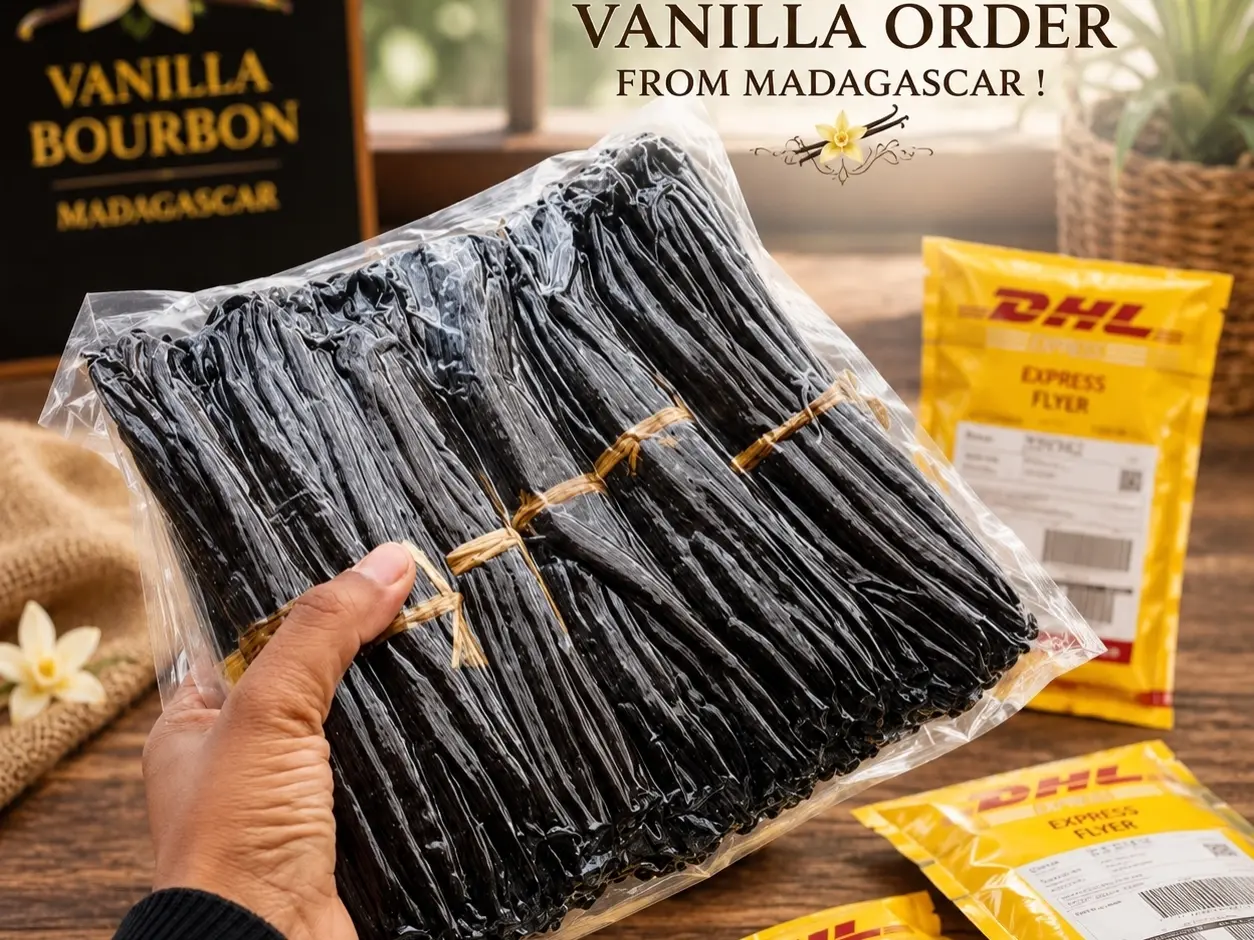
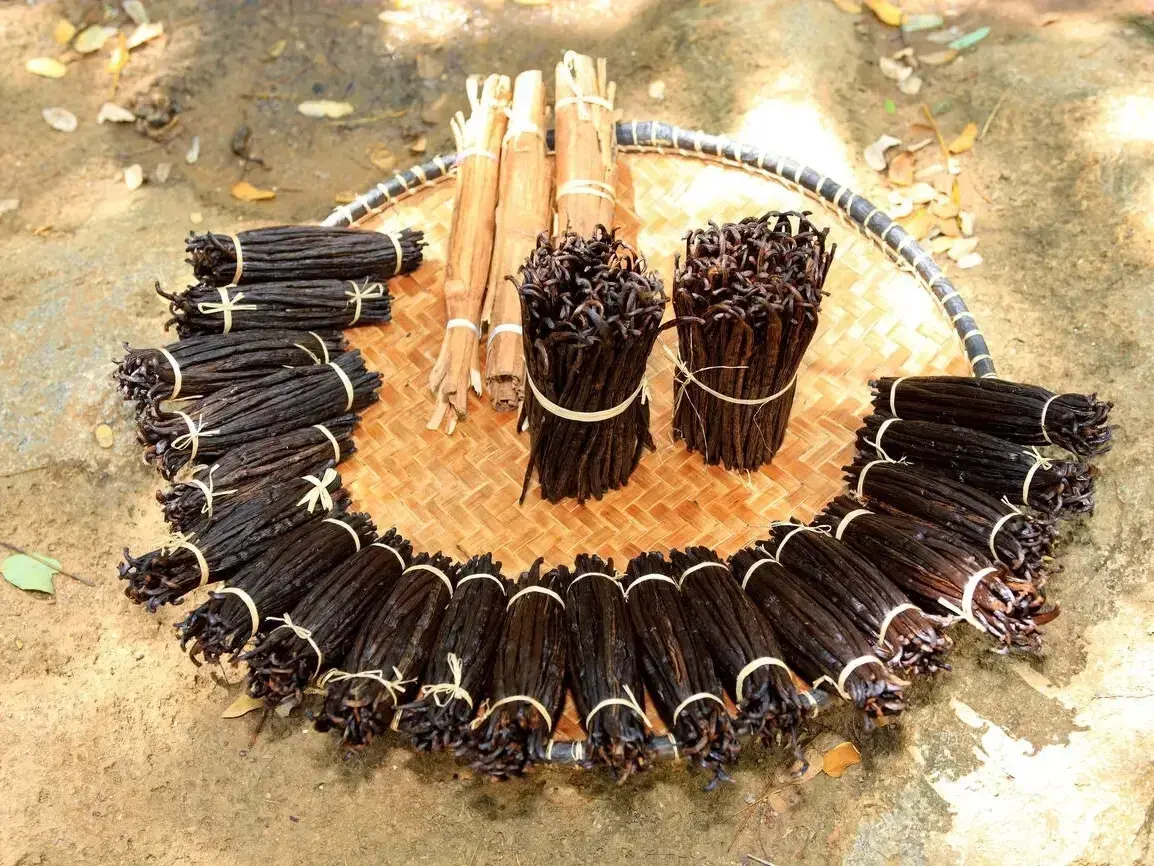
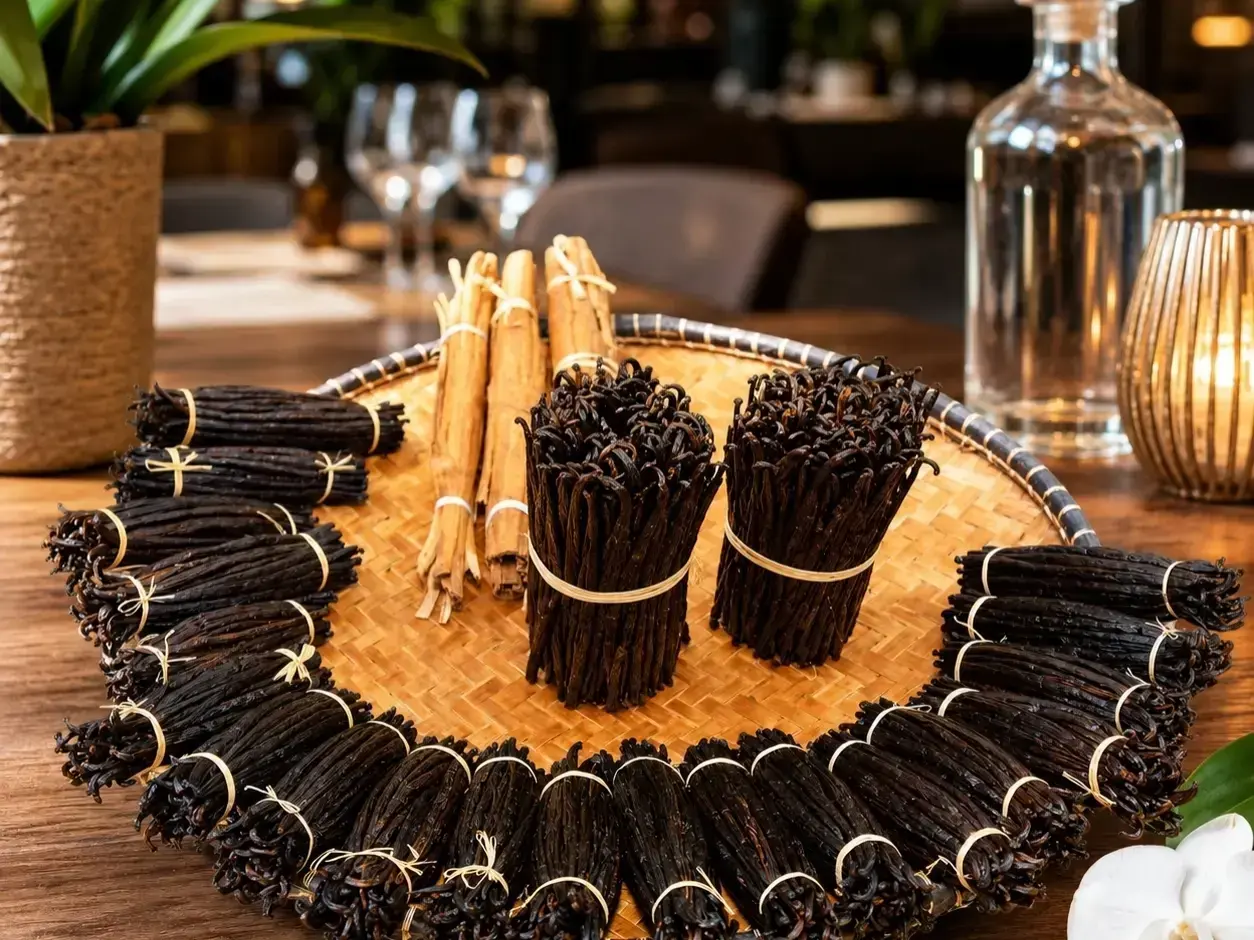
| Cured whole beans | Flexible pods, strong aroma profile, visible specks, premium appearance, export grade sorting | Usually highest per kilo among bean forms | Gourmet retail, foodservice, premium desserts |
| Split beans | Open pods, high aroma release, easier infusion, lower cosmetic value | Mid-range, often below whole beans | Extraction, soaking, flavor infusion |
| Vanilla caviar | Loose paste or seed-rich material, high visual impact, strong speckling | Premium value for presentation use | Plating, dessert topping, luxury retail |
| Vanilla seeds | Tiny meronym portion of the pod, clean visual finish, measured dosing | Varies by yield and cleaning step | Ice cream, creams, premium bakery |
| Organic vanilla extract | Liquid flavoring ingredient, standardized intensity, formulation-ready, documentation-heavy | Depends on concentration and certification | Beverages, extract formulation, industrial use |
Cured Whole Beans: Best for Premium Retail and Foodservice
Cured whole beans are the top choice when buyers need appearance, flexibility, and a full aroma profile. They fit gourmet retail and foodservice because the pod itself signals quality before it is even cut open. In Madagascar, careful drying and grading help protect bean flexibility and sensory quality.
These beans work best when the customer wants a visible, origin-linked ingredient for chefs, gift sets, and shelf display. The downside is that they need careful handling and stable storage, especially during humid periods. If rainfall and drying conditions slow post-harvest curing, rushed packing can damage the lot and hurt export grade consistency.
Split Beans and Grade B: Best for Extraction and Infusion
Split beans and Grade B material are preferred when the goal is extraction or deep infusion, not visual perfection. These pods release aroma quickly and work well for makers who plan to soak, steep, or process the ingredient into paste or liquid flavor systems.
Buyers often choose this category for extraction because the surface area is larger and the aromatic compounds are easier to pull into alcohol or syrup. While the look is less polished than gourmet retail beans, the value is strong for industrial use. In the Madagascar vanilla supply chain, this form often fills bulk importers’ needs for efficient, cost-aware processing.
Vanilla Caviar and Vanilla Seeds: Best for High-Visual Applications
Vanilla caviar and vanilla seeds are chosen for visual uses where the speckled look matters as much as taste. They are common in premium desserts, creams, and bakery finishes where chefs want a clear vanilla signal on the plate.
These forms help when presentation drives value. The caviar gives a rich, immediate visual effect, while seeds offer clean dosing and a refined look. Buyers should note that caviar and seeds are related but not identical. Seeds are the granular particles from the pod, while caviar is a more prepared, seed-rich product. Both are sensitive to moisture content and packaging quality, so traceability and cold-chain care can matter in transit.
Organic Vanilla Extract: Best for Formulation and Beverage Use
Organic vanilla extract is the best fit when the buyer needs a stable flavoring ingredient for beverages and formulation. It is easier to dose than beans and more consistent for industrial recipes, where batch-to-batch control matters.
Formulators like extract because it supports repeatable flavor in syrups, dairy, ready-to-drink beverages, and bakery mixes. Organic certification can strengthen buyer confidence, especially when label claims matter. The strongest extracts come from well-curated raw material and careful processing, because the curing process and moisture control still shape the final flavor. For export buyers in Madagascar, this form is often the most efficient route from origin to finished product.
How Madagascar Conditions Shape Export Quality?
Madagascar’s tropical climate, harvest timing, and curing discipline shape export quality more than the name alone. Moisture content, bean flexibility, and aroma profile all change with how pods mature, dry, and rest before shipment.
For importers, the practical lesson is simple: origin matters, but post-harvest work matters just as much. A well-grown pod can still underperform if curing is uneven, and a carefully processed lot can outshine a larger one with weaker logistics. That is why buyers ask for export documentation, storage details, and sensory checks before they confirm supply.
How to Choose the Right Bourbon Vanilla Type for Your Use?
Choose the right Bourbon vanilla type by matching the form to your application, aroma target, processing method, and packaging needs. Premium retail and plating use whole beans, industrial flavor systems use extract-grade material, and decorative or seed-driven applications use caviar or seeds.
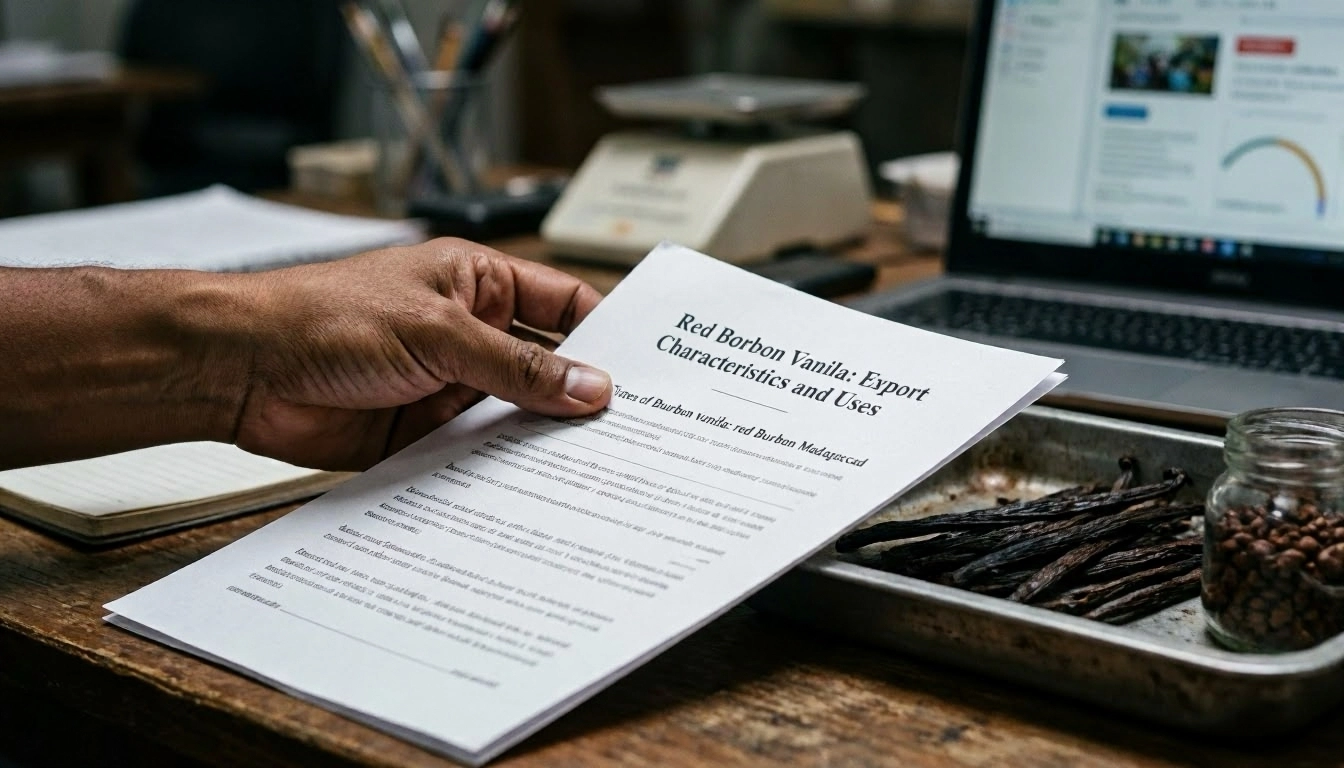
In short, the right choice depends on how the ingredient will be used after landing. A chef, a beverage formulator, and a bulk importer do not need the same vanilla product. The best sourcing decision comes from matching grade, form, and handling with the real production plan, not just the catalog name.
Why Buyers Source Red Bourbon Vanilla from Madagascar?
Buyers source Red Bourbon vanilla from Madagascar for origin value, a trusted flavor reputation, and flexible product formats. The island’s traceability systems, organic certification options, and export logistics support both premium retail and industrial demand.
For commercial teams, Madagascar remains attractive because it balances reputation with practical supply choices. Even when prices move, the origin still offers a clear story, a recognizable aroma profile, and enough format variety to serve specialty buyers and larger import programs.
Frequently Asked Questions
About the Author
Randrianantenaina Landry writes on Madagascar export crops, origin quality, and buyer-fit sourcing for international trade readers. His work focuses on practical guidance, traceability, and the Madagascar vanilla supply chain.
Contact the team for sourcing support, product matching, or export documentation questions.
Related Resources
Pricing Guide: Whole Pods, Vanilla Cuts, Extract, Paste and Powder
how much does vanilla extract paste powder pods cost
What It CostsCertification & Traceability Costs: Organic, Batch Traceability and Export Documentation Premiums
how much extra does organic certification and traceability add to vanilla export cost
How It WorksQuality Control & Compliance Workflow for Vanilla Exports: Lab Testing to Phytosanitary Clearance
how does quality control and compliance work for vanilla export
Compared ToBlack Bourbon Vanilla vs Red Bourbon Vanilla: Trade-offs for Export Buyers
Black Bourbon vs Red Bourbon vanilla export