Extra Long Pods Vanilla vs Short Pod Vanilla in Madagascar
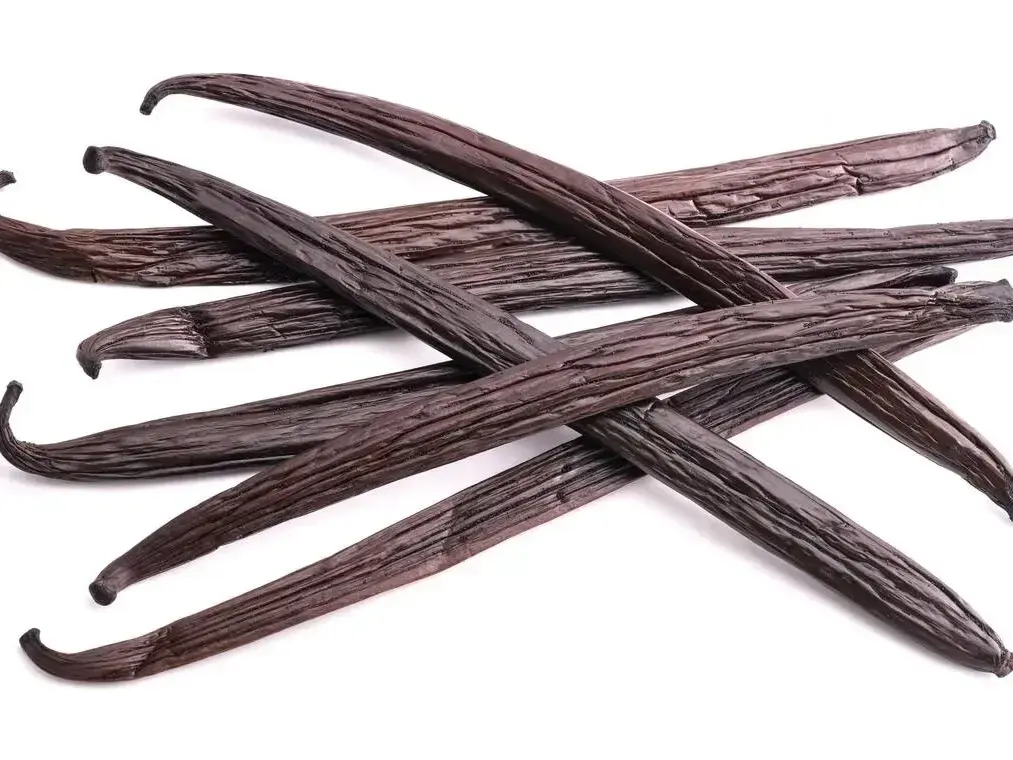
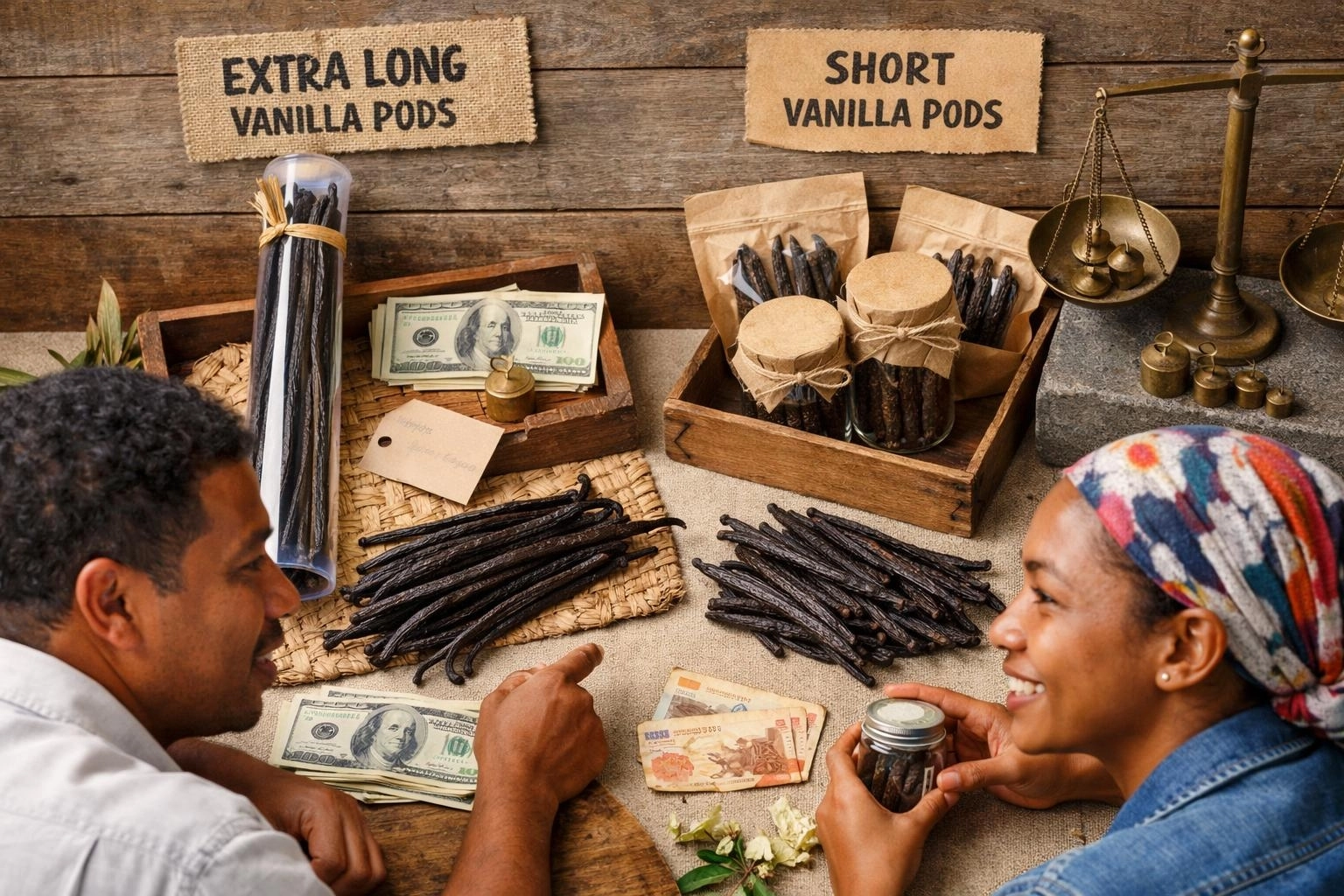
Extra long pods vanilla usually wins on premium visual impact, giftability, and retail storytelling. Short pod vanilla usually wins on lower entry price, easier pack-outs, and faster shelf turnover. In Madagascar, the best choice depends on your buyer. Choose extra long pods for high-end presentation and short pods for practical commercial use. Packaging, grading consistency, and export handling also shape pricing and retail appeal.
As a Madagascar vanilla origin story, the island’s reputation makes buyers expect strong grade, clean pod length, and careful packing. Because of that, extra long pods vanilla often sends a stronger premium signal. Short pod vanilla usually fits value-led shelves and everyday cooking. The right choice depends on consumer perception, shelf appeal, and the retail position you want.
In practice, the market is not only about size. Moisture content, aroma retention, and bundling quality shape how whole vanilla beans, vanilla pods, and whole vanilla are judged before opening. A gourmet ingredient buyer may pay more for a spice product that looks elegant. A bulk buying customer may prefer speed, consistency, and easier replenishment.
Madagascar’s export identity also matters at home. Lots with even grading and tidy export packing build trust faster. Variable lots can weaken price confidence. Longer transport and repeated handling in local distribution raise cosmetic damage risk, so protective packaging helps preserve presentation and reduce breakage. That is why premiumization often starts with the pack, not only the pod.
Which Vanilla Pod Format Sells Better in Madagascar?
Extra long pods vanilla sells better when presentation drives value, while short pod vanilla sells better when price and usability drive conversion. In Madagascar, the stronger retail choice depends on whether the buyer wants a premium visual cue for gifting and display or a practical pod for everyday culinary use.
For premium counters, gift packaging, and brand-led shelves, longer pods create instant shelf appeal because pod length reads as quality before aroma is checked. That matters in a market where consumer perception starts with the first look. It matters even more when the lot is sold as whole vanilla beans or whole vanilla. In that setting, the visual story can support a higher retail ticket.
Shorter pods usually convert faster in practical shops, hotel kitchens, and food service channels because the format feels efficient and easier to price. Buyers who want steady cooking performance often care more about grade consistency and moisture content than display drama. In local trade, that can make the shorter format the more dependable seller.
The deciding factor is usually the buyer’s goal. If the goal is image, the longer pod wins. If the goal is function, the shorter pod wins. Across domestic shelves in Madagascar, both can work, but they work for different customers and different basket sizes.
Quick Comparison of Extra Long Pods and Short Pods
Extra long pods and short pods differ most in perceived luxury, pack presentation, and price positioning. Extra long pods usually command a premium because they look more impressive and support upscale packaging. Short pods usually fit value-led merchandising, simpler packing formats, and faster retail rotation.
| Factor | Option A | Option B |
|---|---|---|
| Cost | Extra long pods: typically higher because of sorting pressure, tighter grading, and the premium signal attached to longer pod length. | Short pods: typically lower entry price, which helps value-focused buyers and easier bulk buying. |
| Timeline | Extra long pods: often slower to prepare because careful bundling, protective wrapping, and quality checks take more time. | Short pods: usually faster to pack, easier to sort, and quicker to restock in busy retail channels. |
| Maintenance | Extra long pods: needs sturdier premium packaging options to protect aroma retention and avoid cosmetic damage in handling. | Short pods: simpler pack care, with less breakage risk and easier storage in standard packaging format. |
| Best-for | Extra long pods: best for gifting, premium retail, and display-first sales where shelf appeal matters most. | Short pods: best for commercial kitchens, practical cooking use, and value-led merchandising. |
Illustrative market ranges are usually shaped by lot consistency rather than length alone. In many cases, the longer format earns more when the grade is even and the pack looks refined. The shorter format moves faster when the buyer wants utility. Packaging, bundling, and export packing can shift the final shelf story just as much as the bean itself.
Pros and Cons of Extra Long Pods Vanilla
Extra long pods vanilla offers a premium look, stronger shelf presence, and better gifting appeal, But it can increase sorting pressure, packaging complexity, and price sensitivity. For Madagascar buyers, it works best when the brand wants a luxury signal and can support careful grading and protective packaging.
Pros
Cons
Pros and Cons of Short Pod Vanilla
Short pod vanilla offers easier merchandising, more accessible pricing, and simpler retail formats, But it usually has less visual impact than extra long pods. In Madagascar, it is often the better fit for commercial kitchens, value-focused retailers, and pack sizes built around usability rather than display prestige.
Pros
Cons
How Packaging Changes Price and Shelf Appeal?
Packaging changes how buyers judge vanilla before they taste it. Rigid tubes, glass, cartons, and sealed pouches raise perceived value and protect aroma. Basic packs lower cost but reduce shelf drama. In Madagascar, packaging choice can lift retail appeal enough to justify a higher price tier for extra long pods.
The pack is part of the product. A refined packaging format can improve aroma retention, reduce moisture loss, and support stronger consumer perception at the shelf. That is especially important for a gourmet ingredient, because many buyers decide fast based on look, label clarity, and how secure the pods appear.
For longer beans, premium packaging options are more than decoration. They protect the pod from breakage during local distribution, where repeated handling and longer transport can damage presentation. In tropical conditions, humidity adds another challenge, so sealed pouches, rigid tubes, and good carton support can preserve quality better than loose wrapping.
Basic packs still have a place. They can make a spice product more affordable and work well for bulk buying or fast-moving value shelves, But if the goal is premium retail positioning, the extra cost of better packing often returns value through stronger shelf appeal and higher trust.
What Buyers in Madagascar Should Choose by Use Case?
Buy extra long pods vanilla for gifting, premium retail, and brand-led presentation, and buy short pod vanilla for efficient cooking use, accessible pricing, and broader everyday assortment. The right choice in Madagascar depends on whether the buyer is selling image, function, or a balanced product mix.
For many buyers, the best plan is a balanced assortment: one line for premiumization and one line for everyday use. That approach supports broader retail appeal while keeping pricing flexible across channels.
Frequently Asked Questions
Author: Randrianantenaina Landry
Related Resources
Pricing Guide: Whole Pods, Vanilla Cuts, Extract, Paste and Powder
how much does vanilla extract paste powder pods cost
How It WorksVanilla Curing, Processing and Grading: Preparing Pods for International Export
what is the vanilla curing and grading process for export
Types & CategoriesGrade B Vanilla Export (Manufacturing & Industrial Grade) from Madagascar
types of vanilla export grade B Madagascar
Types & CategoriesBlack Bourbon Vanilla Export Options from Madagascar
types of Bourbon vanilla export black Bourbon Madagascar