Black Bourbon Vanilla Export Options in Madagascar
Black Bourbon vanilla exports from Madagascar are sold mainly as graded cured pods, including black Bourbon vanilla, extra long pods, and premium vanilla paste. Buyers choose by moisture, size, appearance, and flavor strength, depending on food manufacturing, retail, or premium ingredient use.
What Are the Main Types of Bourbon Vanilla Exported from Madagascar?
Black Bourbon vanilla exported from Madagascar is typically offered as black cured pods, extra long pods, and premium vanilla paste. Each one fits different quality, appearance, and use needs. Buyers select the type based on flavor strength, pod length, moisture level, and whether the ingredient is for wholesale, retail, or processing.
| Type | Key Features | Typical Cost | Best For |
|---|---|---|---|
| Black Bourbon vanilla | Cured pods with deep color, flexible texture, strong aroma intensity, and clear grading signals from sorting and grading. | Usually mid to high, with price moving up for better vanilla grade, longer pod length, and cleaner appearance. | Retail packaging, extract-style use, premium ingredient sourcing, and buyers who want visible whole beans. |
| Extra long pods vanilla | Longer cured vanilla pods with strong visual appeal, even moisture content, and higher gifting value. | Often high because pod length and appearance affect market demand and export quality. | Gourmet retail, premium displays, and wholesale sourcing for luxury food lines. |
| Premium vanilla paste | Processed blend with seeds, stable dosing, and convenient use in food manufacturing. | Based on formulation, vanilla content, and processing convenience rather than pod appearance. | Food manufacturing, bakeries, ice cream, and products that need consistent flavor. |
| Graded cured pods | Export-class cured pods sorted by moisture, length, color, aroma, and defect level. | Varies with grade band, cure quality, and market timing across Madagascar supply cycles. | Ingredient sourcing, wholesale contracts, and buyers comparing vanilla extract ingredients. |
As a quick guide, buyers usually compare cured pods, bean length, and aroma before choosing between vanilla products. The right option depends on shelf presentation, processing speed, and how much visual impact the final pack needs.
Black Bourbon Vanilla: What Buyers Mean by It
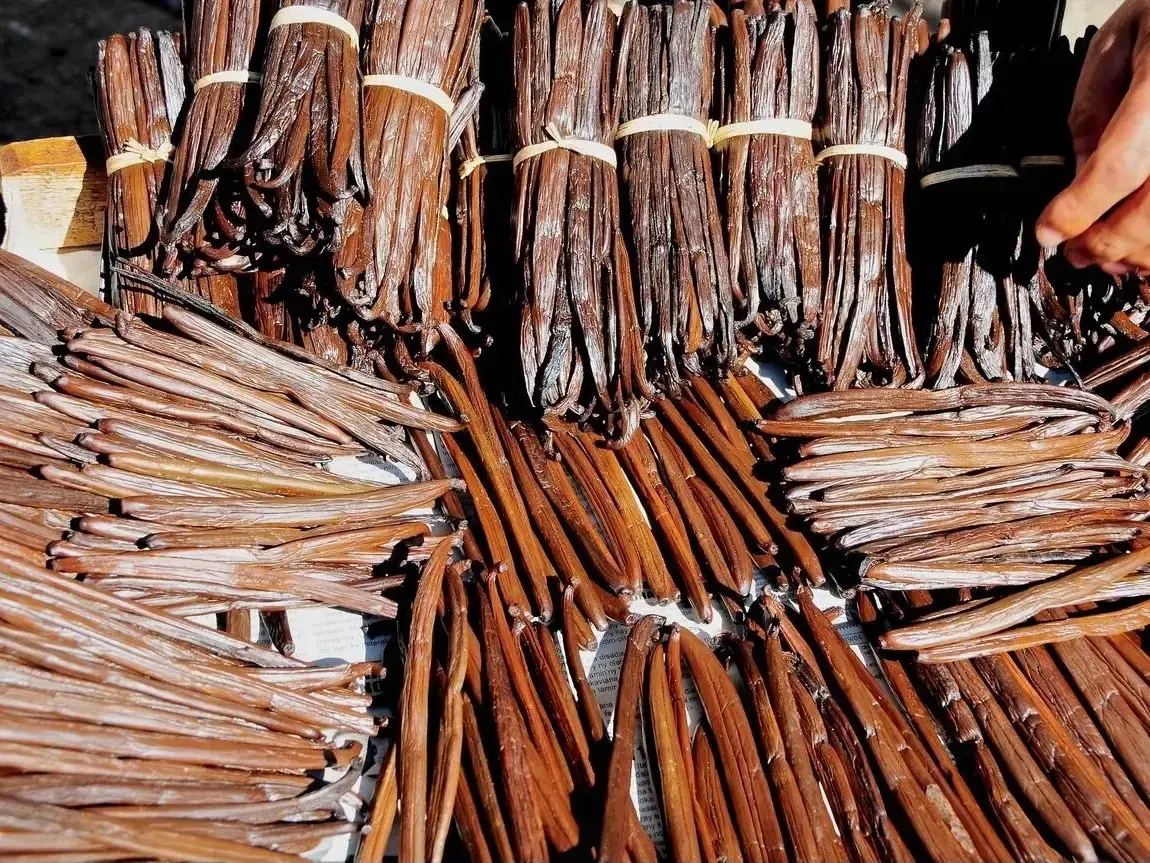
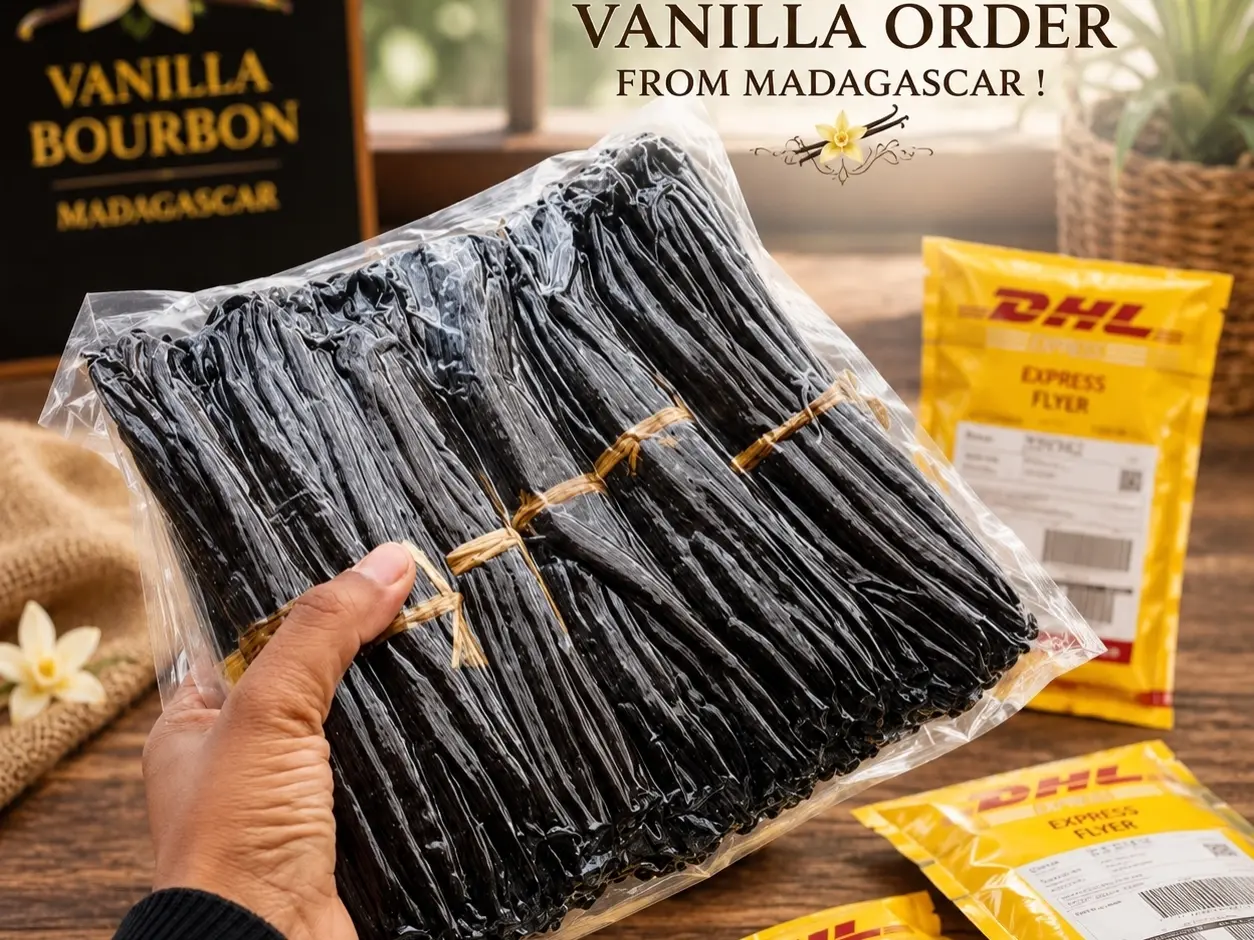
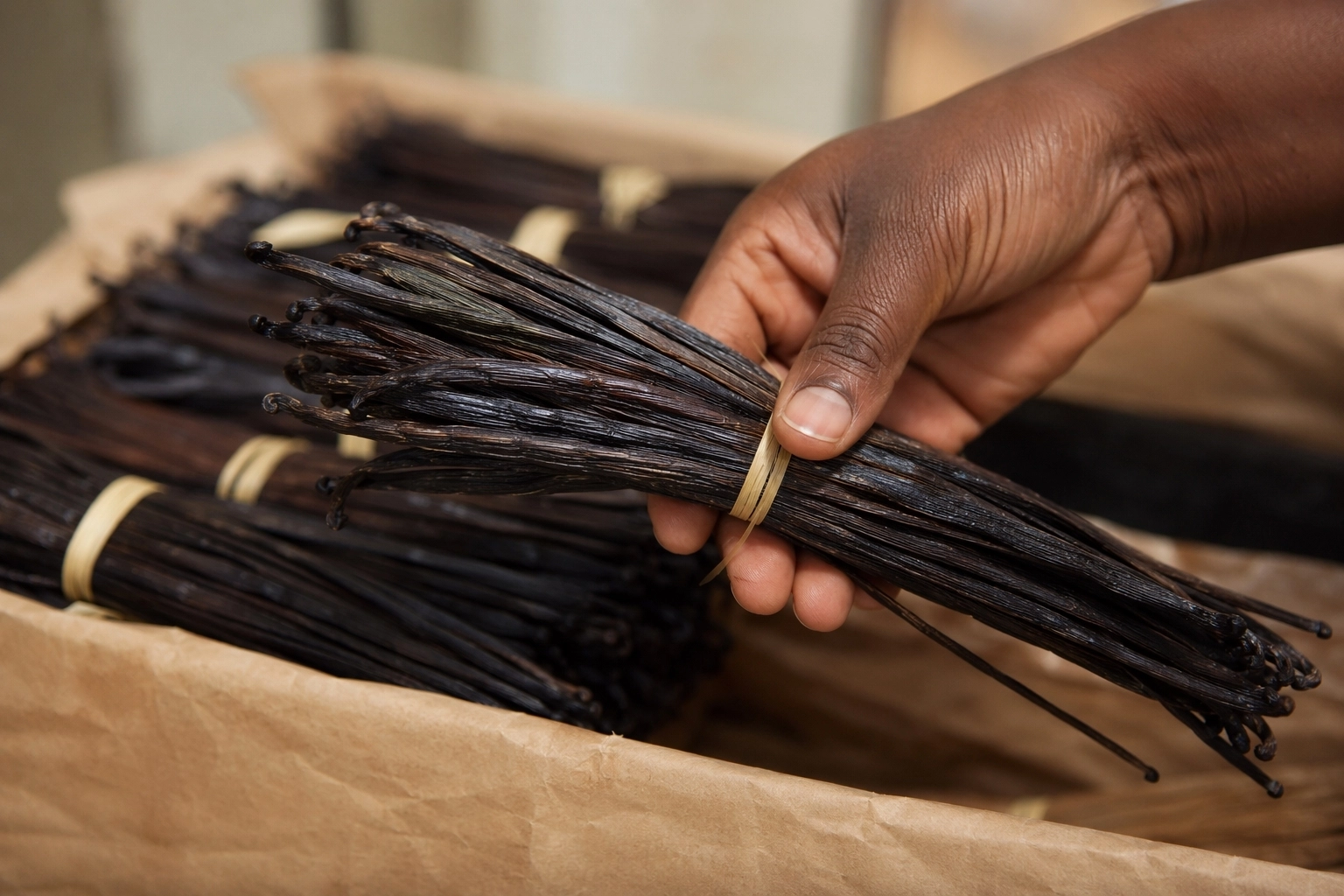
Black Bourbon vanilla usually means fully cured black vanilla pods from Madagascar with a dense aroma, flexible skin, and strong visual appeal. Buyers use the term for black vanilla pods that meet a vanilla grade suited to retail, wholesale, or extract making.
In practice, this type is favored when the buyer wants whole cured pods rather than a processed format. It often suits premium ingredient sourcing because the pod seeds and surface color help signal authenticity. Good cure quality matters, since the island’s drying conditions can lift aroma or, if poorly managed, leave excess moisture that raises mold risk.
For importers, the best black pods are usually the ones with steady traceability and careful post-harvest handling. That matters even more when inland transport adds handling risk before export and when food manufacturing teams need stable flavor.
Extra Long Pods Vanilla: When Longer Beans Matter
Extra long pods vanilla is the premium pod-length category buyers choose when presentation matters as much as taste. These extra long vanilla beans are often selected for gifting, gourmet displays, and upscale wholesale sourcing where pod length signals quality.
Longer beans can help retail packaging stand out and can draw more attention in the market, but they still need sound curing and sorting. A well-dried long pod should show strong aroma, even moisture content, and a clean look. If the beans are too dry or uneven, the premium value drops fast.
In Madagascar, seasonality affects when these long pods are available in volume, so planning inventory is important. Buyers who need a steady flow should ask about traceability, packing, and shipment condition so the longer format arrives intact and export-ready.
Premium Vanilla Paste: Why Processors Choose It
Premium vanilla paste gives processors a ready-to-use format with seeds, flavor depth, and easy dosing for food manufacturing. It is popular when teams need consistent blending for bakery, dairy, and dessert lines without the handling step of splitting cured pods.
This format is valued because it supports portion control, repeatable batches, and faster production. Compared with whole cured pods, paste can cut waste and make ingredient sourcing simpler. Buyers still want export quality, but the focus shifts from pod length and appearance to formulation consistency, vanilla content, and clean processing.
For many manufacturers, this is also a practical way to use vanilla extract ingredients in products that need visible specks and reliable flavor. A strong supplier should still document traceability and phytosanitary compliance so the paste meets market and regulatory expectations.
Which Vanilla Type Should You Choose for Your Market?
The best Bourbon vanilla type from Madagascar depends on your end use: black pods fit premium retail and extract-style applications, extra long pods fit high-visibility gifting and gourmet sales, and vanilla paste fits food manufacturing where consistency and easy dosing matter.
Buyers that need a strong true Bourbon profile often stay with cured pods, while teams focused on production efficiency may move to paste. The right choice is less about one best option and more about how the ingredient will perform in your market.
How Do Madagascar Export Grades Affect Quality and Pricing?
Madagascar export grades affect price by linking pod length, appearance, moisture, and aroma density to buyer expectations. Longer, darker, well-cured pods generally command stronger demand, while paste is priced by formulation consistency, vanilla content, and processing convenience.
| Grade Signal | Quality Impact | Pricing Effect | Buyer Focus |
|---|---|---|---|
| Moisture content | Affects flexibility, mold risk, and how well cured pods hold aroma during storage. | Balanced moisture often supports stronger value than pods that are too dry or too wet. | Export quality, shelf life, and shipment stability. |
| Pod length | Longer beans are often seen as more premium and more suitable for display. | Extra long pods usually attract a higher price when the rest of the grade is clean. | Retail packaging and gourmet presentation. |
| Aroma intensity | Signals a rich curing process and strong flavor performance in use. | Higher aroma density can lift demand across wholesale sourcing channels. | Food manufacturing and premium ingredient sourcing. |
| Sorting and grading | Removes damaged pods and separates lines by uniformity, color, and defect level. | Careful sorting supports better price bands and cleaner export contracts. | Traceability, predictable quality, and reduced claims. |
Typical market ranges are driven more by consistency than by one single feature. For Madagascar vanilla, the best value usually comes from pods with strong aroma, correct moisture content, and a clean look that fits the target vanilla grade.
What Should Importers Check Before Buying from Madagascar?
Importers should verify cure quality, traceability, export documentation, and shipment condition before buying Madagascar vanilla. These checks reduce mold risk, protect flavor stability, and help ensure the chosen type matches the intended market, shelf life, and regulatory expectations.
These checks matter most when you need stable vanilla products for long distribution chains. A supplier who can show solid packing, lot records, and clear post-harvest control is usually easier to work with over time.
Black Bourbon Vanilla Export Options from Vanillababa
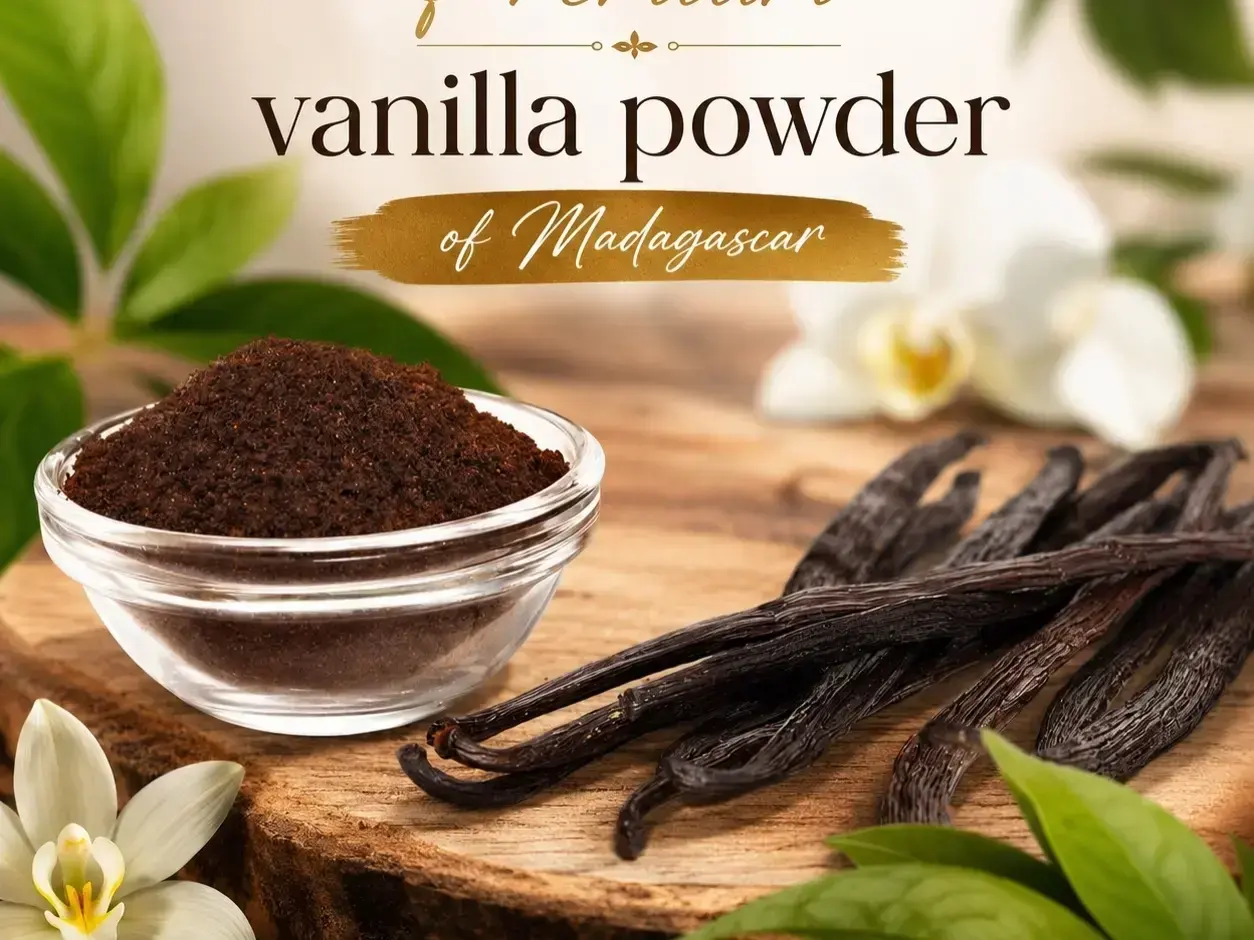
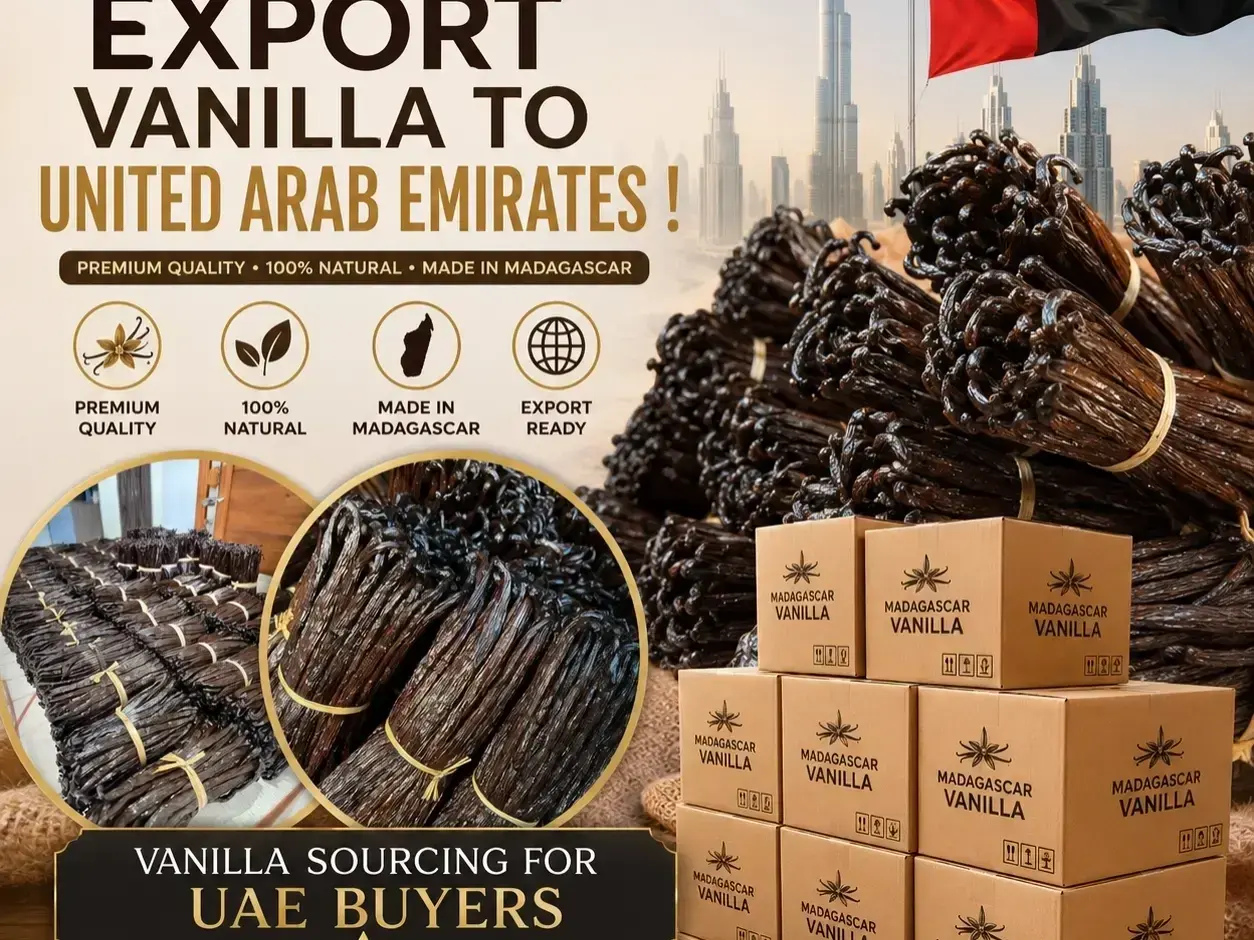
Vanillababa offers Madagascar-origin Black Bourbon Vanilla, extra long pods vanilla, and premium vanilla paste for buyers seeking consistent export-ready supply. The value is flexible grading, product selection by use case, and sourcing aligned with wholesale, ingredient, and premium retail needs.
For buyers comparing Madagascar Bourbon vanilla against Other vanilla products, the main advantage is choice. You can source graded cured pods for visible retail appeal, extra long beans for premium displays, or paste for food manufacturing and vanilla extract ingredients. Each format can be matched to aroma, moisture content, and pricing goals.
The team also understands that remote growing regions, inland transport, and seasonal supply shifts can affect availability. That makes traceability, careful packing, and custom grading especially important when you need dependable Madagascar supply in 2026.
If you want a closer match to your market, request a sample set and compare pod length, cure quality, and aroma intensity before placing a wholesale order. This helps you choose the right vanilla grade without overbuying the wrong format.
Author: Randrianantenaina Landry
Frequently Asked Questions
Related Resources
Pricing Guide: Whole Pods, Vanilla Cuts, Extract, Paste and Powder
how much does vanilla extract paste powder pods cost
How It WorksMadagascar Vanilla Export: Step-by-Step Export Process for Bourbon Vanilla
how does Madagascar vanilla export process work step by step
How It WorksVanilla Curing, Processing and Grading: Preparing Pods for International Export
what is the vanilla curing and grading process for export
Compared ToBlack Bourbon Vanilla vs Red Bourbon Vanilla: Trade-offs for Export Buyers
Black Bourbon vs Red Bourbon vanilla export