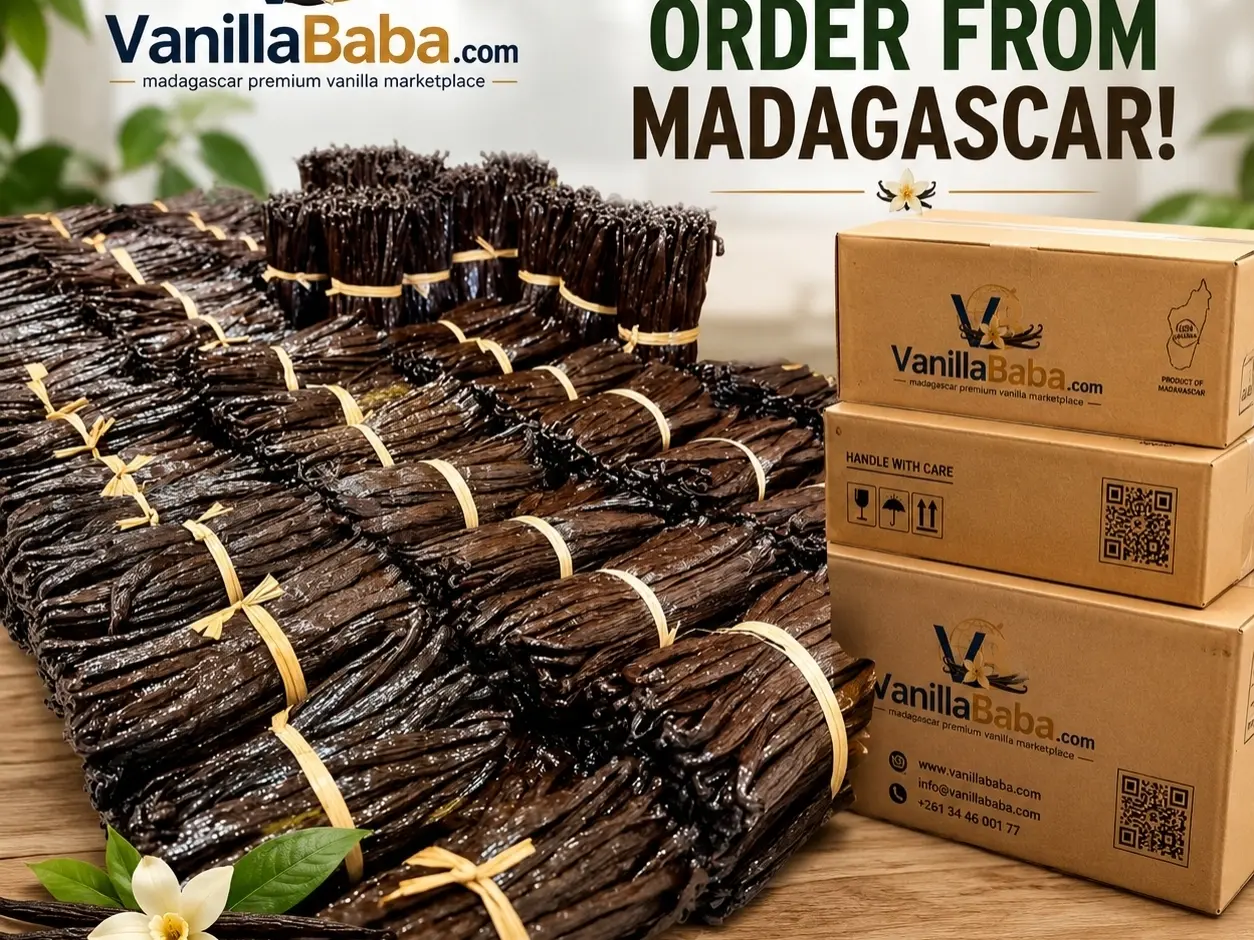
Export Vanilla to Europe Requirements from Madagascar
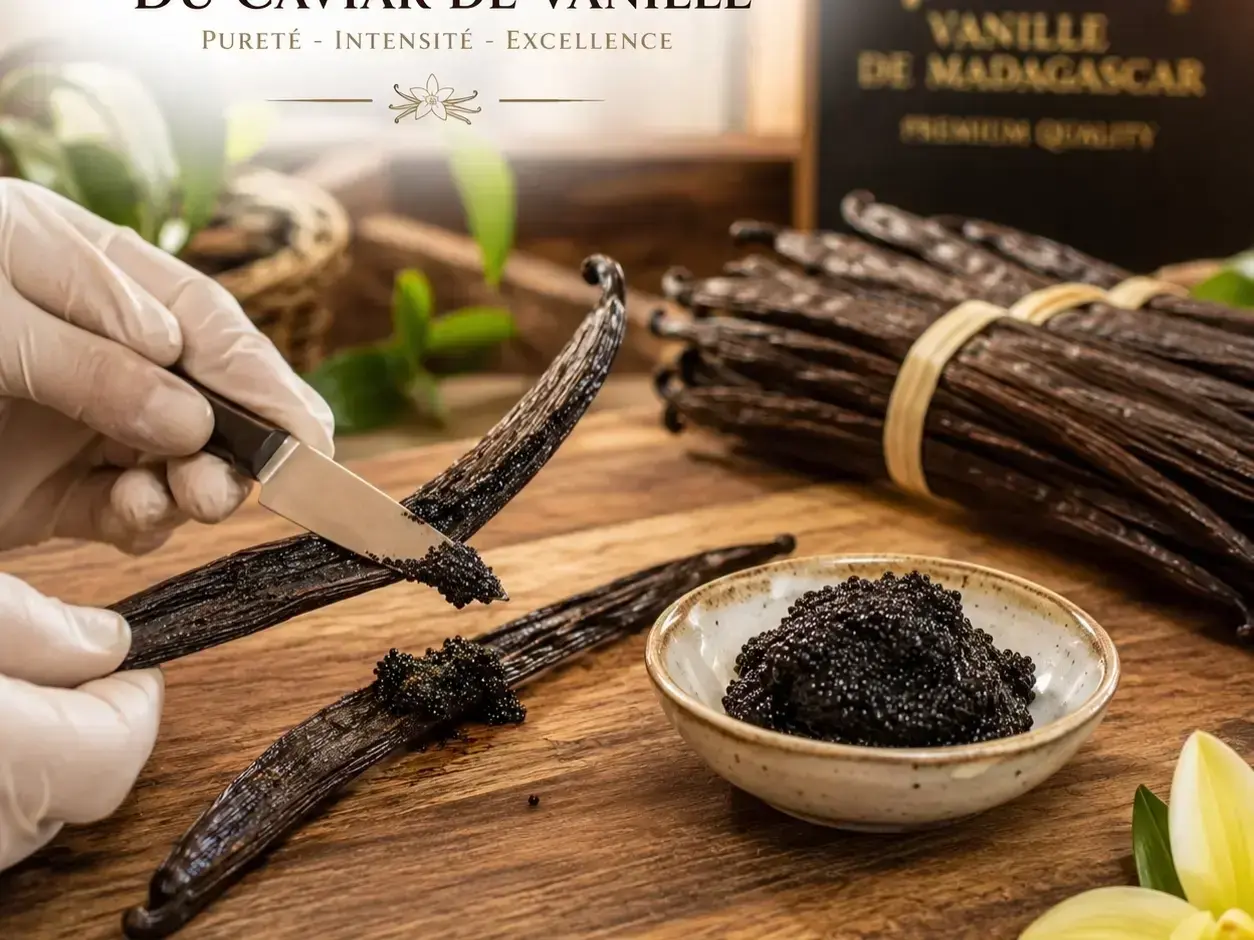
EU food manufacturers can import vanilla from Madagascar if the supplier proves food safety, traceability, quality, and customs compliance. Export vanilla to Europe requirements usually include the right product classification, hygiene controls, residue testing, contaminant checks, organic certification if claimed, lot traceability, labels, and shipping documents. Madagascar exporters must also manage harvest quality, drying consistency, and shipment records to avoid border delays. Vanillababa helps EU buyers source Grade A Gourmet Vanilla and Organic Vanilla Extract with export-ready support.
What EU Food Manufacturers Need Before Importing Vanilla?
EU food manufacturers need vanilla that is fully traceable, tested for contaminants, legally documented, and steady in quality. The supplier must show origin, processing controls, lab results, and shipment paperwork so the vanilla can enter the EU and work well in finished food products.
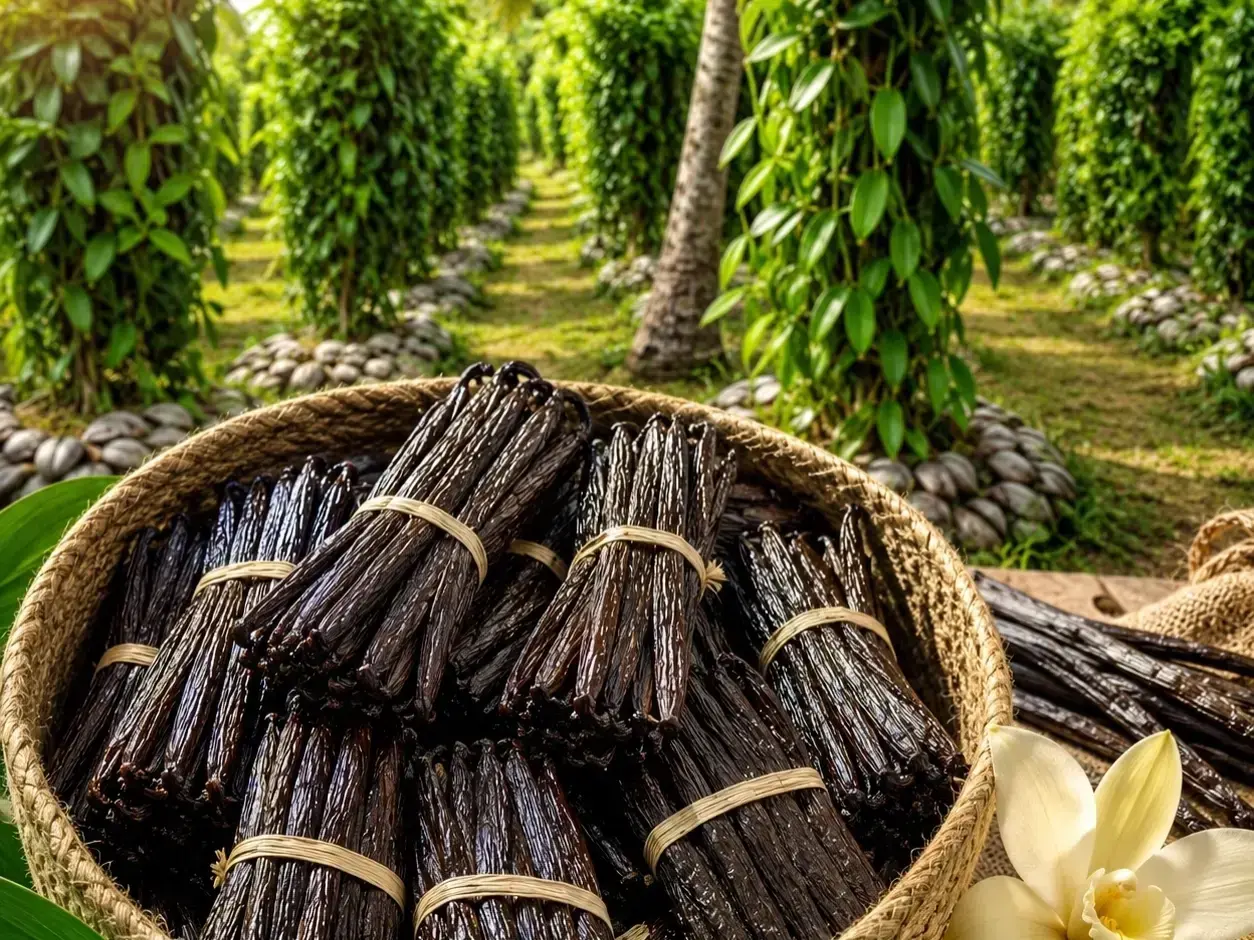
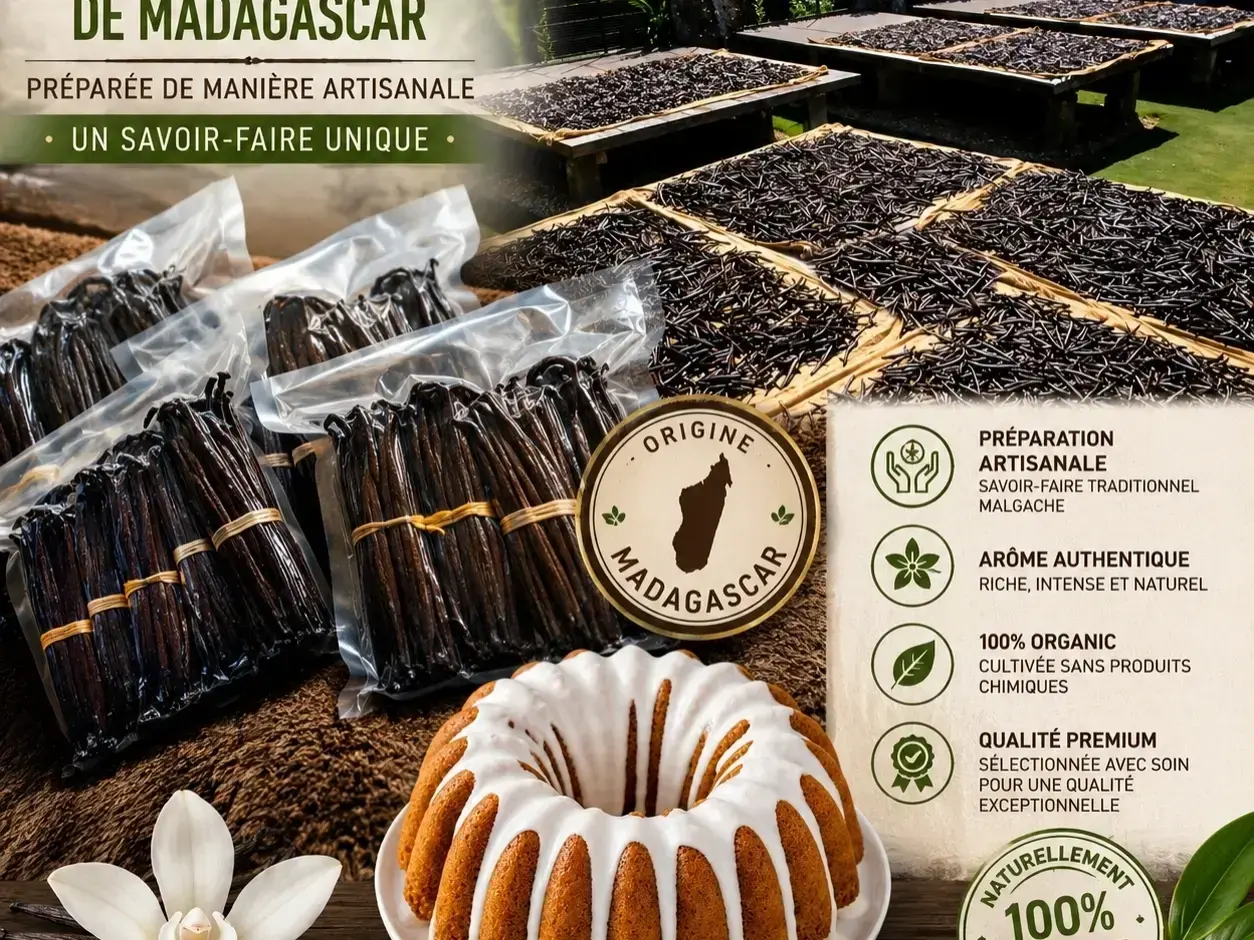
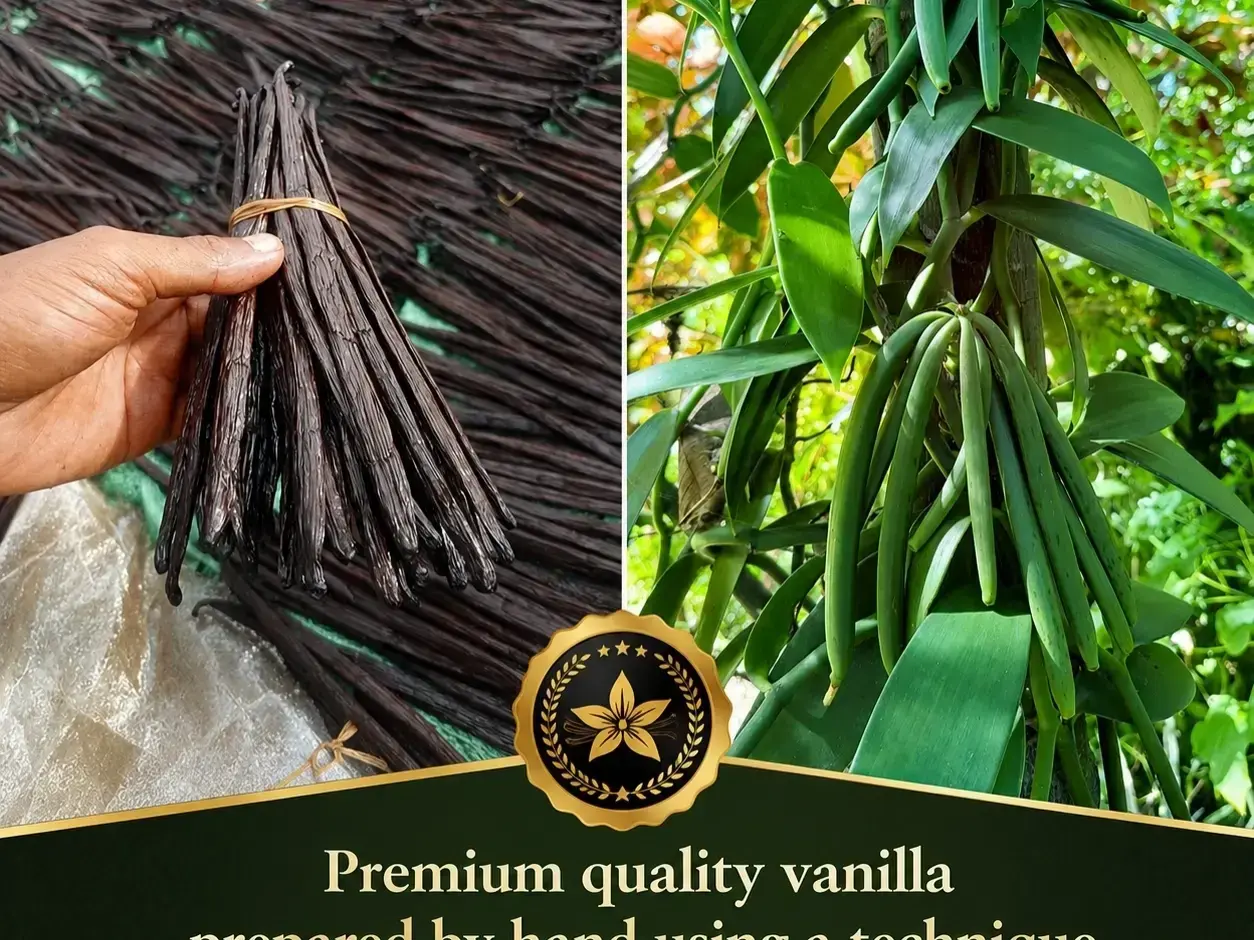
For Madagascar vanilla beans, the harvest and curing cycle matters because moisture and aroma can change fast after picking. Good exporters control drying and storage on the island, where inland transport delays can stretch lead times before port arrival. That pressure makes clean paperwork and careful handling essential for European food manufacturers.
Why European Buyers Source Vanilla from Madagascar?
European buyers source vanilla from Madagascar because the origin is linked to premium aroma, natural vanilla demand, and steady supply for food manufacturing. Madagascar also supports commercial-grade whole beans and processed vanilla ingredients that fit bakery, dairy, confectionery, and beverage formulas.
In practice, aroma, supplier skill, and export readiness keep Madagascar attractive for European procurement teams. Buyers also value an origin that can support both premium retail ingredients and bulk food processing needs. When the lot is handled well, it can meet agri-food import standards without losing the flavor profile manufacturers want.
Export Vanilla to Europe Requirements: Compliance Checklist
Export vanilla to Europe requires a compliance file that matches product identity, safety testing, origin proof, and customs documents. The exporter should prepare a clear commercial invoice, packing list, batch traceability, test results, and any organic or buyer-specific certificates before shipment.
| Requirement | What to Prepare | Why It Matters |
|---|---|---|
| EU food law | Product spec, ingredient identity, hygiene controls, and supply chain compliance record | Shows the lot meets import conformity and buyer expectations |
| Certificate of origin | Origin declaration and commercial shipping paperwork | Supports customs clearance and confirms Madagascar sourcing |
| Phytosanitary controls | Any required phytosanitary certificate, inspection record, and packaging hygiene evidence | Reduces border questions and protects entry into the EU |
| Lab testing | Certificate of analysis, contaminant testing, residue check, and moisture result | Confirms food safety, vanillin content, and quality grading |
| Traceability documents | Batch number, test report, lot history, and packing list | Lets the buyer trace each batch code from source to shipment |
| Organic certification | Valid certificate, claim wording, and supporting transaction records | Protects premium verification for organic vanilla extract or beans |
Most import files also include customs documents, buyer specification sheets, and origin details before the pallet moves. A good exporter checks labels, packaging, and the final shipment set against the order so EU vanilla import readiness is clear before departure.
Key Features EU Buyers Look for in a Vanilla Supplier
EU buyers look for vanilla suppliers that can deliver steady quality, fast documents, export-ready packing, and quick replies. The most valuable supplier features are batch consistency, compliant paperwork, lab-backed quality, and the ability to match specs for gourmet beans or vanilla extract.
Strong suppliers act like compliance partners, not just sellers. They make food export rules easier to manage by keeping paperwork clean, answering technical questions, and keeping each batch aligned with agri-food import standards.
Common Problems When Exporting Vanilla from Madagascar
Common export problems include uneven curing, moisture swings, damaged aroma, missing paperwork, and shipment delays at customs or transit points. These issues can lower quality grades, trigger buyer rejection, or slow EU clearance, so exporters must control drying, storage, and document accuracy.
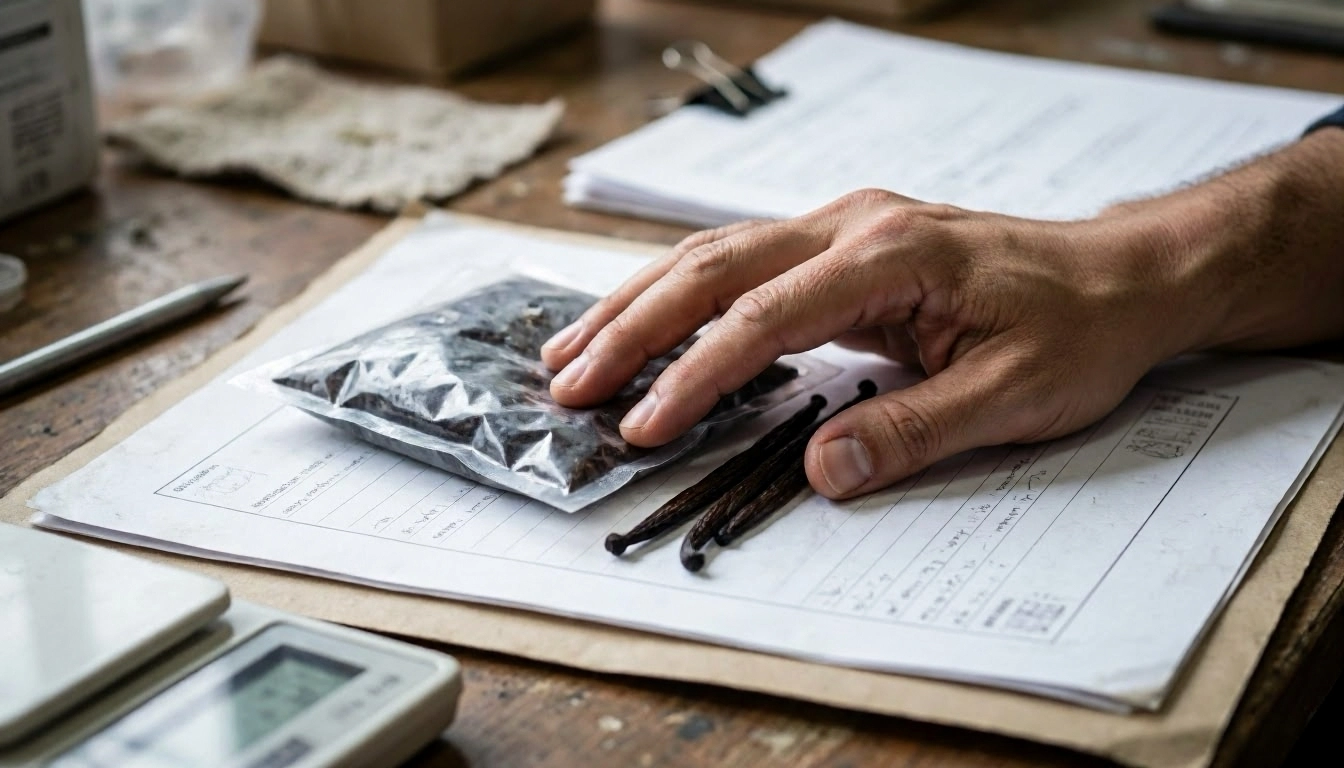
On the ground, regional infrastructure can make a short distance feel long, especially when trucks move from producing areas to port through slow inland links. That is why Madagascar exporters need tighter quality inspection, careful batch tracking, and complete shipping files before the pallet leaves the warehouse.
How Vanillababa Supports Europe-Bound Vanilla Orders?
Vanillababa supports Europe-bound vanilla orders by matching Madagascar sourcing with EU buyer needs for quality, traceability, and export documents. The service focus includes Grade A Gourmet Vanilla and Organic Vanilla Extract, helping food manufacturers source export-ready ingredients with clearer compliance and less procurement risk.
For buyers comparing suppliers, the value is practical: one partner can help with Madagascar sourcing, match buyer specification details, and keep the file organized for customs clearance. That approach cuts back-and-forth for European teams that need dependable supply chain compliance. It also helps each batch move with the right test report, origin declaration, and packing records.
What a First Purchase Package Should Include?
- Sample approval so the buyer can check aroma, size, moisture, and use fit before a larger order.
- A clear spec sheet covering grade, vanillin content, pack format, and label details.
- A current test report with the certificate of analysis and any relevant contaminant testing.
- Written shipment terms that explain packing, lead time, customs documents, and delivery responsibility.
Frequently Asked Questions
Author: Randrianantenaina Landry
Related Resources
Cost Comparison: Grade A Gourmet Vanilla vs Grade B Vanilla (Madagascar Bourbon)
how much does Grade A vs Grade B Madagascar vanilla cost
What It CostsPricing Guide: Whole Pods, Vanilla Cuts, Extract, Paste and Powder
how much does vanilla extract paste powder pods cost
What It CostsExport Pricing to China, Asia, Europe, America and UAE: Freight, Duties and Landing Costs
how much does it cost to export Madagascar vanilla to China/Europe/USA/UAE
What It CostsCertification & Traceability Costs: Organic, Batch Traceability and Export Documentation Premiums
how much extra does organic certification and traceability add to vanilla export cost