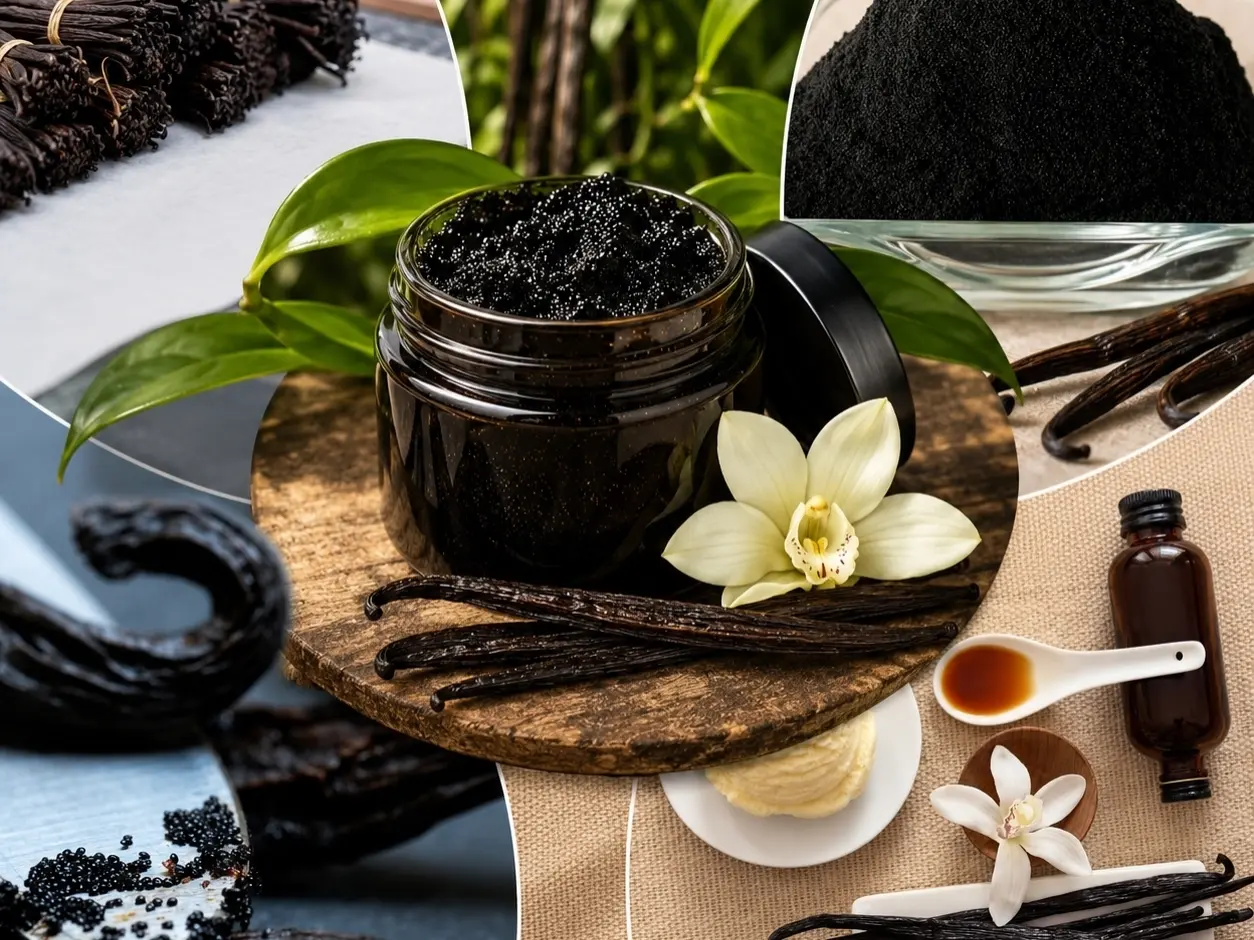
Export Vanilla to China for Importers from Madagascar
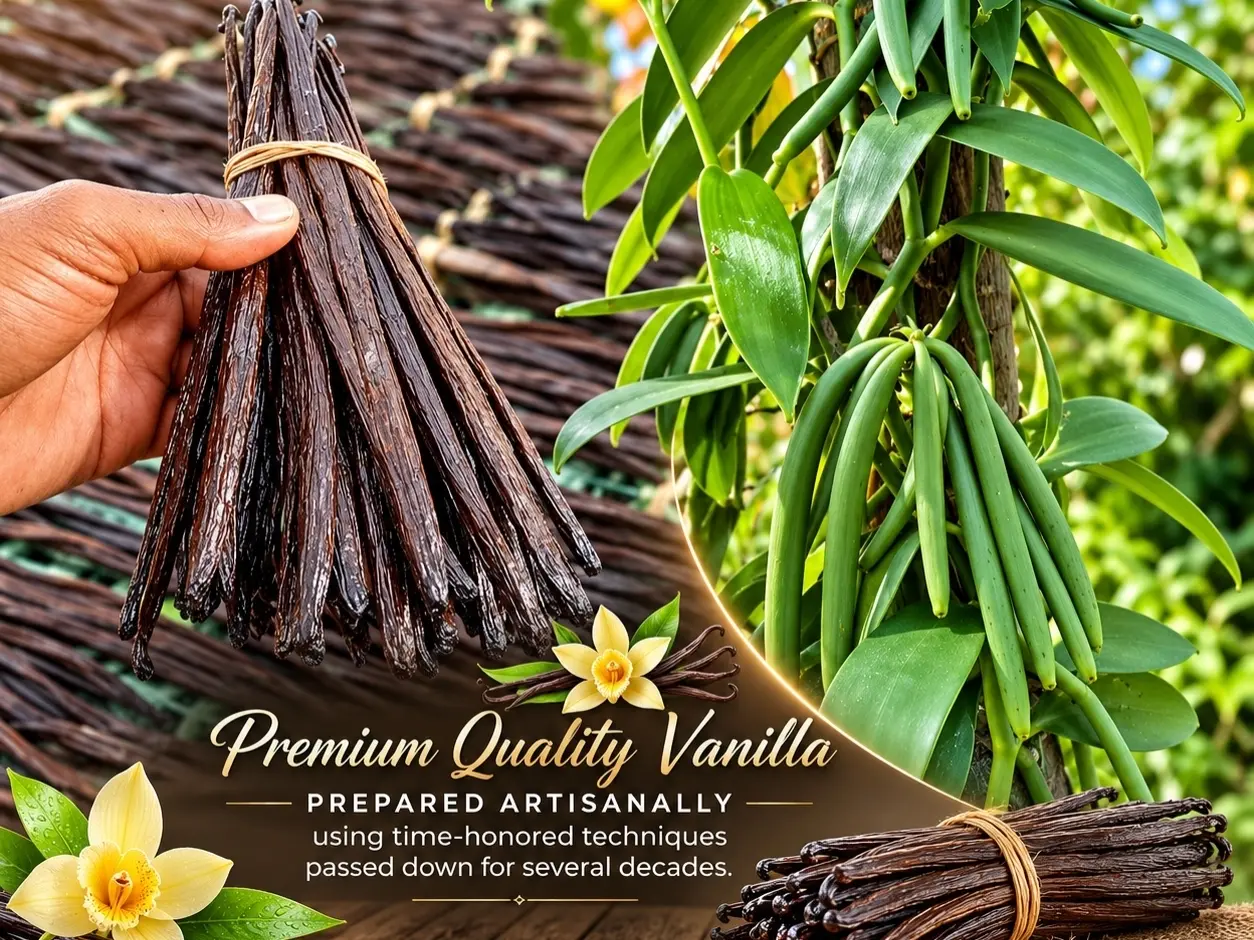
Vanillababa exports vanilla to China for Chinese importers from Madagascar. We supply Grade B vanilla and vanilla powder with export-ready paperwork, steady sourcing, and quality that fits food, drink, and ingredient buyers. Chinese importers need a Madagascar supplier that can manage origin, moisture, aroma, grading, packaging, and shipment coordination. That helps the vanilla meet buyer specs and arrive ready for processing or resale.
Why Chinese Importers Buy Madagascar Vanilla?
Chinese importers buy Madagascar vanilla because it has a known origin, a strong aroma, and steady use in food work. It fits beverage blending and ingredient resale too. For importers, the main value is simple: match good quality, steady supply, and export readiness to China buyer specs.
Madagascar’s tropical climate and curing conditions shape vanilla aroma and bean quality. That affects export value for Chinese importers. Local sourcing and transport in Madagascar can also change lead time and supply consistency, so buyers need a supplier that handles collection and consolidation carefully.
Grade B Vanilla and Vanilla Powder for the China Market
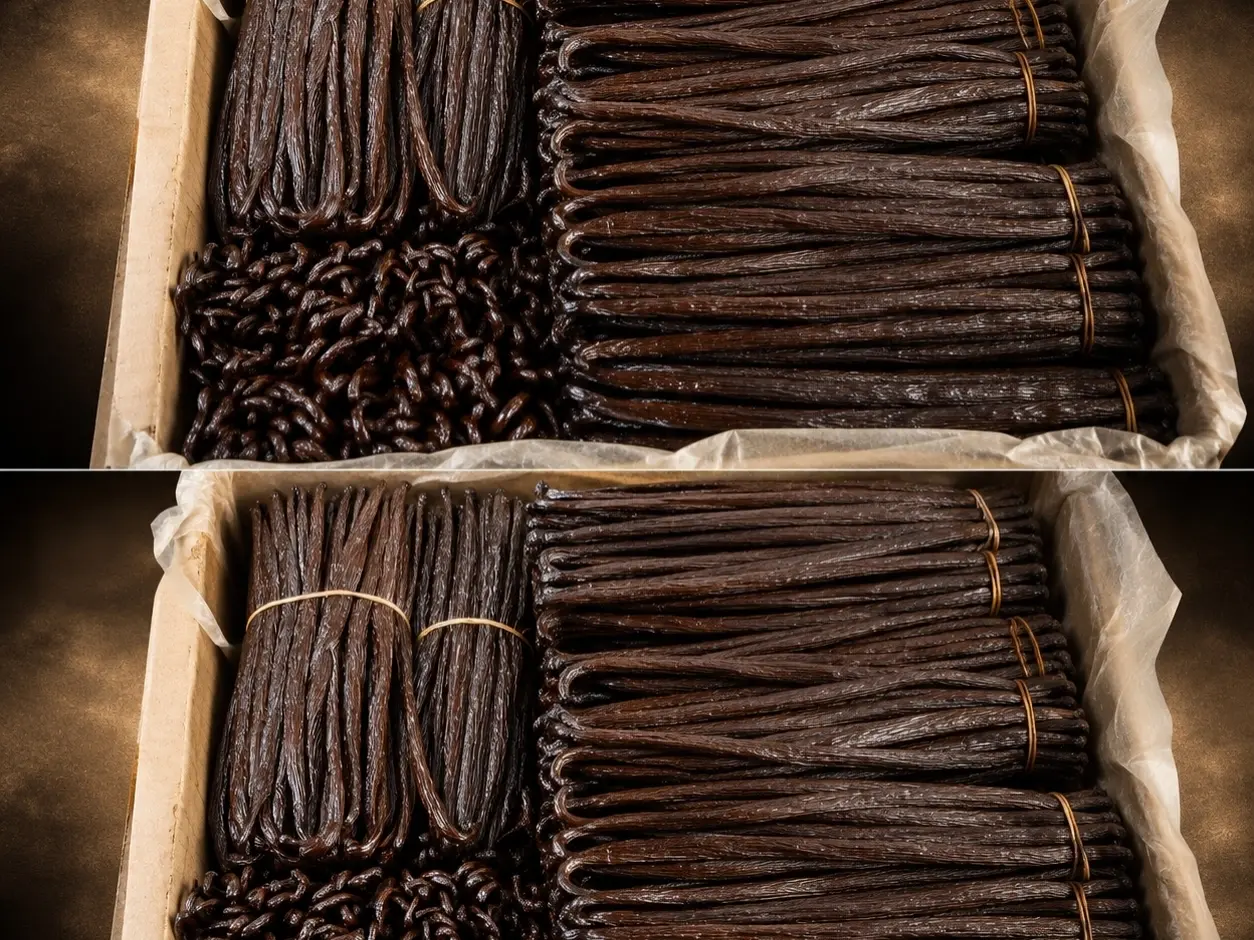
Grade B vanilla and vanilla powder serve Chinese importers who need practical bulk ingredients for extraction, flavoring, baking, dairy, and processed foods. Grade B beans suit buyers who want a lower-moisture industrial grade at a better price. Vanilla powder fits uses that need easy blending, simple storage, and steady dosing.
| Product | Best use in China | Buyer benefit | Supply note |
|---|---|---|---|
| Grade B vanilla | Extraction, industrial flavoring, food ingredient trade | Economical bulk vanilla with useful aroma and lower moisture content | Often chosen by buyers who need Grade B Madagascar vanilla beans for processing |
| Vanilla powder | Dry mixes, baking, dairy, seasoning blends | Easy blending and stable dosing in factory lines | Helpful where shipment packaging and storage space matter |
| Vanilla beans | Resale, extraction, premium ingredient supply | Direct use as bulk cured vanilla with recognizable origin value | Best when the importer wants whole meronyms such as beans and powder in one sourcing plan |
| Bulk ingredient supply | Large food ingredient trade orders | Supports repeat purchasing and planning | Usually depends on sample approval and importer requirements before dispatch |
For buyers comparing vanilla sourcing options, the right choice depends on the end use, grade specification, and moisture content needed for the factory. In many cases, vanilla export buyers in China combine beans and powder. That helps them balance extraction needs with fast blending in finished products.
Key Features Chinese Buyers Expect from a Madagascar Supplier
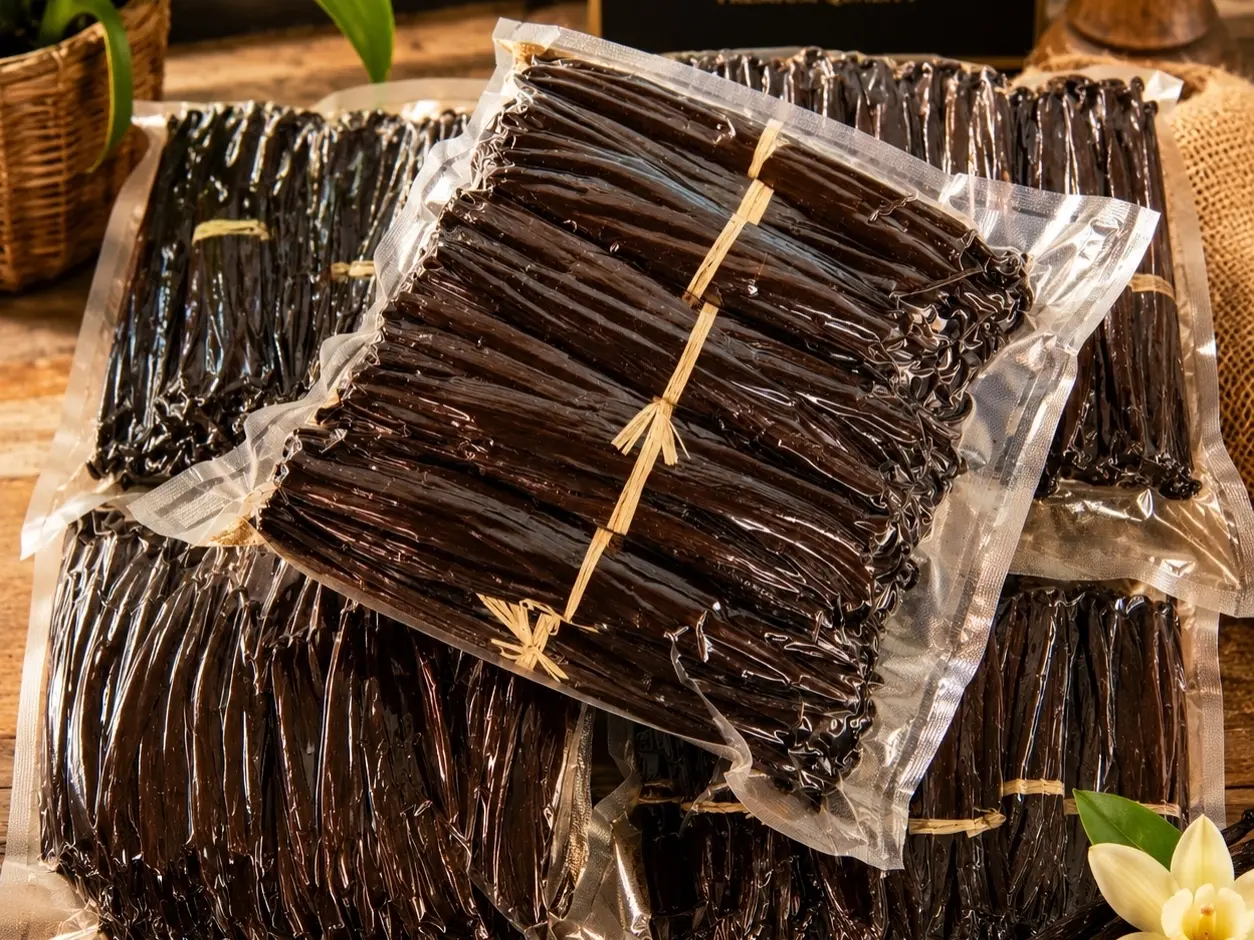
Chinese buyers expect a Madagascar vanilla supplier to deliver steady grading, reliable aroma, clean packaging, and shipment-ready documents. The most important features are product stability, traceable origin, export coordination, and the ability to match importer specs for moisture, appearance, and end use.
Rainy-season humidity can raise drying and storage risk in Madagascar. That makes moisture control and packaging critical before export. A capable supplier plans for that local weather by using better drying checks, sealed packing, and faster consolidation from sourcing points to export-ready stock.
What Makes a Supplier Easy to Work With?
A good supplier is easy to work with when export documents, sample approval, and communication are clear from the start.
- Export documentation is prepared early and shared in a simple format.
- Sample approval is handled before mass packing so buyer expectations stay aligned.
- Communication is direct, timely, and specific about grade specification and lead time.
- The supplier confirms packaging, shipment packaging, and loading steps without confusion.
- A responsive exporter reduces back-and-forth during customs clearance and dispatch planning.
Common Challenges When Importing Vanilla into China
The main challenges when importing vanilla into China are uneven quality, moisture damage, customs delays, and mismatched specs between supplier and buyer. Chinese importers reduce risk by asking for clear grading, sample approval, proper packaging, and export documents before shipment leaves Madagascar.
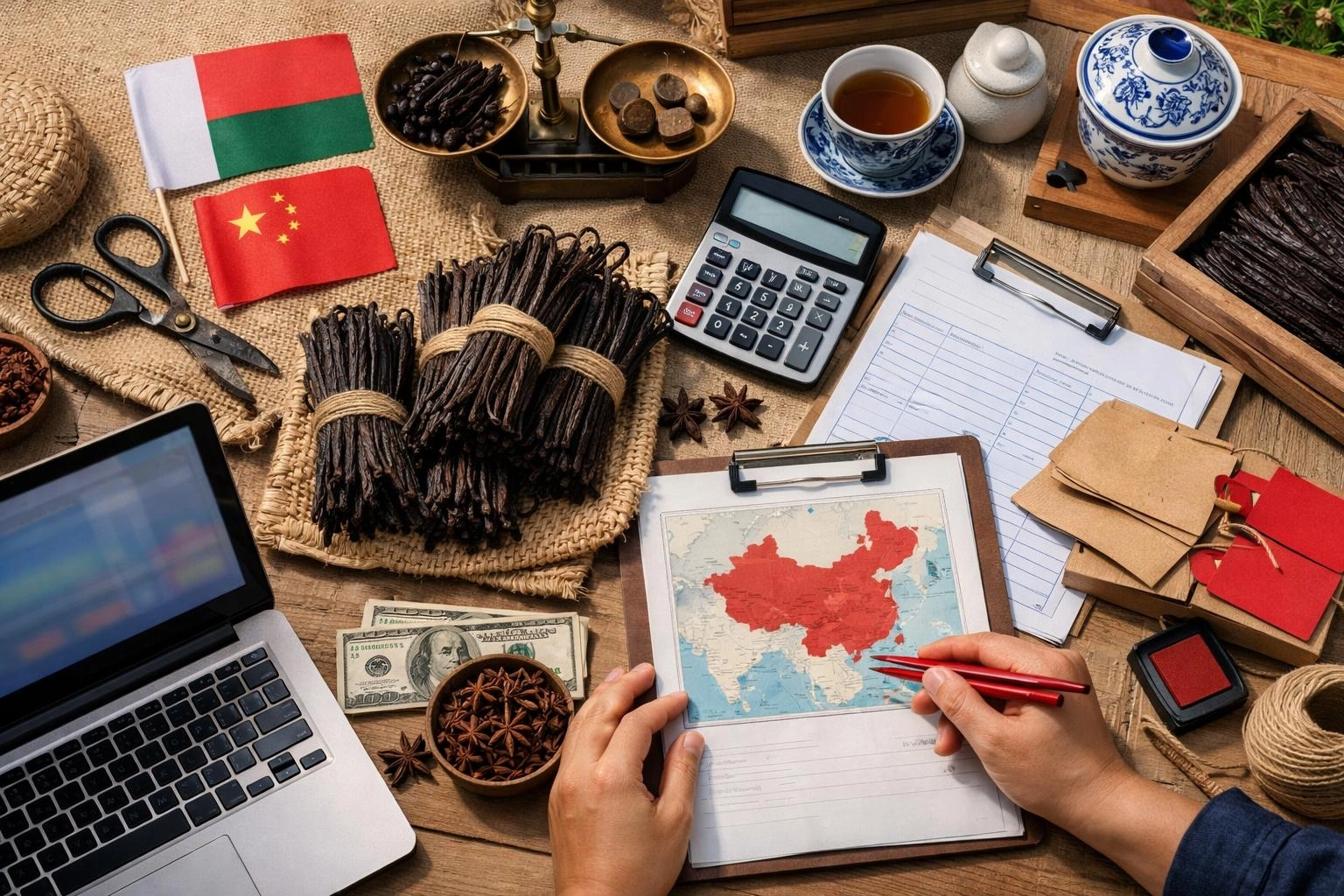
How Vanillababa Supports Chinese Importers from Madagascar?
Vanillababa supports Chinese importers by sourcing vanilla in Madagascar, preparing Grade B vanilla and vanilla powder for export, and matching supply to importer requirements. The service gives buyers a managed sourcing path. It helps them secure origin-based vanilla without handling every production, packing, and shipping detail alone.
What to Check Before You Place an Order?
Before you place an order, confirm the spec sheet, sample, commercial invoice, and incoterms so the shipment matches your China import plan. These checks reduce risk, protect origin traceability, and help the importer and supplier agree on quality control before goods move from Madagascar.
It also helps to confirm whether the supplier can support follow-up orders. Steady bulk vanilla supply is often more valuable than a one-time shipment. Chinese importers usually prefer clear paperwork, simple communication, and proof that the lot is ready for export readiness before they commit funds.
Ready to Source Vanilla from Madagascar for China?
If you are looking for a quotation, send a buyer inquiry with your supply request, target grade, and pack size so the right Madagascar lot can be matched to your needs. We can help Chinese importers compare vanilla beans and vanilla powder for compliant, reliable export supply.
Request a quotation or send your buyer inquiry to start a supply request for China.
For importer requirements, sample approval, export documents, and shipment packaging, contact the team early so the order can move with fewer delays.
Frequently Asked Questions
Author: Randrianantenaina Landry
Related Resources
Cost Comparison: Grade A Gourmet Vanilla vs Grade B Vanilla (Madagascar Bourbon)
how much does Grade A vs Grade B Madagascar vanilla cost
What It CostsPricing Guide: Whole Pods, Vanilla Cuts, Extract, Paste and Powder
how much does vanilla extract paste powder pods cost
What It CostsExport Pricing to China, Asia, Europe, America and UAE: Freight, Duties and Landing Costs
how much does it cost to export Madagascar vanilla to China/Europe/USA/UAE
What It CostsHow Seasonality and Pre-Harvest Contracts Affect Vanilla Prices in Madagascar
how does Madagascar vanilla season affect prices and what do pre-harvest contracts cost