Trusted Local Service Experts
Pricing Tiers (Basic / Standard / Premium) — Typical Madagascar Ranges
| Tier | Typical Product | Retail range (per kg) — typical | Wholesale range (per kg) — typical | Notes |
|---|---|---|---|---|
| Basic | Grade B Vanilla (extract beans) | $120–$300 | $60–$180 | Low moisture, split or cured down for extract use; good vanillin percentage for industry. |
| Standard | Mixed lots—split Grade A/B | $200–$500 | $100–$300 | Balanced for small food producers; moderate moisture content and curing quality. |
| Premium | Grade A Gourmet Vanilla (Madagascar Bourbon) | $400–$900 | $200–$600 | High moisture content, intact appearance, high vanillin percentage; DOC-style origin premium. |
These tiers describe typical Madagascar Bourbon pricing by product quality and are useful when comparing specialty spices versus bulk agricultural commodity buys. Wholesale lot discounts and minimum order quantity change where your order lands in these ranges, so check each supplier's wholesale lot terms.
How price-per-unit converts (kg, lb, per-bean) and sample math?
Direct answer: Convert typical price per kg to pounds and per-bean estimates by using 1 kg ≈ 2.2046 lb and dividing by average beans per kg (about 80–200 depending on bean size).
For example, a typical Grade A retail at $500 per kg is about $227 per pound. If a kg holds ~120 whole beans, the price per bean is roughly $4.20. For Grade B at $200 per kg, that is about $91 per pound and ~$1.67 per bean at 120 beans/kg. These are illustrative ranges; actual weight and beans per kg vary by pod size and moisture content.
When you calculate costs for recipes or extracts, use the price per kg and convert to price per pound for markets that use imperial units, and account for yield loss during splitting or extraction in your final cost math.
Primary Cost Drivers for Madagascar Bourbon Vanilla
Quick answer: The biggest cost drivers are moisture content, curing quality, and seasonality, which together determine grade, shelf life, and the vanillin percentage buyers pay for.
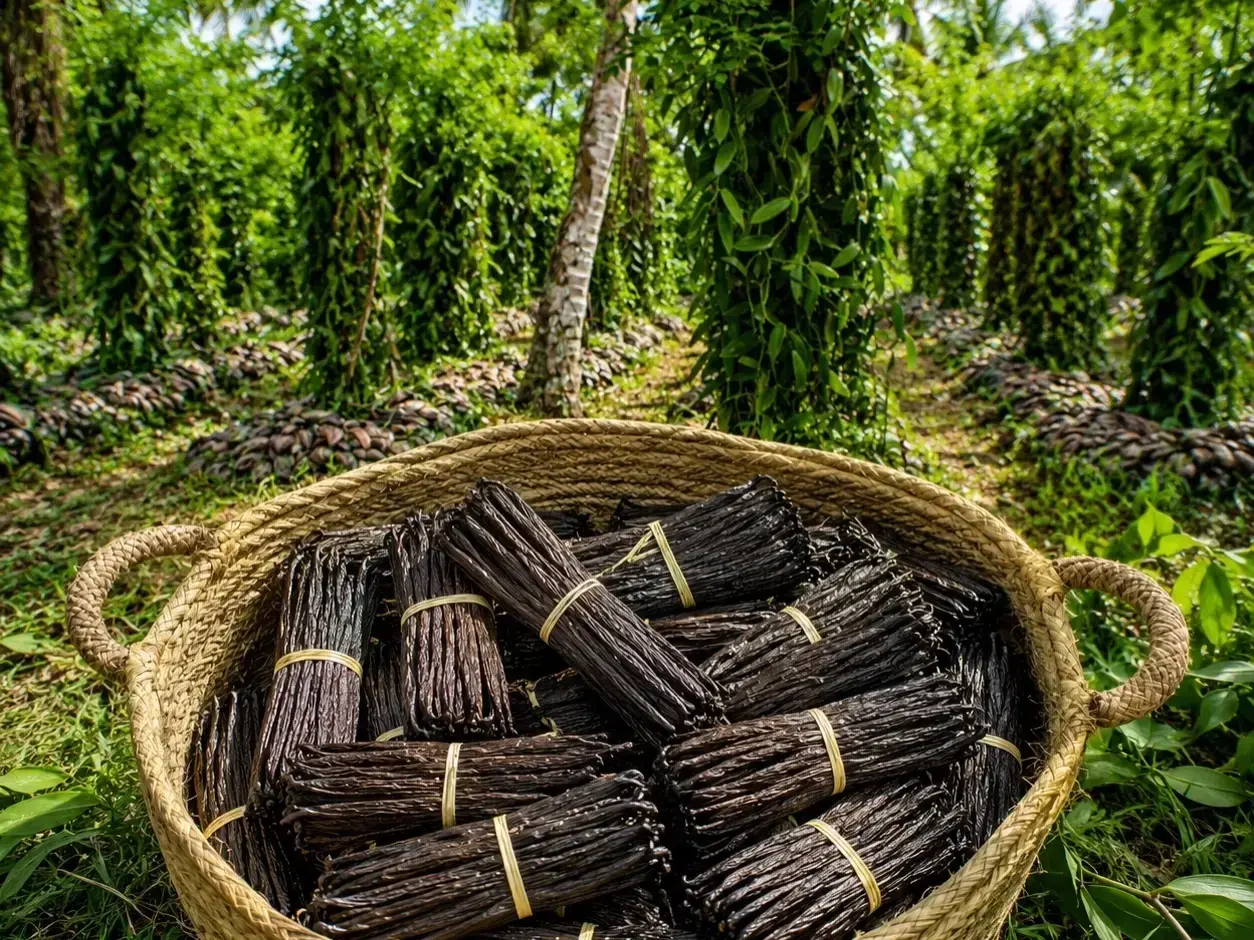
Moisture content matters because high-moisture pods keep glossy appearance and weight, commanding higher prices as Grade A Gourmet Vanilla. Dry or low-moisture beans often move into Grade B or split-bean lots used for extract, lowering per-kg value.
Curing quality affects aroma and extractable flavor. Well-cured Bourbon beans develop higher vanillin percentage and stable seed paste, which increases value for chefs and parfumiers. Poor curing reduces flavor and pushes beans to industrial uses.
Seasonality and harvest year change supply dramatically. Madagascar has peak harvests and off-seasons; during tight supply years, auction prices and export tax effects can lift typical ranges. Buyers should plan for seasonal swings and the supply chain steps that add shipping costs, export tax, and handling fees.
Other drivers include bean size (hyponyms: Grade A gourmet beans vs Grade B extract beans), lot size, and whether the seller offers inspection and traceability. Vanillababa and Other wholesalers often show vanillin percentage and moisture readings on samples to justify tiers.
Wholesale vs Retail: What Vanillababa Offers and How Costs Change
Short answer: Vanillababa sells wholesale vanilla beans with tiered pricing, sample policies, and volume discounts that lower the per-kg cost compared with retail; wholesale lot size and minimum order quantity are key to the discount.
Retail buyers pay a premium for small-quantity convenience and packaged Grade A Gourmet Vanilla. Wholesale vanilla beans buyers, including food manufacturers and extract houses, buy by wholesale lot with a minimum order quantity to access lower per-kg prices. Vanillababa's seller policies, such as sample policy and shipping terms, can also affect landed cost because shipping and export tax for Madagascar Bourbon origin add to final prices. For clarity, ask for vanillin percentage and moisture content reports when sourcing wholesale.
5 Money-Saving Tips for Buying Madagascar Vanilla
- Buy bulk for discounts: Larger wholesale lot sizes and higher minimum order quantity usually produce the best per-kg savings.
- Match grade to use: Use Grade B for extract or industrial production and save on premium Grade A beans reserved for retail or gourmet use.
- Inspect moisture and curing: Request moisture content and curing quality reports to avoid overpaying for poorly cured or overly dry beans.
- Request samples: Use vendor sample policy (for example from Vanillababa) to test vanillin percentage and extract yield before a big purchase.
- Plan for seasonality: Buy ahead of tight harvest windows to reduce exposure to auction-driven price spikes and export tax timing.
Cost-to-Use: Price per Recipe and Industrial Cost Examples
Front-loaded answer: Recipe-level cost depends on final vanillin percentage and extract yield; using Grade A beans raises per-recipe cost significantly versus Grade B unless you extract efficiently.
For a home vanilla custard that needs 1 whole Grade A pod, the cost equals the per-bean price shown in tier math—often several dollars per recipe when using premium Bourbon beans. For extract makers, consider vanillin percentage and expected extract yield. Conversely, a perfumery or premium food brand may accept higher per-recipe costs from Grade A Gourmet Vanilla because intact appearance and aroma matter. Always calculate cost per final unit: convert price per kg to price per liter of extract using your lab's extract yield and vanillin extraction efficiency.
FAQs: Common Cost Questions About Madagascar Vanilla
Frequently Asked Questions
Author: Randrianantenaina Landry
images/image-h-1.webp
/contact/
Related Resources
Madagascar Vanilla Export: Step-by-Step Export Process for Bourbon Vanilla
How It WorksSourcing & Contracting Process for Vanilla Export: Pre-harvest Contracts and Supplier Verification
How It WorksVanilla Curing, Processing and Grading: Preparing Pods for International Export
How It WorksOrder Management & Buyer Fulfilment Process for International Vanilla Purchases