Trusted Local Service Experts
Packaging considerations: preserving quality and retail presentation
Good packaging protects vanillin content and moisture percentage while increasing shelf appeal; start with vacuum or resealable options for retail.
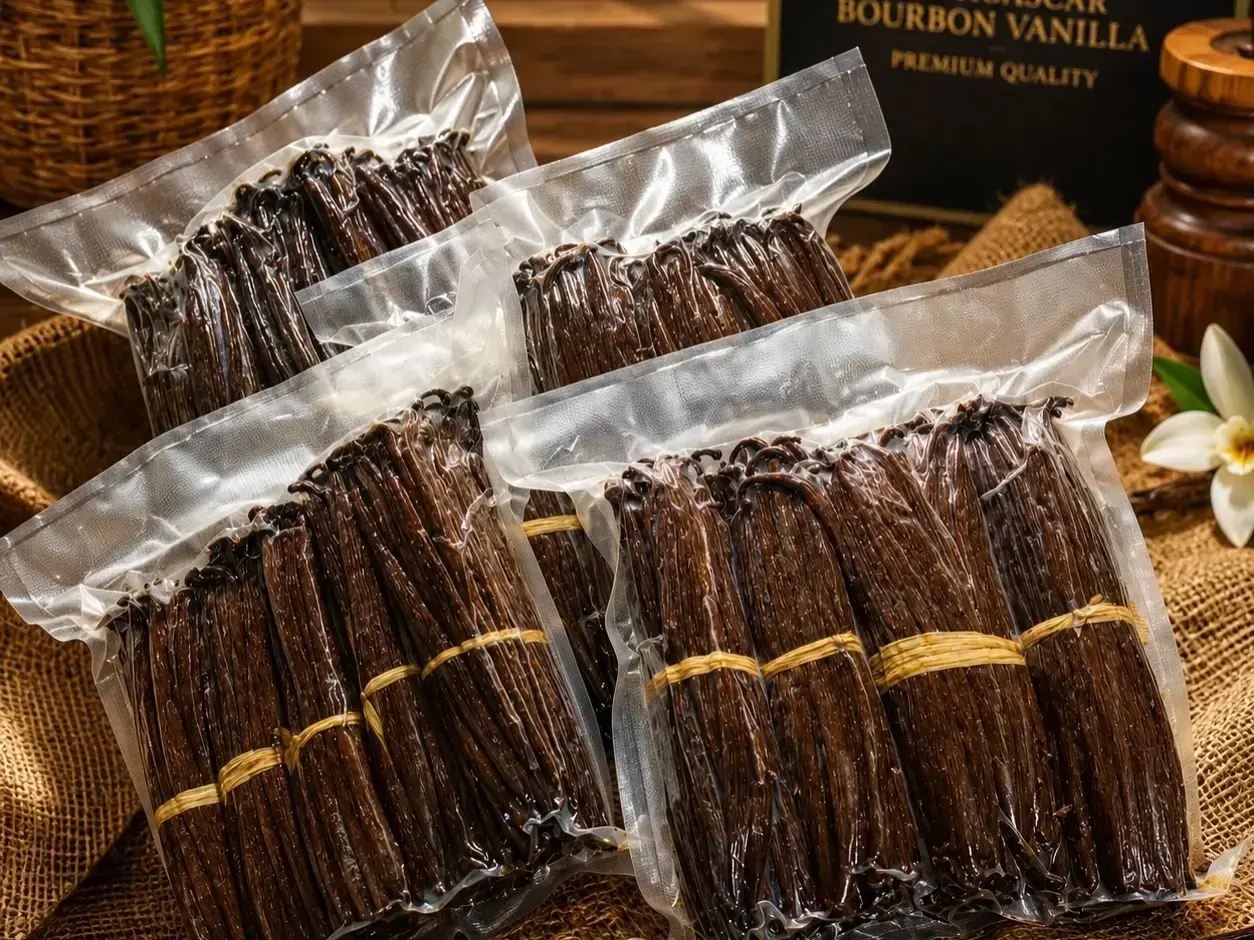
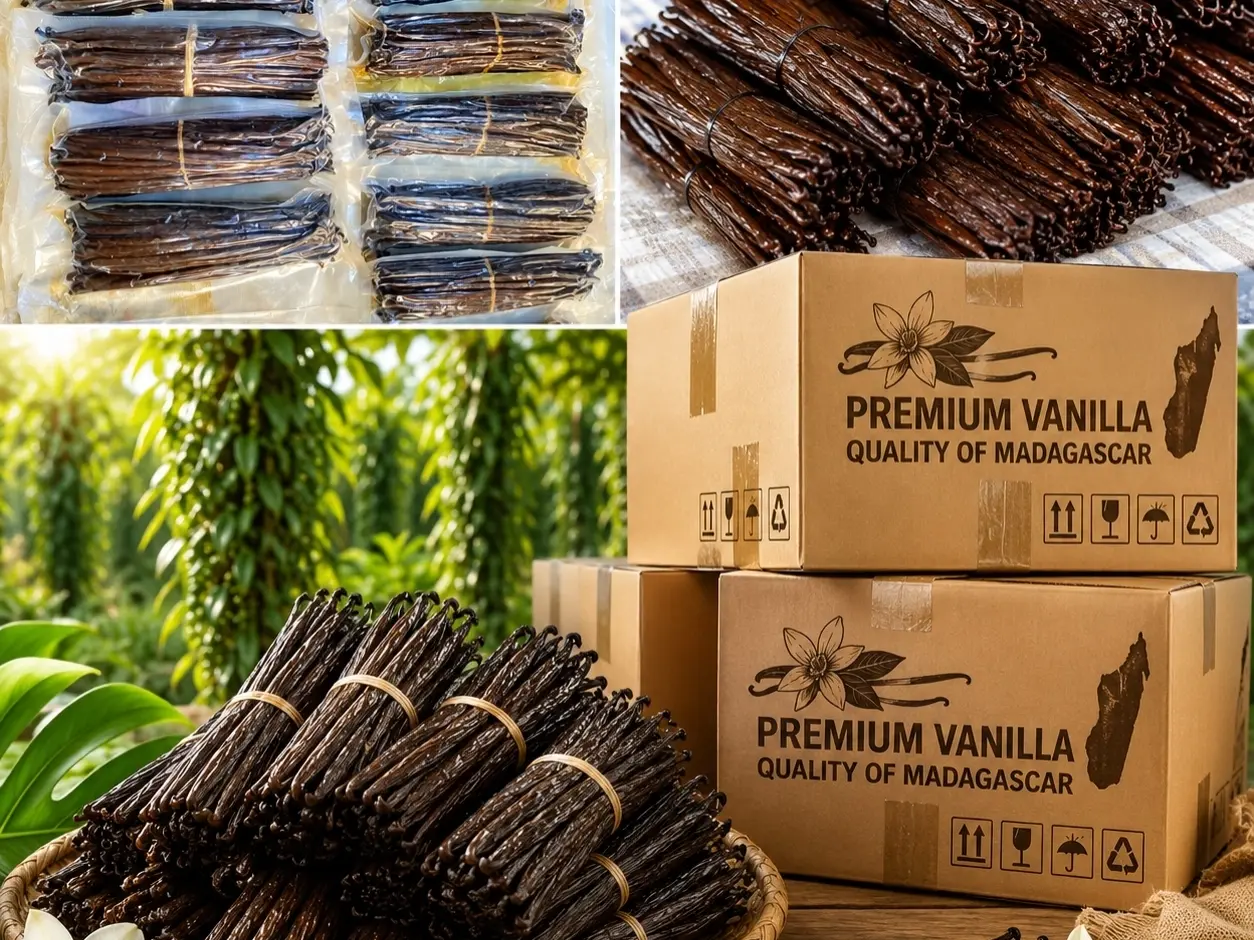
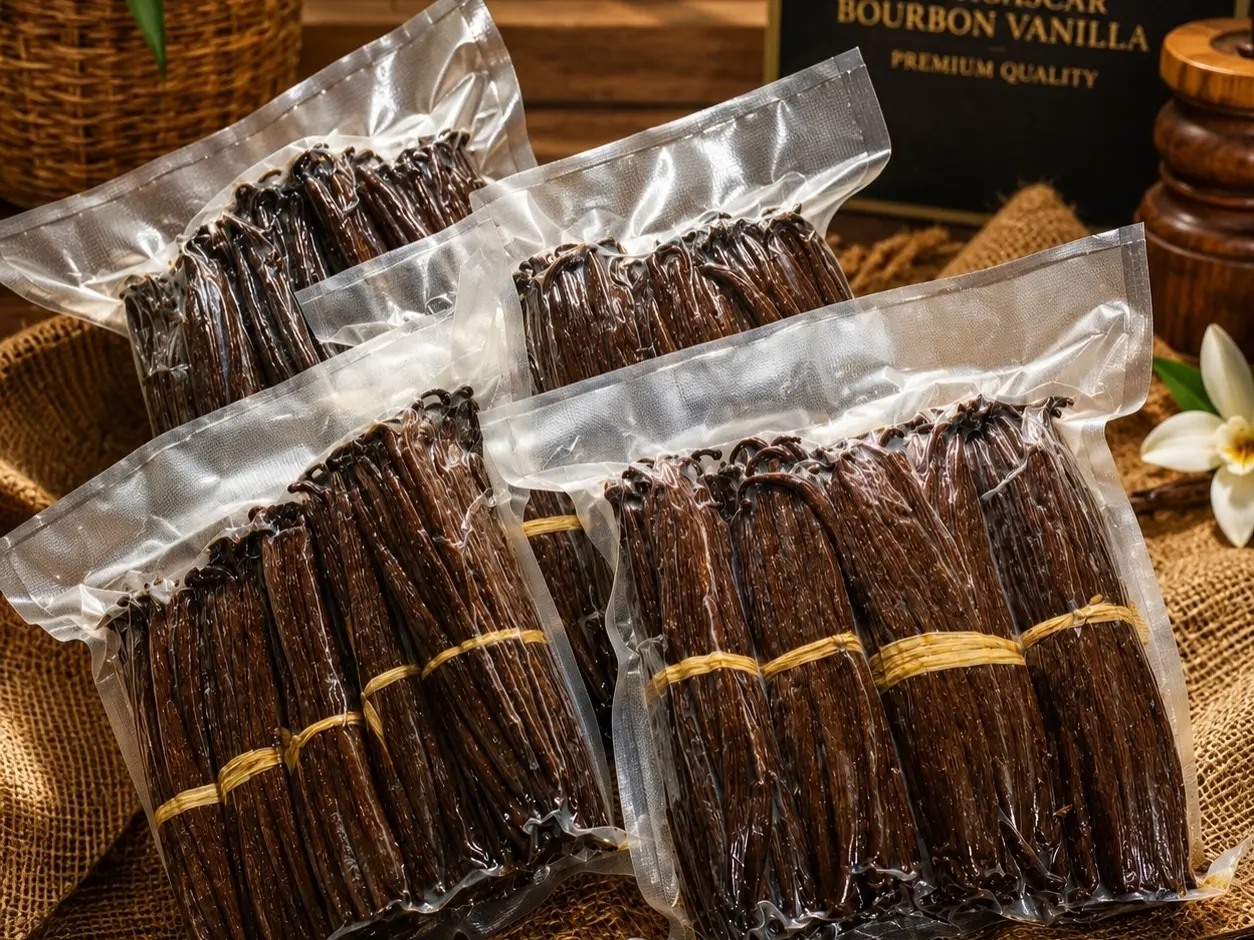
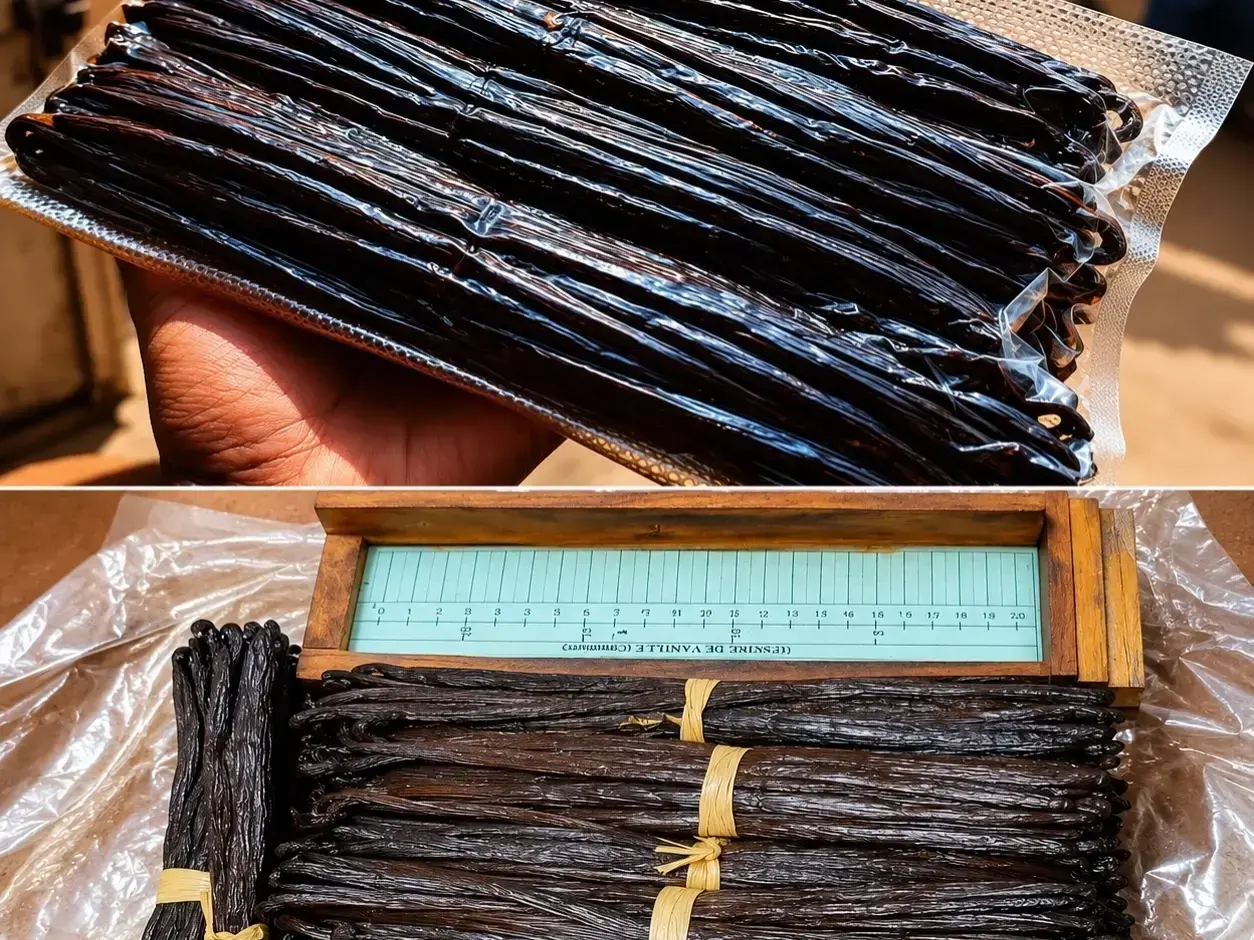
Packaging options must balance protection, cost and perceived value. For premium lines, vacuum sealing or glass jars reduce oxygen and moisture swings that harm organoleptic quality and vanillin content. Resealable packs with humidity-absorbing inserts help maintain bean length appearance and prevent split vanilla—common when handling is rough. For export, clear labeling with vanilla grading, bean length and curing notes reassures importers. Packaging suppliers in Madagascar can provide display-ready solutions and industrial pouches; choose based on target retail markup and whether the product is gourmet grade or intended as split vanilla for processors.
Packaging formats best suited for extra long pods
- Glass jars with fitted lids — showcase bean length and prevent crushing; ideal for gourmet grade vanilla and retail shelves.
- Vacuum-sealed flat pouches with clear window—preserve vanillin content and moisture percentage while showing long vanilla beans.
- Presentation boxes or gift sets—combine with inserts to avoid split vanilla and display the pods as a premium product variant.
- Minimal handling and individual lot labeling—include bean length and curing process notes to support higher pricing per kg.
Packaging formats best suited for short pod vanilla
- Industrial pouches and lined sacks — cost-effective for bulk or extract-grade vanilla where display is secondary.
- Resealable heavy-duty foil bags—protect moisture percentage during storage and transit for processing buyers.
- Bulk crates with inner liners—reduce splits and cuts when moving large volumes to exporters or processors.
- Mixed-lot labels for grade B/C—clearly mark when product is intended for vanilla extract or split vanilla processing.
Pricing comparison and cost drivers (farmgate to retailer)
Extra long pods command higher pricing per kg at retail; cost drivers include bean length, vanillin content, moisture percentage and handling.
Pricing per kg depends on quality grades (length, moisture, vanillin) and where value is added. Farmgate price in Madagascar shifts with season and auction demand; typical commercial practice separates long vanilla beans for higher farmgate and exporter bids. Processing, curing process control, vacuum sealing and packaging increases costs but supports higher retail markup. Short pod vanilla usually shows lower per-kilo prices because buyers accept lower bean length and more splits or grade B/C classification. When calculating final price, include transport, export fees, packaging (vacuum or jars), and expected retail markup—most deals show sizable markups for premium packages versus thin margins for bulk extract-grade sales.
Pros and cons: Extra long pods (pros/cons) and Short pod vanilla (pros/cons)
Extra long pods offer premium appeal but need careful handling; short pods reduce cost and speed up processing but may fetch lower prices.
| Option | Pros | Cons |
|---|---|---|
| Extra long pods vanilla |
|
|
| Short pod vanilla |
|
|
Retail appeal checklist: who to pitch each pod type to
Choose extra long pods for premium buyers and short pod vanilla for volume-focused or processing customers.
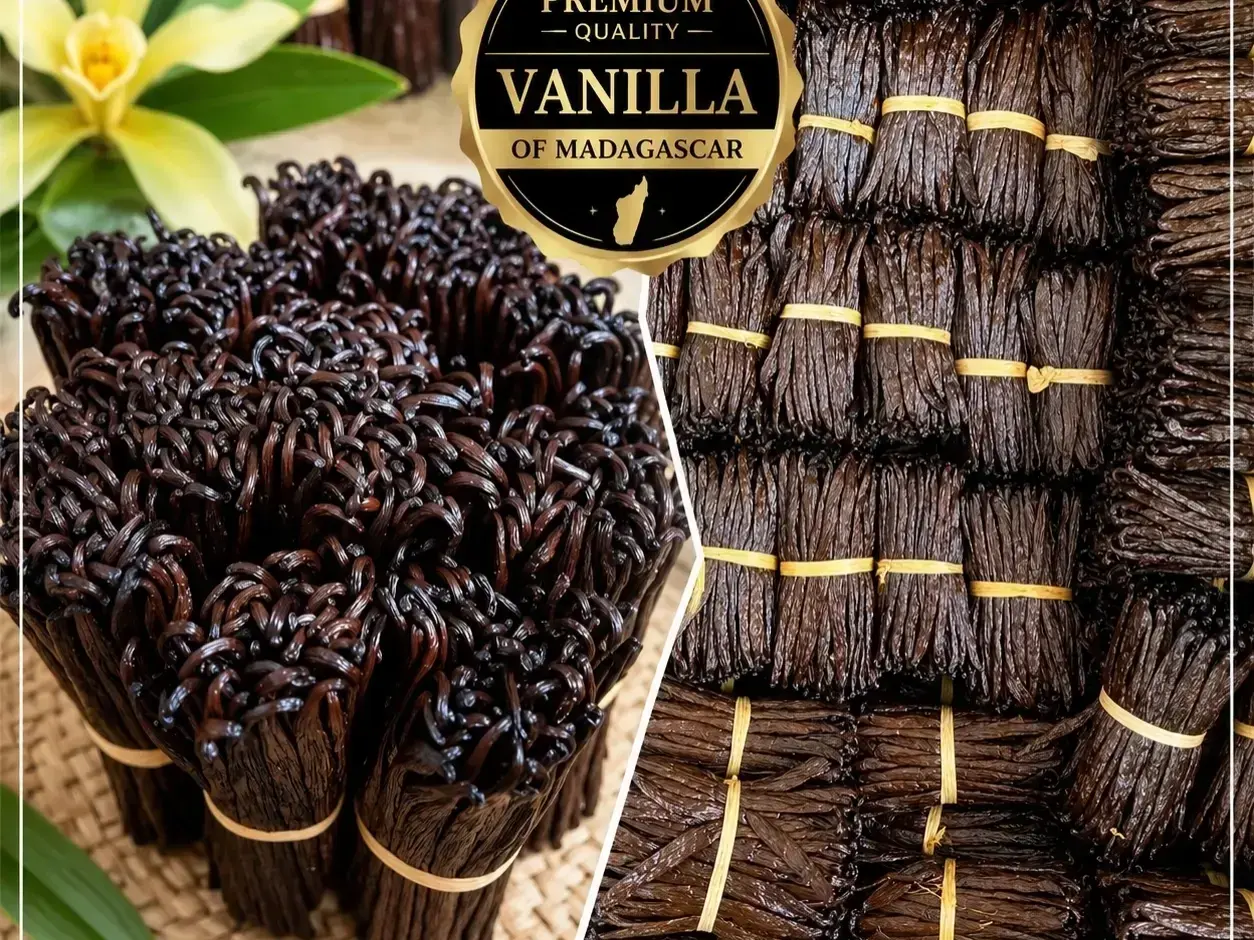
- Pitch extra long pods to boutique retailers, artisan food brands and gourmet chefs who value bean length, organoleptic quality and elegant packaging (glass jars, vacuum pouches).
- Offer short pod vanilla to food manufacturers, extract producers and bulk exporters where pricing per kg and quick processing matter more than display.
- When selling to exporters or auctions, supply clear vanilla grading that lists bean length, moisture percentage and vanillin content to avoid grade disputes.
- Consider mixed strategies: reserve long vanilla beans for premium packaged lines and route short beans or vanilla cuts to industrial pouches for processors.
Frequently Asked Questions
If you need tailored packaging or market advice for Madagascar vanilla, contact our export support team.
Contact: /contact/
Related Resources
Pricing Guide: Whole Pods, Vanilla Cuts, Extract, Paste and Powder
How It WorksVanilla Curing, Processing and Grading: Preparing Pods for International Export
Types & CategoriesGrade B Vanilla Export (Manufacturing & Industrial Grade) from Madagascar
Types & CategoriesBlack Bourbon Vanilla Export Options from Madagascar