What is Vanilla Market?
Vanilla Market is a global network of buyers, sellers. And traders who exchange vanilla beans, extracts. And related products. It includes factors like supply, demand, pricing. And quality standards that influence trade. This market affects how vanilla is grown, processed.
Quick Facts About Vanilla Market
Category
Agricultural commodity market
Used for
Sourcing, trading. And pricing of vanilla products
Common confusion
Confused with vanilla extract or vanilla flavoring
Also called
Vanilla Trade, Vanilla Commodity Market
Often discussed with
Export vanilla to Europe, Vanilla Cuts - Split vanilla
Key Takeaways About Vanilla Market
- Vanilla Market involves trade of vanilla beans, extracts.
- Supply and demand directly affect pricing and availability.
- Quality standards ensure product consistency and buyer trust.
Understanding Vanilla Market
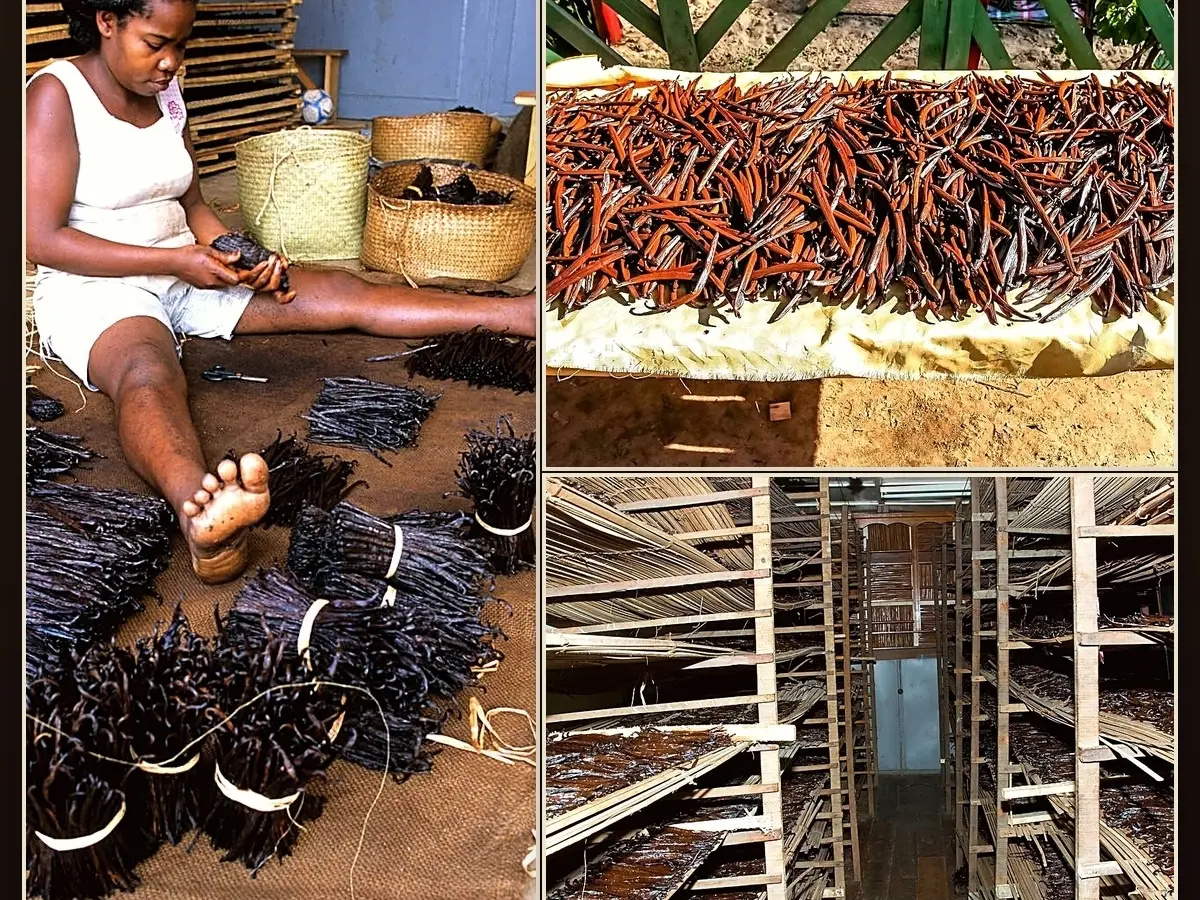
Vanilla Market refers to the global system where vanilla products are bought, sold, and traded. It includes all participants in the supply chain, from farmers who grow vanilla beans to companies that process and distribute them. This market is influenced by factors such as climate, farming practices, and consumer demand. The market also involves different grades of vanilla, with higher quality beans typically commanding higher prices. Understanding the Vanilla Market helps stakeholders make informed decisions about production, pricing, and trade.
Related glossary terms: Vanilla Beans, Vanilla Export, Vanilla Quality.
Vanilla is primarily grown in tropical regions, with Madagascar being one of the largest producers. The market is affected by the availability of vanilla beans, which can be impacted by weather events or pests. When supply is low, prices tend to rise. And when supply is high, prices may drop. This dynamic makes the Vanilla Market sensitive to global economic and environmental conditions. Buyers and sellers must monitor these trends to manage risks and opportunities effectively.
How Vanilla Market Works, Is Measured, or Is Used?
The Vanilla Market operates through a combination of direct sales, auctions. And contracts between producers and buyers. Prices are often determined by the quality of the vanilla, with factors like pod length, aroma. And moisture content playing a role. Market reports and price indices help track trends and provide benchmarks for buyers and sellers. These reports may include data on production volumes, import and export figures. And price fluctuations over time.
Vanilla Market is measured using various indicators, such as the cost of vanilla beans per kilogram, the volume of trade, and the number of participants in the market. These metrics help assess the health and stability of the market. For example, a sudden increase in prices might signal a shortage in supply or increased demand. Buyers often use these indicators to negotiate better terms or adjust their purchasing strategies. The market also includes different types of vanilla, such as Bourbon, Tahitian, and Mexican vanilla, each with its own characteristics and price range.
Why Vanilla Market Matters?
The Vanilla Market is important because it directly affects the availability and cost of vanilla products. Vanilla is a key ingredient in many food and fragrance products, making it a valuable commodity. When the market is stable, businesses can plan their production and pricing more effectively. But when the market is volatile, it can lead to higher costs for consumers and challenges for producers. Understanding the Vanilla Market helps stakeholders anticipate changes and make informed decisions.
For farmers, the Vanilla Market influences their income and sustainability. When prices are high, they can invest in better farming practices and improve their livelihoods. When prices are low, they may struggle to cover costs and maintain production. For companies that use vanilla in their products, the market affects their expenses and ability to meet consumer demand. A stable market allows for consistent supply and predictable costs, which is essential for long-term planning and growth.
When Vanilla Market Matters Most?
The Vanilla Market is most critical during periods of supply shortages or price spikes. For example, if a major producer like Madagascar experiences a poor harvest due to weather or disease, the market may see a sharp increase in prices. This can impact businesses that rely on vanilla, such as bakeries, perfumeries, and food manufacturers. In such cases, companies may need to seek alternative sources or adjust their product formulations to manage costs.
- Supply shortages due to weather or pests
- Sudden price increases affecting consumer goods
- Changes in global demand for vanilla-based products
How to Evaluate Vanilla Market?
- Check for price trends over time to identify market stability.
- Assess the quality of vanilla beans based on industry standards.
- Monitor supply chain disruptions that could affect availability.
Related Concepts Compared
Vanilla Market vs. Vanilla Extract
Vanilla Extract is a liquid product made from vanilla beans, while Vanilla Market refers to the broader trade of vanilla products.
Vanilla Market vs. Vanilla Flavoring
Vanilla Flavoring is a synthetic or natural product used to add flavor, whereas Vanilla Market involves the trade of actual vanilla beans and their derivatives.
Expert Note
Market stability is crucial for both producers and buyers to maintain consistent supply and pricing.
Common Mistakes or Myths About Vanilla Market
- Confusing vanilla extract with the Vanilla Market.
- Assuming all vanilla is the same quality.
- Ignoring market trends when making purchasing decisions.
Vanilla Market in Practice: A Real-World Example
A bakery in Europe may adjust its ingredient costs based on Vanilla Market trends, sourcing vanilla from Madagascar when prices are favorable.
Sources & Further Reading on Vanilla Market
- International Vanilla Association
- FAO - Food and Agriculture Organization
Related Terms
Vanilla Beans
Vanilla Beans is the cured and dried pod of the Vanilla planifolia orchid, used as a…
Vanilla Export
Vanilla Export is the process of shipping vanilla beans or vanilla products from Madagascar to international…
Vanilla Quality
Vanilla Quality is the standard of characteristics that determine the value, usability, And marketability of vanilla…
Vanilla Pricing
Vanilla Pricing is a method of determining the cost of vanilla based on standardized factors such…
Vanillababa
Have Questions About Vanilla Market?
Contact Vanillababa for practical guidance on Vanilla Market and related vanilla export work in Madagascar.