What is Vanilla Pricing?
Vanilla Pricing is a method of determining the cost of vanilla based on standardized factors such as quality, size. And market demand. It involves evaluating raw materials and external market conditions to set a fair and transparent price. This approach ensures consistency and predictability for buyers and sellers. Vanilla Pricing helps maintain equilibrium in trade by aligning prices with industry benchmarks. It is commonly used in international commerce and supply chain management.
Quick Facts About Vanilla Pricing
Category
Commodity pricing
Used for
Setting fair prices for vanilla beans
Common confusion
Confused with vanilla extract pricing
Often discussed with
Export vanilla to Asia, Export vanilla to Europe
Key Takeaways About Vanilla Pricing
- Vanilla Pricing uses quality, size.
- It ensures consistency and transparency in vanilla trade.
- This method aligns prices with industry benchmarks for fairness.
Understanding Vanilla Pricing
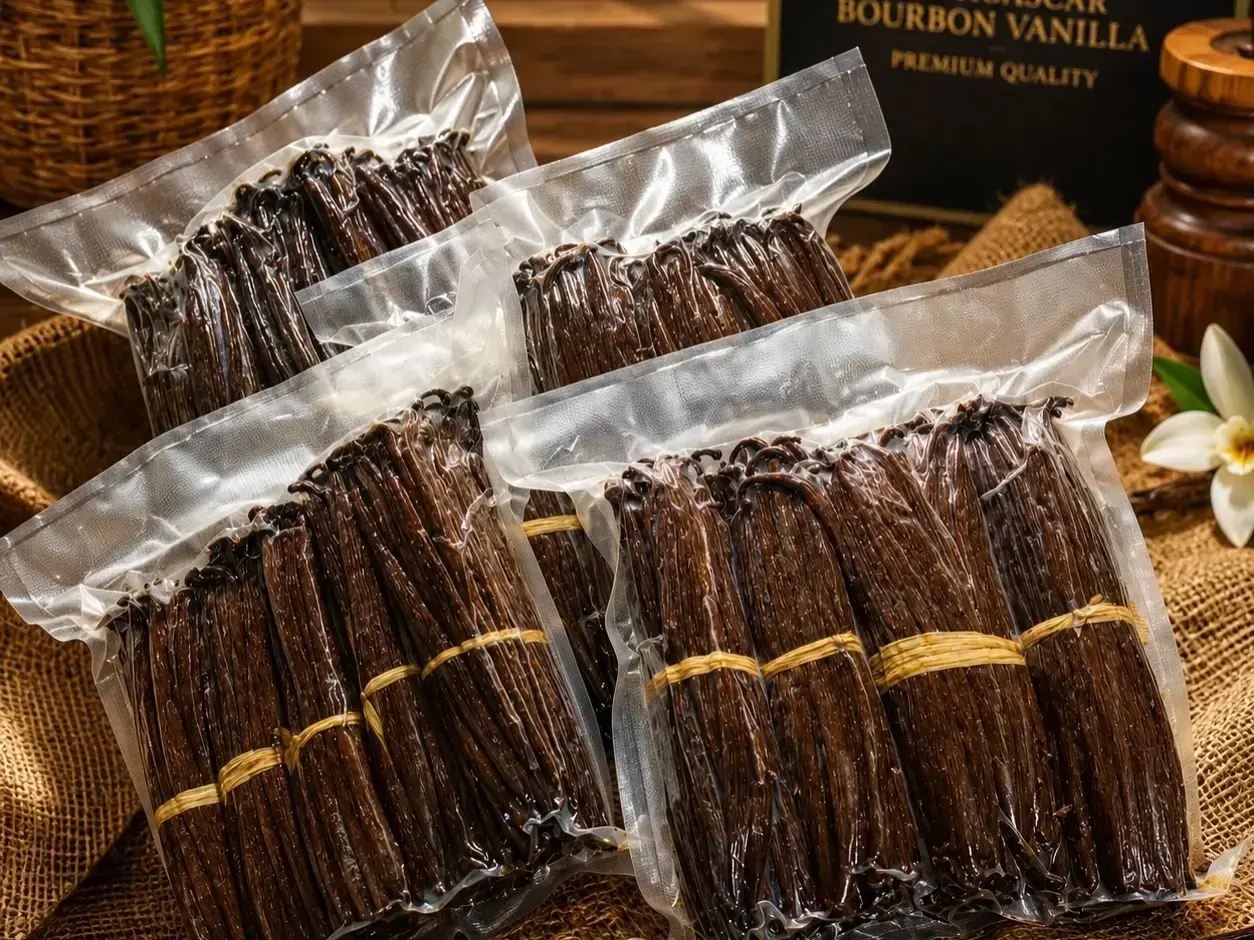
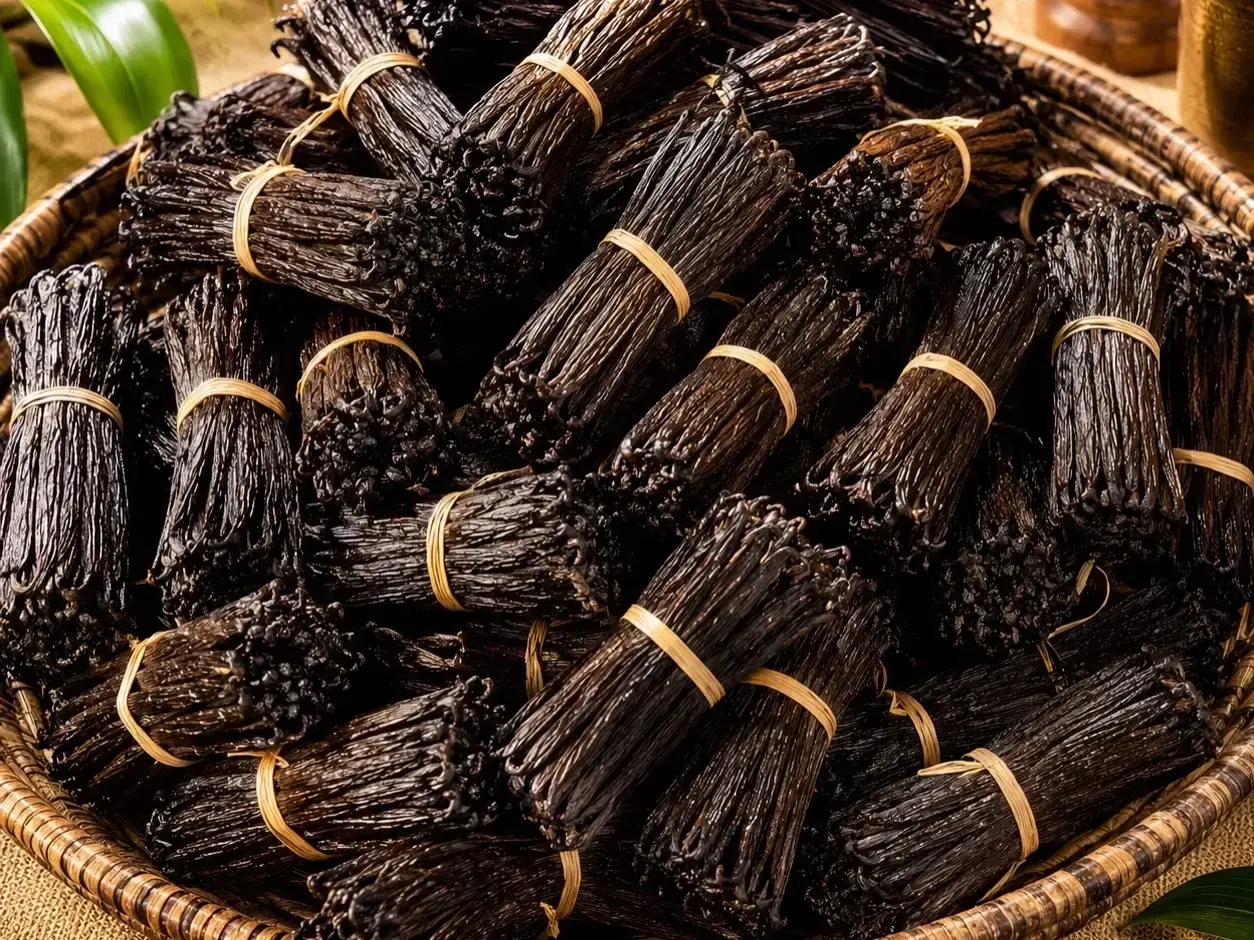
Vanilla Pricing is a systematic way of determining the value of vanilla. It is typically in the form of vanilla beans. It considers several factors. These include the grade of the beans. They also include their size, And current market conditions. This method is widely used in the global trade of vanilla. It ensures that both buyers and sellers understand the value involved.
Related glossary terms: Vanilla Beans, Vanilla Grade, Vanilla Export.
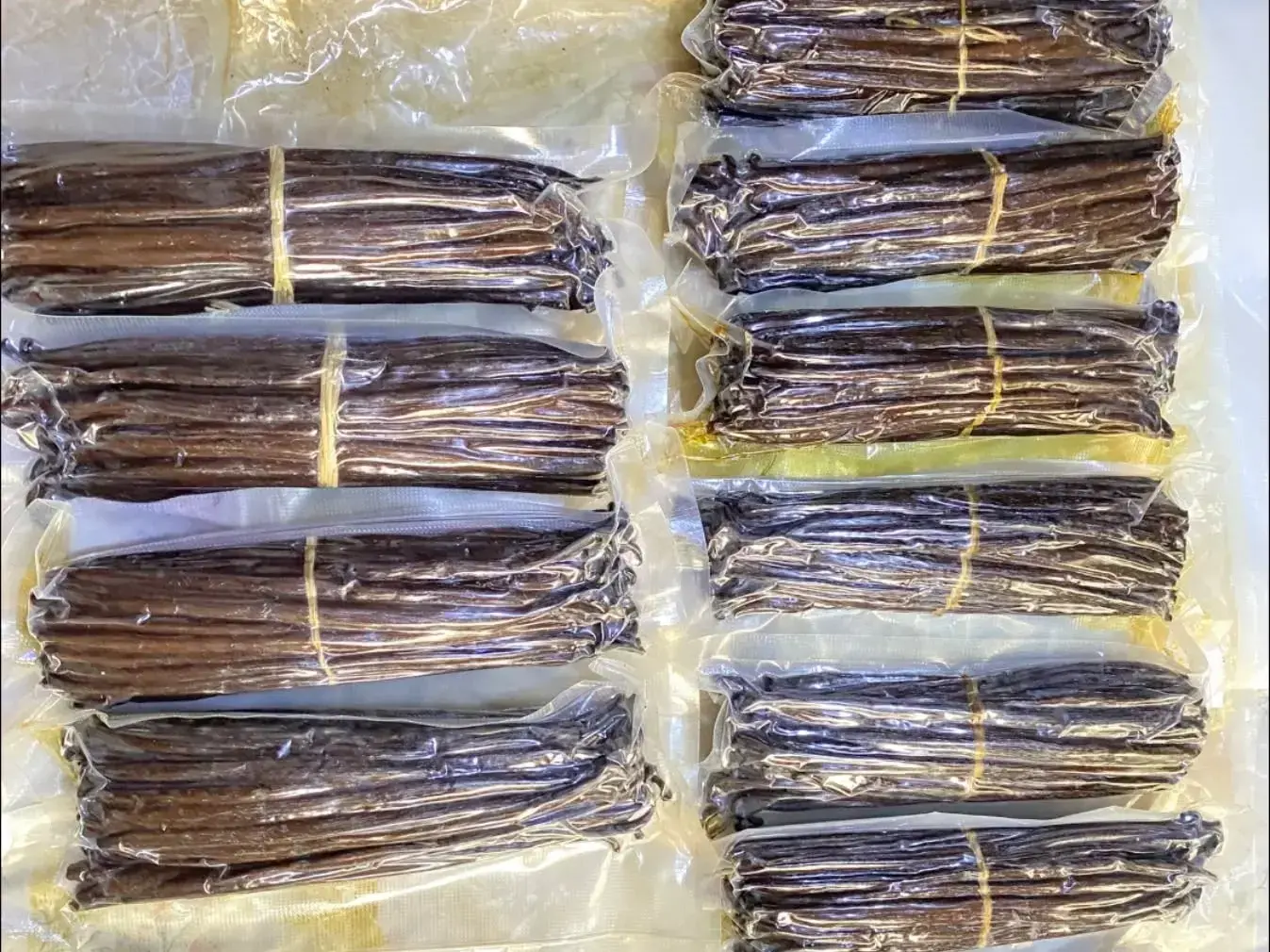
Vanilla Pricing helps create a level playing field. It uses standardized criteria. This reduces disputes. It also enhances transparency in transactions. The process involves assessing physical characteristics. These include length, color. And aroma. These attributes are evaluated by trained professionals. They use industry standards to determine quality.
In addition to quality, market demand plays a role. It affects the price. When demand increases, prices rise. When supply is abundant, prices may decrease. This dynamic ensures the price reflects true value. It reflects the product's value in the market.
How Vanilla Pricing Works, Is Measured, or Is Used?
Vanilla Pricing is based on quality grading and market data. Quality grading classifies beans into categories. These categories include Grade A or Grade B. They influence the final price. Market data includes supply and demand. It helps adjust prices to current conditions. This data comes from trade organizations. It also comes from market reports and experts.
Prices are determined by fixed rates and variable factors. Fixed rates use historical data and standards. Variable factors include market trends and economic conditions. This approach allows flexibility. It also maintains predictability. For example, a new market may increase demand. The price may adjust to reflect this change. That way, pricing remains relevant and fair.
Why Vanilla Pricing Matters?
Vanilla Pricing is crucial for a stable and fair market. It ensures both producers and buyers understand the product's value. This helps in making informed decisions. For producers, it provides a benchmark. It helps set prices that reflect quality. For buyers, it offers a way to assess value. It helps make purchases based on needs and budget.
Vanilla Pricing also ensures sustainability. It encourages producers to maintain quality. It also encourages sustainable practices. This benefits the entire supply chain. It helps farmers and consumers. Fair pricing prevents price fluctuations. It stops disruptions in the market. It affects both producers and buyers.
When Vanilla Pricing Matters Most?
Vanilla Pricing is important during high demand or shortages. For example, a poor harvest may reduce supply. This leads to higher prices. Vanilla Pricing helps adjust the price. It reflects new market conditions. That way, the price remains fair. It reflects the product's true value.
Vanilla Pricing is also critical when entering new markets. It is important when trade regulations change. These factors impact vanilla prices. A clear pricing mechanism helps. For example, a new regulation may affect exports. The pricing may adjust for costs or restrictions. That way, the market stays stable. All parties know about the changes.
How to Evaluate Vanilla Pricing?
- Check the quality grade of the vanilla beans.
- Review current market demand and supply levels.
- Compare prices with industry benchmarks.
Related Concepts Compared
Vanilla Pricing vs. Vanilla Extract Pricing
Vanilla Extract Pricing refers to the cost of processed vanilla extract, while Vanilla Pricing focuses on raw vanilla beans.
Expert Note
Vanilla Pricing requires a balance between quality assessment and market dynamics to ensure fair value for all stakeholders.
Common Mistakes or Myths About Vanilla Pricing
- Confusing vanilla bean pricing with extract pricing.
- Overlooking market demand fluctuations.
- Neglecting quality grading standards.
Vanilla Pricing in Practice: A Real-World Example
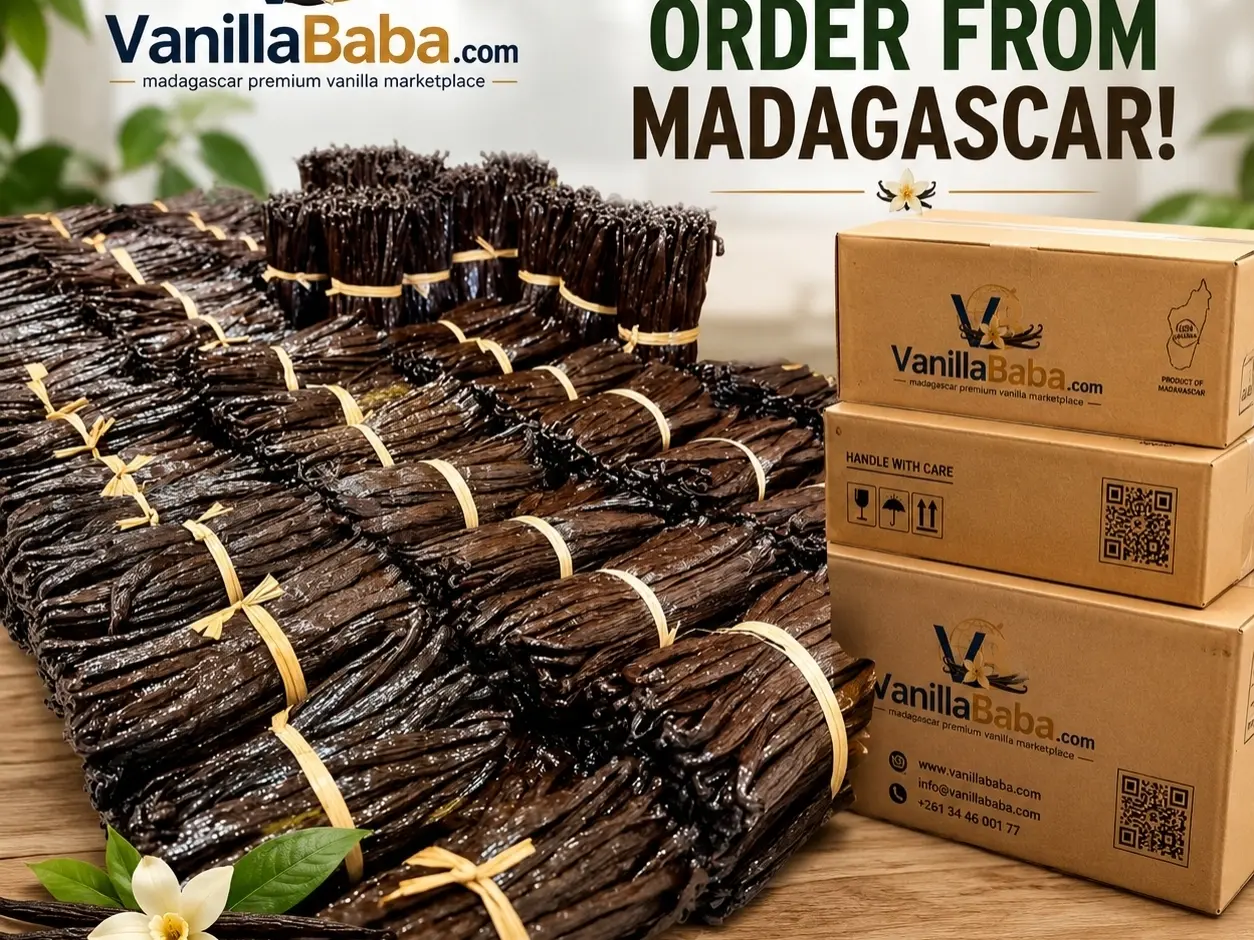
A vanilla exporter in Madagascar sets the price for their vanilla beans based on the quality grade and current market demand, ensuring a fair price for both the buyer and seller.
Sources & Further Reading on Vanilla Pricing
- International Vanilla Association
Related Services
Related Terms
Vanilla Beans
Vanilla Beans is the cured and dried pod of the Vanilla planifolia orchid, used as a…
Vanilla Grade
Vanilla Grade is a classification system that evaluates the quality, size, And characteristics of vanilla pods…
Vanilla Export
Vanilla Export is the process of shipping vanilla beans or vanilla products from Madagascar to international…
Vanilla Market
Vanilla Market is a global network of buyers, sellers, And traders who exchange vanilla beans, extracts…
Vanillababa
Have Questions About Vanilla Pricing?
Contact Vanillababa for practical guidance on Vanilla Pricing and related vanilla export work in Madagascar.