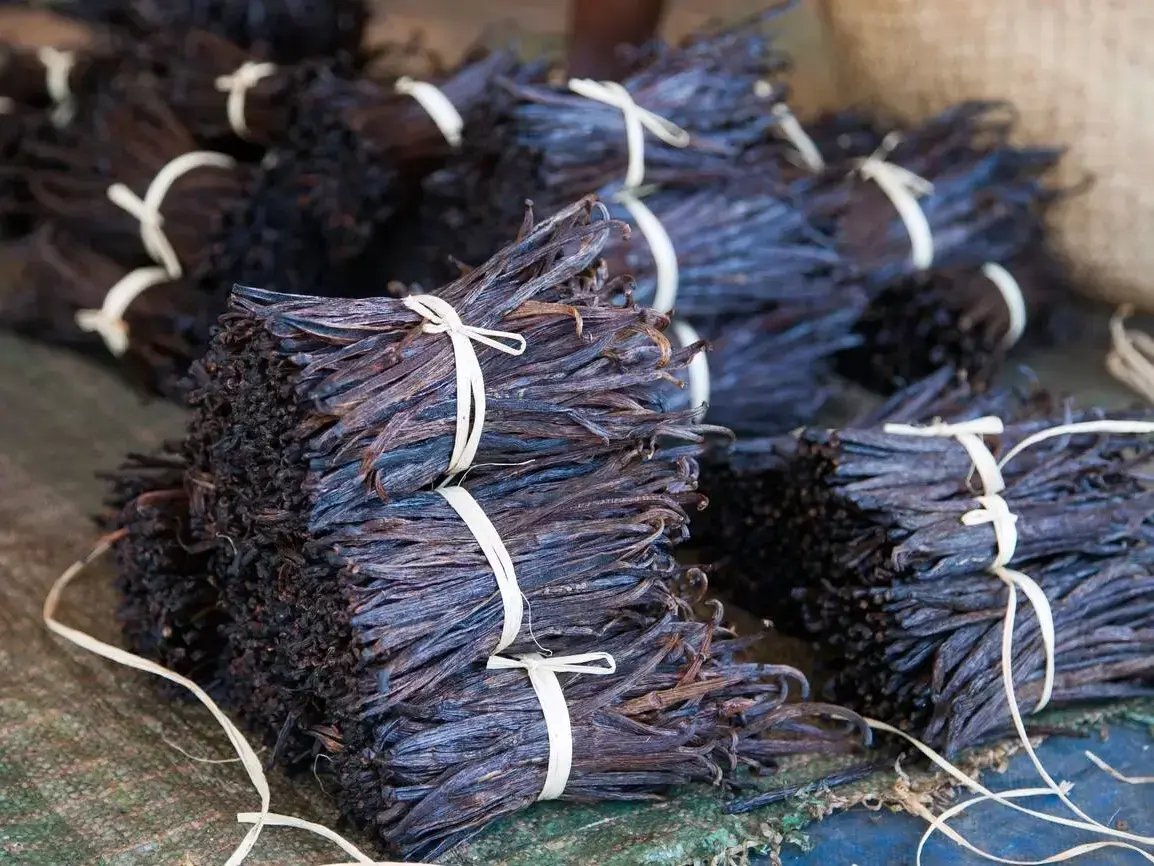
What is Vanilla Grade?
Vanilla Grade is a classification system that evaluates the quality, size. And characteristics of vanilla pods to determine their suitability for specific uses. It helps buyers and sellers assess the value and application of vanilla based on standardized criteria. Grades are typically assigned by experts during inspections and influence pricing and market demand.
Quick Facts About Vanilla Grade
Category
Product classification
Used for
Determining quality and market value
Common confusion
Confused with vanilla origin or processing methods.
Often discussed with
Grade A Gourmet Vanilla, Grade B Vanilla
Key Takeaways About Vanilla Grade
- Vanilla Grade determines the quality and value of vanilla pods.
- It is based on size, color, aroma, and texture.
- Higher grades are more valuable and used in premium products.
Understanding Vanilla Grade
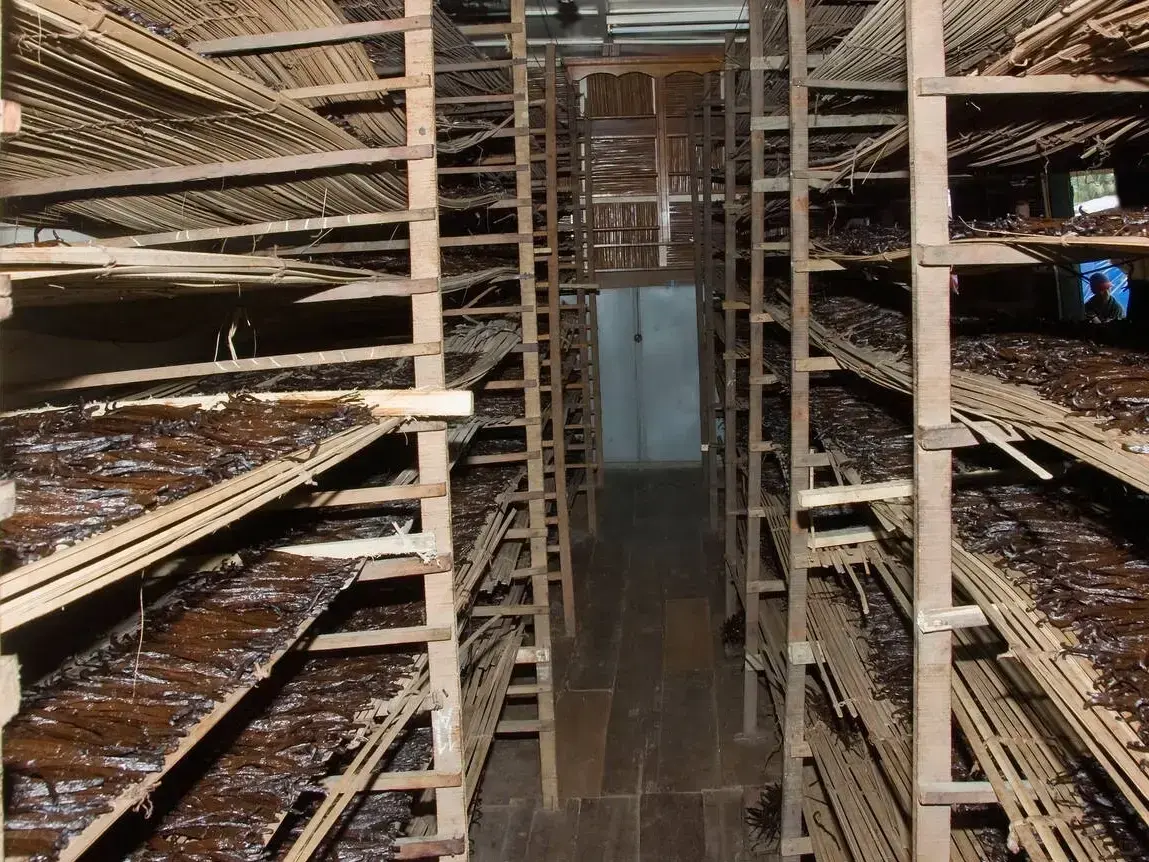
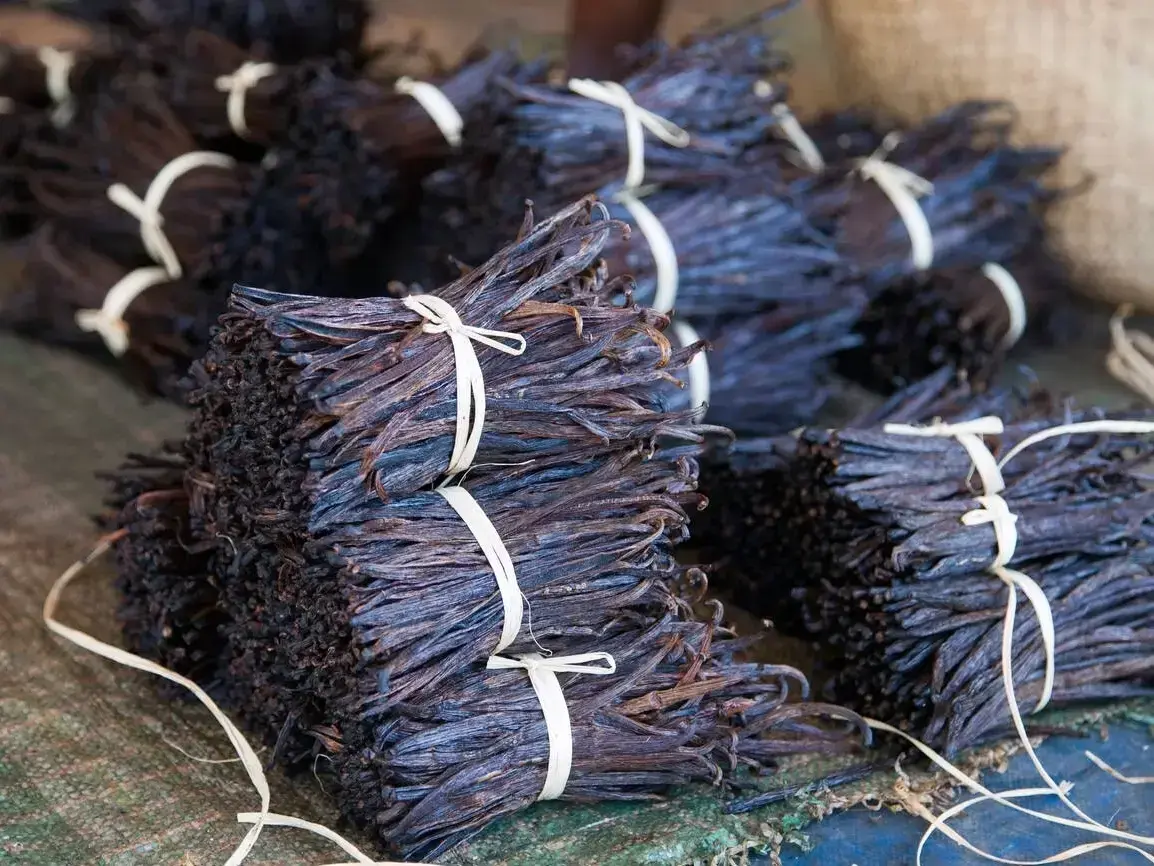
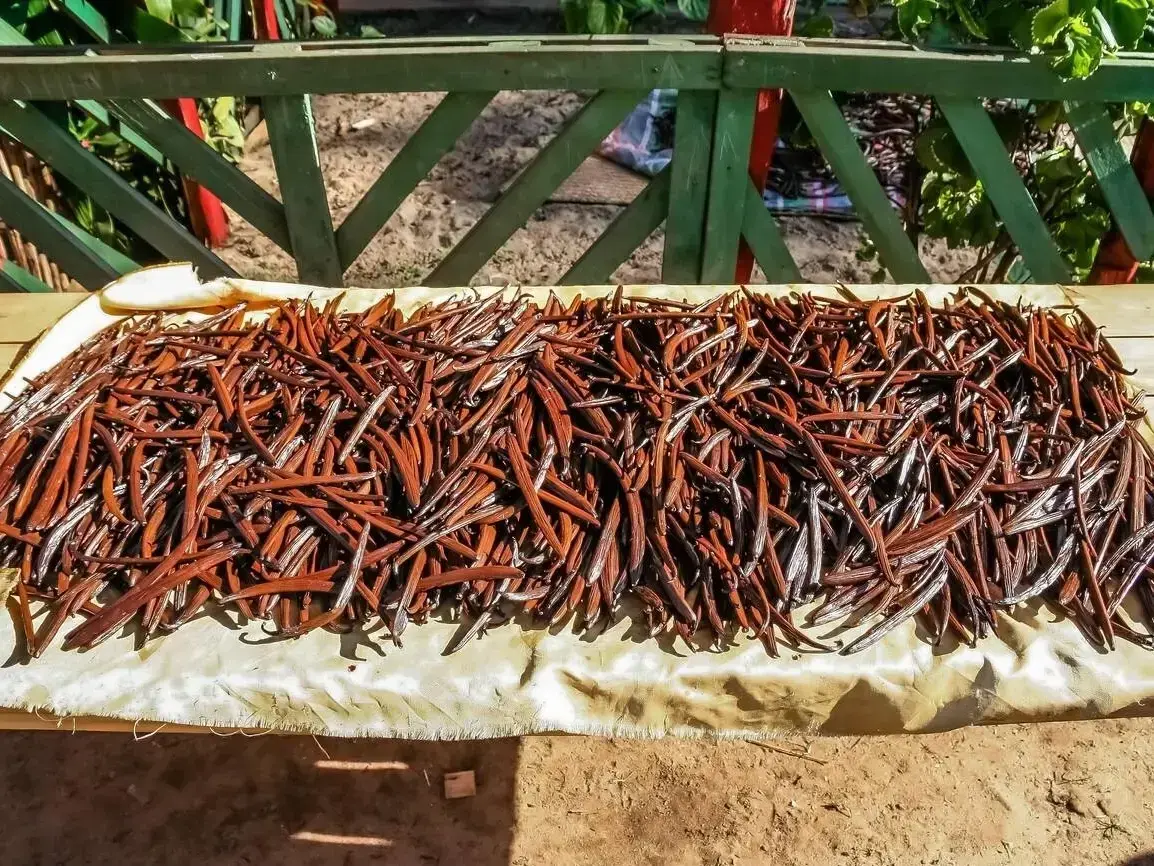
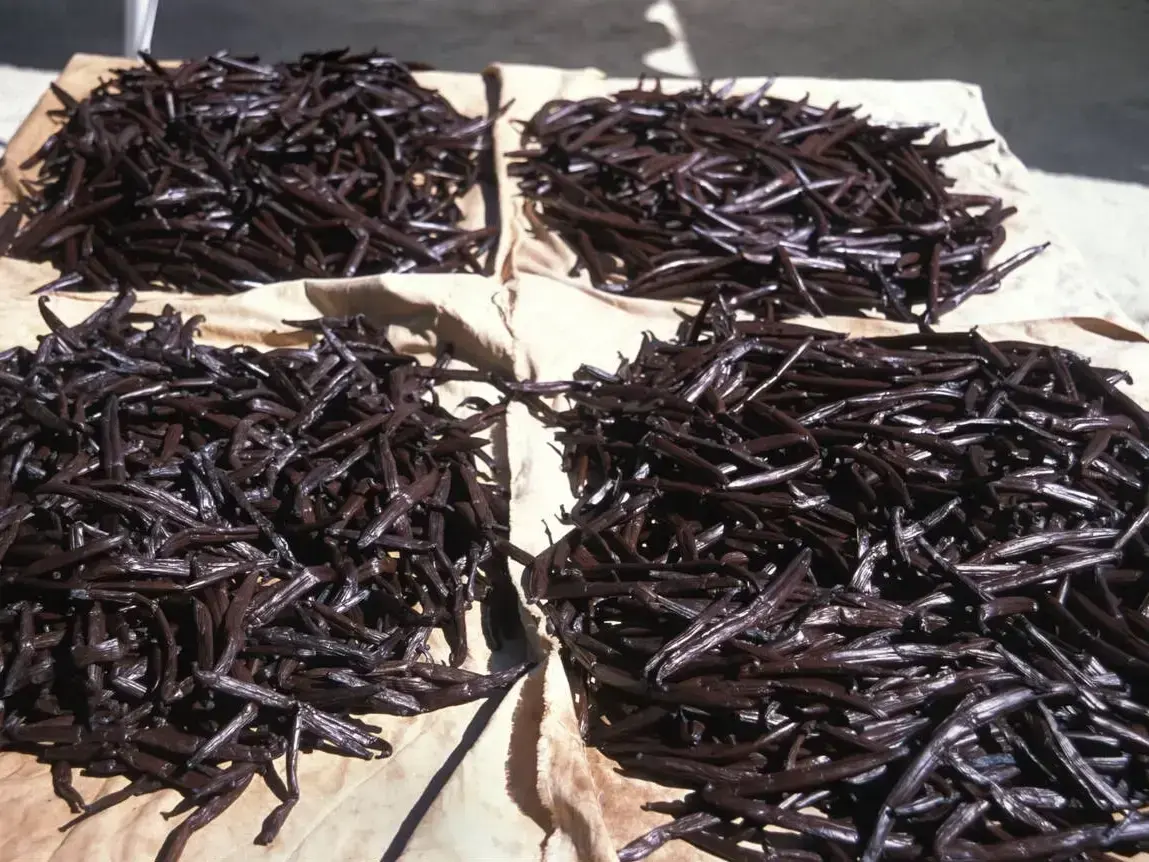
Vanilla Grade is a system used to categorize vanilla pods. It looks at their physical and sensory attributes. This classification helps buyers and sellers understand quality. It also shows the product's potential uses. The grading process considers pod size, color, aroma, and texture. It's an essential tool in the vanilla trade. It ensures consistency and transparency in transactions. Vanilla is typically graded by trained professionals. They inspect the pods and assign a grade. They use established standards to do this.
Related glossary terms: Vanilla Beans, Vanilla Quality, Vanilla Certification.
Grades can vary depending on the region. They also depend on specific market needs. For example, some grades emphasize larger pods. These are used in baking. Others prioritize aroma and flavor. These are used for premium products. The grading system helps set prices. Higher grades often command higher values. This classification is crucial for producers. It is also important for consumers. It gives a clear framework for evaluating vanilla. Understanding Vanilla Grade helps stakeholders. It helps them make informed decisions. They can buy, sell. And use vanilla better.
How Vanilla Grade Works, Is Measured, or Is Used?
Vanilla Grade is determined through visual inspection. It also uses sensory evaluation. Trained graders assess the pods. They look at size, color. And aroma. They make sure the pods meet specific criteria. The grading process follows established standards. These may come from industry associations. They may also come from regulatory bodies. Standards may include pod length and diameter. They may also look for defects. In some cases, additional tests are done. These tests check moisture content or flavor profile.
Once the pods are graded, they are put into different levels. These include Extra, Grade A, Grade B, and more. Each grade has its own criteria. Each is suited for different uses. Higher grades are used in gourmet cooking. They are also used in high-end products. Lower grades may be used in industrial applications. They may also be used for making extracts. The grading system affects vanilla prices. Higher grades are usually more expensive. This process ensures buyers get what they expect. It also ensures sellers are fairly paid for their goods.
Why Vanilla Grade Matters?
Vanilla Grade is important because it standardizes quality evaluation. This helps buyers get a consistent product. It also helps sellers get fair payment. It helps set fair prices. Higher grades usually mean better quality. They are more desirable in the market. The grading system brings transparency. It reduces disputes. It ensures all parties know the product's value.
Vanilla Grade helps in the global supply chain. It matches the right product with the right use. For example, a bakery may want a specific grade. It may want it for flavor and texture. A perfume company may need a different grade. It may need it for its aroma. This system supports quality control. It ensures only the best products reach the market. Vanilla Grade is a key part of the vanilla industry. It affects everything from production to use.
When Vanilla Grade Matters Most?
Vanilla Grade is most important when quality affects the final result. For example, in food, the grade impacts flavor and texture. In cosmetics and fragrance, it affects aroma and performance. When buying vanilla, buyers rely on the grade. They do this to ensure the product fits their needs. They expect it to meet their standards.
- High-grade vanilla is needed for premium food and fragrance uses.
- Lower grades may work for industrial or bulk uses.
- Grades help set fair prices and ensure quality control.
How to Evaluate Vanilla Grade?
- Check the pod size and length against industry standards.
- Assess the color and absence of defects.
- Evaluate the aroma and flavor profile.
Related Concepts Compared
Vanilla Grade vs. Vanilla Quality
Vanilla Quality refers to the overall characteristics of the product, while Vanilla Grade is a specific classification system used to categorize it.
Expert Note
Grading is a critical step in ensuring that vanilla meets market expectations and maintains its value.
Common Mistakes or Myths About Vanilla Grade
- Assuming all vanilla is the same quality.
- Ignoring the impact of grading on price and application.
- Confusing grade with origin or processing method.
Vanilla Grade in Practice: A Real-World Example
A bakery purchasing vanilla for a high-end cake would look for a higher grade to ensure the best flavor and texture in their product.
Sources & Further Reading on Vanilla Grade
- International Vanilla Association
Related Services
Related Terms
Vanilla Beans
Vanilla Beans is the cured and dried pod of the Vanilla planifolia orchid, used as a…
Vanilla Quality
Vanilla Quality is the standard of characteristics that determine the value, usability, And marketability of vanilla…
Vanilla Certification
Vanilla Certification is a formal process that verifies the quality, origin, And compliance of vanilla beans…
Vanilla Standards
Vanilla Standards is a set of quality, grading, And operational guidelines that define acceptable characteristics for…
Vanillababa
Have Questions About Vanilla Grade?
Contact Vanillababa for practical guidance on Vanilla Grade and related vanilla export work in Madagascar.