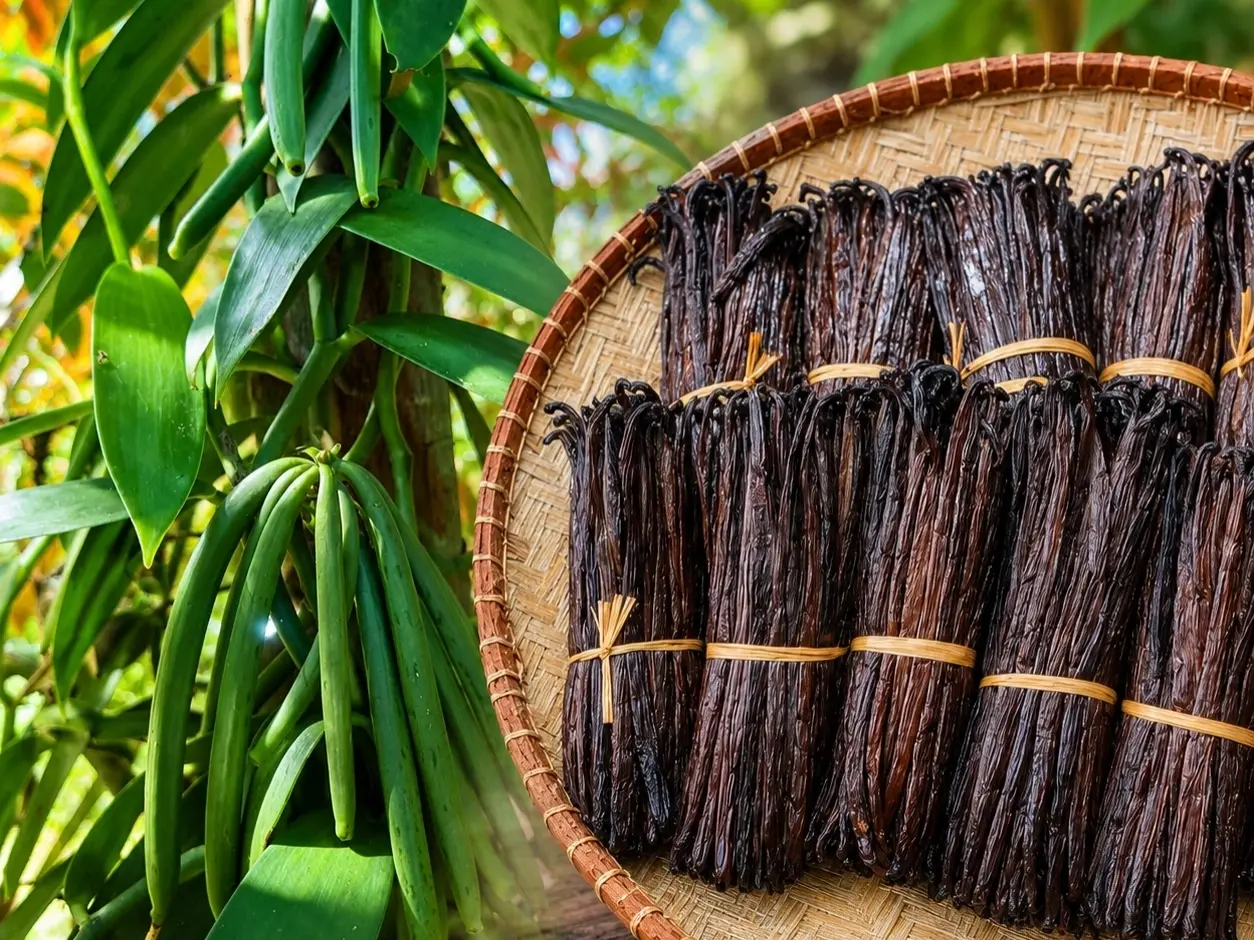
What is Vanilla Certification?
Vanilla Certification is a formal process that verifies the quality, origin. And compliance of vanilla beans with industry standards. It ensures that vanilla meets specific criteria for purity, aroma. And traceability. This process is essential for exporters, buyers.
Quick Facts About Vanilla Certification
Category
Quality assurance and compliance
Used for
Verifying vanilla bean quality and origin
Common confusion
Confused with vanilla grading or organic certification
Also called
Vanilla Quality Certification, Vanilla Compliance Certification
Often discussed with
Export vanilla to Europe, Export vanilla to Asia
Key Takeaways About Vanilla Certification
- Vanilla Certification verifies that vanilla beans meet quality and compliance standards.
- It helps ensure authenticity and traceability in the supply chain.
- This process is important for both exporters and buyers in the vanilla market.
Understanding Vanilla Certification
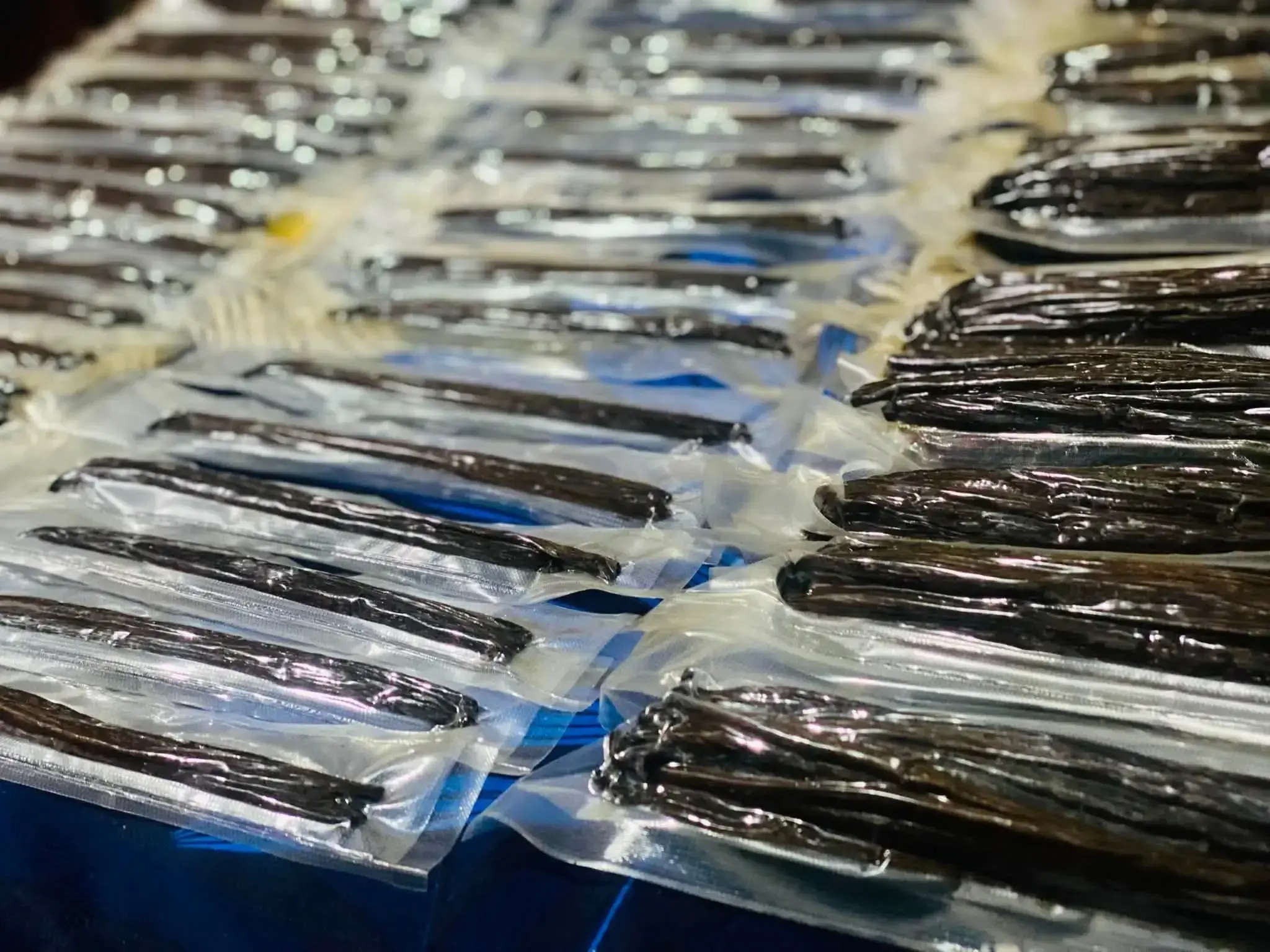
Vanilla Certification is a structured process. It confirms that vanilla beans meet quality, origin, and compliance standards. This certification is crucial for the global vanilla trade. It provides a reliable way to verify authenticity and integrity. It helps buyers and sellers make informed decisions. It ensures the vanilla they handle is genuine and high quality.
Related glossary terms: Vanilla Beans, Vanilla Export, Vanilla Quality.
The process involves inspections, documentation. And guidelines. These reflect industry best practices. Vanilla Certification is often linked to origin. This is especially true for Madagascar vanilla. It is known for superior quality. The certification helps maintain the reputation of high-quality vanilla. It supports fair trade practices. It protects consumers by ensuring safety. It verifies the vanilla is free from contaminants.
How Vanilla Certification Works, Is Measured, or Is Used?
The process of Vanilla Certification starts with an inspection. Trained professionals inspect the beans. They assess aroma, color, texture, and moisture. The beans are compared to benchmarks. This determines if they meet standards. Documentation is key. It records the beans' origin, handling, and quality checks.
Some programs require third-party audits. They also need lab testing. This verifies chemical composition. It ensures the beans are free from harmful substances. These steps maintain certification integrity. They provide confidence to all parties. The certification may be issued by organizations. It may come from industry associations. It can also come from government bodies.
Why Vanilla Certification Matters?
Vanilla Certification is vital for trust in the market. It ensures buyers get consistent quality. It meets their expectations. For exporters, it boosts reputation. It opens up new markets. It shows commitment to quality and transparency. This is important in regions like Madagascar. Vanilla is a key export there. It is a major income source for farmers.
From a consumer perspective, it ensures safety. It guarantees high quality. It supports ethical sourcing. It promotes sustainable farming. These are important to modern consumers. It promotes responsible trade. It supports the long-term viability of the industry.
When Vanilla Certification Matters Most?
Vanilla Certification is most important for high-value products. It ensures quality and authenticity. It is relevant in international trade. Buyers may not have direct access to the source. Certification provides a reliable way. It verifies quality and origin.
- When exporting to markets with strict quality requirements
- When dealing with premium or specialty vanilla products
- When ensuring compliance with international trade regulations
How to Evaluate Vanilla Certification?
- Check for recognized certification bodies or standards.
- Verify the documentation and inspection records.
- Compare the beans against industry quality benchmarks.
Related Concepts Compared
Vanilla Certification vs. Vanilla Grading
Vanilla Grading focuses on the physical characteristics of beans, while Vanilla Certification verifies compliance with broader quality and origin standards.
Vanilla Certification vs. Vanilla Organic
Vanilla Organic refers to beans grown without synthetic chemicals, whereas Vanilla Certification covers a wider range of quality and compliance factors.
Expert Note
Certification programs often evolve to reflect changing market demands and sustainability goals.
Common Mistakes or Myths About Vanilla Certification
- Assuming all certifications are the same.
- Ignoring the importance of origin verification.
- Relying solely on price rather than certification.
Vanilla Certification in Practice: A Real-World Example
A Madagascar vanilla exporter obtains Vanilla Certification to prove their beans meet international quality standards, allowing them to access premium markets in Europe and Asia.
Sources & Further Reading on Vanilla Certification
- International Vanilla Association
- Madagascar Vanilla Export Council
Related Services
Related Terms
Vanilla Beans
Vanilla Beans is the cured and dried pod of the Vanilla planifolia orchid, used as a…
Vanilla Export
Vanilla Export is the process of shipping vanilla beans or vanilla products from Madagascar to international…
Vanilla Quality
Vanilla Quality is the standard of characteristics that determine the value, usability, And marketability of vanilla…
Vanilla Regulations
Vanilla Regulations is a set of rules and standards that govern the production, quality, And trade…
Vanillababa
Have Questions About Vanilla Certification?
Contact Vanillababa for practical guidance on Vanilla Certification and related vanilla export work in Madagascar.