What is Vanilla Regulations?
Vanilla Regulations is a set of rules and standards that govern the production, quality. And trade of vanilla to ensure consistency, safety.
Quick Facts About Vanilla Regulations
Category
Trade and quality standards
Used for
Ensuring consistency and safety in vanilla production and export
Common confusion
Confused with vanilla certification or organic standards
Often discussed with
Export vanilla to Europe
Key Takeaways About Vanilla Regulations
- Vanilla Regulations set quality and safety standards for vanilla production.
- They help maintain consistency in vanilla products for international buyers.
- Compliance with these regulations is essential for exporting vanilla.
- Regulations cover aspects like grading, packaging.
- They protect both producers and consumers by ensuring product integrity.
Understanding Vanilla Regulations
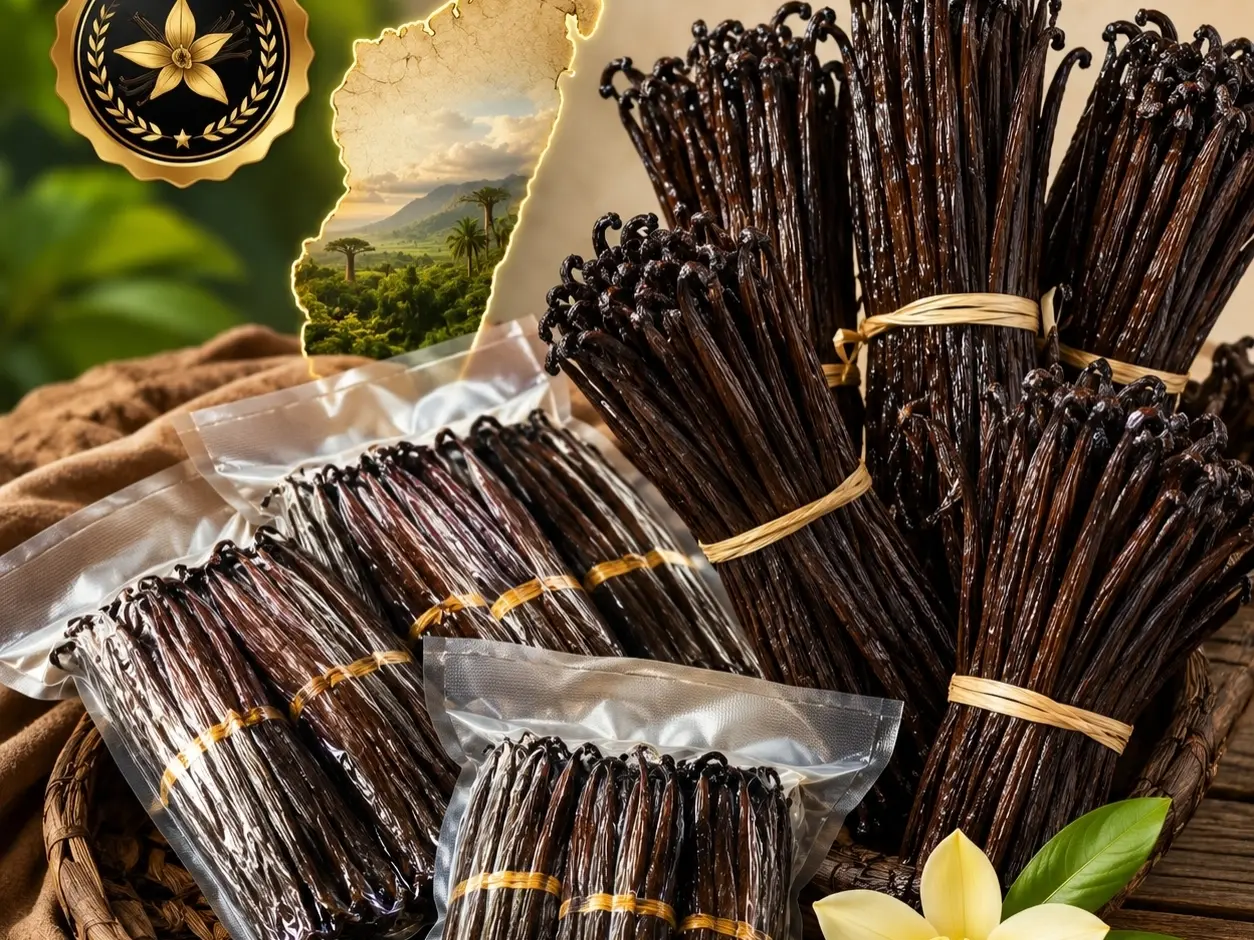
Vanilla Regulations are a collection of guidelines and legal requirements that outline the standards for producing, processing, and exporting vanilla. These regulations are designed to ensure that vanilla products meet specific quality, safety, and consistency criteria. they're essential for maintaining the integrity of vanilla as a premium commodity in global markets. Vanilla Regulations often include specifications for grading, packaging, labeling, and documentation, which help buyers and sellers understand the product's quality and origin. These rules are typically developed by international trade organizations, government agencies, and industry bodies to help with fair and transparent trade.
Related glossary terms: Vanilla Certification, Vanilla Compliance, Vanilla Quality Control.
Vanilla Regulations also address environmental and ethical considerations, such as sustainable farming practices and fair labor conditions. This helps ensure that vanilla production doesn't harm the environment or exploit workers. In addition, these regulations may include requirements for traceability, allowing buyers to track the origin of vanilla from farm to market. This is particularly important in regions like Madagascar, where vanilla is a major export and a key part of the local economy. By following Vanilla Regulations, producers can access international markets and build trust with buyers who rely on consistent quality and ethical sourcing.
How Vanilla Regulations Works, Is Measured, or Is Used?
Vanilla Regulations are implemented through a combination of legal frameworks, industry standards. And voluntary certification programs. These regulations are often based on international trade agreements and can vary by country or region. For example, the European Union may have specific requirements for vanilla imports. While the United States may have different standards. Producers and exporters must comply with these regulations to ensure their products are accepted in target markets. Compliance is typically verified through inspections, audits. And documentation, which confirm that the vanilla meets the required standards.
The quality of vanilla is often measured using grading systems that assess factors such as size, color, moisture content, and aroma. These grading systems are part of Vanilla Regulations and help buyers determine the value and suitability of vanilla for different applications. Packaging and labeling requirements are also included in these regulations, ensuring that products are properly identified and protected during transport. In some cases, Vanilla Regulations may require the use of specific materials or methods to prevent contamination or degradation during storage and shipping. This helps maintain the quality of vanilla throughout the supply chain and reduces the risk of spoilage or damage.
Why Vanilla Regulations Matters?
Vanilla Regulations play a crucial role in the global vanilla trade by ensuring that products meet the expectations of international buyers. These regulations help maintain the reputation of vanilla as a high-quality and reliable commodity, which is essential for sustaining demand and supporting producers. Without clear and consistent regulations, the market could become unstable, leading to quality issues, fraud, and loss of consumer trust. By following Vanilla Regulations, producers can access larger markets and secure better prices for their products, which can improve their livelihoods and support local economies.
Vanilla Regulations also help protect consumers by ensuring that products are safe and meet health and safety standards. This is particularly important for food and fragrance industries that rely on vanilla as a key ingredient. Regulations may include requirements for testing and certification to verify that vanilla is free from harmful substances or contaminants. This not only benefits consumers but also helps producers avoid legal and reputational risks associated with substandard products. Overall, Vanilla Regulations contribute to a more transparent, fair, and sustainable vanilla trade that benefits all stakeholders.
When Vanilla Regulations Matters Most?
Vanilla Regulations are most important when exporting vanilla to international markets, where compliance with local and global standards is essential. Producers must ensure their products meet the requirements of importing countries to avoid delays, rejections. Or penalties. This is especially true for countries with strict food safety and quality regulations, such as the European Union and the United States. In these cases, failure to comply with Vanilla Regulations can result in significant financial losses and damage to a producer's reputation.
- Exporting to countries with strict regulations
- Dealing with high-value or specialty vanilla products
- Ensuring traceability and sustainability in supply chains
Vanilla Regulations also become critical when dealing with large-scale buyers or multinational corporations that require consistent quality and ethical sourcing. These buyers often have their own standards and may require additional certifications or documentation beyond basic regulations. This can create challenges for small-scale producers who may lack the resources to meet these requirements. But adherence to Vanilla Regulations can help producers build long-term relationships with these buyers and access more lucrative markets.
How to Evaluate Vanilla Regulations?
- Check if the vanilla meets recognized grading standards for quality and consistency.
- Verify that the product is properly labeled and packaged according to regulations.
- Ensure that all necessary documentation, such as certificates of origin and quality, is provided.
- Confirm that the vanilla is free from contaminants and meets health and safety requirements.
- Review the supplier's compliance history and reputation in the market.
Related Concepts Compared
Vanilla Regulations vs. Vanilla Certification
Vanilla Certification is a specific process that verifies compliance with certain standards, while Vanilla Regulations are broader rules that apply to the entire production and trade process.
Vanilla Regulations vs. Vanilla Standards
Vanilla Standards are the specific criteria used to assess quality and safety, while Vanilla Regulations are the legal or industry-mandated rules that enforce these standards.
Expert Note
Producers should stay informed about evolving regulations to maintain market access and avoid compliance issues.
Common Mistakes or Myths About Vanilla Regulations
- Assuming all regulations are the same across countries.
- Neglecting to check for updates in regulations that may affect exports.
- Overlooking the importance of proper documentation in the export process.
Vanilla Regulations in Practice: A Real-World Example
A vanilla producer in Madagascar must follow Vanilla Regulations to ensure their product meets the quality and safety requirements of a European buyer. This includes proper grading, packaging.
Sources & Further Reading on Vanilla Regulations
- International Vanilla Association
- United Nations Food and Agriculture Organization
Related Services
Related Terms
Vanilla Certification
Vanilla Certification is a formal process that verifies the quality, origin, And compliance of vanilla beans…
Vanilla Compliance
Vanilla Compliance is a set of standards and procedures that ensure vanilla products meet quality, safety…
Vanilla Quality Control
Vanilla Quality Control is a systematic process that ensures vanilla beans meet specific standards for aroma…
Vanilla Standards
Vanilla Standards is a set of quality, grading, And operational guidelines that define acceptable characteristics for…
Vanillababa
Have Questions About Vanilla Regulations?
Contact Vanillababa for practical guidance on Vanilla Regulations and related vanilla export work in Madagascar.