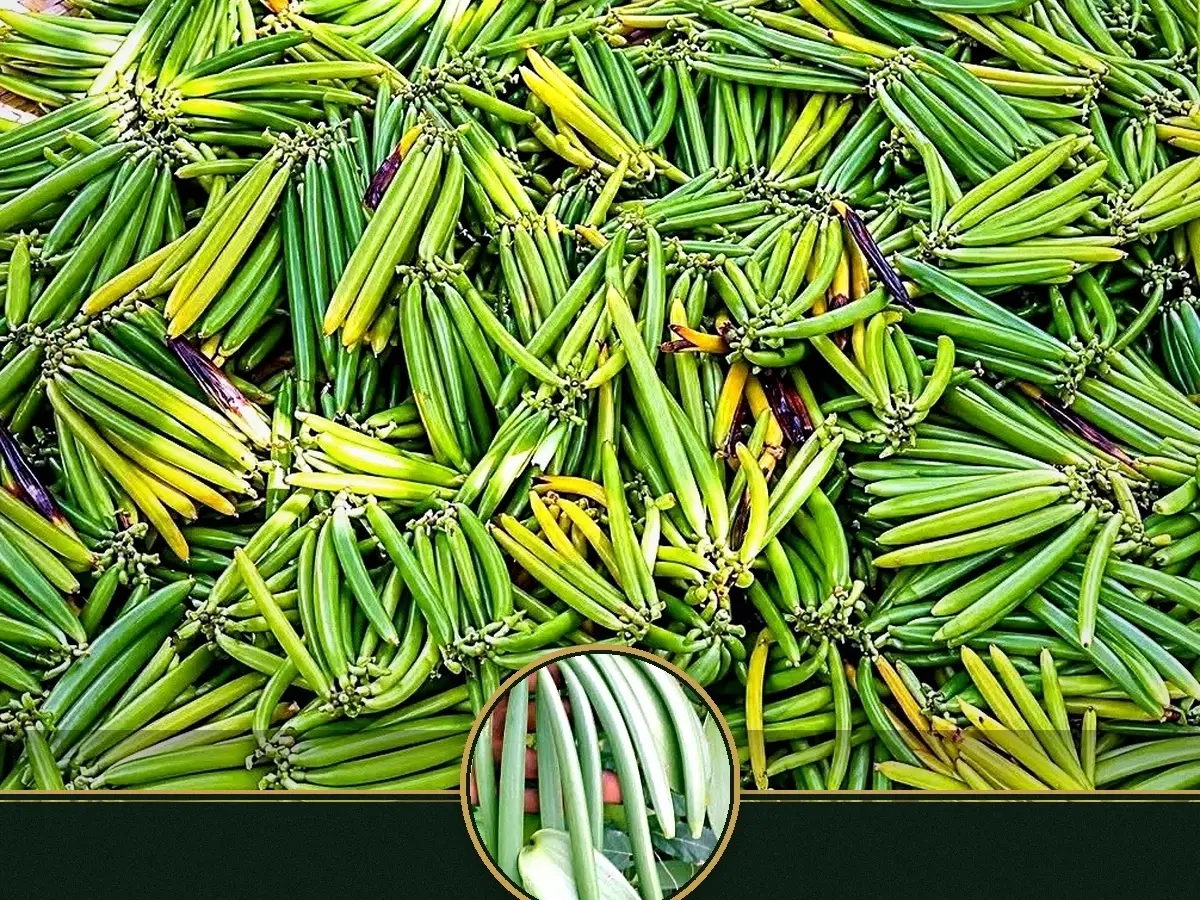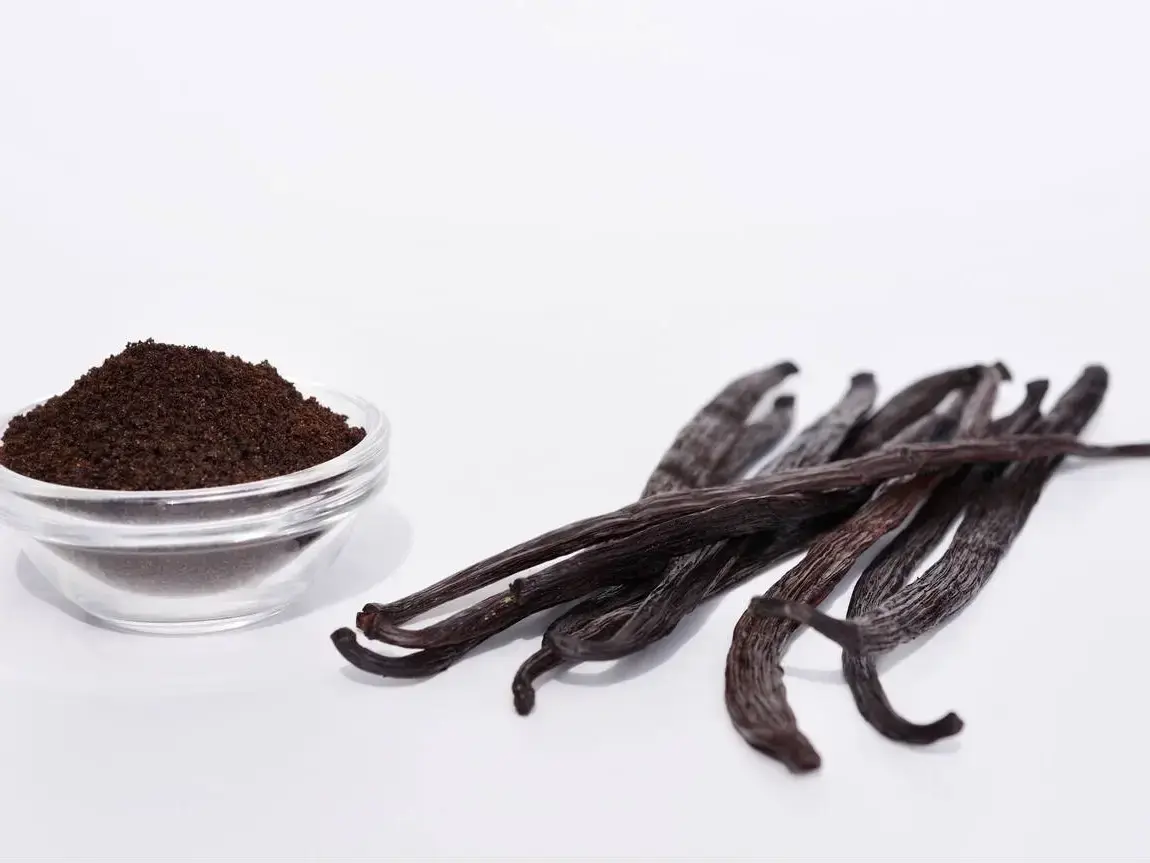
What is Vanilla Standards?
Vanilla Standards is a set of quality, grading. And operational guidelines that define acceptable characteristics for vanilla beans, ensuring consistency, purity. And marketability in global trade. These standards cover factors like size, color, moisture content.
Quick Facts About Vanilla Standards
Category
Quality and grading guidelines
Used for
Evaluating and trading vanilla beans
Common confusion
Confused with vanilla certifications or organic labels.
Also called
Vanilla Quality Standards, Vanilla Grading Standards
Often discussed with
Export vanilla to Europe
Key Takeaways About Vanilla Standards
- Vanilla Standards ensure uniform quality for global trade.
- They define criteria like size, color.
- These standards help buyers and sellers evaluate and exchange vanilla efficiently.
Understanding Vanilla Standards
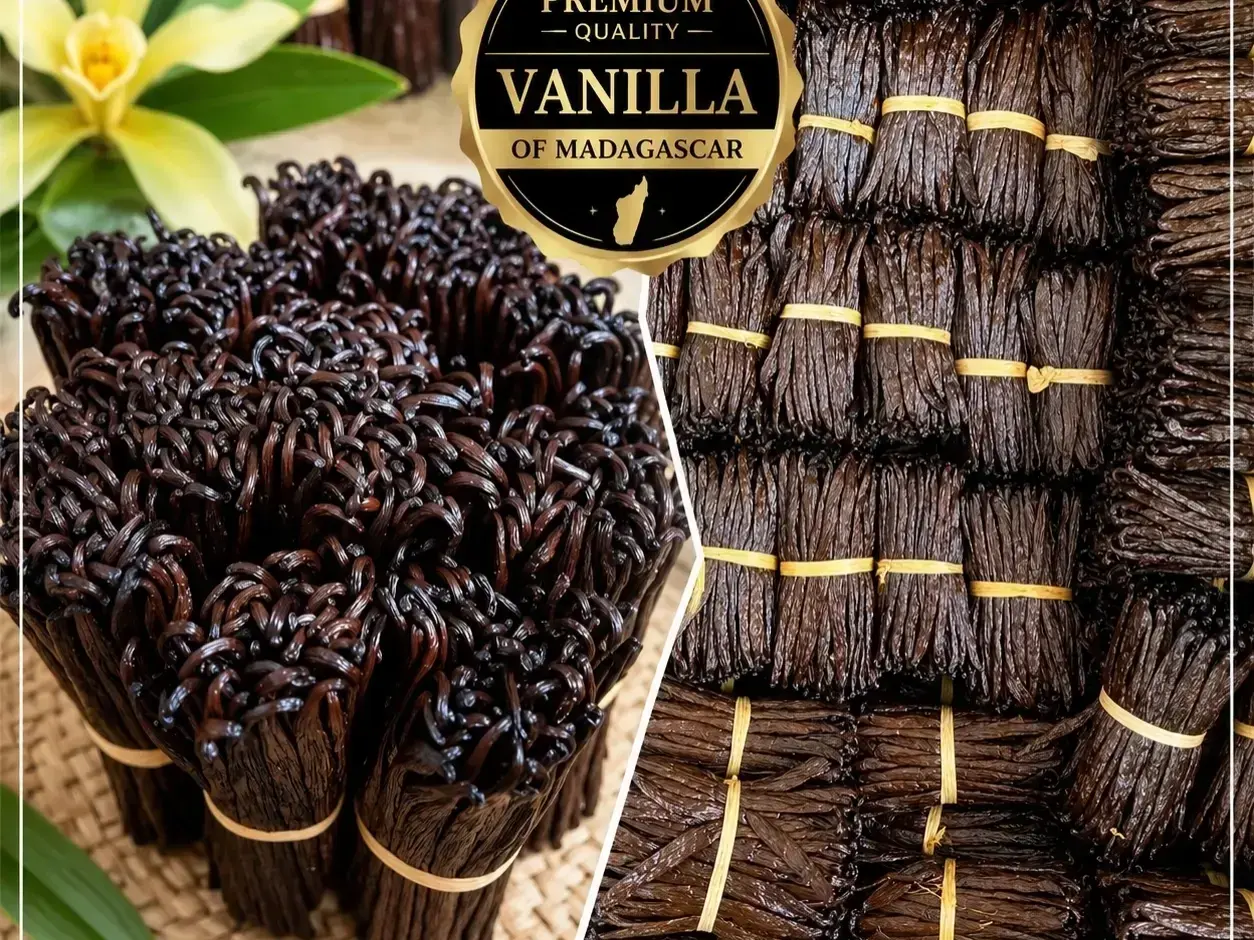
Vanilla Standards are a set of criteria. They define the quality, appearance, and characteristics of vanilla beans. These guidelines are essential. They ensure vanilla meets buyer and seller expectations. They reduce disputes over quality. They provide a common language for trade. They are developed by industry bodies. They are developed by governments. They are developed by trade organizations. They maintain consistency across regions and suppliers.
Related glossary terms: Vanilla Beans, Vanilla Grade, Vanilla Quality.
The standards include specifications. They cover factors like pod length, color, moisture content, and aroma. These elements impact flavor, texture, and usability. They matter for food, fragrance, and pharmaceutical uses. Higher moisture content may mean lower quality. It may suggest improper drying. A strong, sweet aroma suggests better flavor. Producers and traders follow these standards. They ensure products meet international buyer expectations.
How Vanilla Standards Works, Is Measured, or Is Used?
Vanilla Standards are applied through visual inspection. They use chemical testing and sensory evaluation. Trained professionals assess size, color. And texture. Laboratory tests measure moisture and Other properties. These evaluations are done by third-party inspectors. They ensure objectivity and accuracy. Results classify vanilla into grades. These grades influence price and marketability.
Grading systems vary by region. They follow a similar structure. Some systems classify based on pod length. Longer pods are higher quality. Others focus on defects like cracks or mold. These lower the grade. Aroma and flavor are assessed by tasters. They evaluate scent intensity and quality. These factors determine the final classification. They follow established standards.
Why Vanilla Standards Matters?
Vanilla Standards are crucial in the global trade. They provide a framework for quality assessment. Without them, buyers and sellers face uncertainty. This leads to disputes and inefficiencies. They set clear expectations. They build trust between producers and consumers. Both can make informed decisions.
Standards support fair pricing. They help with market transparency. Grading based on criteria allows accurate pricing. This benefits producers. They get fair compensation for high-quality beans. Buyers get vanilla that meets their needs. Standards help maintain vanilla's reputation. They ensure it stays a premium product. This sustains global demand.
When Vanilla Standards Matters Most?
Vanilla Standards are critical during export and import. Quality assessments are essential for compliance. They are also vital for large-scale buyers. These include food manufacturers and fragrance companies. They need consistent quality. Standards ensure products meet specifications. They reduce risk of rejection or returns.
- Export and import compliance
- Large-scale buyer requirements
- Quality assurance for premium products
How to Evaluate Vanilla Standards?
- Check for standardized grading criteria like pod length and color.
- Verify moisture content through laboratory testing.
- Assess aroma and flavor with trained tasters.
Related Concepts Compared
Vanilla Standards vs. Vanilla Certification
Vanilla Certification focuses on specific compliance requirements like organic or fair trade, while Vanilla Standards cover general quality and grading criteria.
Expert Note
Adhering to Vanilla Standards ensures that products meet global expectations, reducing trade barriers and enhancing market access.
Common Mistakes or Myths About Vanilla Standards
- Confusing Vanilla Standards with organic or fair trade certifications.
- Overlooking the importance of moisture content in quality assessment.
- Assuming all standards are the same across regions and buyers.
Vanilla Standards in Practice: A Real-World Example
A vanilla exporter in Madagascar uses Vanilla Standards to grade their beans before shipping to a European buyer. The beans are inspected for size, color.
Sources & Further Reading on Vanilla Standards
- International Vanilla Association
Related Services
Related Terms
Vanilla Beans
Vanilla Beans is the cured and dried pod of the Vanilla planifolia orchid, used as a…
Vanilla Grade
Vanilla Grade is a classification system that evaluates the quality, size, And characteristics of vanilla pods…
Vanilla Quality
Vanilla Quality is the standard of characteristics that determine the value, usability, And marketability of vanilla…
Vanilla Export
Vanilla Export is the process of shipping vanilla beans or vanilla products from Madagascar to international…
Vanillababa
Have Questions About Vanilla Standards?
Contact Vanillababa for practical guidance on Vanilla Standards and related vanilla export work in Madagascar.