
Lot Intake and Batch Mapping in Sambava
We start with lot intake, batch mapping, and source notes so each bean group stays separate. That helps Sambava buyers avoid mix-ups when supply comes from more than one farm track.
Sambava’s bean flow, curing pace, and export timing all shape how vanilla buyers plan each order. We keep the process clear from sample request to final documents.
Sambava buyers often deal with mixed bean quality after harvest peaks and slow curing. That makes batch records and sample checks more useful here than loose product claims. Vanillababa keeps the focus on grade, moisture, and lot history, so buyers can compare what they're getting.
In Sambava, that process helps when supply moves between inland farms, curing points, and shipping prep. Clients see better order planning and fewer surprises at handoff. They also get a cleaner path for Vanilla Export because the paperwork stays tied to the exact lot.
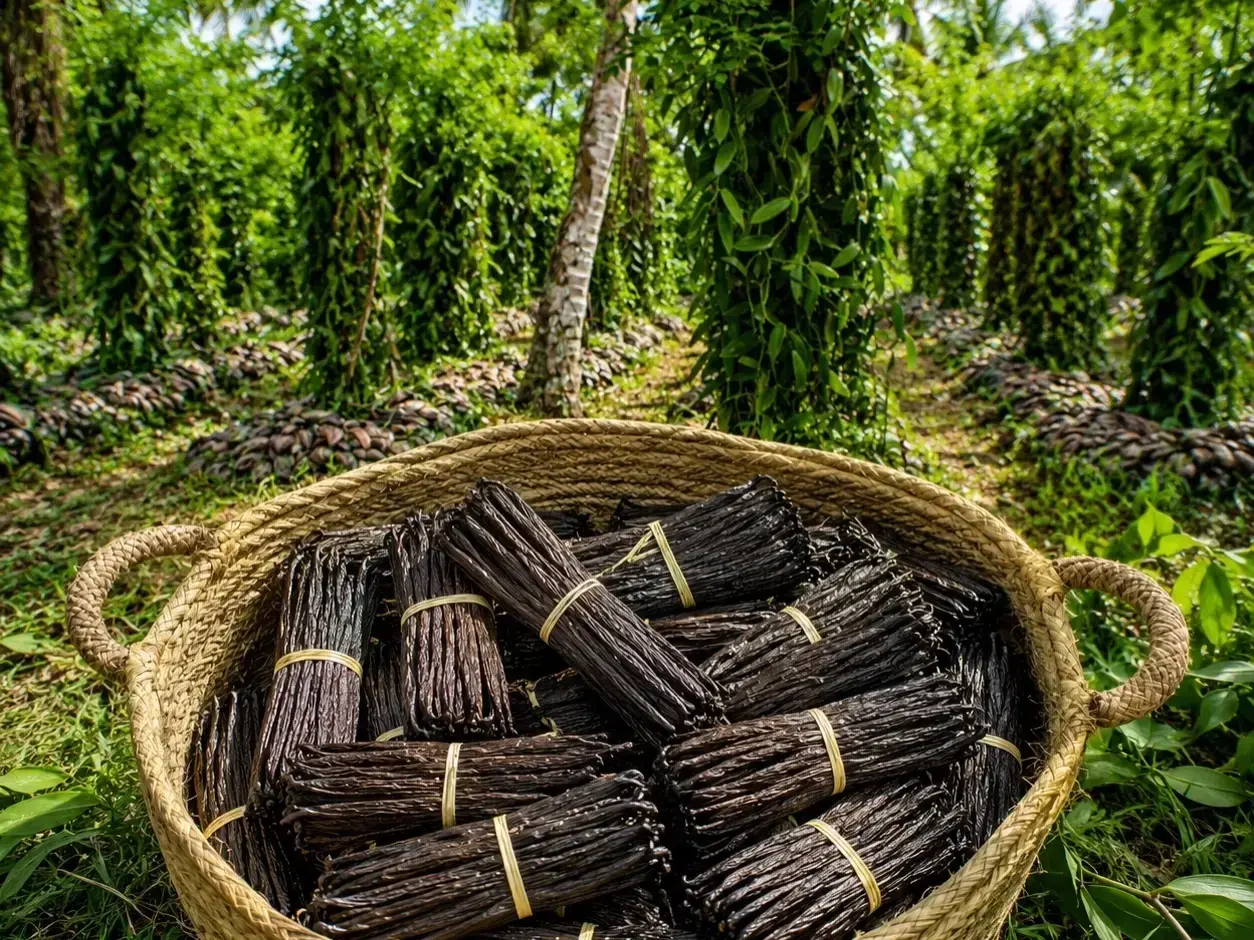
We start with lot intake, batch mapping, and source notes so each bean group stays separate. That helps Sambava buyers avoid mix-ups when supply comes from more than one farm track.
The sample review checks aroma, bean appearance, and grade against the buyer's target format. In Sambava, this step matters because curing differences can change how the lot should be positioned.
Pre-harvest contract setup locks the supply plan before the season gets crowded. It gives Sambava buyers a better way to plan around local harvest flow and competing demand.
In Sambava, We assemble export paperwork, lot references, and buyer file details in one package. That reduces last-minute corrections when the Vanilla Export order reaches shipment prep.
A buyer in Sambava wanted vanilla caviar for an export order and needed proof the lot matched the sample. The shipment plan also had to fit curing timing near the town's trading flow, where mixed lots can create confusion. Vanillababa matched the sample to the lot record and prepared the export file.
The buyer moved forward with clearer lot control and less back-and-forth.
Sambava buyers need lot-by-lot detail, not vague origin claims. The process keeps grade, sample history, and export documents tied to one batch.
Sample orders matter in this region because curing quality can shift between lots. Buyers can compare aroma and appearance before they move into Vanilla Export.
Pre-harvest contracts help Sambava buyers lock in supply before peak movement starts. That supports steadier planning when local harvest pressure rises.
We don't push a lot if the grade doesn't fit the buyer's target. In Sambava, that honesty saves time and keeps the export file cleaner.
Export documentation and buyer portal access stay aligned with the selected lot. That gives Sambava clients a clearer paper trail for each Vanilla Export order.
Vanillababa provides comprehensive Vanilla Caviar-Vanilla Seeds in the surrounding area. Here's what you get:
Buyers in the area can compare lots before they commit to a larger order.
Traceability helps reduce confusion when beans move through several local hands.
Sample-first review gives Sambava buyers a safer way to judge quality.
In Sambava, Export documents stay linked to the exact lot, which helps with shipment records.
Pre-harvest planning fits Sambava supply timing and reduces last-minute gaps.
In Sambava, Clear grade matching helps international buyers avoid mismatched vanilla formats.
Vanillababa ensures every Vanilla Caviar-Vanilla Seeds order meets the highest standards—from sourcing through delivery. Here is what guides our process.
Every batch of Vanilla Caviar-Vanilla Seeds is inspected and graded before it leaves our facility, so you receive exactly what was agreed.
Complete documentation—origin certificates, quality reports, and shipping details—accompanies every order.
Dedicated communication throughout the process—from initial inquiry to confirmed delivery at your destination.
A Sambava buyer had a sample that looked fine, but the lot history wasn't clear. The buyer needed confidence before moving ahead with a larger Vanilla Export order.
Vanillababa matched the sample to its batch record and checked the export file against the selected grade. The team also confirmed the format and moisture stage against the buyer's target.
The buyer got a clearer decision path and could compare the lot with less uncertainty. The order moved ahead with better documentation tied to the source.
Outcome recorded through batch-level traceability and document matching, not a published numeric result.
A Sambava client needed future vanilla supply, but the local market was moving fast. Waiting until after harvest would have narrowed the choices.
The team used pre-harvest contracts and buyer portal access to keep the plan organized. They also tied the selected lot family to the export document path early.
The client kept a better line of sight on supply and paperwork. That made later Vanilla Export steps easier to manage.
Planning improvement described through contract timing and document readiness.
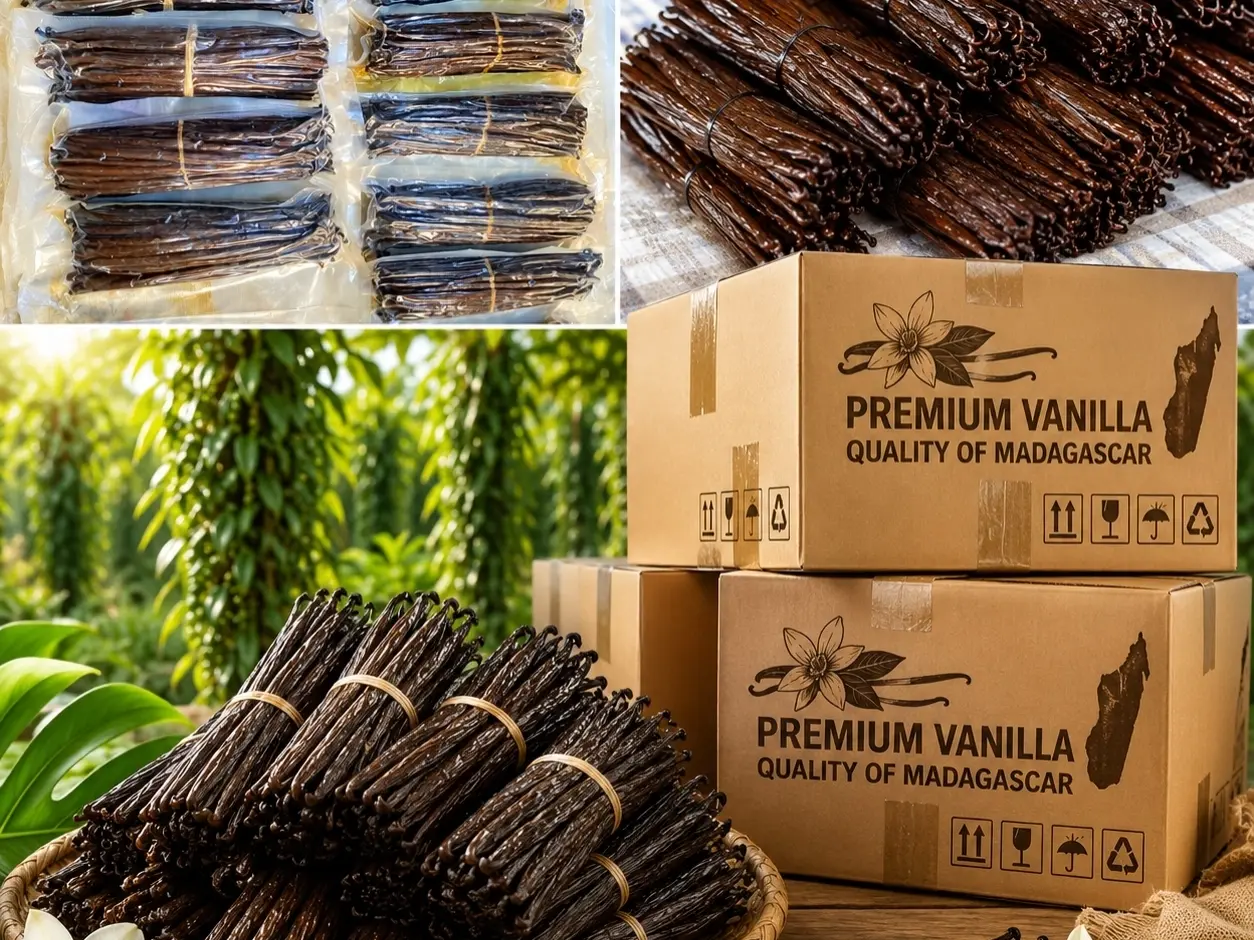
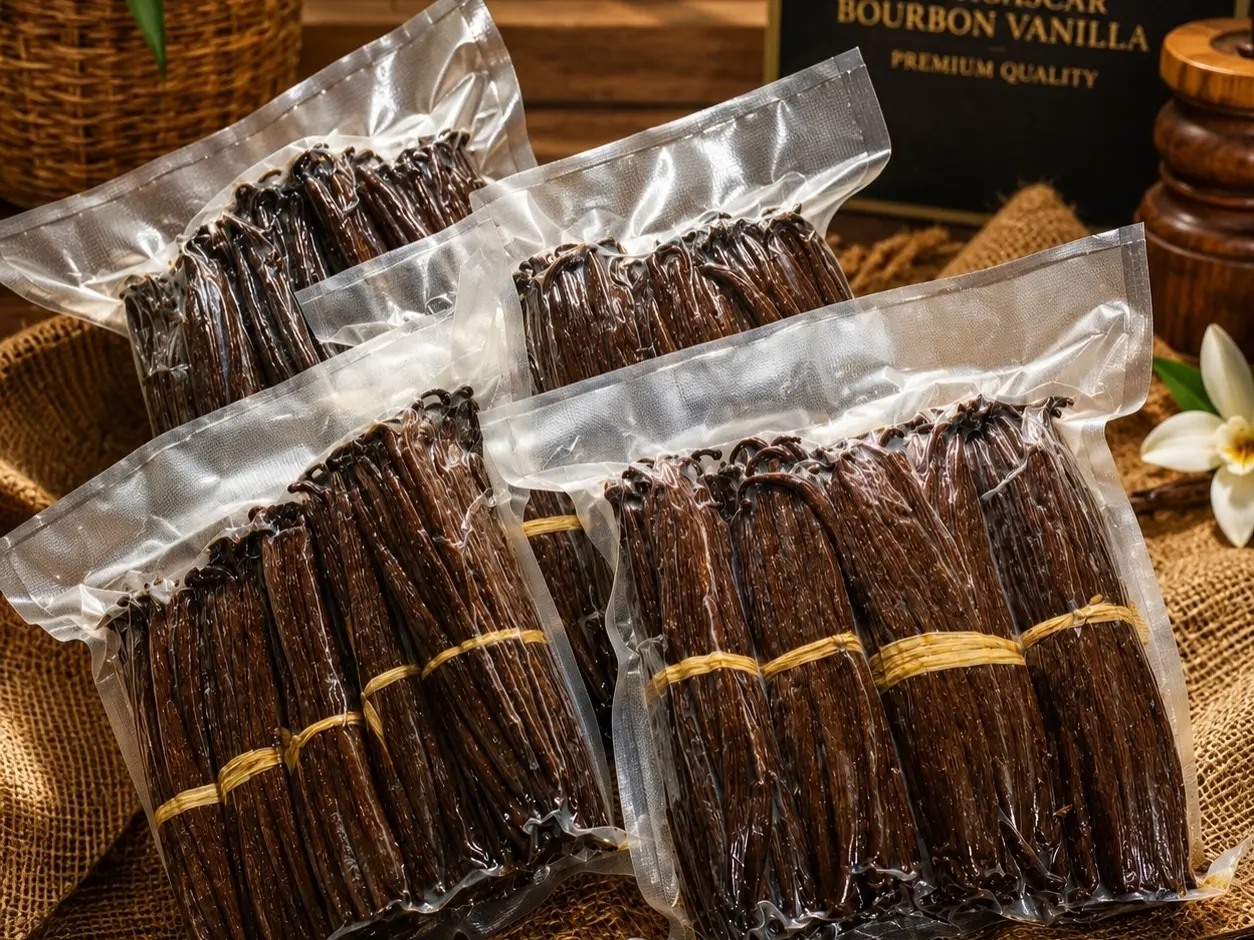
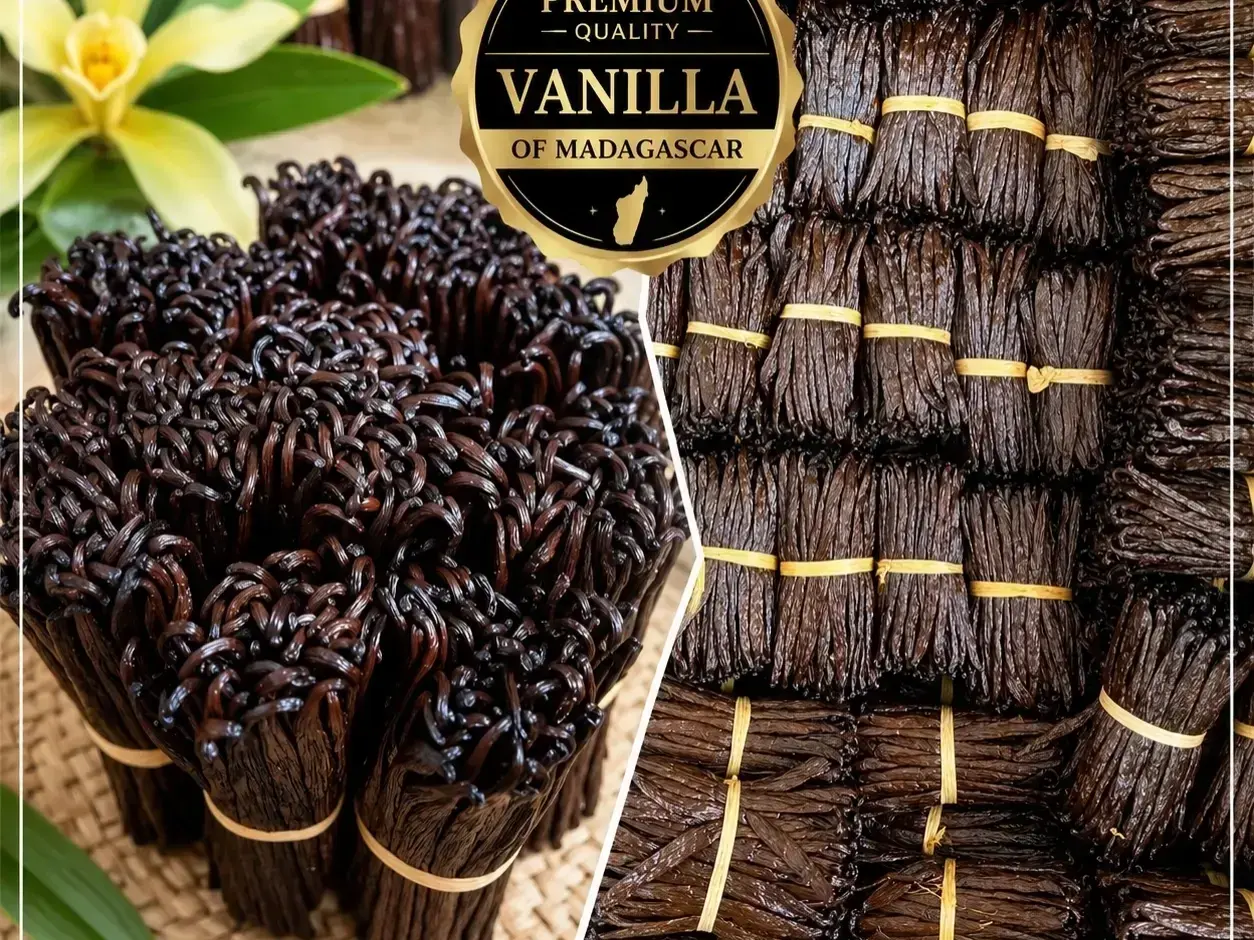
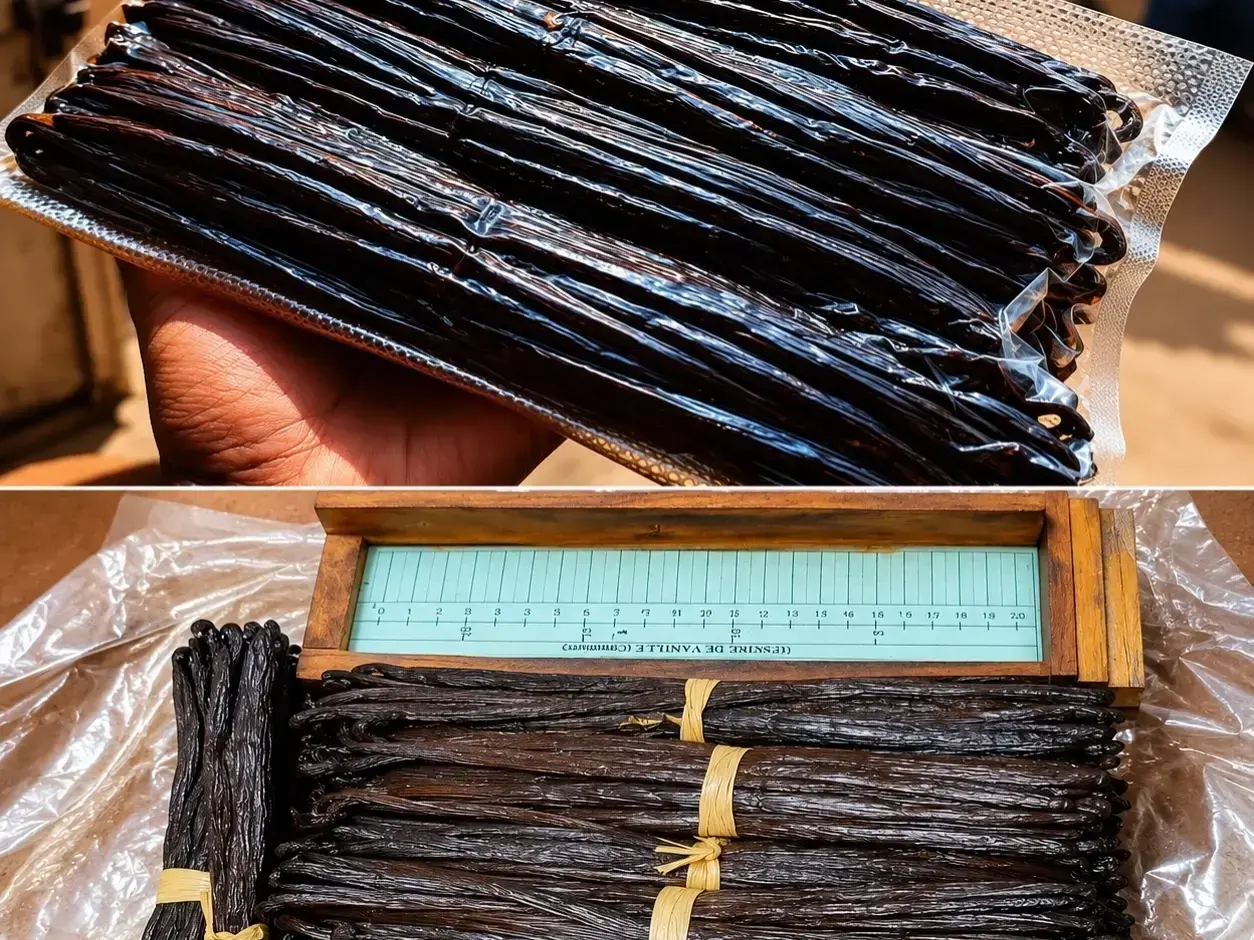
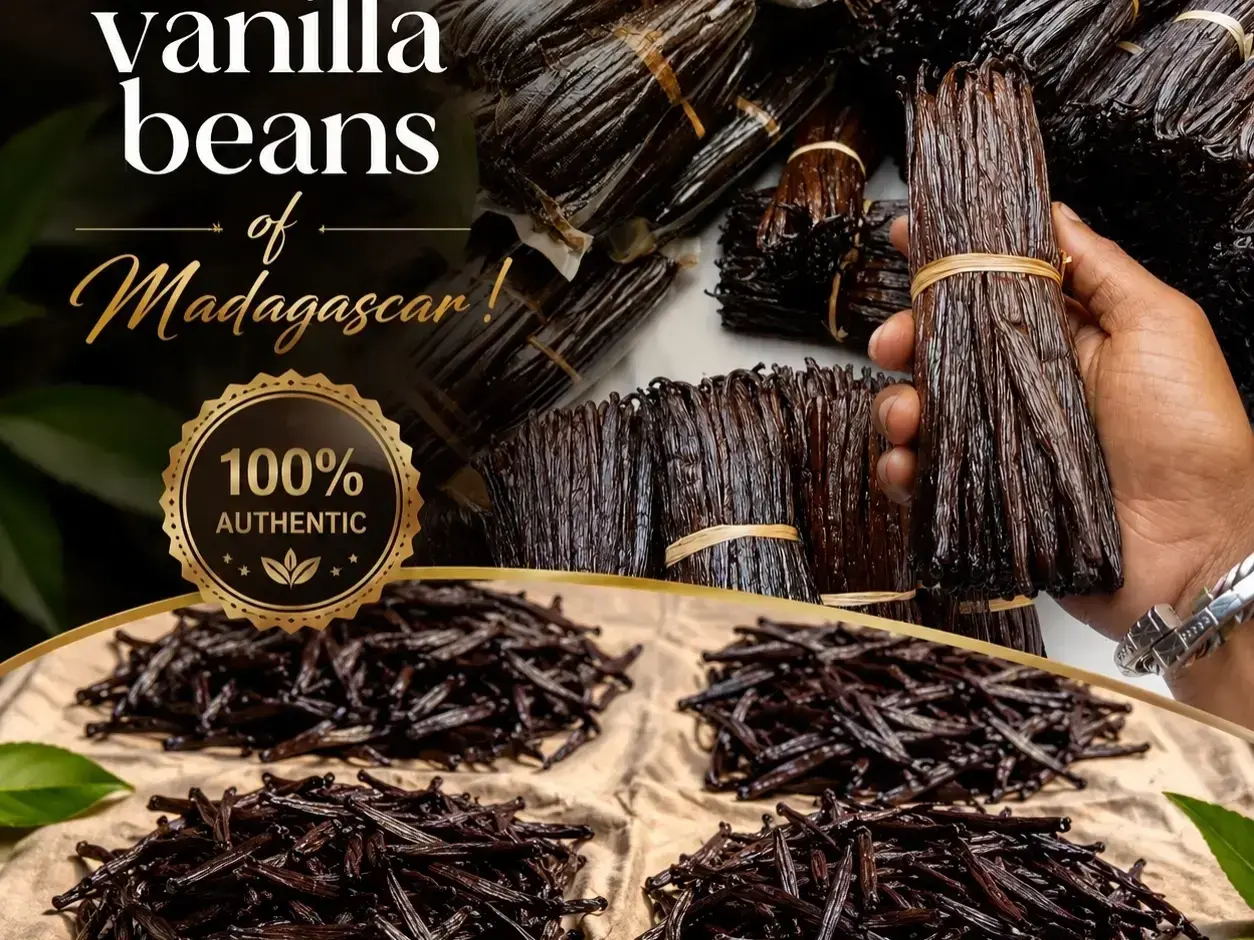
You’ll get a cleaner lot path, from sample review to export documents, across the local market and Sava.
Contact our export team to request samples, access the buyer portal, or get a certified export quote.
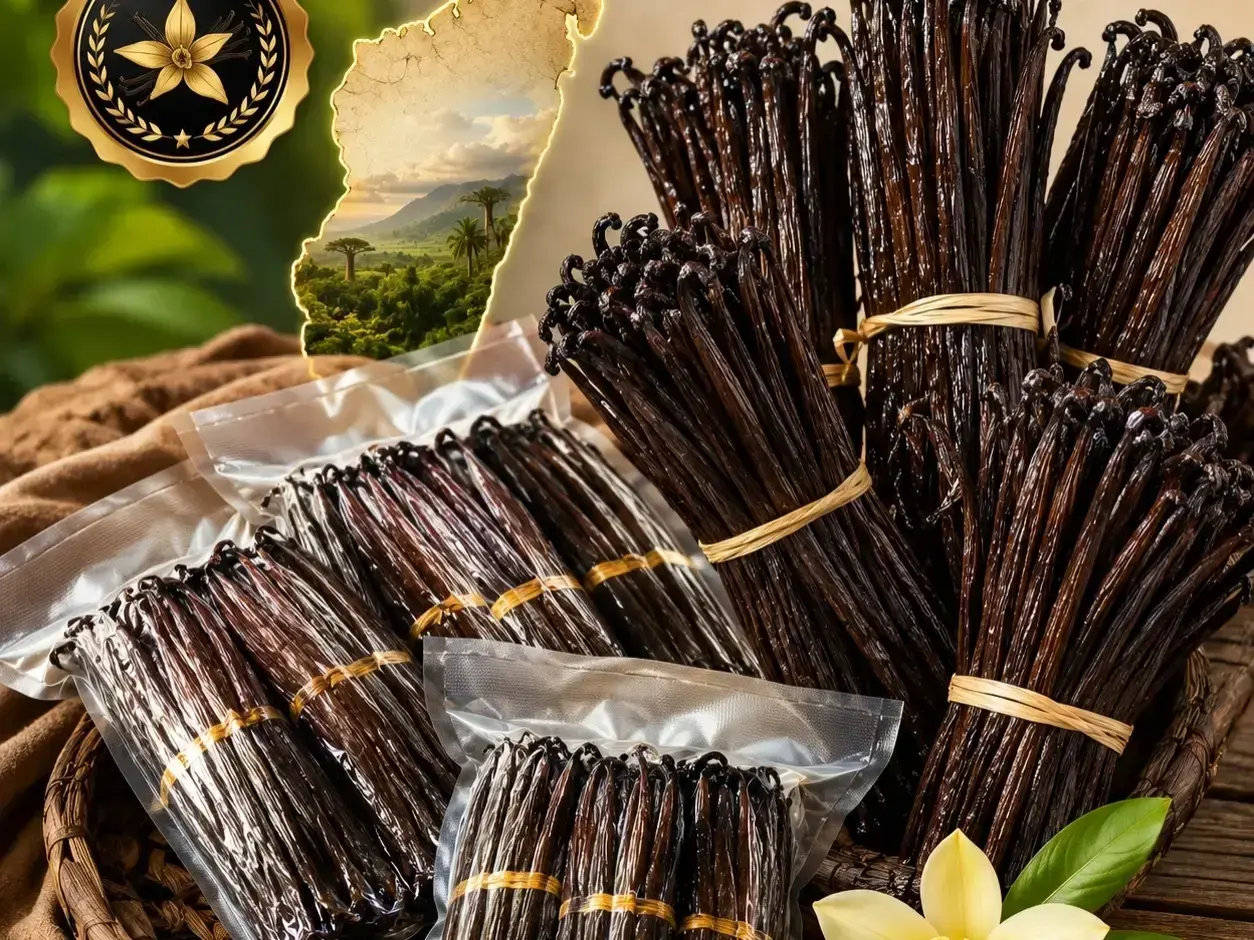
A buyer comparing two suppliers in Sambava, Sava needs to know what really separates the lots, not just the labels. The order depends on aroma, moisture, and seed appearance, and those details can shift after curing in the area. Vanillababa would compare the sample record, check the batch source, and flag anything that could affect Vanilla Export before the buyer commits.
A business in Sambava, Sava may already have beans on hand, but the last provider left the records incomplete. That creates trouble when the buyer needs export documents tied to a specific lot. The next step is a file check, a batch match, and a clean handoff so the shipment doesn't stall on missing traceability.
A processor near Sambava, Sava may need steady vanilla flow from more than one farm area. The challenge is keeping grades separate when curing, sorting, and packing happen at different points. The team would map the lot history, confirm the format, and build a plan that fits the local supply rhythm.