
Lot Intake and Source Check in Antalaha
We start with source records, sample notes, and lot identity checks. That keeps the batch tied to its origin, which matters in this region when curing and handling can vary by supply path.
Madagascar’s north-east vanilla belt depends on careful batch control and export-ready paperwork. Antalaha buyers need steady grading, clear traceability, and honest handling of sample orders.
Antalaha’s vanilla trade runs on harvest timing, curing quality, and buyer trust. One mixed lot can change a whole shipment, so lot records matter here. Vanillababa handles Vanilla Caviar-Vanilla Seeds with batch tags, sample orders, and export documents.
We keep the process plain, because international buyers need facts more than promises. Downtown Antalaha, the port-linked work areas, and outlying farm corridors do not move at the same pace. A buyer near the business core may need faster sample review, while farm-side sourcing needs tighter pre-harvest contract control.

Antalaha supply changes fast during harvest, so lot control matters from the start. We keep each batch tied to source records, which helps buyers compare one lot against another without guesswork.
In Antalaha, Sava buyers often need sample orders before larger decisions, and that step saves time later. We keep samples linked to the same batch notes used for the final export file.
If a lot isn't ready, we say so. In Antalaha, that honesty matters because curing gaps and moisture drift can create avoidable export problems.
The buyer portal keeps lot notes, sample status, and export documents in one place. That works well for Antalaha buyers who manage multiple vanilla grades at once.
Pre-harvest contracts help buyers secure supply before the pressure peaks in the local market. We use that planning to match expected volume with the right grade and format.
Antalaha buyers deal with fresh harvest pressure, curing differences, and export paperwork at the same time. In slower vanilla markets, buyers can wait longer and still keep clean records, but that margin is thinner here.
We start with source records, sample notes, and lot identity checks. That keeps the batch tied to its origin, which matters in this region when curing and handling can vary by supply path.
We sort the lot against the buyer’s target grade and sample profile. This step helps Antalaha buyers avoid mismatches between what they approved and what gets packed.
In Antalaha, We assemble export documents, batch notes, and contract references into one file path. That reduces hold-ups for buyers who need a clean handoff from Sava to the next shipping stage.
We post the lot status in the buyer portal so the order stays visible. That works well when an Antalaha buyer is tracking several vanilla grades at once.
Vanillababa provides comprehensive Vanilla Caviar-Vanilla Seeds in the surrounding area. Here's what you get:
Buyers can compare lots with clearer traceability from Antalaha source farms.
In Antalaha, Sample orders cut confusion before a larger export commitment.
In Antalaha, Pre-harvest planning helps buyers manage Sava supply shifts.
In Antalaha, Cleaner batch records reduce mistakes during export document checks.
Antalaha buyers get a process shaped by curing and harvest timing.
In Antalaha, International buyers can keep product specs tied to each lot.
Vanillababa ensures every Vanilla Caviar-Vanilla Seeds order meets the highest standards—from sourcing through delivery. Here is what guides our process.
Every batch of Vanilla Caviar-Vanilla Seeds is inspected and graded before it leaves our facility, so you receive exactly what was agreed.
Complete documentation—origin certificates, quality reports, and shipping details—accompanies every order.
Dedicated communication throughout the process—from initial inquiry to confirmed delivery at your destination.
A buyer in Antalaha, Sava found that two vanilla lots looked similar but felt different during sample review. The concern was batch mixing after curing.
We separated the records by source, checked the batch-level traceability notes, and matched each sample to its contract file. Then we prepared the export documents for the lot that still matched the target spec.
The buyer kept the better-matched lot and avoided shipping a confused mix. The file stayed aligned with the source record.
Outcome described through batch reconciliation and document alignment.
An international buyer needed a steadier vanilla supply from Antalaha, Sava, but the timing was unclear. The buyer also wanted cleaner grade separation before committing further.
We used pre-harvest contract planning, sample orders, and buyer portal updates to map likely supply windows. The work kept grade notes, lot records, and export paperwork in one path.
The buyer got a clearer view of expected supply and could plan the next order with less uncertainty. The process also reduced back-and-forth on the documents.
Outcome described through supply planning and document readiness.
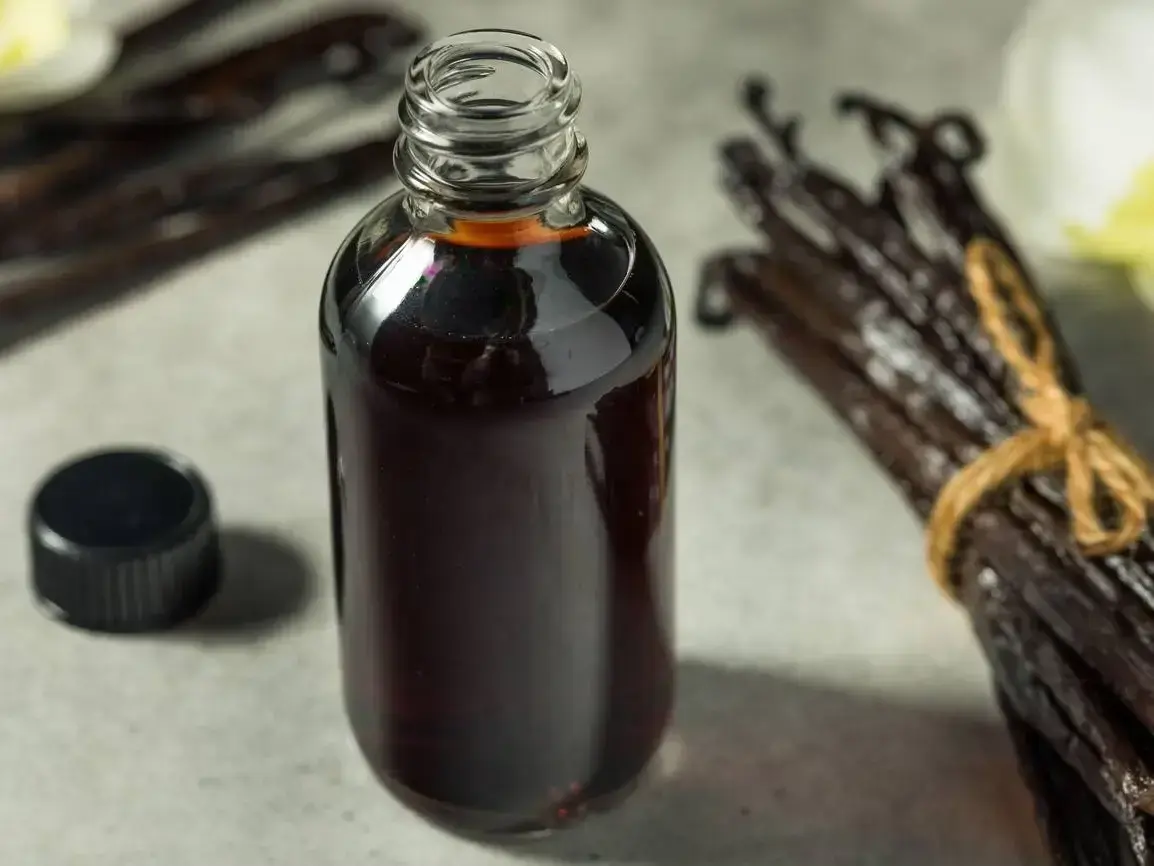
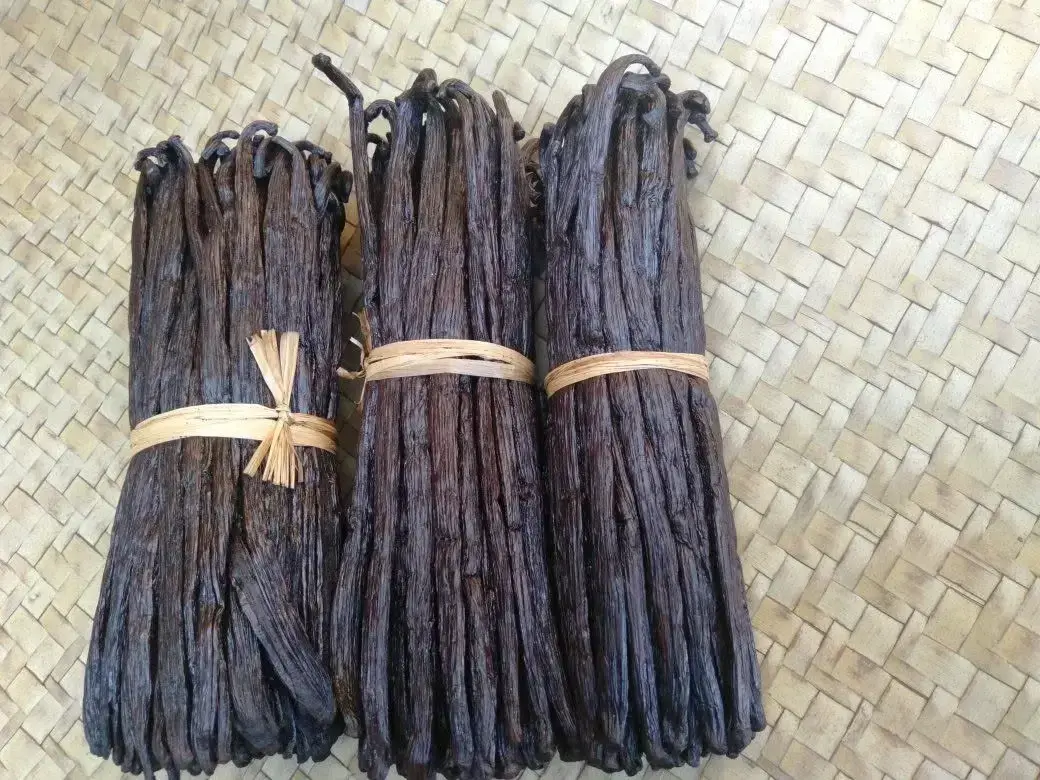
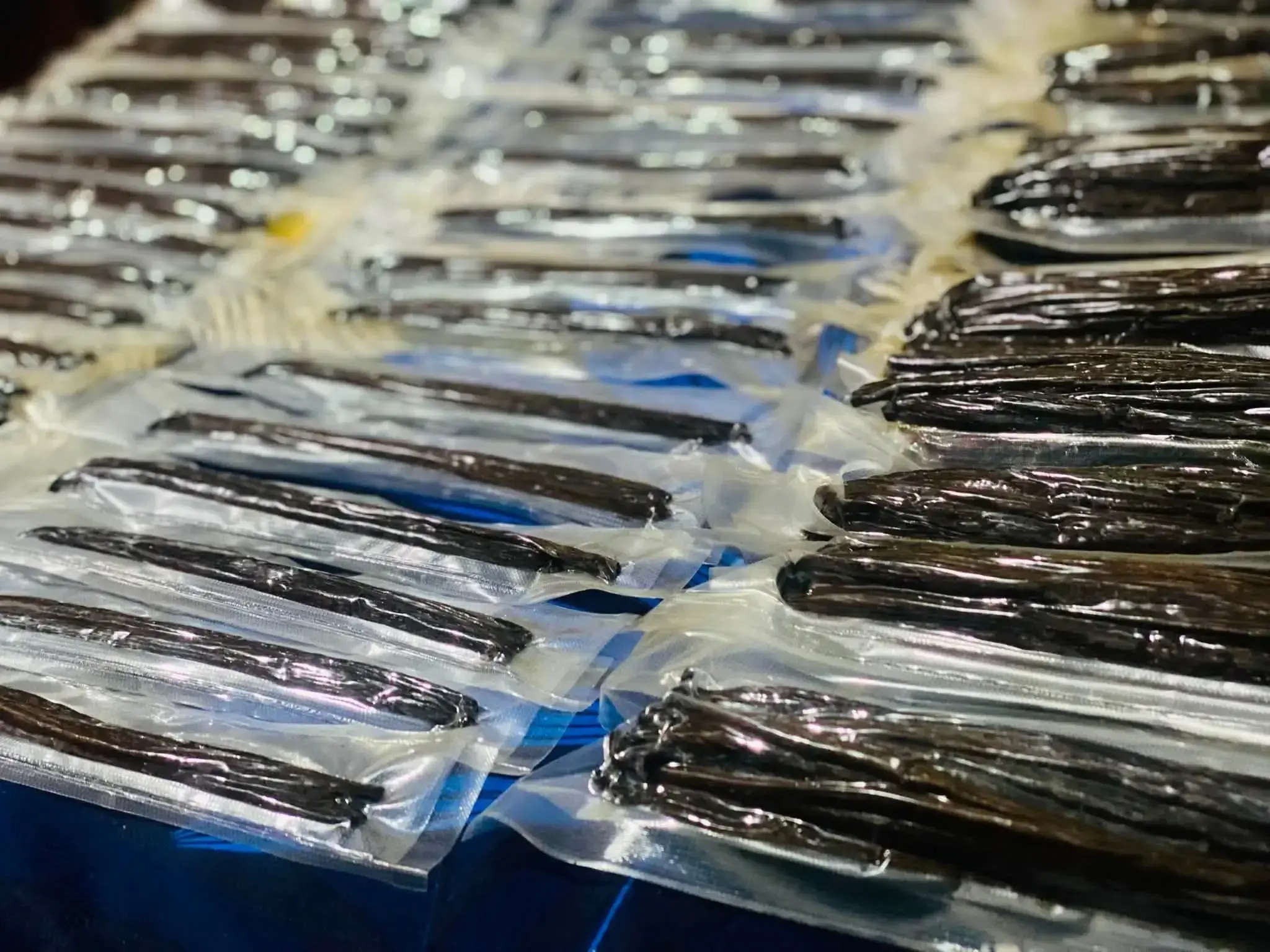
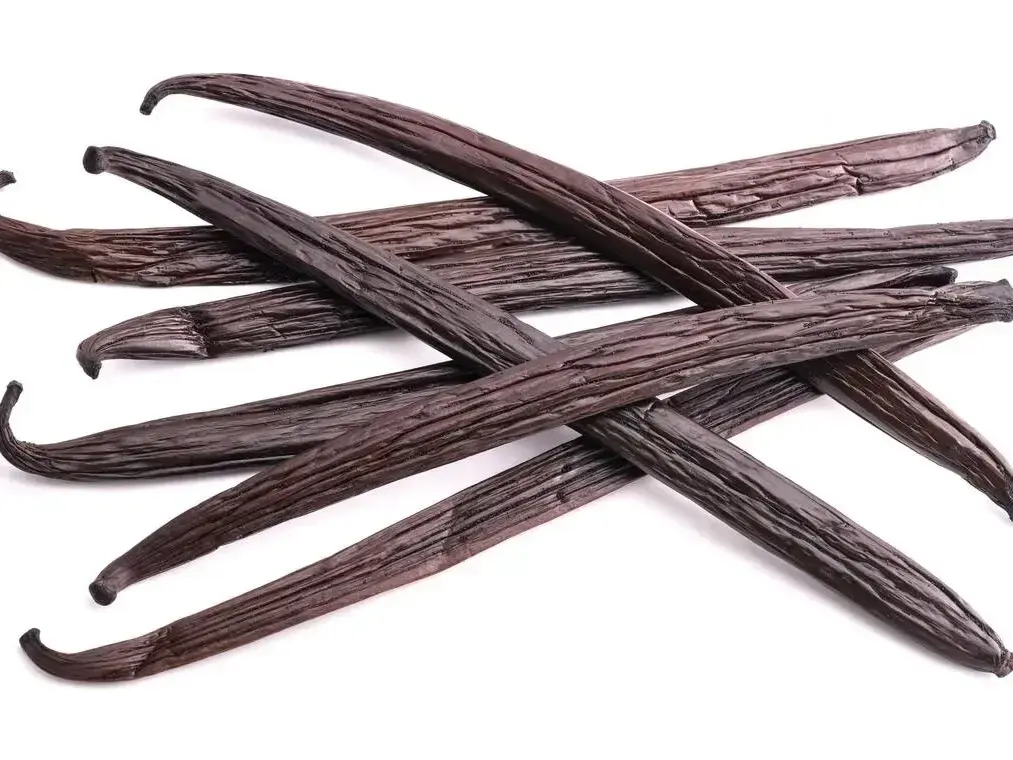

Harvest timing in the area can shift fast, so buyers do better when batch records and export documents are ready early.
Contact our export team to request samples, access the buyer portal, or get a certified export quote.
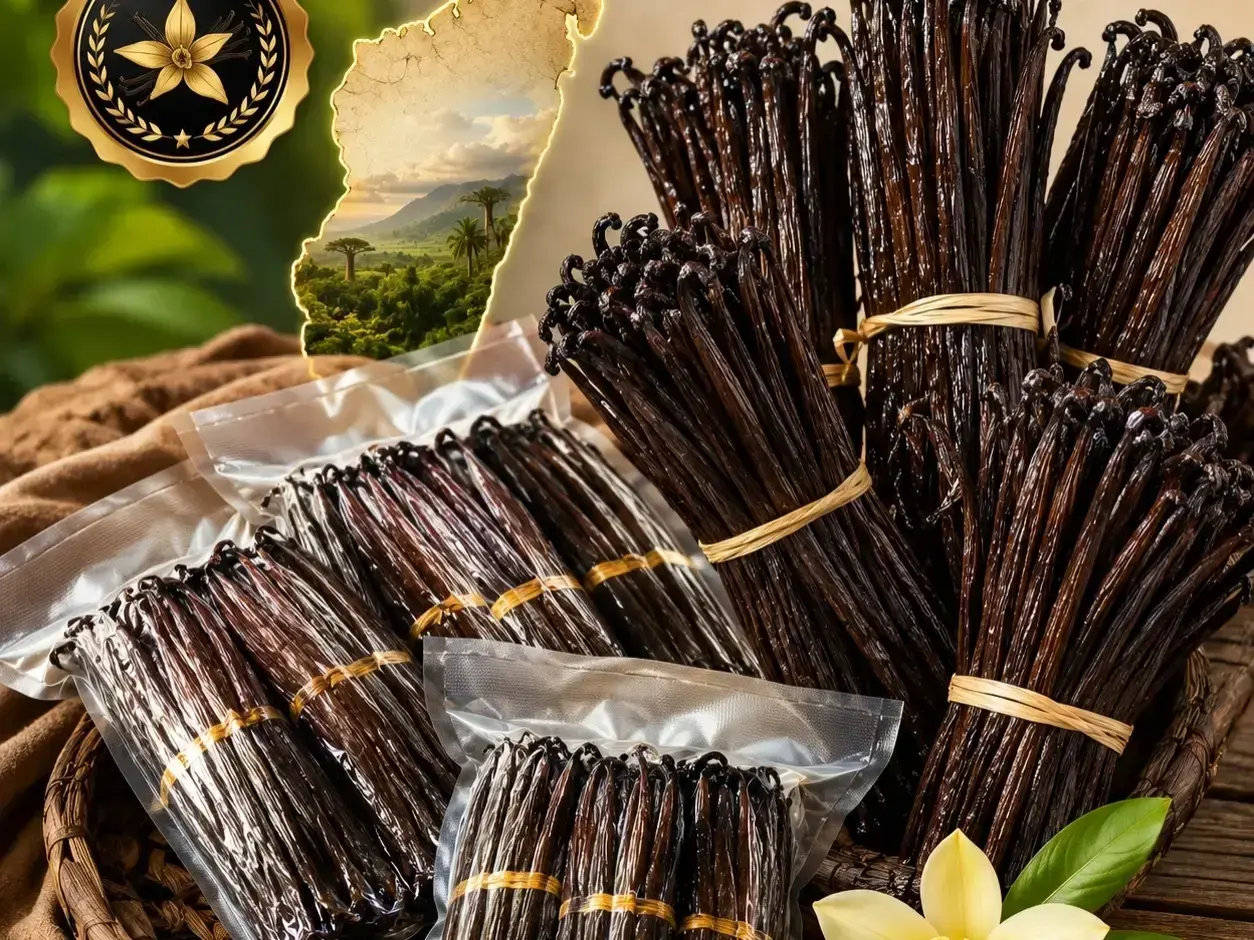
A buyer in Antalaha, Sava may approve one sample and then see a different scent, moisture feel, or seed balance in the next lot. That usually points to curing drift or mixed handling between source farms and the packing stage. Vanillababa checks batch records, sample notes, and export documents together, so the buyer knows whether the lot still matches the original spec before anything moves forward.
A packing site in Antalaha, Sava can run short on space or staff during harvest peaks, and that slows grading. The issue matters more when vanilla caviar and seeds need separate handling for export buyers. We map the lot flow, check batch labels, and plan the sample order around the actual storage setup so the process stays controlled.
Someone comparing vanilla suppliers in Antalaha, Sava may want a safer way to judge traceability, documents, and sample handling. That choice gets easier when one partner explains batch records in plain language and shows how pre-harvest contracts support supply planning. We keep the comparison practical, and we flag gaps early instead of dressing them up.