
Lot Intake and Trace Check in Vohemar
We start with a lot intake sheet and source record review. This links the physical vanilla to its batch notes, which matters in Vohemar when multiple lots move through humid storage.
Vohemar’s coastal humidity can change how vanilla is sorted, packed, and shipped. We keep the focus on traceability, export documents, and clean buyer handoff.
Vohemar’s coastal air can hold moisture, and that matters for vanilla lots. Wet weather can slow drying, raise packing risk, and affect how buyers judge consistency. Vanillababa works with batch-level traceability, sample orders, and export documents that match buyer needs.
We keep an eye on cure stage, lot separation, and packing order, so records stay clear. A buyer in central Vohemar may need faster sample checks than someone sourcing through the wider Sava supply area. The local market moves with weather, so clean sorting and steady communication matter more than flashy claims.
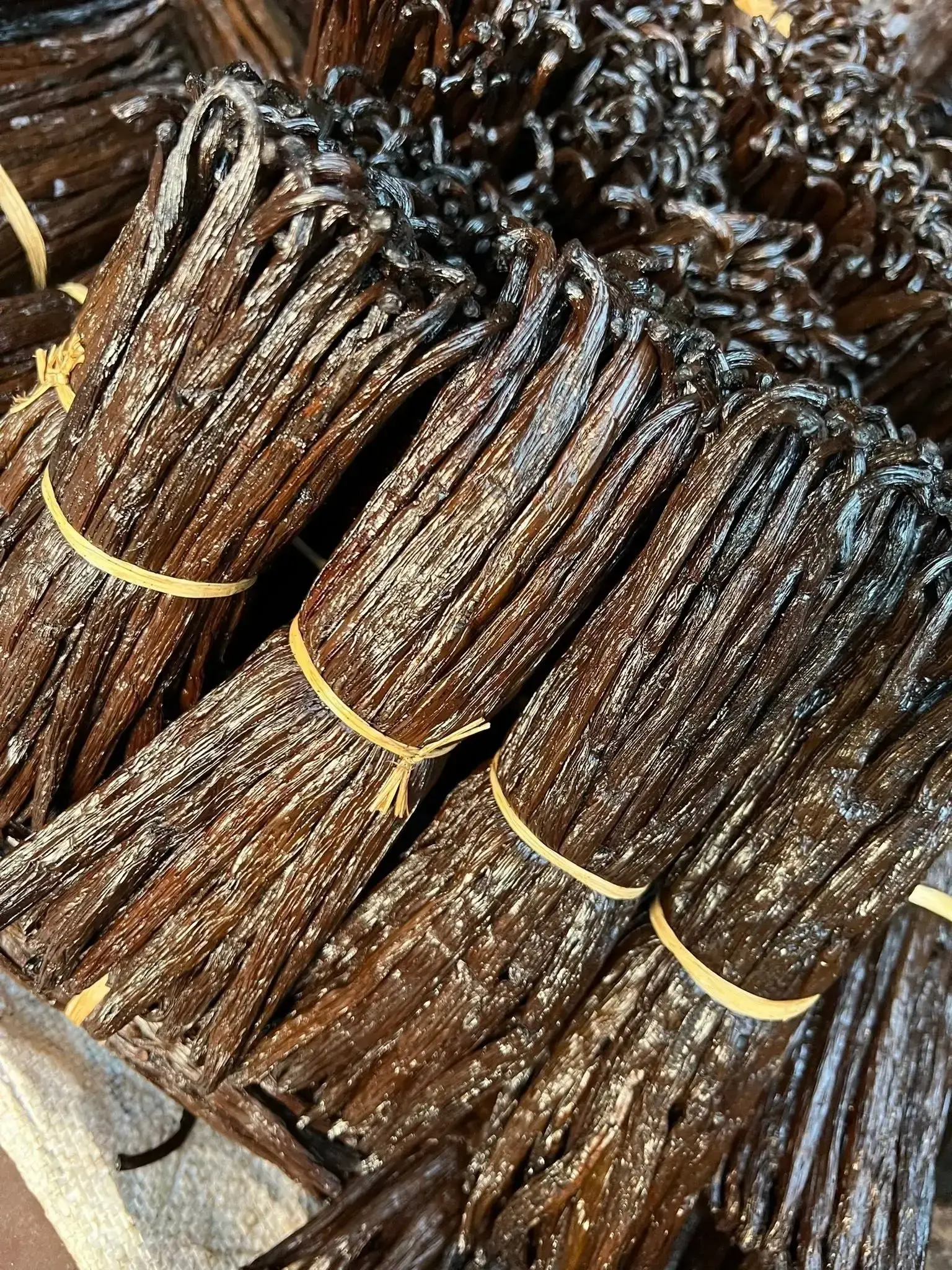
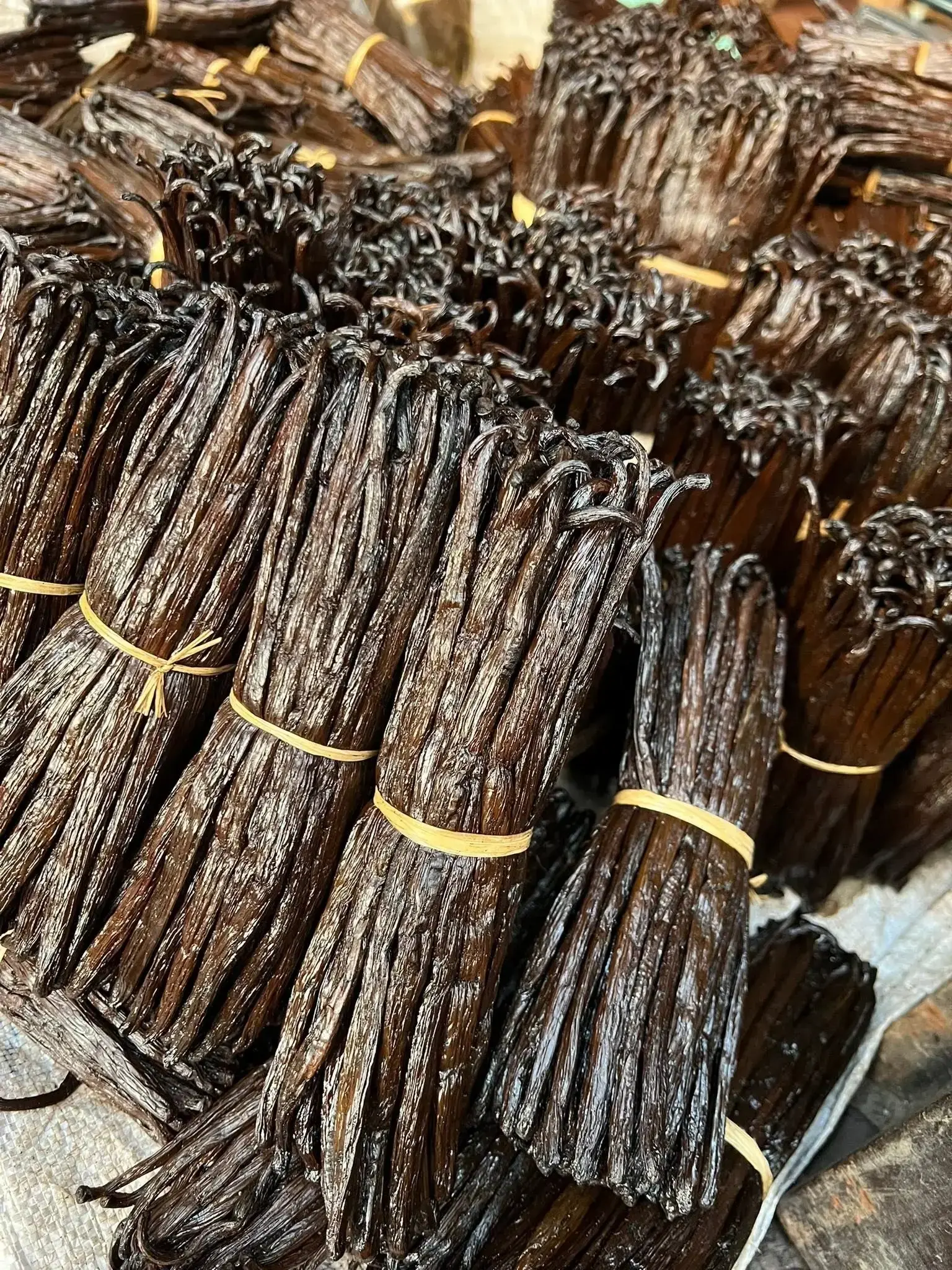
Vanillababa provides comprehensive Unsorted Vanilla in Vohemar. Here's what you get:
We start with a lot intake sheet and source record review. This links the physical vanilla to its batch notes, which matters in Vohemar when multiple lots move through humid storage.
We check cure stage and packing condition before export steps continue. That helps spot moisture risk early, which is useful after rain across Vohemar and the wider Sava area.
In Vohemar, We prepare sample orders against the buyer’s target grade and lot profile. This gives international buyers a clean way to compare vanilla before they approve a larger move.
We match product notes to customs documentation and buyer records. That prevents gaps between what was packed in Vohemar and what the receiving side expects.
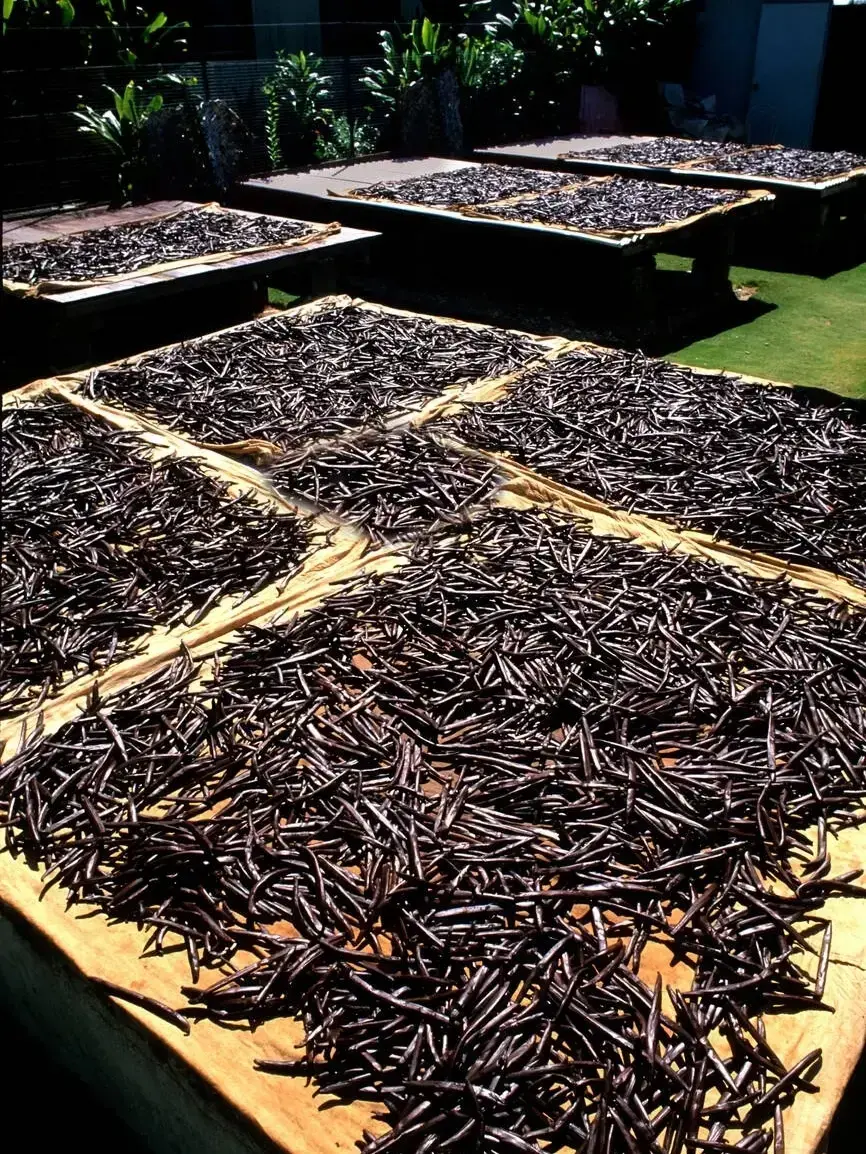
The wetter months around Vohemar need extra care, because moisture can slow curing and packing. Dry periods are easier for sample prep, but afternoon heat still calls for careful storage. Buyers should plan earlier when rain is active in Sava.
Vohemar buyers need lot identity to stay intact from source to shipment. We keep traceability tied to each batch, so mixed vanilla doesn’t create avoidable disputes later.
Vohemar sees weather shifts that can slow drying and affect packing. We factor that into sorting and document timing, so the batch is ready before it moves.
Vohemar clients don’t always need the same export steps, and we say that plainly. If a lot isn’t ready, we’ll tell you what’s missing instead of pushing a weak shipment.
Vohemar export work depends on clean paperwork, sample notes, and batch links. We keep those records aligned, so your team can move faster when the order is approved.
Vohemar sourcing often pulls from more than one part of Sava. We organize those lots carefully, so buyers can compare quality without losing track of origin.
You get clearer lot records for Vohemar shipments.
In Vohemar, You reduce confusion when lots move through humid storage conditions.
In Vohemar, You can compare samples before committing to larger export volumes.
In Vohemar, You keep export paperwork tied to the correct batch.
In Vohemar, You get better control when Sava supply shifts after rain.
In Vohemar, You can manage buyer expectations with cleaner grading notes.
Vanillababa ensures every Unsorted Vanilla order meets the highest standards—from sourcing through delivery. Here is what guides our process.
Every batch of Unsorted Vanilla is inspected and graded before it leaves our facility, so you receive exactly what was agreed.
Complete documentation—origin certificates, quality reports, and shipping details—accompanies every order.
Dedicated communication throughout the process—from initial inquiry to confirmed delivery at your destination.
A buyer in Vohemar had vanilla from more than one source, and the records no longer matched the physical lots. Moisture changes after rain made the batch harder to separate cleanly.
We used batch-level traceability and sorted the material by source note, pack state, and document set. That gave the buyer a cleaner path for Vanilla Export paperwork and sample review.
The buyer could separate the usable lot from the weaker material and move ahead with clearer records.
Outcome based on batch separation and document cleanup, with no fabricated figures.
A buyer comparing providers in Vohemar needed to know if the vanilla matched export expectations before larger movement. The main concern was trust, not volume.
We prepared sample orders, tied each sample to its lot record, and matched notes to the buyer’s target grade. That made the decision process easier across the Sava supply chain.
The buyer had a cleaner basis for approval and a more orderly next shipment plan.
Outcome based on sample-linked approval and clearer lot records, without invented statistics.
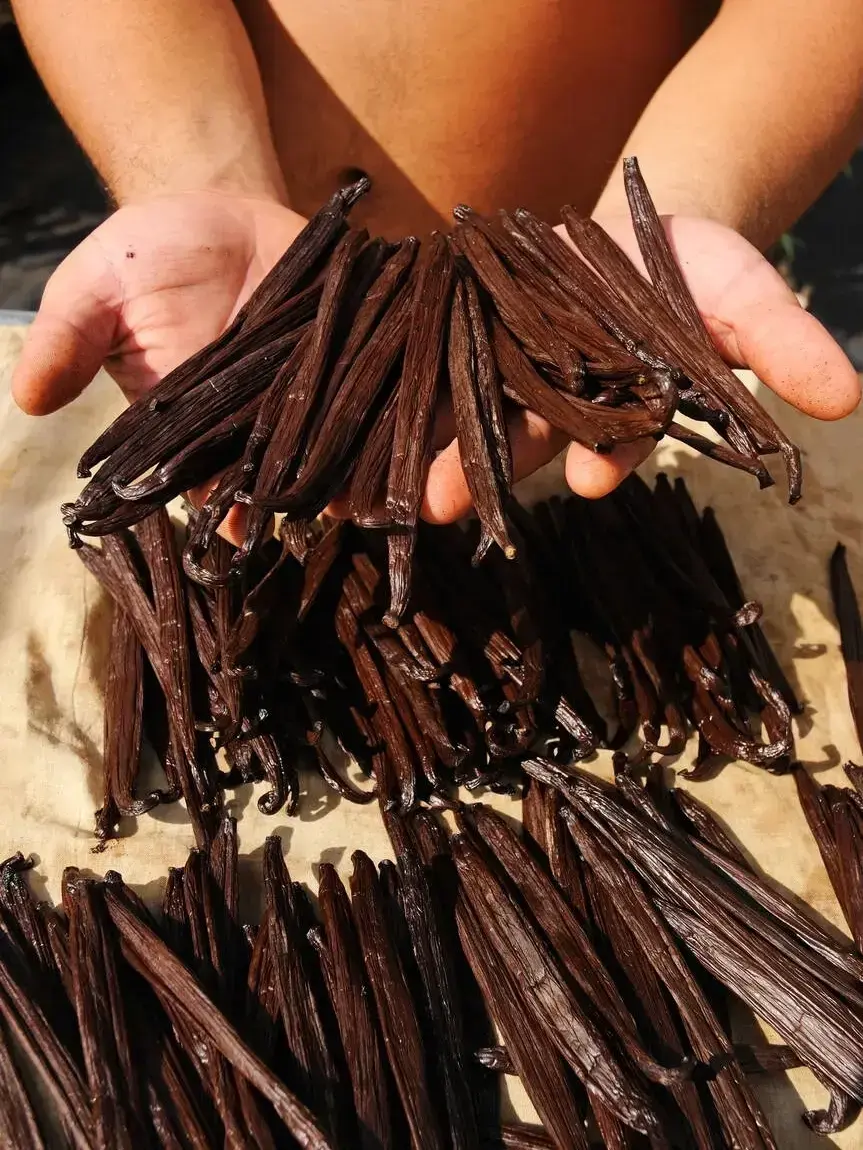
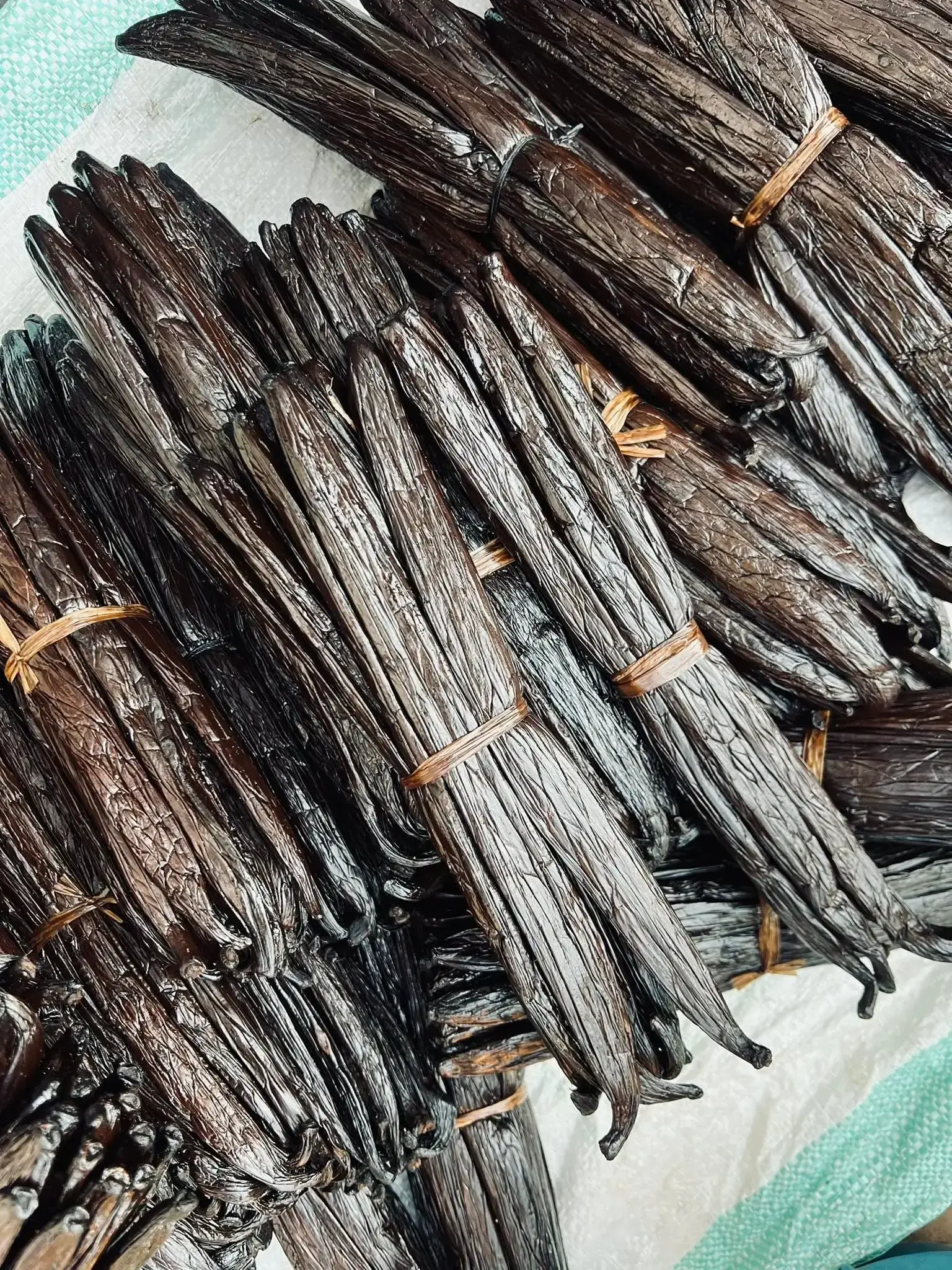
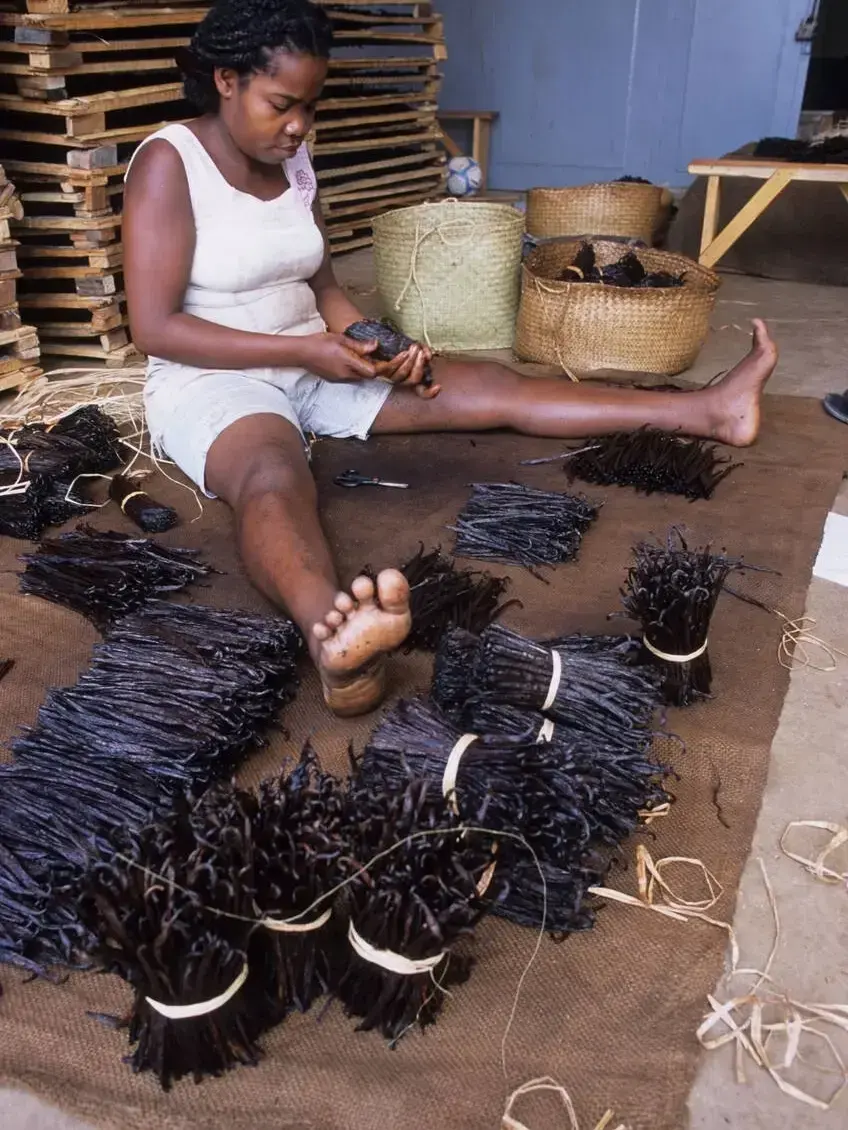
Reach out, and we’ll map the first batch details, document needs, and sample steps before anything moves forward.
Contact our export team to request samples, access the buyer portal, or get a certified export quote.

A buyer in Vohemar, Sava may receive a batch with missing lot notes, weak sample detail, or unclear packing order after another provider dropped the handoff. That matters more in the coastal humidity, because delayed sorting can change how the vanilla holds up in storage. We’d start with batch mapping, then separate the lot by source and readiness before any export move. That keeps the next step honest and avoids sending mixed records into customs paperwork.
Someone comparing vanilla export partners in Vohemar, Sava often wants to know what actually separates one offer from another. The real difference is usually traceability, sample handling, and how well the provider matches records to the buyer’s final market. We’d lay out the lot details, document path, and curing stage so the comparison is based on facts, not claims.
A sourcing manager in Vohemar, Sava may want to know exactly what gets handled before committing to a batch. That request is common when the buyer has had gaps with export documents, sample prep, or origin notes in the past. We’d outline the lot status, required paperwork, and any packing limits first, then decide whether the order should move now or wait for a better batch.