
Batch Sorting and Lot Mapping in Vohemar
We use batch sorting to separate gourmet lots from mixed stock and weaker beans. That matters in Vohemar, where humidity can make mixed handling look better than it is.
Vohemar’s humid coast can slow curing and shake up batch consistency. We keep the grading tight, so buyers get steady vanilla export lots.
Vohemar’s coastal humidity can change how vanilla cures, stores, and ships. That matters in Sava, where warm air can soften beans if handling slips. Vanillababa builds each Grade A lot around batch traceability, sample orders, and export paperwork.
The process helps buyers check condition before they commit, which matters in a place where weather shifts fast. Vohemar buyers don't all need the same setup. A buyer near the port side may care about fast document flow, while a sourcing partner in the inland supply zone may care more about curing stability and lot consistency.
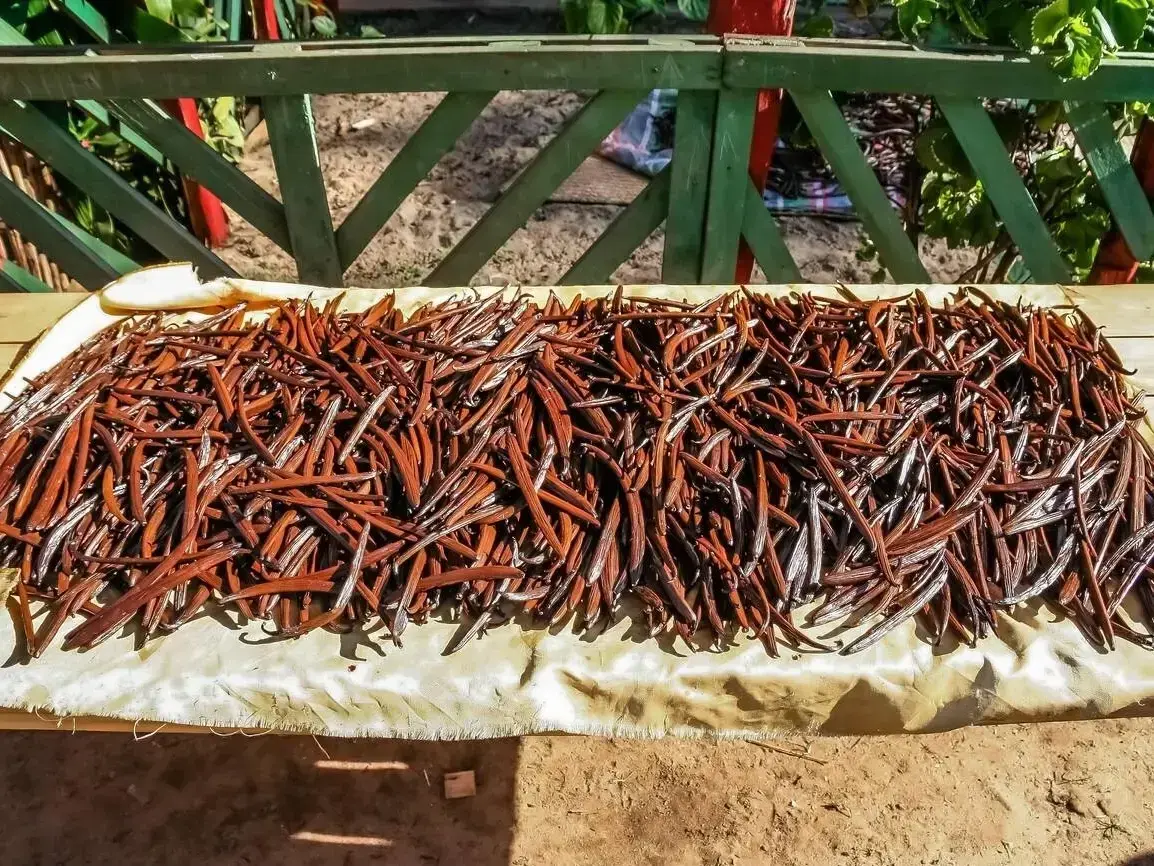
We sort Grade A lots with export use in mind, not just appearance. That matters in Vohemar, where humidity can affect the same lot very differently by handling day.
Sample orders come before bigger commitments, so buyers can compare aroma, length, and bean condition. In Vohemar, that step helps cut risk when weather has changed curing quality.
We prepare export paperwork early and keep the lot record tied to each shipment. Buyers in Vohemar need that discipline because a missing paper can slow the whole vanilla export flow.
We won't push Grade A Gourmet Vanilla if the batch doesn't fit the buyer's use. That honesty matters in Vohemar, where curing and storage conditions can make a lot better for another grade.
Pre-harvest contracts help line up vanilla export supply with buyer demand and harvest timing. In Vohemar, that planning is useful when weather makes field access and curing less predictable.
Vohemar buyers deal with coastal humidity, so bean condition and storage checks matter more than in drier areas. Compared with inland sourcing, this market needs tighter lot control, faster sample review, and cleaner export documentation.
We use batch sorting to separate gourmet lots from mixed stock and weaker beans. That matters in Vohemar, where humidity can make mixed handling look better than it is.
In Vohemar, We compare sample beans for length, skin feel, and aroma before larger commitments. In Sava, this helps buyers catch moisture-related changes before the order moves further.
We build a traceability file that ties the lot to source notes, handling steps, and export records. That file helps buyers in Vohemar explain what they’re buying and why the grade holds up.
We prepare the export paperwork around the shipment path and buyer requirements. In Vohemar, that step matters because weather and transport timing can compress the window for clean handoff.
Vohemar humidity makes careful grading more valuable, because bean condition can shift during storage.
Local supply planning helps buyers avoid surprises when weather slows curing in Sava.
Batch traceability gives Vohemar buyers a clear record for each vanilla lot.
In Vohemar, Sample orders let buyers judge aroma, length, and appearance before larger sourcing.
In Vohemar, Export-ready paperwork reduces delays when the shipment leaves Madagascar.
Pre-harvest contracts help match supply timing to buyer demand in the local market.
Vanillababa provides comprehensive Grade A Gourmet Vanilla in this region. Here's what you get:
A Vohemar buyer needed Grade A Gourmet Vanilla for export, but the earlier lot file was incomplete. The buyer also worried that coastal humidity had affected the bean finish.
We matched the batch to traceable source notes, sample checks, and export paperwork review. The process kept the lot tied to its handling record and reduced confusion before shipment.
The buyer could compare the lot with a clear record and move ahead with cleaner documentation. That made the sourcing step easier to explain to downstream buyers.
Outcome-based result; no numeric claim was provided.
A sourcing partner in Vohemar saw uneven bean condition after a wet stretch in Sava. The main issue was not supply volume, but inconsistent handling during curing and storage.
We used batch-level sorting, sample orders, and storage checks before final selection. That approach fit the climate risk and kept weak lots out of the export set.
The buyer received a cleaner Grade A selection and a clearer view of what each lot could support. The follow-up questions dropped because the records were easier to read.
Outcome-based result; no verified industry number was supplied.
Vanillababa ensures every Grade A Gourmet Vanilla order meets the highest standards—from sourcing through delivery. Here is what guides our process.
Every batch of Grade A Gourmet Vanilla is inspected and graded before it leaves our facility, so you receive exactly what was agreed.
Complete documentation—origin certificates, quality reports, and shipping details—accompanies every order.
Dedicated communication throughout the process—from initial inquiry to confirmed delivery at your destination.
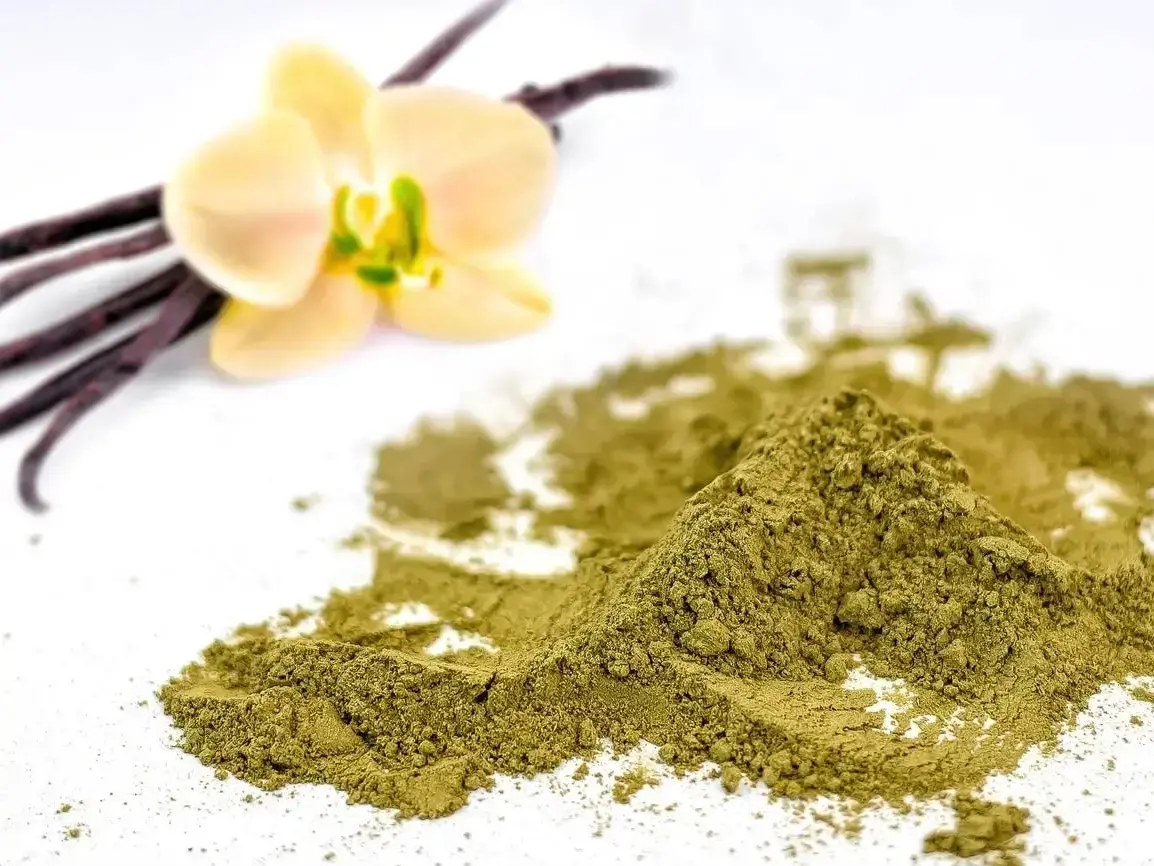
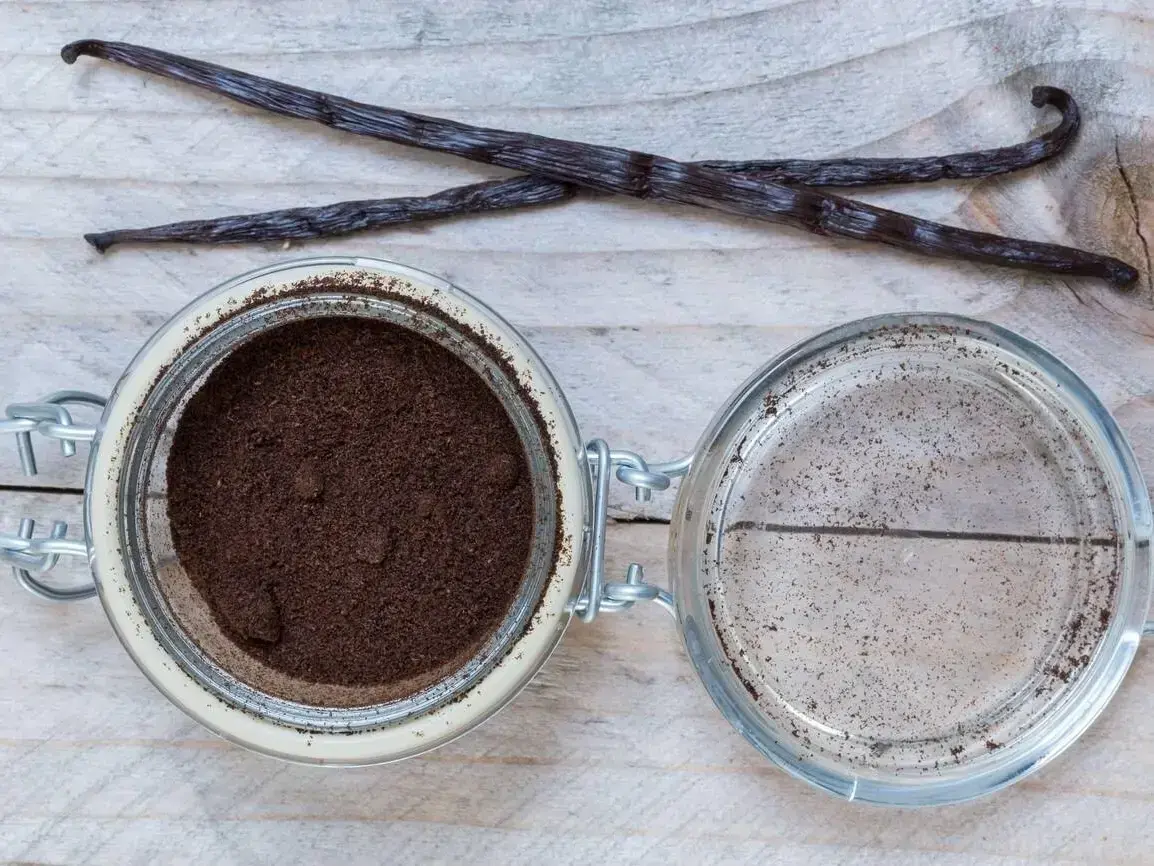
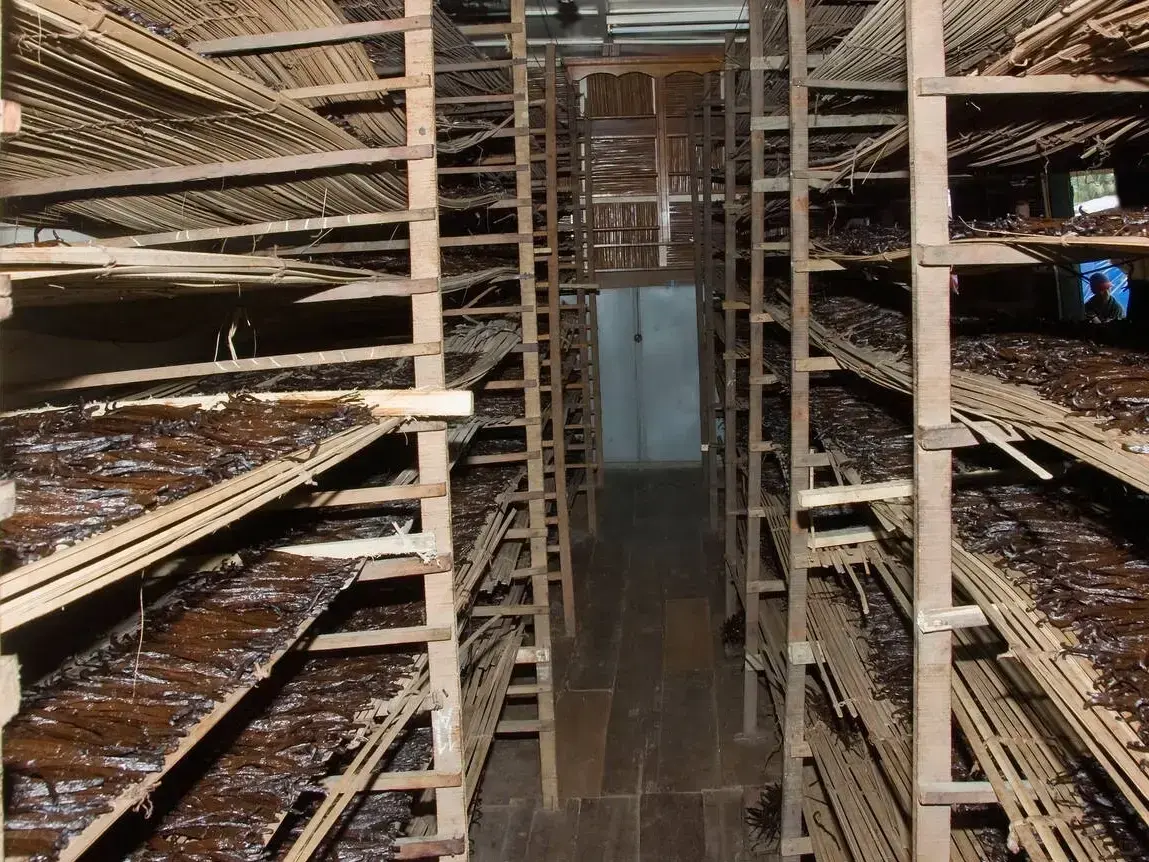
Reach out and we’ll start with sample review, lot records, and export paperwork planning before your order moves forward.
Contact our export team to request samples, access the buyer portal, or get a certified export quote.
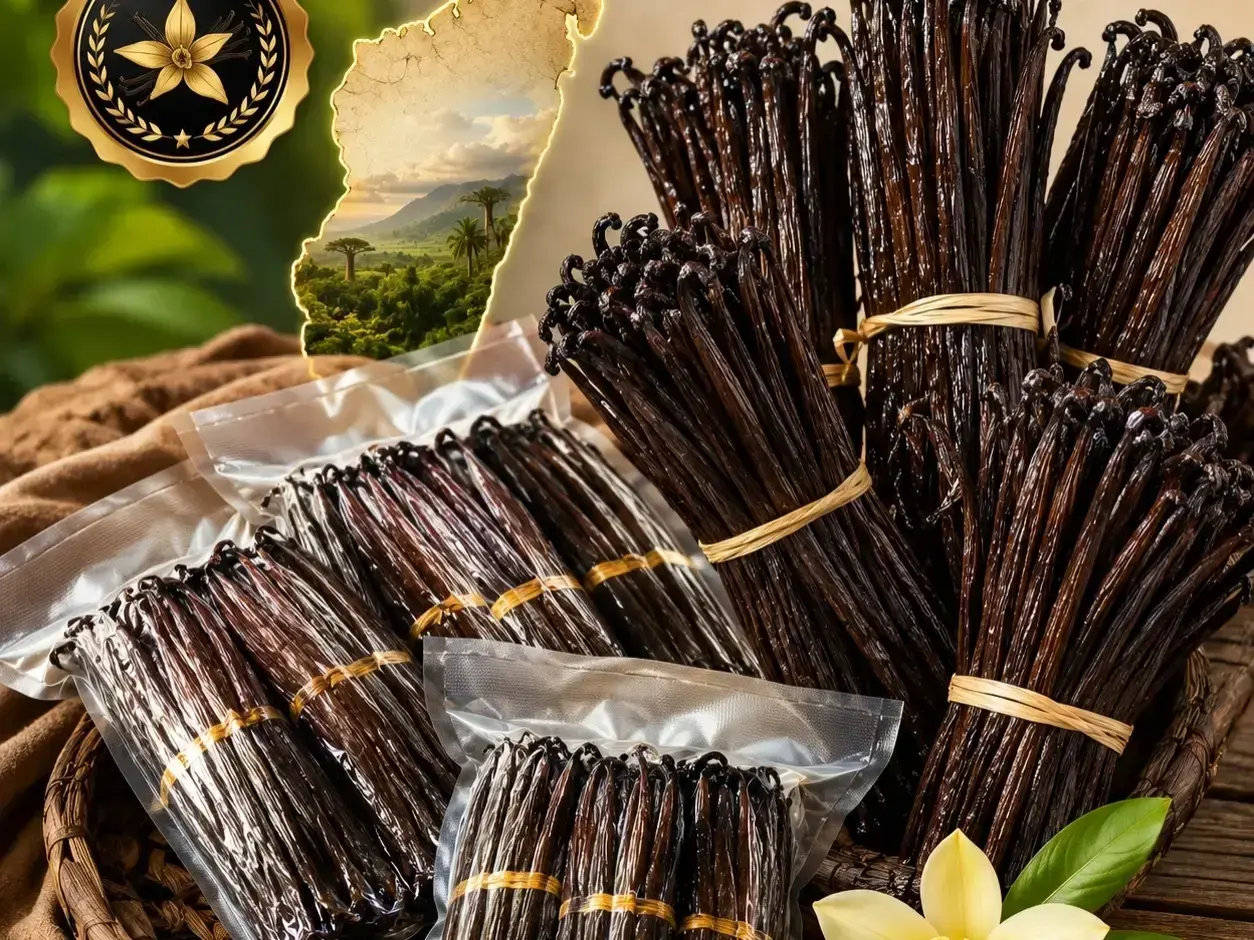
A buyer in Vohemar, Sava may want Grade A Gourmet Vanilla, but first needs clear scope and lot details. That concern gets sharper after past batches arrived with weak traceability or uneven moisture. Vanillababa starts with sample review, batch records, and export document planning so the buyer can judge fit before moving ahead.
A packing site near Vohemar, Sava can face tight access, warm storage rooms, and humidity that changes bean feel. That matters for gourmet vanilla, because the same lot can drift if handling is slow. We adapt by checking storage conditions, pack timing, and record flow before the order moves.
Someone in Vohemar, Sava may have bought vanilla from another provider and still lacks clean records or clear lot explanation. That leaves the buyer unsure about grade, cure status, and export readiness. We work around that by rebuilding the lot file, confirming what can be verified, and flagging what still needs attention.