
Lot Intake and Source Check in Sambava
We start with lot intake and source verification, then tie the batch to its farm record. That matters in Sambava because mixed supply can blur where one lot ends and another begins.
Buyers in Sambava need vanilla that matches export paperwork, lot identity, and sample timing. Coastal humidity can change handling needs fast.
Sambava sits in Madagascar’s main vanilla belt, so buyers watch curing, humidity, and lot identity closely. When fruit is handled well early, the export stage gets simpler later. In the town center, buyers often want tight document control and sample checks.
In the wider area around Ambodiampana and surrounding farm routes, the work can shift toward source tracking and pre-harvest planning. Vanillababa keeps those differences in view and matches the lot to the buyer’s use. That approach helps Sambava clients move from inquiry to export with less back-and-forth.
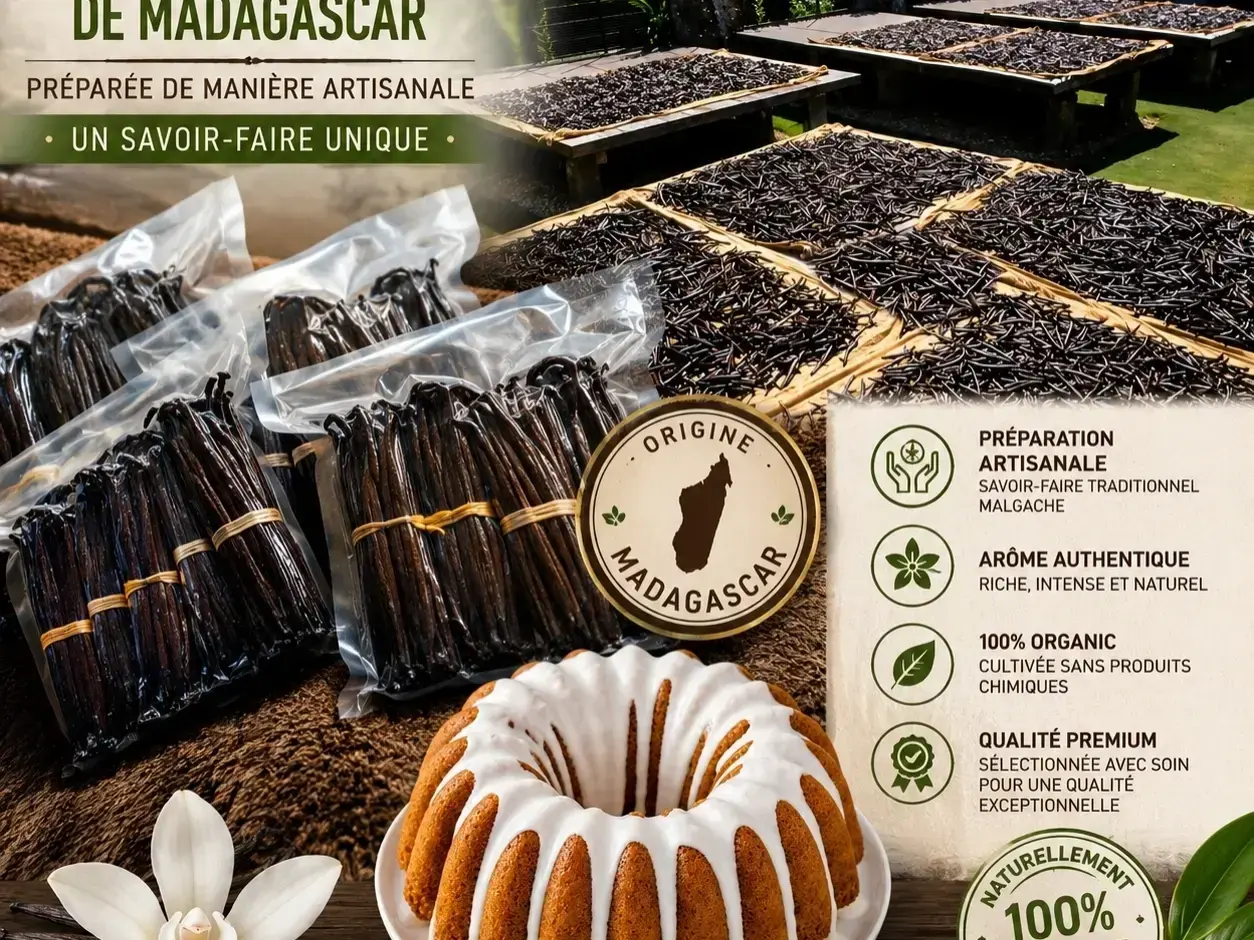
Vanillababa provides comprehensive Unsorted Vanilla in Sambava. Here's what you get:
We start with lot intake and source verification, then tie the batch to its farm record. That matters in Sambava because mixed supply can blur where one lot ends and another begins.
We sort the vanilla by grade and format, then prepare a sample set for buyer review. In the area's humid conditions, this step helps keep condition notes close to the actual batch.
In Sambava, We prepare export documents and match each field to the batch file. This reduces mismatches that can slow customs review or buyer approval.
When supply timing matters, we use pre-harvest contracts and update the lot plan. That gives Sambava buyers a better path when harvest movement is still unfolding.
We keep batch-level traceability with each lot, so buyers can follow the source path. In Sambava, that matters because mixed supply can create document gaps if records drift.
Sambava supply can change with the harvest cycle, so we use pre-harvest contracts where planning matters most. That gives buyers a clearer path when timing is tighter than expected.
We send sample orders before larger commitments, so buyers can check aroma, bean condition, and grade fit. In Sambava, that step helps reduce mistakes after curing and packing.
We don’t push a lot if the paperwork is not ready, and that honesty can slow a sale. Sambava buyers get cleaner export files when the documents match the actual batch.
Sambava links to wider Sava supply routes, so we can source across more than one growing area. That helps buyers compare lots without losing the trace trail they need.
Unsorted Vanilla in Sambava needs tighter lot records than many inland buying points. The coastal climate, farm access patterns, and export flow from Sava all make traceability more important.
Buyers in this region can compare lots faster when trace data stays attached to each batch.
In Sambava, Export files move with fewer gaps when grading and paperwork are handled together.
Local supply from Sava helps buyers plan around the vanilla harvest cycle.
Coastal humidity in Sambava makes careful packing and storage more important after curing.
In Sambava, Pre-harvest contracts help buyers protect supply plans before peak movement starts.
In Sambava, Sample orders give international buyers a safer way to judge aroma, moisture, and bean condition.
Vanillababa ensures every Unsorted Vanilla order meets the highest standards—from sourcing through delivery. Here is what guides our process.
Every batch of Unsorted Vanilla is inspected and graded before it leaves our facility, so you receive exactly what was agreed.
Complete documentation—origin certificates, quality reports, and shipping details—accompanies every order.
Dedicated communication throughout the process—from initial inquiry to confirmed delivery at your destination.
A buyer needed mixed vanilla lots in Sambava, Sava, but the early samples didn’t match the document trail. The risk was a mismatch between what the buyer saw and what the export file showed.
Vanillababa rebuilt the batch notes, aligned the lot identity, and sent a fresh sample order. The export file then matched the source record and the buyer portal stayed updated.
The buyer had a cleaner review path and a clearer decision on the lot mix.
Outcome described without fabricated numbers.
A buyer wanted planned supply from Sava, but the timing sat ahead of harvest movement. That created pressure around lot availability and document readiness.
We used a pre-harvest contract approach and tied each lot to its source record. This kept the vanilla export process organized before beans reached the packing stage.
The buyer could plan supply with more confidence and less document rework.
Outcome described without fabricated numbers.
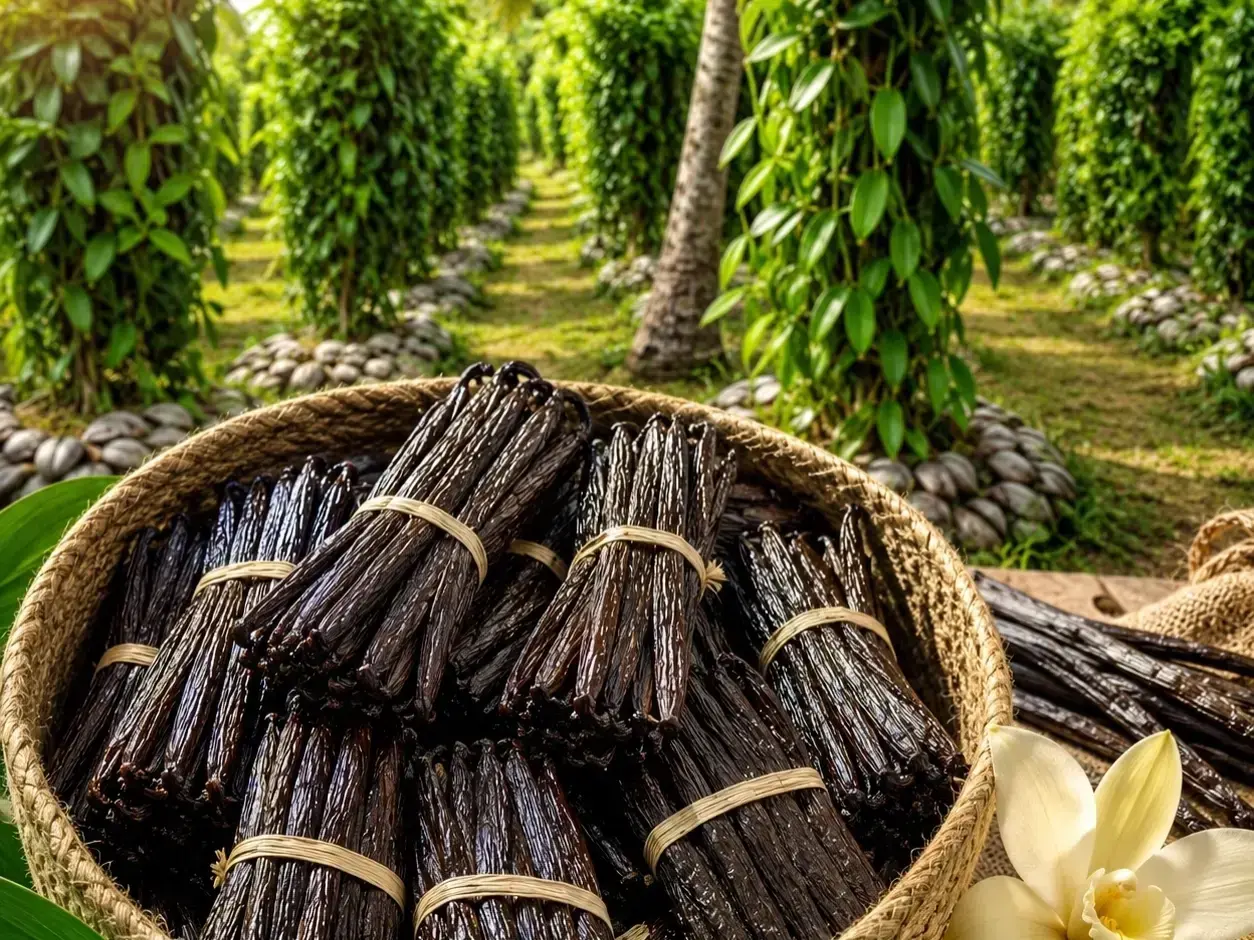
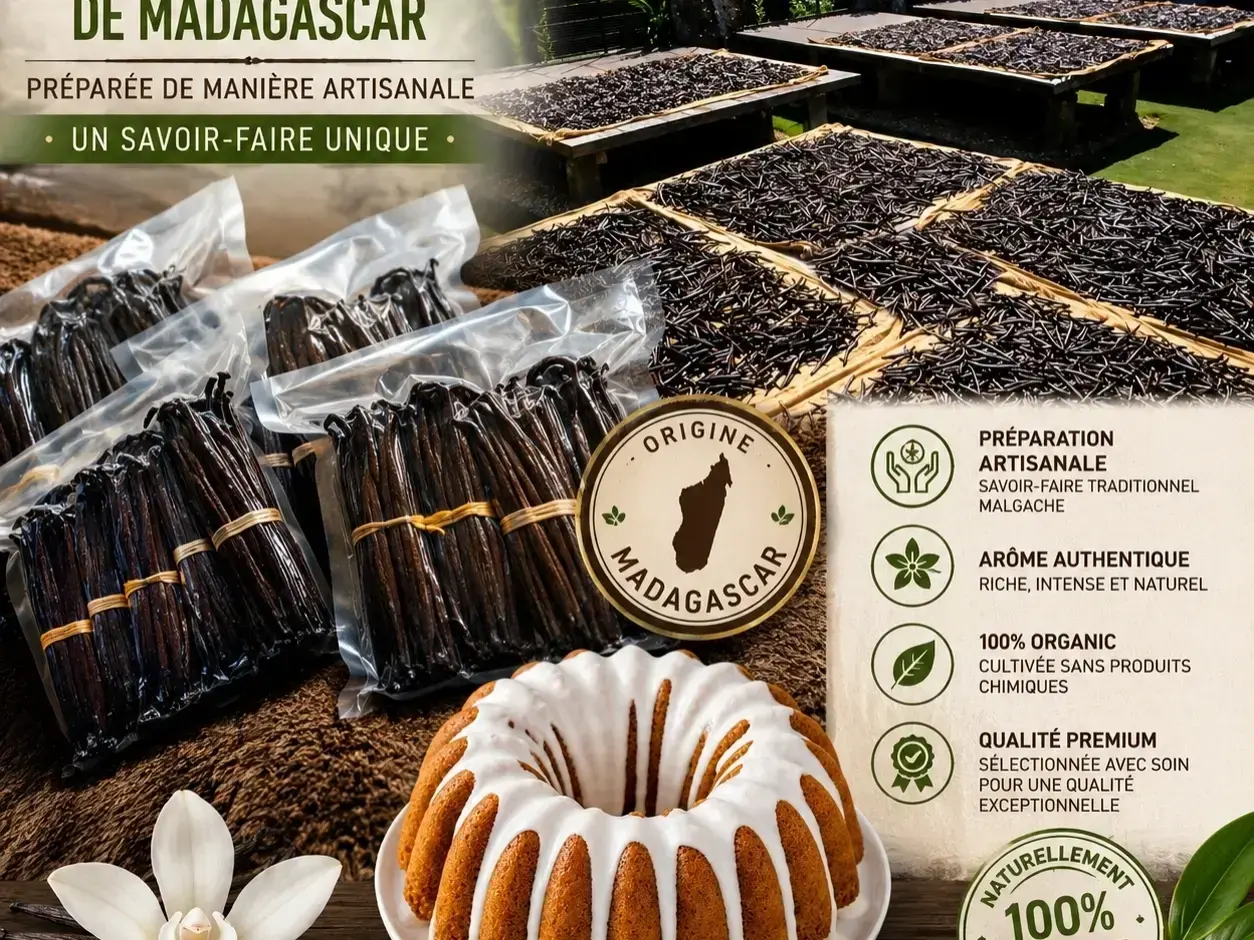
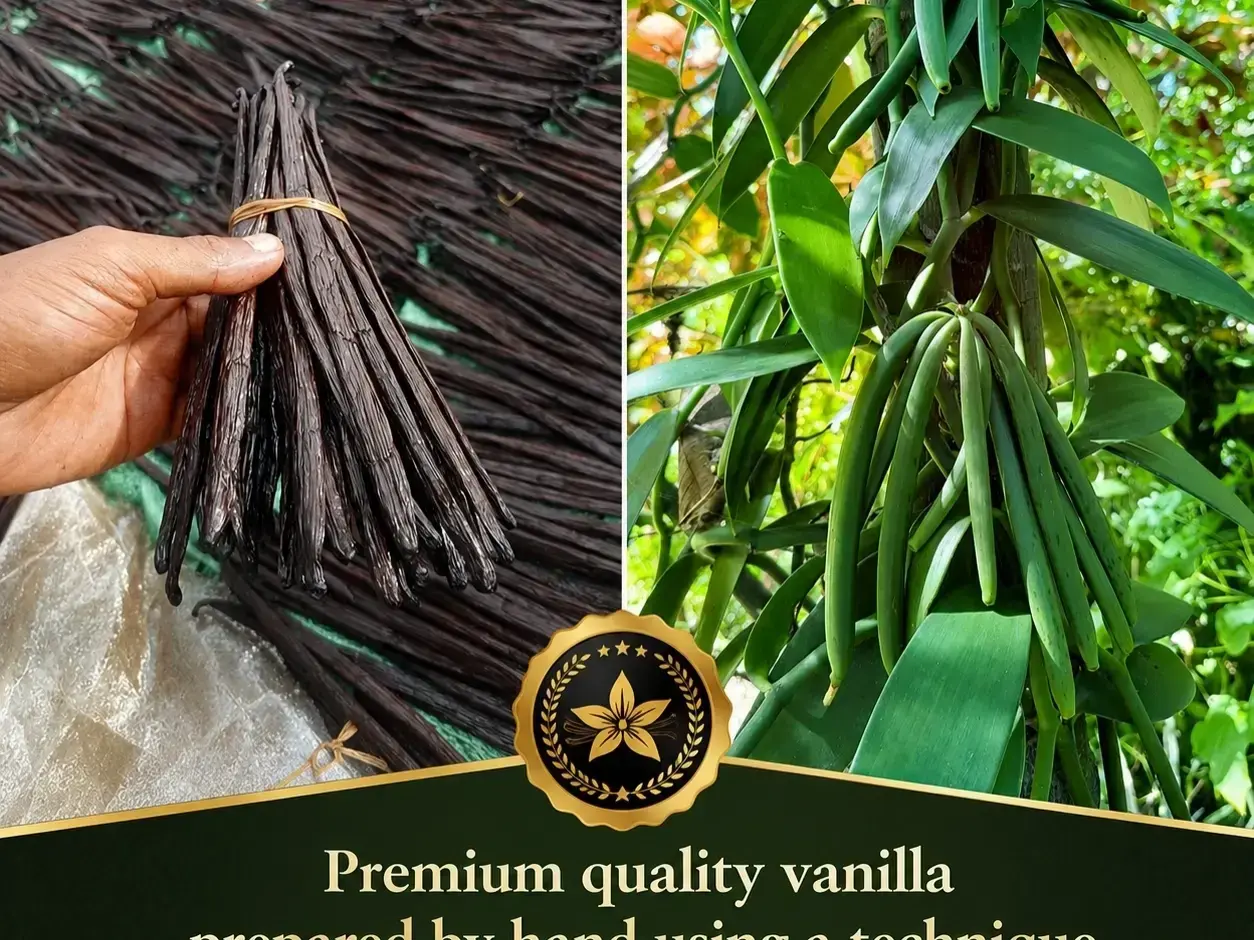
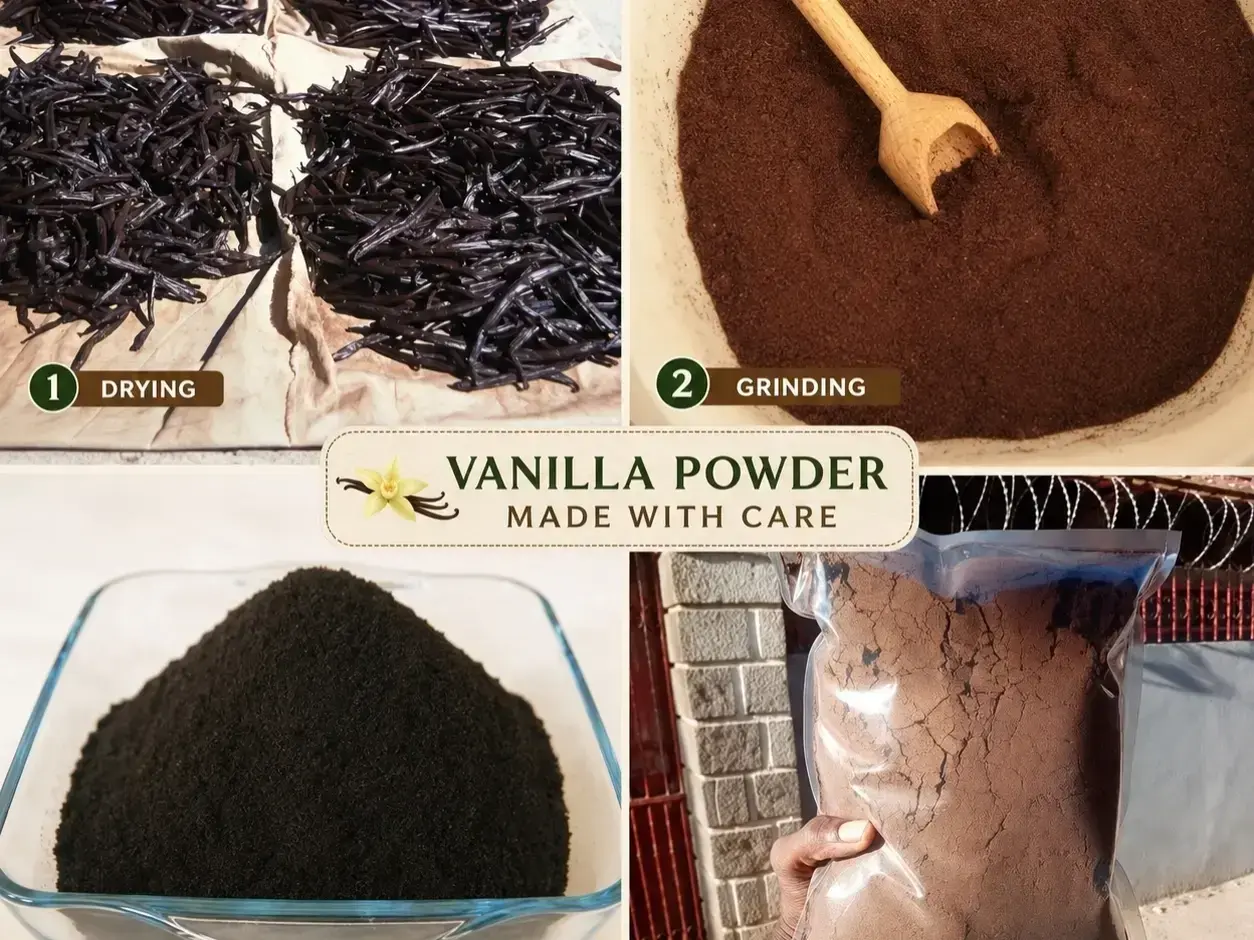
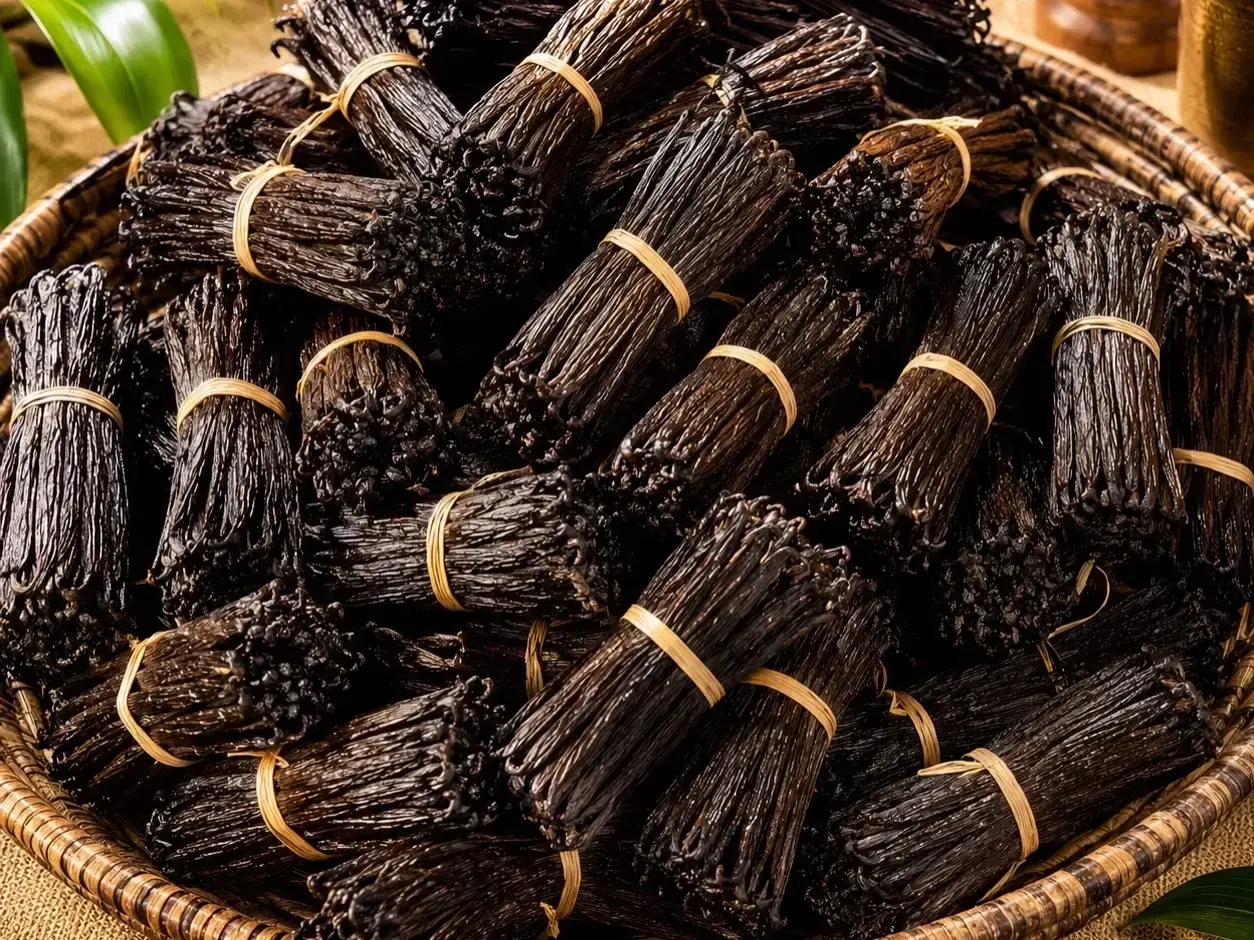
the local coastal humidity and harvest timing make batch control worth handling early.
Contact our export team to request samples, access the buyer portal, or get a certified export quote.
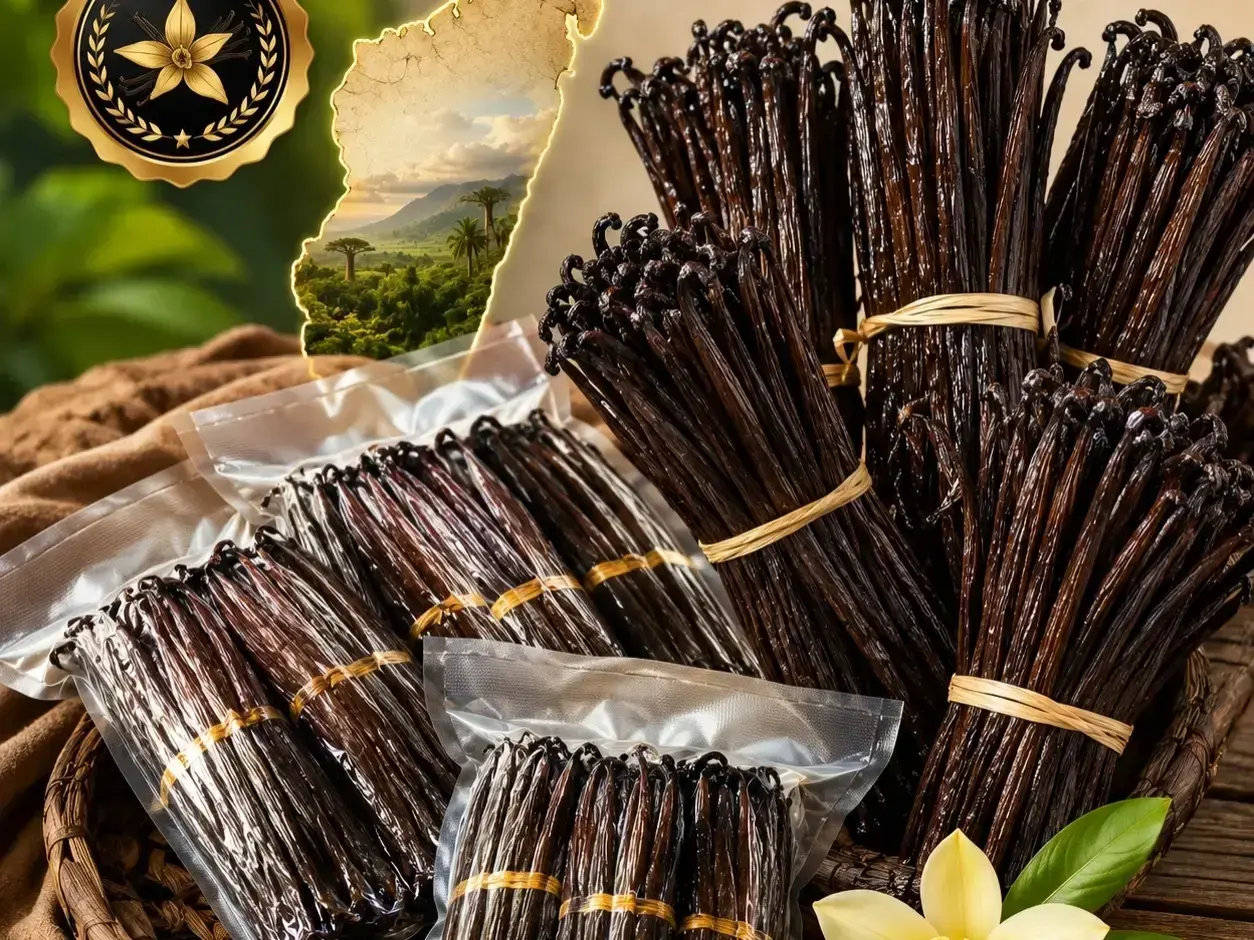
Moisture keeps showing up in the same lot, even after a short fix. In Sambava, Sava, that can point to curing drift, packing delay, or storage exposure near the coast. Vanillababa would check the batch notes, sample condition, and source route before suggesting the next step.
A buyer in Sambava, Sava may need a different format after a contract change or new market rule. That shift can change what counts as acceptable grade, document detail, and sample setup. We would match the new scope to the lot record and buyer portal so the order stays aligned.
A shipment deadline can land right as the Sambava harvest rhythm changes. That often means the sample, curing stage, and export papers all need to move together. We’d check the batch file first, then confirm what can safely leave before the deadline closes.