
Lot Intake and Source Mapping in Antalaha
We start with source mapping and batch labeling. That gives each lot a clear identity, which matters in this region where mixed supply can come from different harvest points.
Antalaha's humid Sava climate shapes bean quality, so sorting and traceability matter from the first lot. Buyers here need clean records and fast sample handling.
Antalaha is part of Madagascar's busiest vanilla belt, so mixed lots move quickly through the area. Buyers here need clear source records, because one weak lot can slow the whole order. Vanillababa handles Unsorted Vanilla with batch checks, sample orders, and buyer portal access.
We keep the process simple, but we still track curing stage, lot identity, and export documents. That approach fits Antalaha's trade rhythm, where farm supply and shipping needs can change fast. Buyers get steadier planning, fewer surprises, and cleaner handoff steps before export.
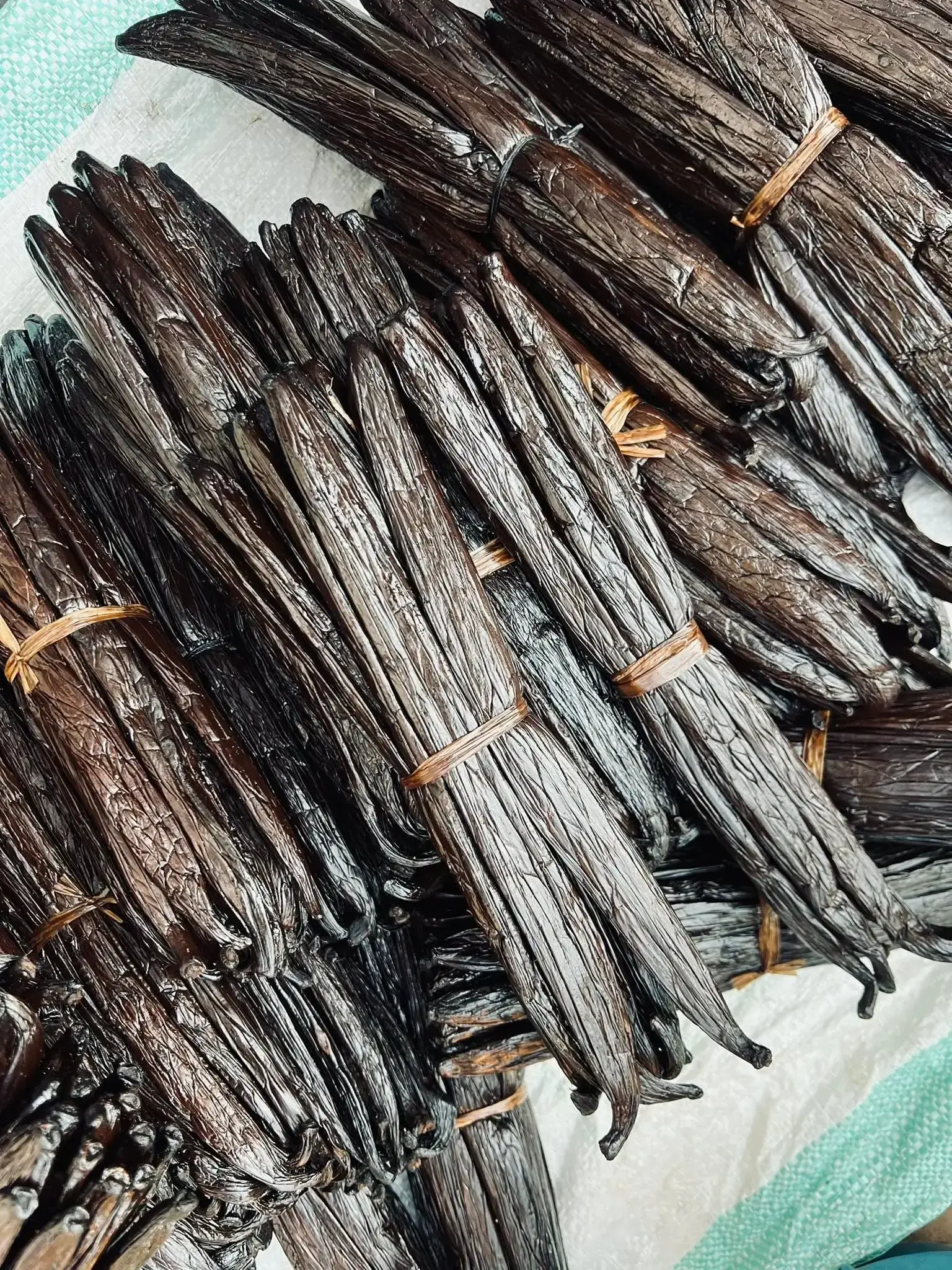
Vanillababa provides comprehensive Unsorted Vanilla in the local market. Here's what you get:
We keep batch identity clear from the start. That matters in Antalaha, where mixed supply can move fast during harvest.
Sample orders move early, so buyers can compare lots before they commit. In Antalaha, that saves time when supply windows open and close quickly.
We organize export paperwork around the actual lot, not a loose description. That helps buyers in Antalaha avoid mismatched records during Vanilla Export handoff.
Pre-harvest contracts help buyers line up supply before the busy season peaks. In Antalaha, that can matter more than chasing last-minute lots.
In Antalaha, We won't push Unsorted Vanilla if the lot data is too weak. If the source, grade, or curing stage isn't ready, we say so clearly.
A buyer in Antalaha needed mixed vanilla lots for a new export order, but the source records were incomplete. The team checked curing notes, rebuilt the batch trail, and matched samples to the buyer portal before shipment planning moved ahead. That approach fit the Sava trade pace, where weather and harvest timing can shift supply fast.
The buyer could then decide with better lot data and fewer follow-up questions.
We start with source mapping and batch labeling. That gives each lot a clear identity, which matters in this region where mixed supply can come from different harvest points.
In Antalaha, We compare the sample against the buyer's target use and export market. This step helps separate usable lots from lots that need more curing or sorting in the Sava chain.
We prepare export documents, buyer notes, and batch records together. In Antalaha, that reduces delays when the shipment has to move through the next trade step quickly.
We use pre-harvest contracts when buyers want supply lined up in advance. That gives the local team a better plan during the busy vanilla season and lowers last-minute pressure.
In Antalaha, You can compare lots before the main shipment plan starts.
You get cleaner records for Antalaha-sourced vanilla movement.
In Antalaha, You can plan around Sava harvest timing without guesswork.
In Antalaha, You reduce document errors that slow export handoff.
In Antalaha, You keep batch identity clear across mixed vanilla supply.
In Antalaha, You get one process for sourcing, samples, and export readiness.
Vanillababa ensures every Unsorted Vanilla order meets the highest standards—from sourcing through delivery. Here is what guides our process.
Every batch of Unsorted Vanilla is inspected and graded before it leaves our facility, so you receive exactly what was agreed.
Complete documentation—origin certificates, quality reports, and shipping details—accompanies every order.
Dedicated communication throughout the process—from initial inquiry to confirmed delivery at your destination.
An Antalaha buyer had two mixed vanilla lots, but the batch notes did not match the sample labels. That made export planning hard and slowed the buyer's internal review.
We rebuilt the lot trail, matched curing notes to each sample, and organized the export file around the corrected batch identity. The work stayed focused on Unsorted Vanilla handling, not retail presentation.
The buyer could compare the lots with clearer records and move ahead with a firmer supply choice. The handoff steps became easier to follow.
Outcome described without invented numbers.
A Sava buyer needed vanilla supply lined up before the main harvest pressure hit the surrounding area. Short notice would have made source matching and document prep harder.
We used pre-harvest contracts, sample orders, and document prep to shape the order before the busiest supply window. That reduced confusion around which lot belonged to which buyer request.
The buyer had a cleaner planning path and fewer last-minute changes during the handoff stage. The source trail stayed easier to verify.
Outcome described without invented numbers.
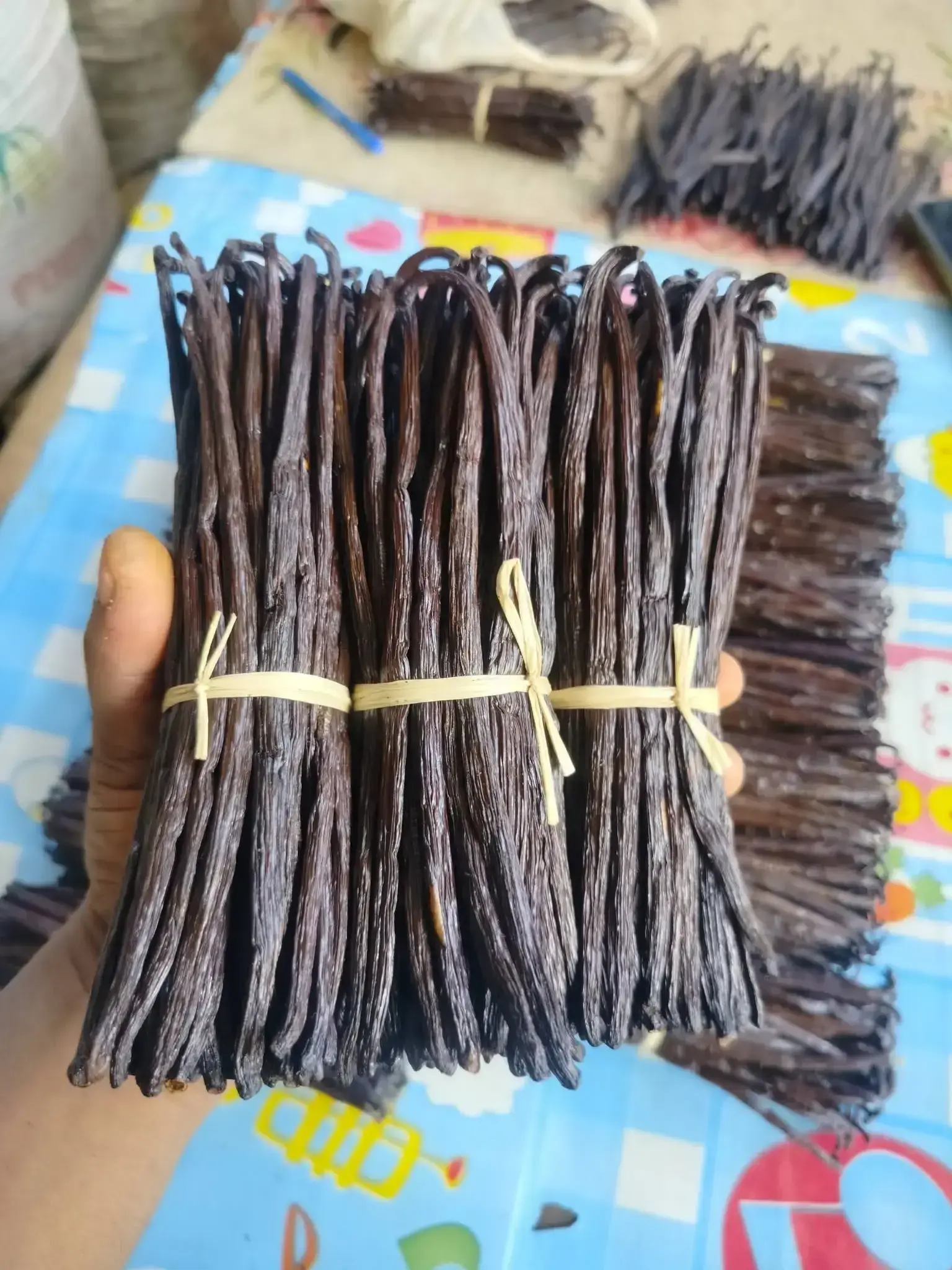
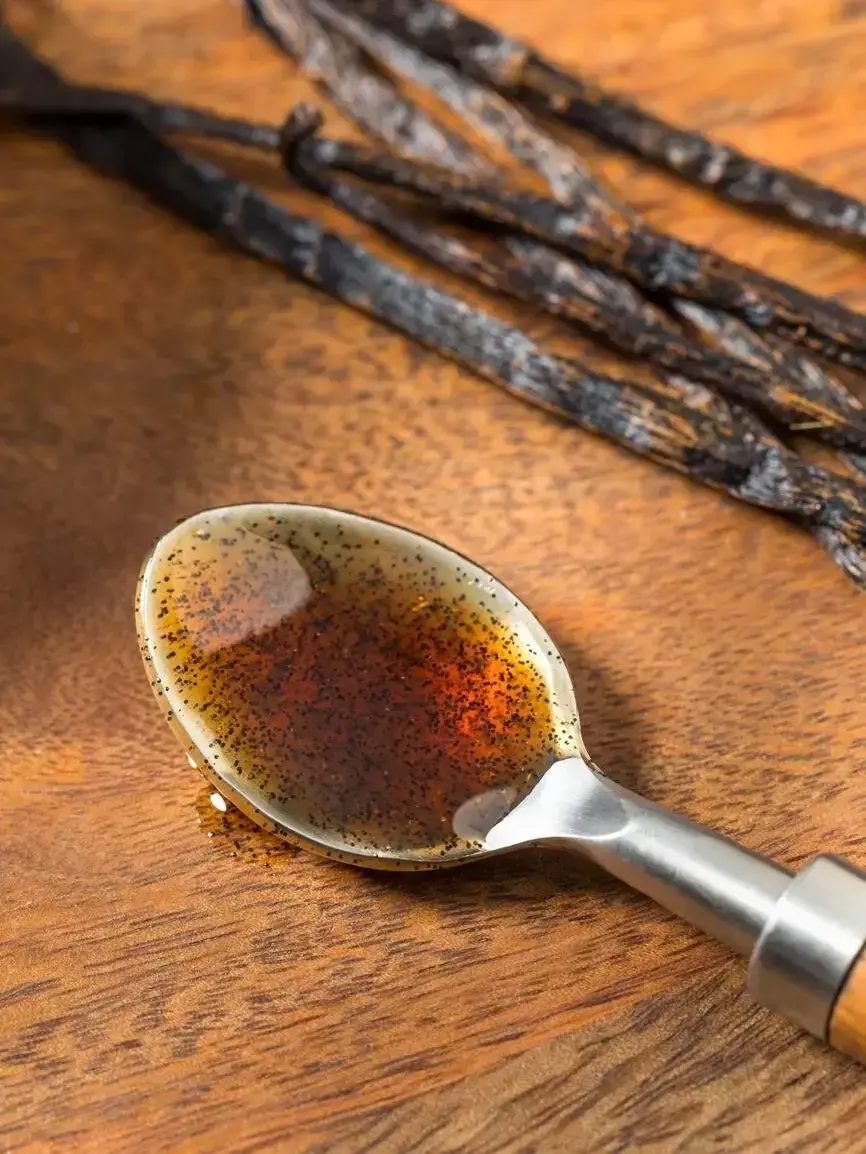
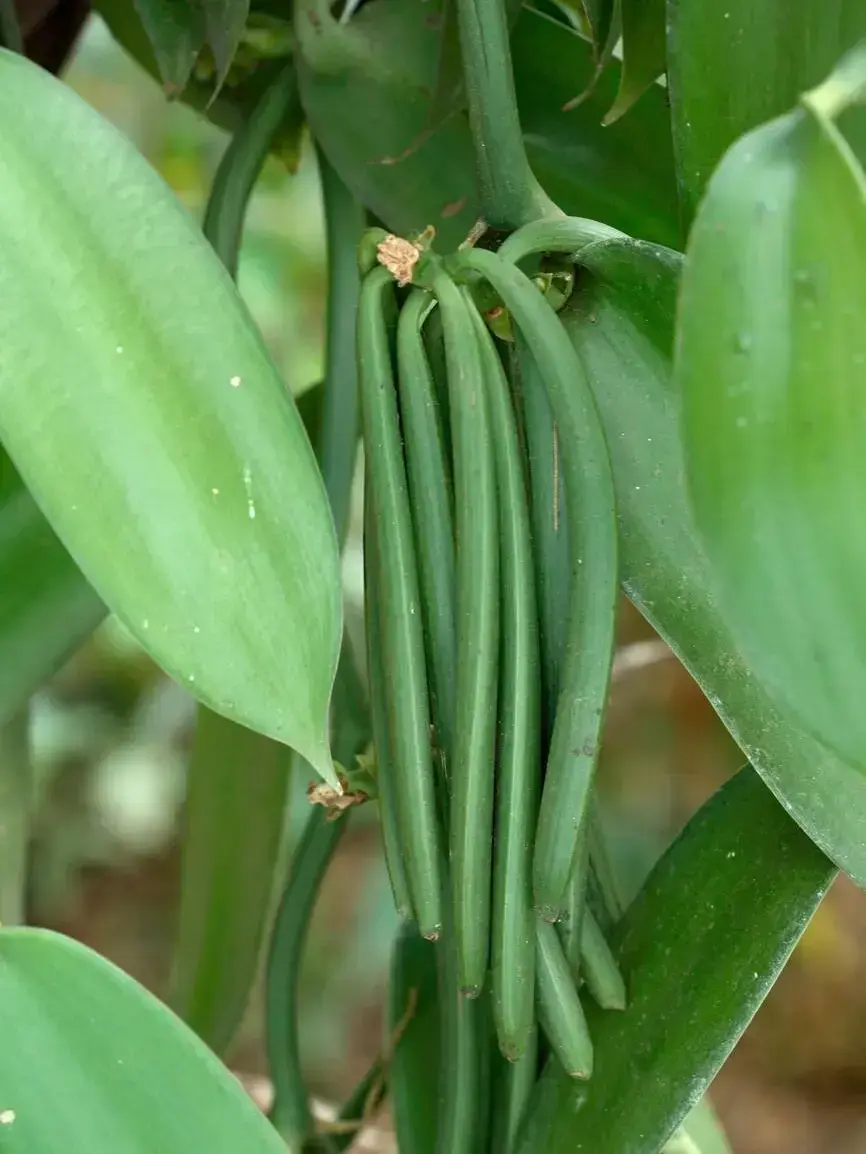

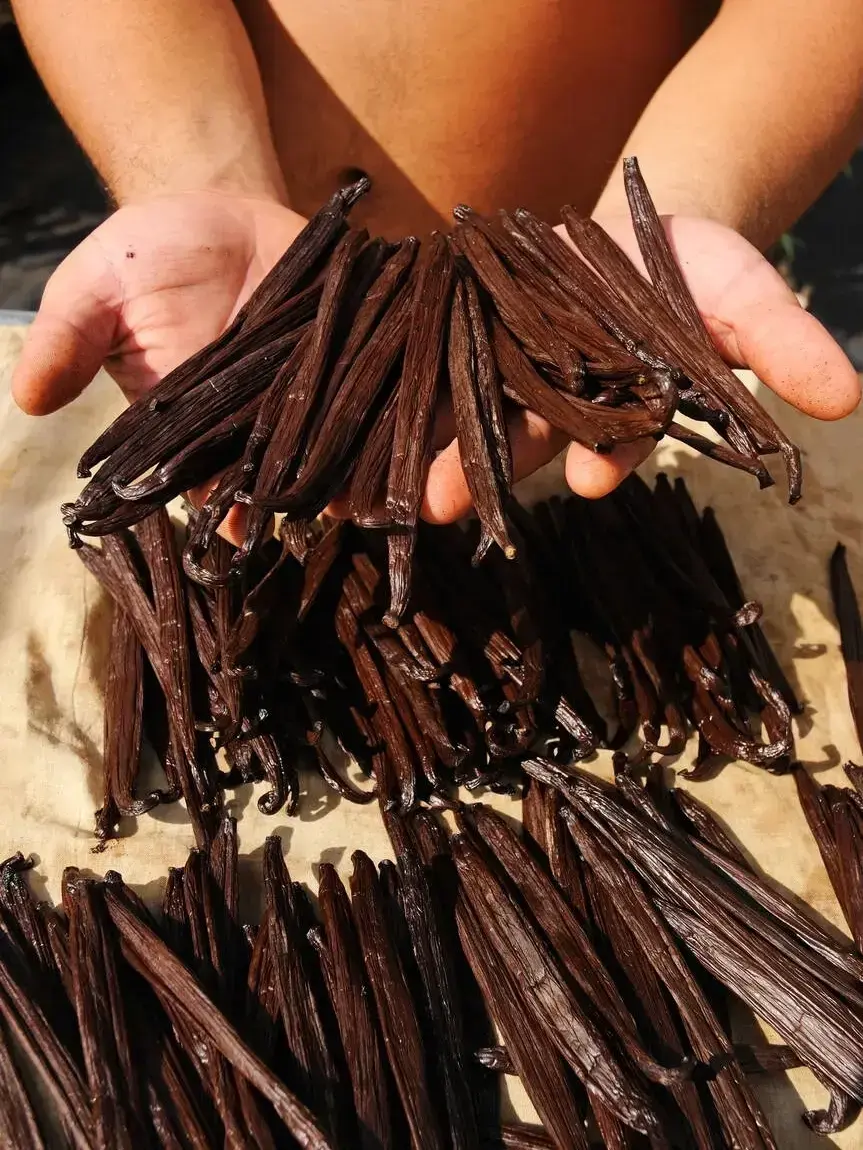
the local harvest rhythm changes quickly, so early lot review helps you avoid weak records and stalled export planning.
Contact our export team to request samples, access the buyer portal, or get a certified export quote.
A buyer in Antalaha, Sava changed the lot mix after comparing early samples, and the new plan needed stronger traceability. The local supply in the Sava vanilla belt can shift between harvest runs, so the next step is to match the batch record to the updated target before anything moves further.
A packing team in Antalaha, Sava kept seeing the same moisture and curing issues after short-term fixes. That points to a deeper sorting problem, not just a single bad lot, and the work usually starts with batch notes, sample comparison, and source review tied to the local harvest flow.
A new importer in Antalaha, Sava had no clear starting point beyond a vanilla sample and a supplier name. In that case, the safest move is to confirm source identity, batch records, and document readiness before the buyer builds a shipping plan.