
Lot Intake and Batch Mapping in Sambava
We start with batch mapping so the lot links back to its source and curing record. In Sambava, that matters because different supply points can look similar until the notes are checked.
Buyers in Sambava need small lots that still carry clean grading, traceability, and export paperwork. That matters most when samples, pre-harvest contracts, and fast document checks all have to line up.
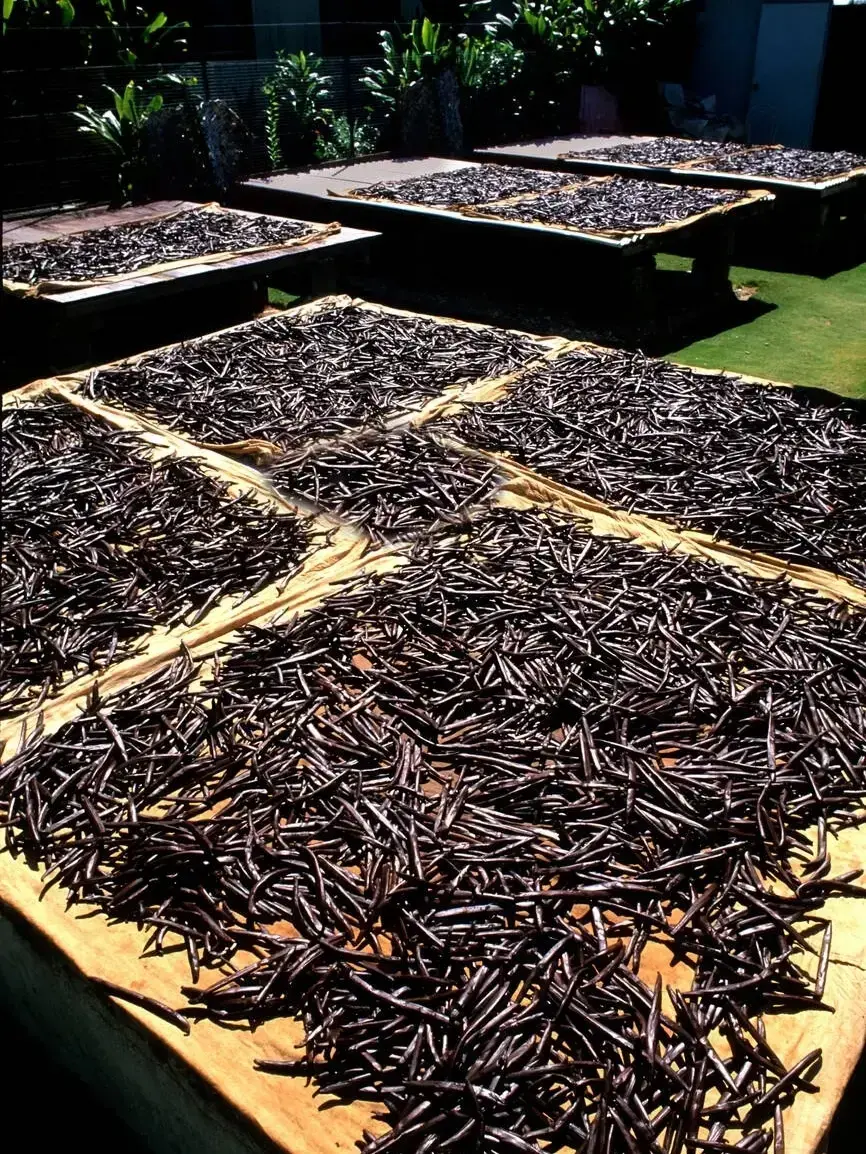
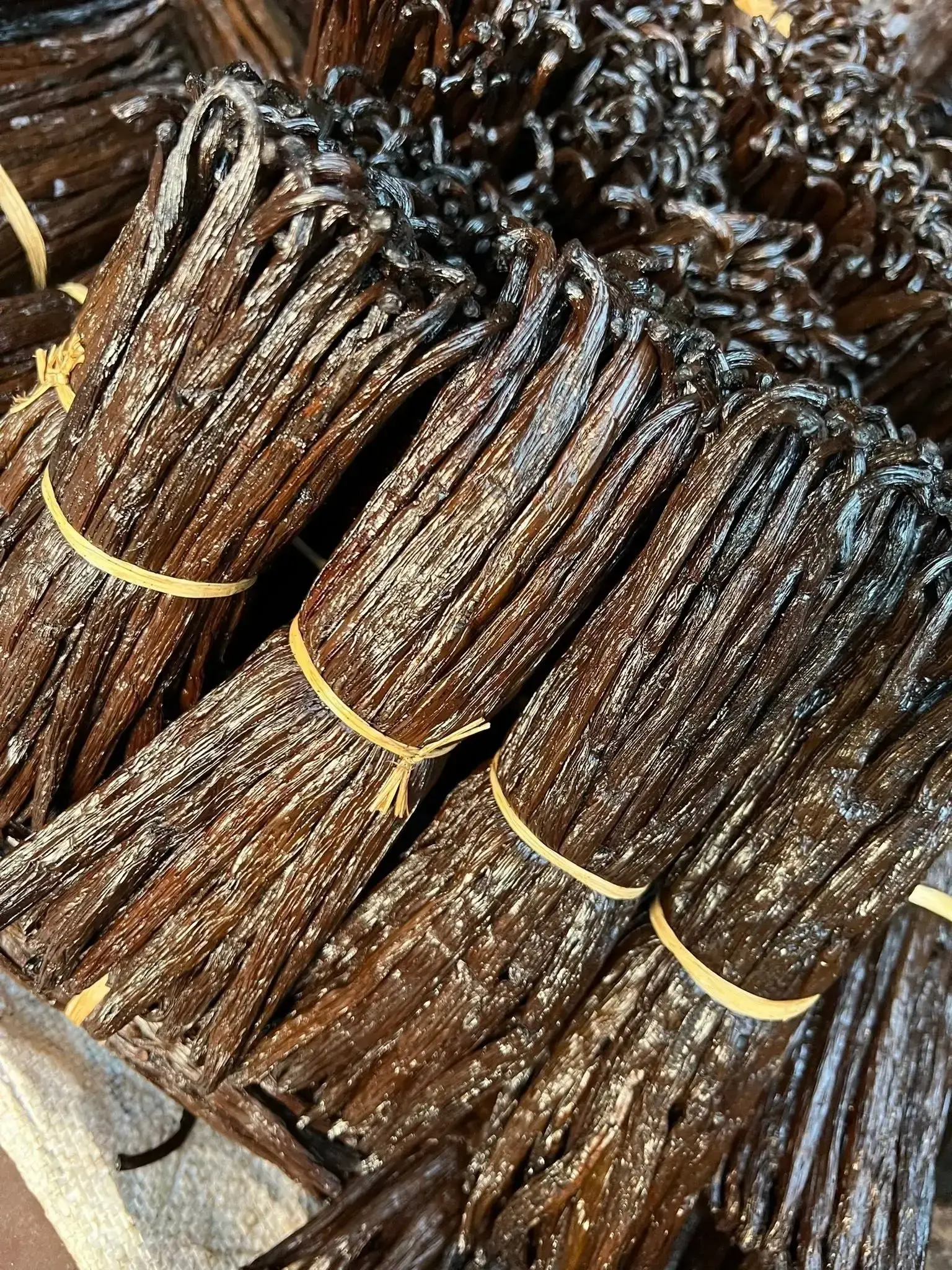
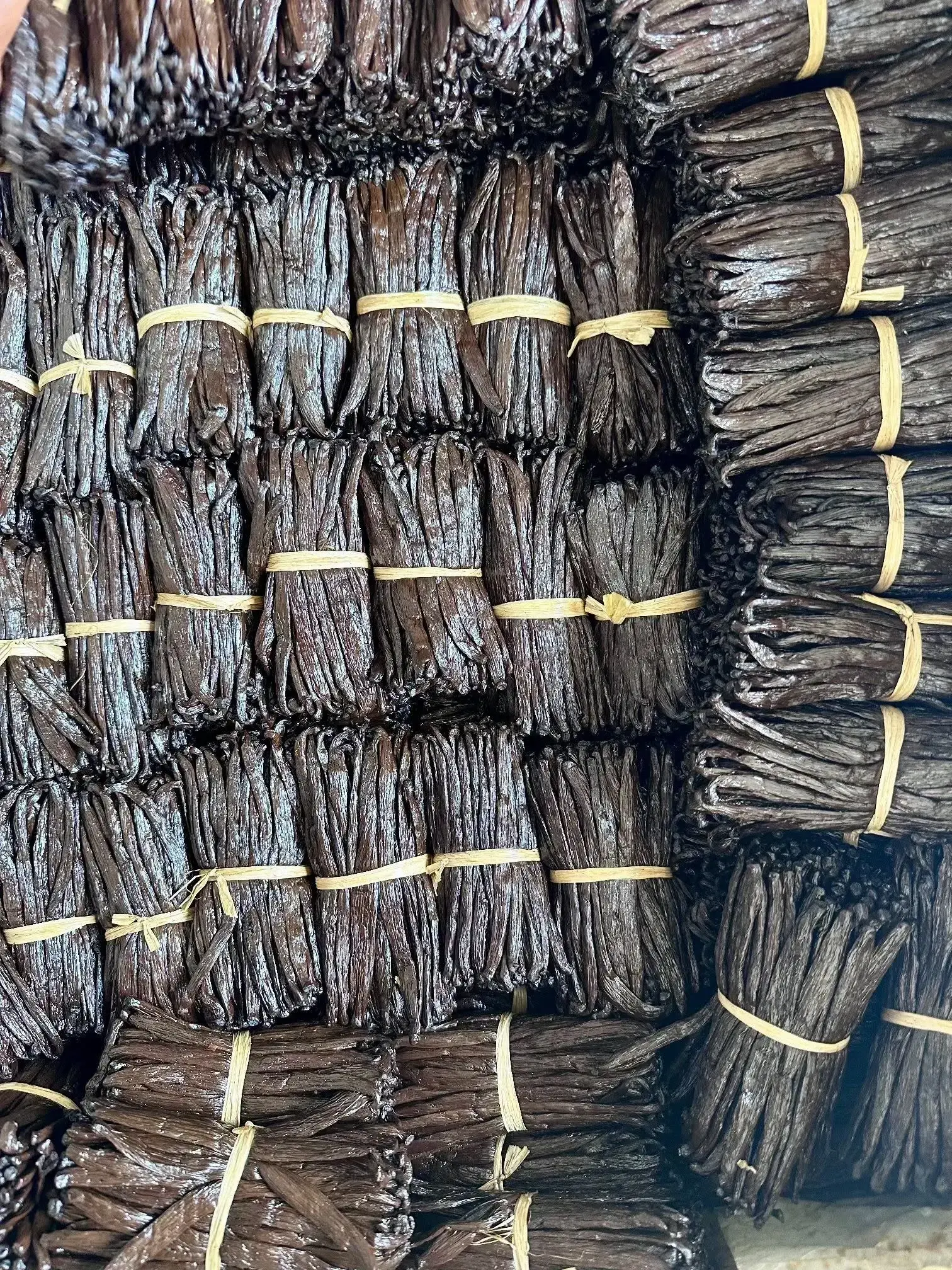
Sambava’s vanilla trade moves with harvest timing, curing progress, and lot availability. Small orders need tighter handling here, because buyers often want proof before they scale up. Vanillababa separates sample orders from full export lots, so buyers can compare grade, bean length, and moisture notes without guesswork.
We also keep the paperwork close to the lot record, which helps when Vanilla Export decisions need to move quickly. Around Sambava, the market feels different near the town center, the production edge, and the road-linked trading routes. Central buyers often want faster document checks, while farm-side buyers need clearer lot sorting and pickup planning.

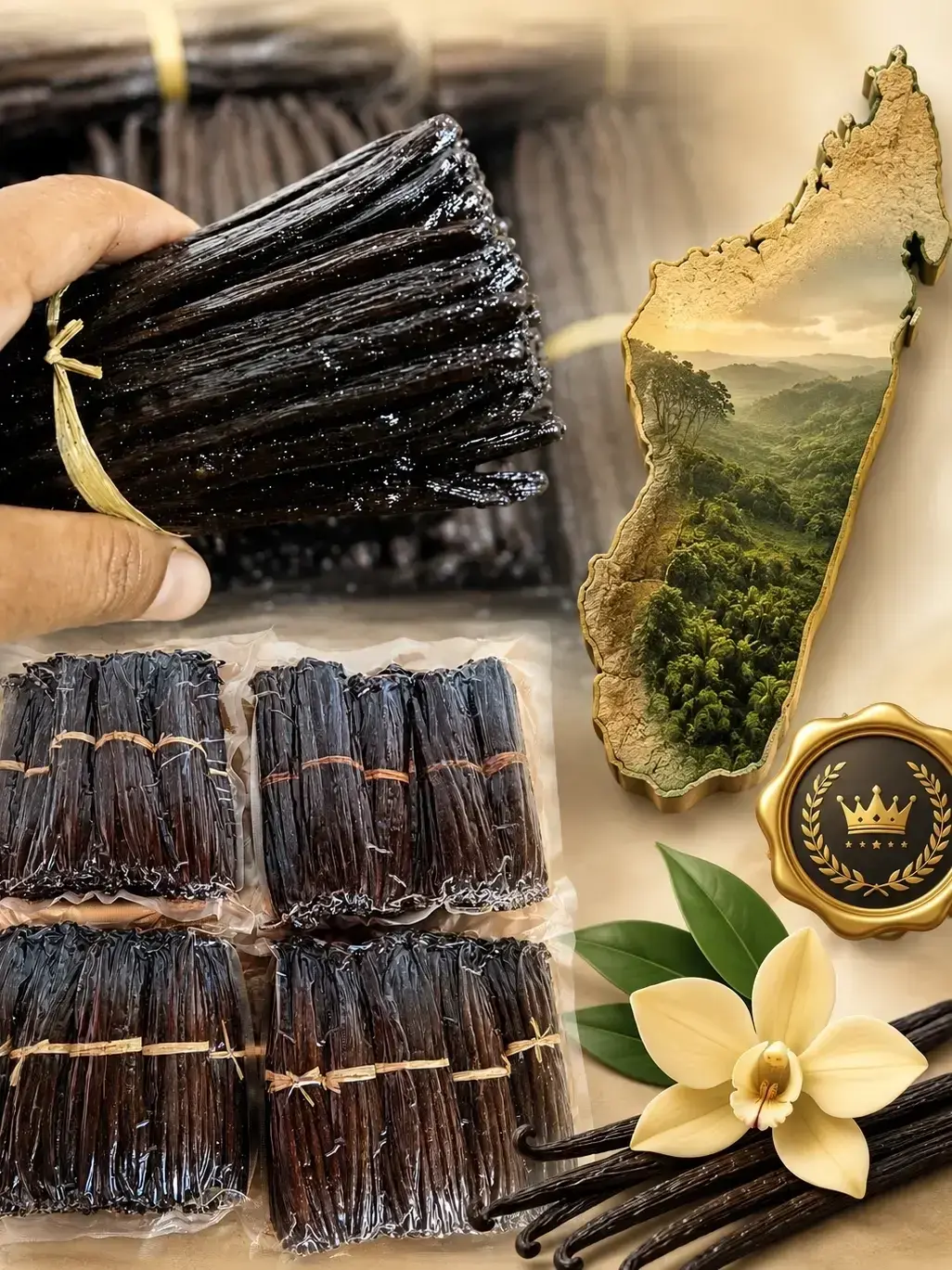
Vanillababa provides comprehensive Small quantity vanilla in Sambava. Here's what you get:
Small quantity vanilla in Sambava needs more lot-level detail than a broad, off-season market. The area’s curing flow and buyer mix can change fast, so small orders work best when grading and documents stay close together.
Sambava buyers can compare small lots before they commit to a larger purchase. That helps when bean grade, moisture, and curing stage all affect the final export plan.
Each Sambava lot stays linked to its batch record and source notes. That matters when buyers need clean Vanilla Export paperwork and fewer surprises later.
We keep documents close to the lot details, so the export path stays organized. In Sambava, that saves time when harvest flow changes and a buyer needs a fast file check.
We won’t push a small lot if the grade or timing doesn’t fit the buyer’s plan. Sambava buyers get the truth early, even when it means waiting for the right batch.
Our team tracks how Sambava, Sava supply shifts between growers and curing points. That helps small buyers choose the right lot shape, packing style, and next step.
We start with batch mapping so the lot links back to its source and curing record. In Sambava, that matters because different supply points can look similar until the notes are checked.
We prepare a sample order and compare it against grade markers, bean length, and visible cure state. That helps Sambava buyers decide before they commit to a bigger Vanilla Export step.
We pair the selected lot with export documents, lot notes, and buyer record details. The file check reduces hold-ups when the shipment path needs clean paperwork from Sambava onward.
We confirm that the batch record, sample, and packing notes all match. This step matters in this region because small lots can shift hands quickly between grower, trader, and buyer.
Small quantity vanilla in Sambava lets buyers test quality before larger sourcing decisions.
In Sambava, Traceable lots help reduce confusion when beans come from different Sava growers.
In Sambava, Sample orders save time when a buyer needs quick comparison across grades.
In Sambava, Clear lot notes make Vanilla Export planning easier for international buyers.
Pre-harvest contracts help buyers secure supply during busy Sambava periods.
In Sambava, Buyer portal access keeps records in one place and cuts back-and-forth.
Vanillababa ensures every Small quantity vanilla order meets the highest standards—from sourcing through delivery. Here is what guides our process.
Every batch of Small quantity vanilla is inspected and graded before it leaves our facility, so you receive exactly what was agreed.
Complete documentation—origin certificates, quality reports, and shipping details—accompanies every order.
Dedicated communication throughout the process—from initial inquiry to confirmed delivery at your destination.
A Sambava buyer wanted a small vanilla lot first, but the source batches looked similar on paper. The buyer needed a way to tell which lot would suit the next export step.
We separated the lots by batch record, grading notes, and sample order. Then we lined up the export documents with the chosen lot so the buyer could move with less risk.
The buyer got a clearer match and could move ahead with the right lot shape. The process cut confusion between sample review and export planning.
Outcome tracked through lot-specific documentation and sample comparison, without fabricated numbers.
A trader serving Sambava, Sava had small lots coming from different curing points, and the notes didn’t line up. That made Vanilla Export planning messy and slowed the buyer decision.
We used batch-level traceability, sorted the lots by curing stage, and prepared a clean record set for each sample. That gave the buyer a direct way to compare what was ready and what still needed time.
The buyer could separate ready stock from later stock without guessing. The final selection was easier to document and easier to explain downstream.
Result measured by clearer lot separation and smoother document handoff, not by invented statistics.
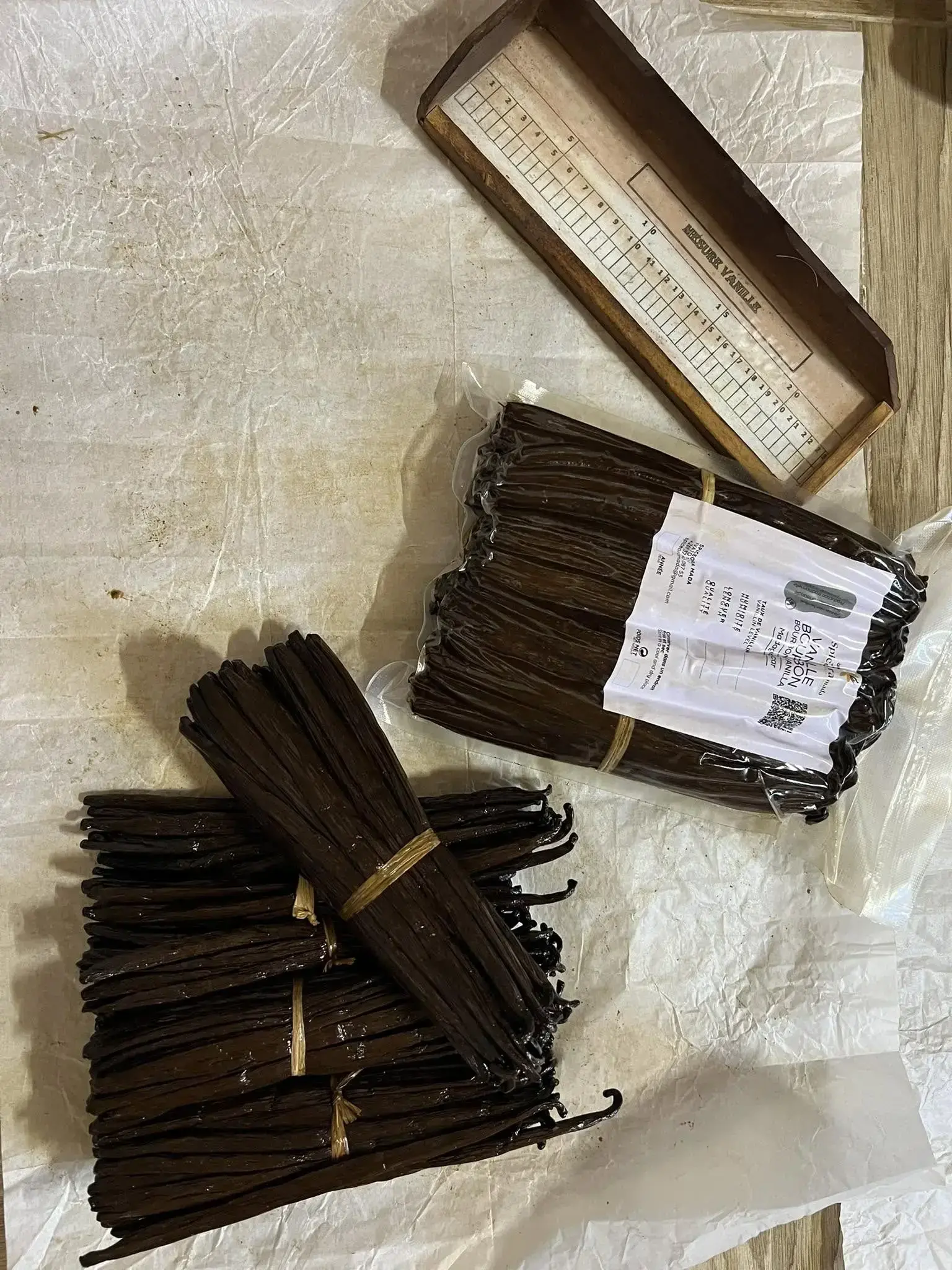
Reach out to start with a batch check, so your Sambava lot, sample, and export file line up before the next step.
Contact our export team to request samples, access the buyer portal, or get a certified export quote.
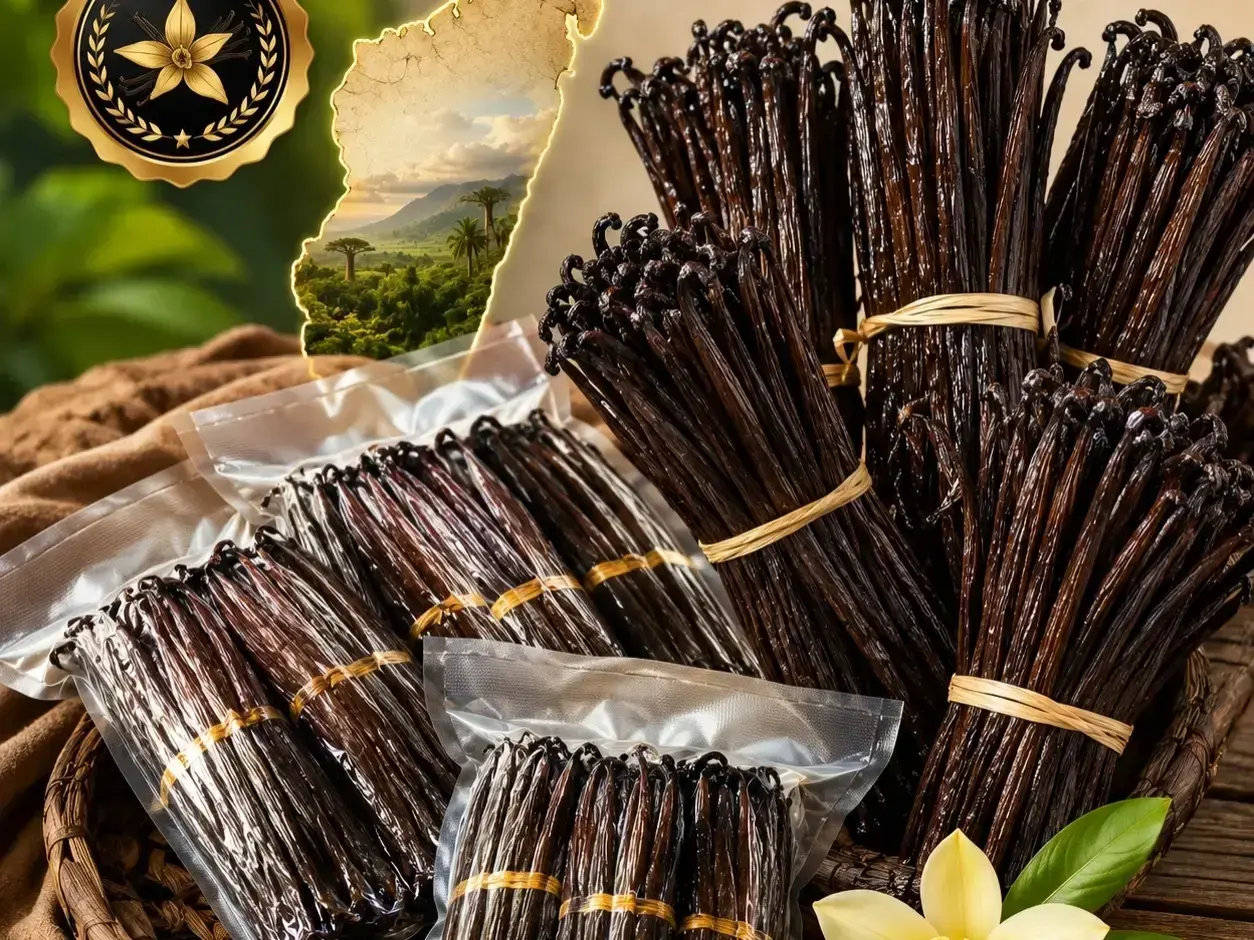
A buyer in Sambava, Sava may be comparing two suppliers and needs a real difference, not sales talk. The issue is usually traceability, bean grade, and whether the sample matches the final export lot. We’d check the batch record, sample format, and document set before anything moves forward.
A producer or trader in Sambava, Sava may have received beans without enough grading detail or lot notes. That makes the next Vanilla Export step harder, because moisture, curing stage, and batch source are still open questions. We’d start with a lot review and document matching so the buyer knows what’s actually on hand.
A buyer near the Sambava market area or farther along the Sava road may need small vanilla handled around tight access windows. The practical issue is timing, because curing points and pickup routes don’t always line up cleanly. We work around that by aligning sample orders, lot checks, and paperwork before collection.